 Search


- How can China's photovoltaic industry overcome the severe challenges of sustained price decline and pressure on corporate profits
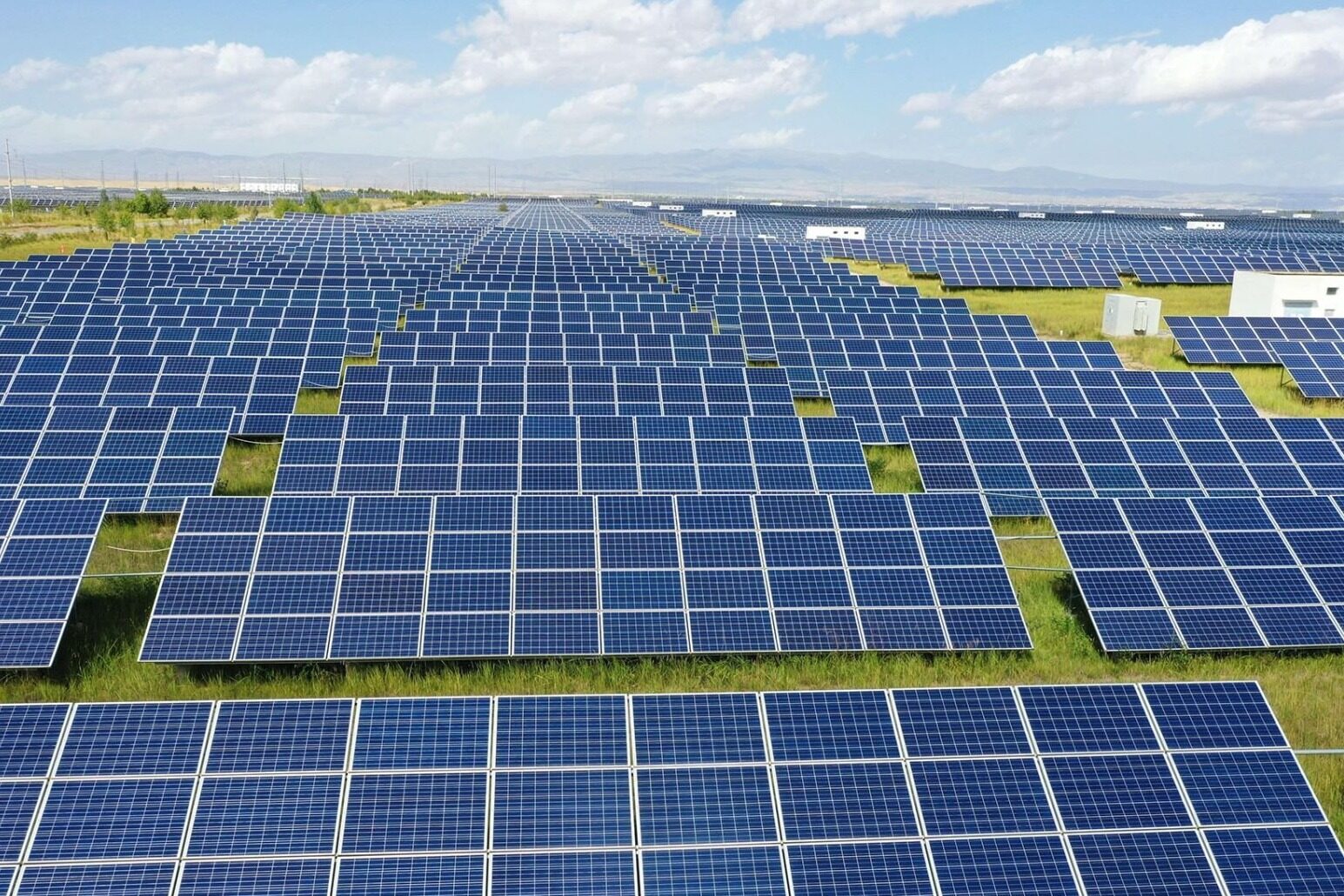
In the tide of global energy transition, the photovoltaic industry, as the core force of green energy, is expected to promote sustainable development. China's photovoltaic industry holds a dominant position in the global market with its complete industrial chain, leading technological level, and strong manufacturing capabilities. However, in recent years, due to factors such as the concentration of homogeneous production capacity and the intensification of international trade barriers, the prices of photovoltaic products have continued to decline, and the profits of enterprises are generally under pressure. The development of the industry is facing severe challenges.
The current photovoltaic market is plagued by chaos, with vicious competition at low prices and uneven product quality. In order to regulate market order, six departments including the Ministry of Industry and Information Technology recently jointly held a symposium on the photovoltaic industry, clearly proposing to shift from pursuing scale expansion to focusing on quality improvement, and promote the sustainable and healthy development of the industry. The core goal of this rectification is to guide the photovoltaic industry to achieve a transformation from "quantity" to "quality" and maintain its core competitiveness in global competition.
Disorderly competition is eroding the foundation of the photovoltaic industry. From the perspective of enterprises, price wars have led to a significant compression of profit margins. In order to survive, some companies have to reduce their R&D investment, resulting in weakened innovation capabilities and facing severe challenges for long-term development. More seriously, some companies are willing to sacrifice product quality in order to reduce costs, which not only damages consumer rights but also brings a credibility crisis to the entire industry. From an industry perspective, the effect of "bad money driving out good money" is becoming increasingly prominent. Enterprises that adhere to high-quality standards have their market share squeezed under the impact of low prices, and their high-quality production capacity is idle, directly dragging down the pace of industry technological upgrading and posing serious challenges to supply chain stability. In addition, the supply-demand imbalance caused by homogeneous competition has resulted in serious waste of social resources, further exacerbating industry difficulties. It can be said that low price disorderly competition is devouring innovation, consuming resources, and overdrawing the future of the industry.
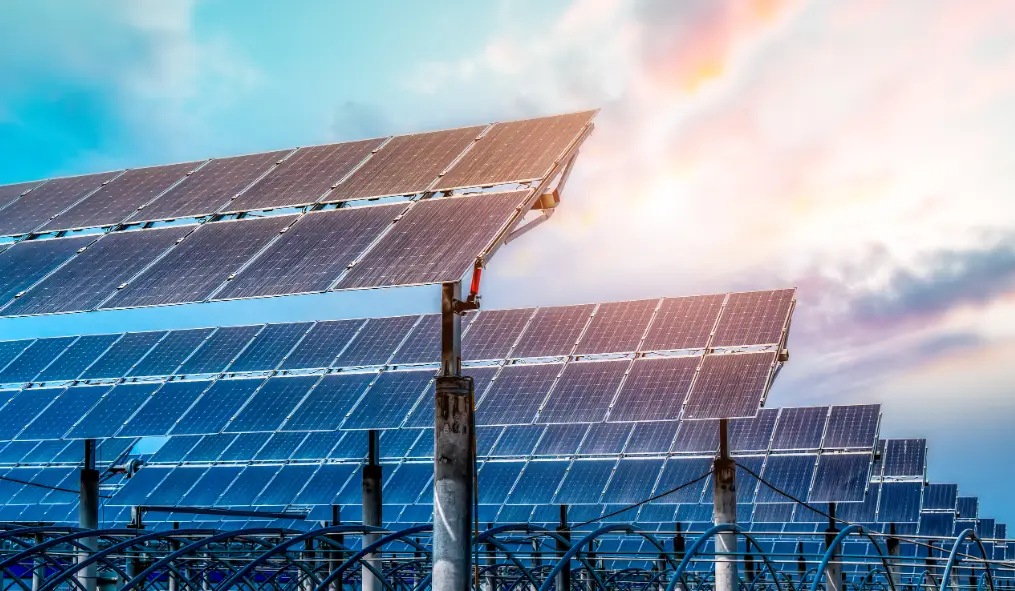
Faced with industry chaos, the six departments have launched a combination of punches, targeting the pain points of the industry directly:
Strengthen industrial regulation, establish a "traffic light" system, light red lights for projects that do not meet energy efficiency, environmental protection, and technical standards, and give green lights for advanced production capacity projects;
To curb disorderly competition at low prices, crack down on unfair practices such as selling below cost prices, and maintain market fairness;
Support industry self-discipline, leverage the supervisory and coordinating role of industry associations, and establish a self purification mechanism for the industry.
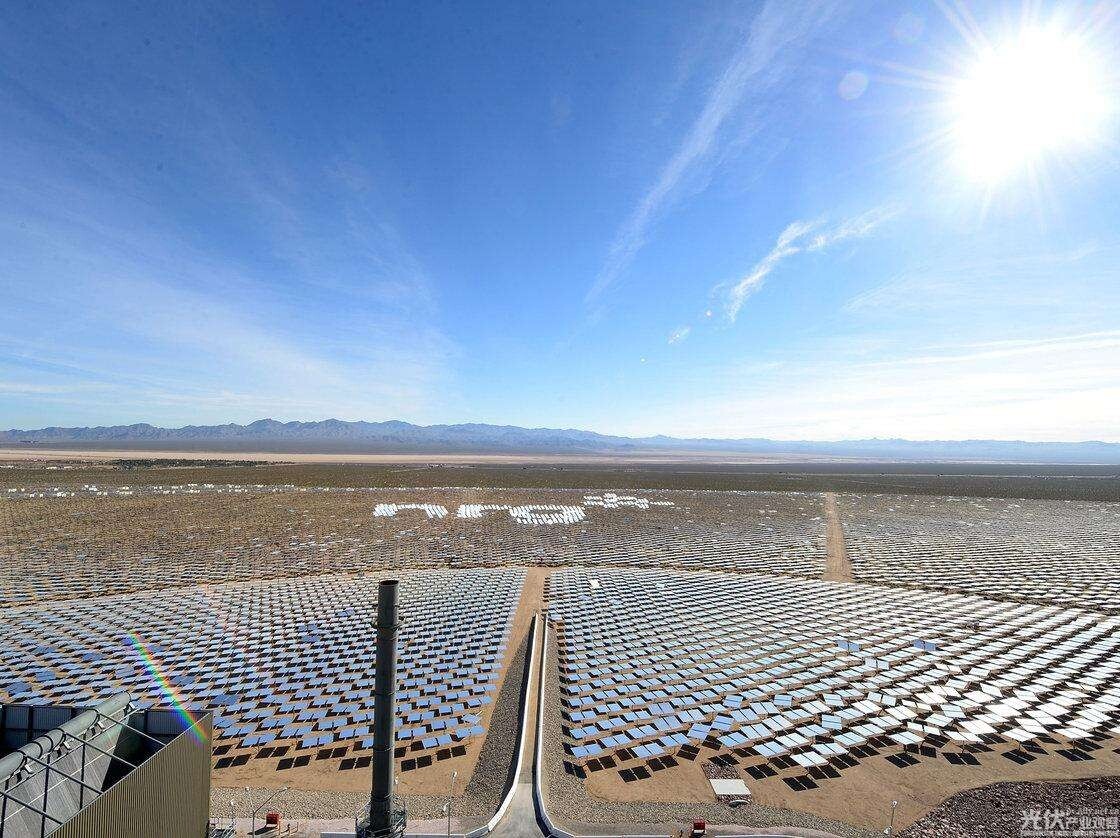
Rectification is only a means, development is the goal. Photovoltaic companies need to transform "internal competition" into "external competition" and reshape their competitive advantages from four dimensions:
Extend towards technological innovation and break through the development ceiling. Emerging technologies such as heterojunctions, perovskites, and stacked batteries are reshaping the industrial landscape, and companies that achieve technological breakthroughs first will break free from price wars and gain innovation premiums. Extend to application scenarios and explore new market space. The integration of photovoltaics with fields such as construction, transportation, and agriculture is creating new demands. Diversified application scenarios not only expand market space, but also enhance product added value. Extend to the global market and enhance the position of the value chain. From product output to solution output, and then to technical standard output, Chinese photovoltaic enterprises are upgrading their roles. Extend towards ecological synergy and build an industrial moat. Through deep cooperation, upstream and downstream enterprises in the industrial chain jointly respond to market risks and create a healthy and sustainable industrial ecosystem.
Every industry adjustment nurtures new opportunities. The current Chinese photovoltaic industry is in a critical period of transition from scale expansion to quality improvement. Only by abandoning low-level competition, embracing value co creation, adhering to technological innovation and ecological synergy, can China's photovoltaic industry break through its current difficulties, continue to lead the global green development wave, and contribute Chinese wisdom and solutions to the global energy transformation. Editor/Xu Shengpeng
Comment






 Praise
 Collect
 Comment

 Share
Share


Write something~