 Search


- The plan promises to lower electricity prices, enhance energy independence, and address the climate crisis

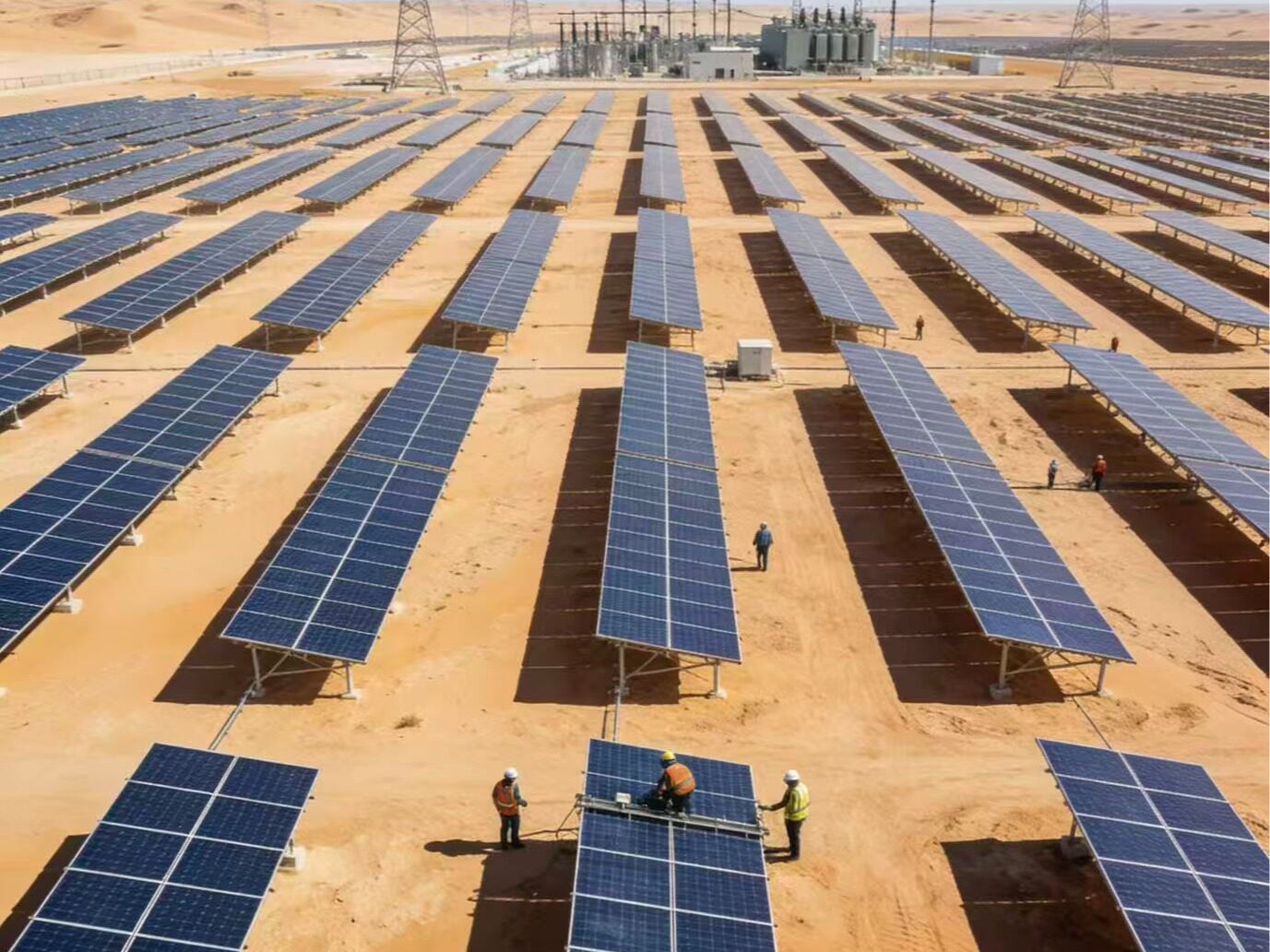
Against the backdrop of accelerating global energy transition, the UK government recently released a milestone "Solar Roadmap", which comprehensively plans the development blueprint of the solar energy industry and strives to achieve the 2030 renewable energy development goal.
The roadmap clearly proposes to increase the domestic solar installed capacity to 45 to 47 gigawatts by 2030 and strive to reach 57 gigawatts. This ambitious plan aims to promote energy independence, reduce residential electricity costs, and actively address climate challenges. It is worth noting that the roadmap is coordinated with the existing Clean Energy Action Plan in the UK, and is expected to create approximately 35000 jobs and provide clean electricity to over 9 million households by occupying only 0.4% of the country's total land area.
The Secretary of State for Energy Security and Net Zero Emissions, Ed Miliband, emphasized that "we will fully promote the rooftop solar revolution and systematically remove obstacles in planning, power grid, supply chain, and professional skills." The "Solar Roadmap" lists 70 specific actions covering six key areas: rooftop solar, power grid construction, supply chain and technological innovation, talent development, planning and policy support, and multi-party cooperation.
Key policies include simplifying the grid connection process for solar projects, enhancing supply chain resilience and sustainability, and suggesting that developers establish mandatory community welfare funds to enable local residents to share the economic benefits of solar infrastructure. The roadmap places special emphasis on increasing the proportion of rooftop solar energy applications, encouraging the widespread deployment of solar energy devices in new residential buildings, commercial buildings, public facilities (such as schools, hospitals), warehouses, and even parking lots, while promoting portable plug-in solar energy products suitable for rental housing and apartment balconies.
The government specifically pointed out that as an important component of the 'rooftop revolution', installing solar panels in households can save an average of about £ 500 in electricity bills per year. The plan will also be jointly promoted based on the "Housing Standards" and "Warm Home" projects. At present, the total installed capacity of solar energy in the UK has exceeded 18 gigawatts, and over 1.5 million households have installed solar systems.
This roadmap is the final outcome of the solar energy working group established in 2023, which is expected to transform into the Solar Energy Council to oversee the implementation of the roadmap. Multiple energy companies and institutions have expressed support for the roadmap. Alex de Sousa, General Counsel for Europe, the Middle East, and Africa at Lightsource BP, believes that "the release of this roadmap comes at a critical stage of the UK's energy transition, where solar energy will play a central role in the future power structure, providing safe and affordable electricity to the UK. The coordinated development of solar energy and energy storage will also enhance companies' risk resistance and boost the economy

Abigail Ward, Policy Manager of the Energy Conservation Trust Fund, said: 'Solar energy is a key component of the clean energy system by 2030, and the roadmap provides a clear path for large-scale promotion of solar energy, which will help reduce the UK's dependence on fossil fuels.' Keywords: photovoltaic new energy, photovoltaic new energy news, photovoltaic new energy information
Industry experts generally believe that the release of the UK's Solar Roadmap marks a new stage in the development of renewable energy in the country, which not only brings significant development opportunities for the solar industry, but also provides solid support for the UK to achieve its net zero emissions goal. With the gradual implementation of the roadmap, the UK is expected to occupy a more important position in the field of renewable energy in Europe and even globally, making positive contributions to addressing global climate change. Editor/Xu Shengpeng
Comment


 Praise
 Collect
 Comment

 Share
Share


Write something~