 Search


- The groundbreaking of Duku Expressway will promote the deep integration and coordinated development of regional economy
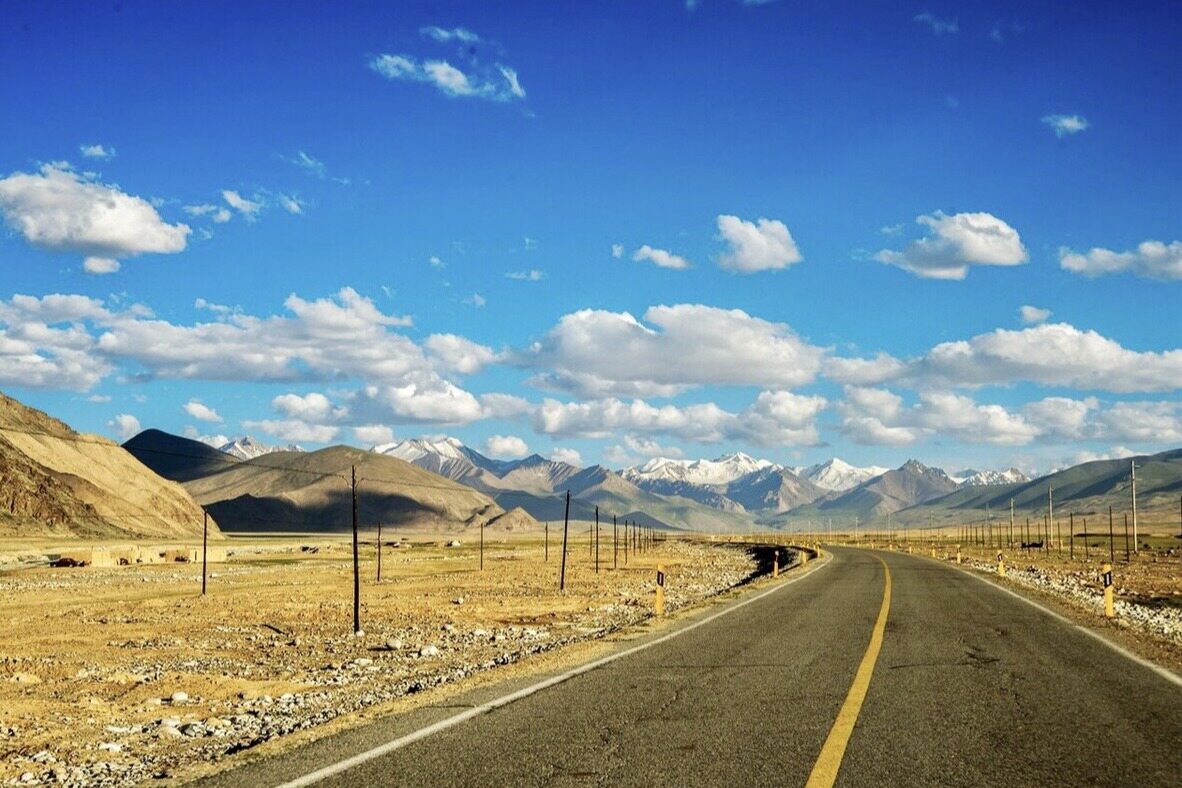
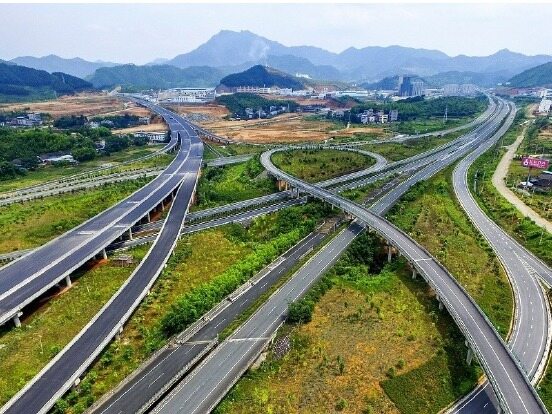
Recently, the highly anticipated "Second Passage of Tianshan Mountains" - G3033 Kuitun Dushanzi Kuche Expressway Construction Project (Duku Expressway) officially broke ground. This event is like a giant rock thrown into a calm lake, causing ripples of development on the land of Xinjiang.
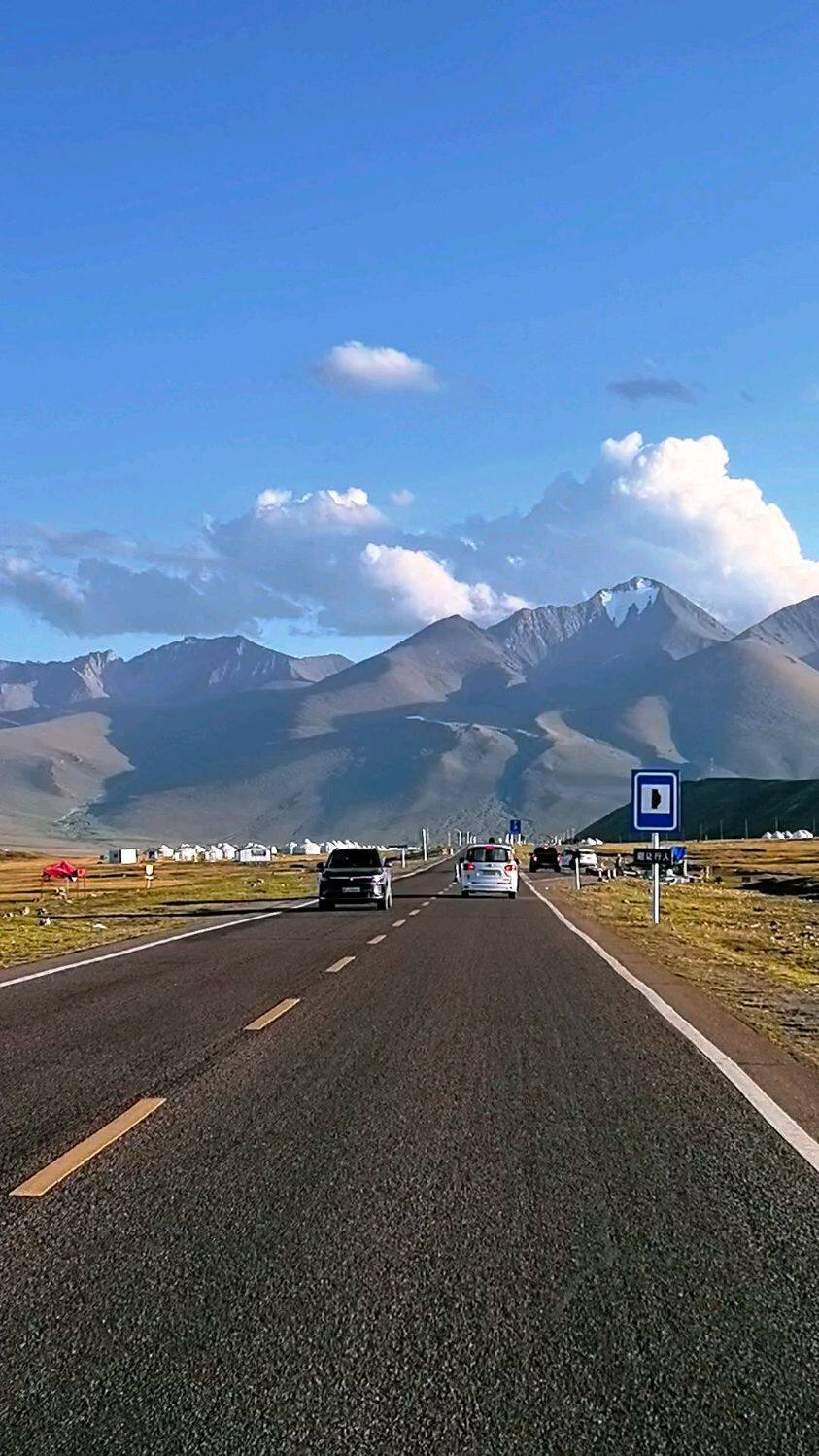
The Duku Expressway has a total length of approximately 394 kilometers and a designed speed range of 100 to 120 kilometers per hour. It is expected to be completed and put into use in 2032. It forms a fast and slow travel dual channel with the existing Duku Highway, greatly improving traffic capacity while also connecting famous scenic spots such as Nalati Grassland and Bayinbuluke Swan Lake into a brilliant tourism pearl chain. After completion, the travel time between northern and southern Xinjiang will be shortened from the current 10 hours to 5 hours, achieving all-weather traffic throughout the year and completely bidding farewell to the history of existing highways being interrupted for 8 months every year due to ice and snow blocking mountains.
However, the construction of the Duku Expressway is by no means a smooth road. It is located in a high-altitude mountainous area with complex geological conditions and harsh climate. The effective construction period is short throughout the year, and the construction difficulty can be called "hell level". But Lu Xinhu, the person in charge of Xinjiang Jiaotou, the project contractor, firmly stated that advanced domestic tunnel construction technology and cold resistant materials will be used to ensure high-quality progress of the project and overcome natural problems with the power of technology.
Looking back at history, the construction history of G217 Duku Highway is a magnificent epic of Xinjiang's development. In 1974, the PLA Engineering Corps underwent 9 years of arduous construction and was completed and opened to traffic in 1983. On this heroic road, 168 officers and soldiers sacrificed their precious lives, with an average of one road builder sacrificing every 3 kilometers. However, due to limited technical conditions at that time, the highway standards were low and the traffic capacity was restricted. Keywords: high-speed engineering, high-speed construction
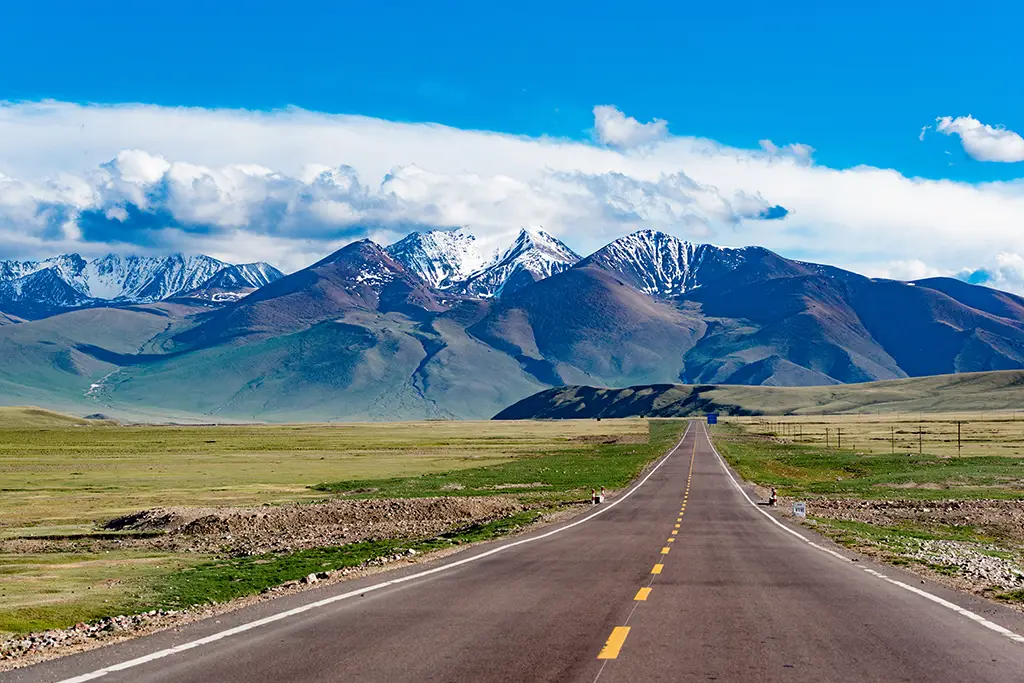
Nowadays, as an upgraded version of G217 Duku Highway, Duku Expressway shoulders a new historical mission. It is not only a transportation hub, but also a new engine for the development of Xinjiang, which will further promote economic exchanges and integration between the north and south of Xinjiang, and drive the vigorous development of the tourism industry.Editor/Cheng Liting
Comment




 Praise
 Collect
 Comment

 Share
Share


Write something~