 Search


- After the completion of the project, direct connection between Laizhou and northern Qingdao highways will be achieved
- Connecting four districts and cities, linking multiple highways, and enhancing the level of transportation interconnectivity in the Jiaodong region
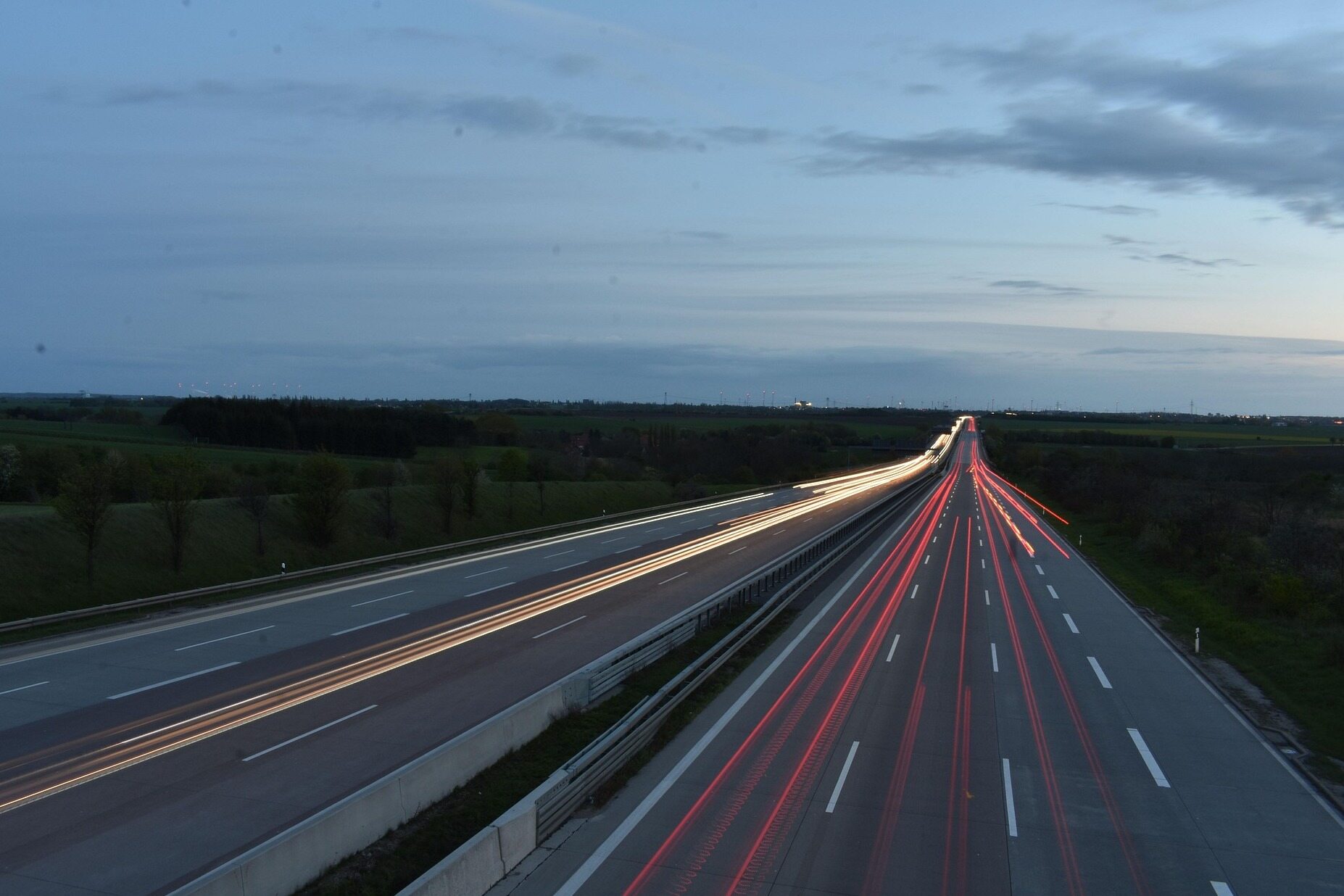
From Laizhou all the way south, heading towards the urban area of Qingdao, vehicles have had to detour on the existing highways for many years. And soon, a brand new fast track will break this situation. The bidding announcement for the franchise operator of the Qingdao section of the Laizhou Qingdao Expressway has been officially released. The total investment of the project is about 15.9 billion yuan, and it is planned to start construction by the end of December 2026, with a construction period of 3 years.
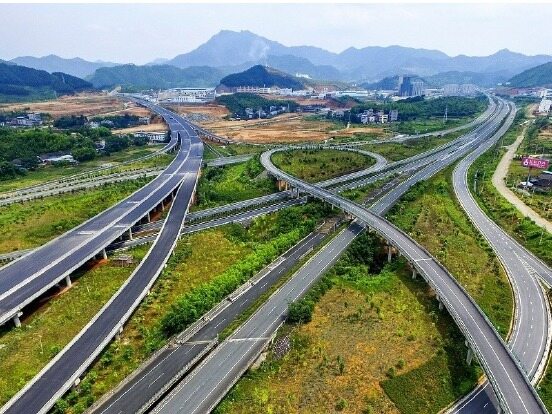
This highway holds a crucial position in the highway network of Shandong Province. As the Qingdao section of the Laiqing Expressway, it connects the Laizhou section to the north and the under construction Blue Valley to Jiaodong Airport expressway to the south, running through the four districts of Pingdu, Laixi, Jimo, and Chengyang. After completion, the northern part of Qingdao and Laizhou in Yantai will be directly connected by highways without the need to detour through the existing road network. The total length of the main line is 83.119 kilometers, including 73.062 kilometers of four lanes and 10.057 kilometers of six lanes. The six lanes are concentrated in the southern section near the main city, while the northern section is four lanes; The design speed is 120 kilometers per hour, with a four car road base width of 27 meters and six lanes of 34.5 meters. It is the mainstream standard for newly-built highways in Shandong, balancing traffic efficiency and investment control.
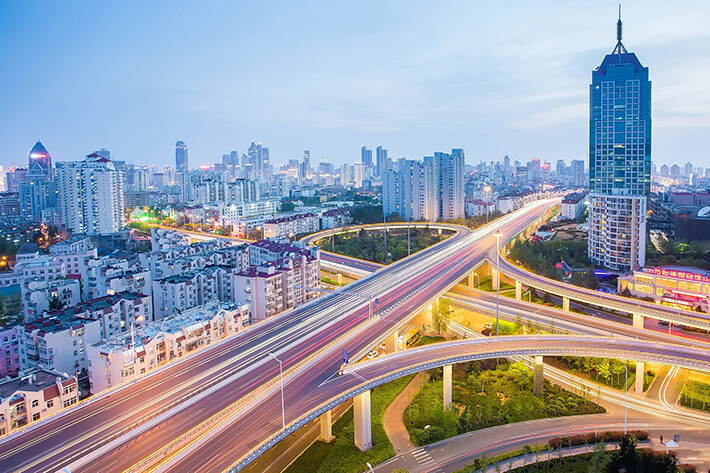
Overview of Project Scale
The scale of the bridges along the entire line is moderate, with one super major bridge measuring 3027 meters in length, 18 major bridges measuring 5933.7 meters in length, and 11 medium bridges measuring 799 meters in length. The total length of the bridges is less than 10 kilometers, accounting for about 12% of the mainline mileage. As a highway in plain and hilly areas, bridges are mainly used for crossing rivers, roads, and railways. There are 19 separated interchanges along the entire line, including 3 railway intersections and 16 highway intersections, which require a large amount of coordination work for railway and road nodes.
The project has a total of 9 interchanges, including 5 hub interchanges and 4 general interchanges, with hubs accounting for more than half of the total. The road network has outstanding connectivity and can achieve traffic conversion with highways such as Rongwu, Shenhai, and Qingxin; There is one supporting service area, one parking area, two maintenance work areas, one monitoring and communication sub center, one mainline toll station, and five ramp toll stations. The facilities along the line are configured in a standardized manner.
Each of the three connecting lines has its own emphasis
The Shuangbu connecting line is the most critical, with a total length of 4.365km. It adopts the standard of two-way six lane first-class highway and also has the function of urban expressway. The design speed is 100km/h, the main line viaduct is 4.12km, and three interchanges are set to undertake the function of high-speed access to the main city of Qingdao. The investment estimate is 2.788 billion yuan, and the cost per kilometer is more than 600 million yuan, reaching the level of urban viaduct expressway. The old store connection line is 4.943km long, a two-way two lane second-class highway, with a design speed of 60km/h and an investment of 148 million yuan; Rizhuang connecting line is 3.026 km long, also a two-way two lane second-class highway, with an investment of 80.11 million yuan. The two lines mainly serve the up and down expressways in the towns along the line, with low standards and investment.
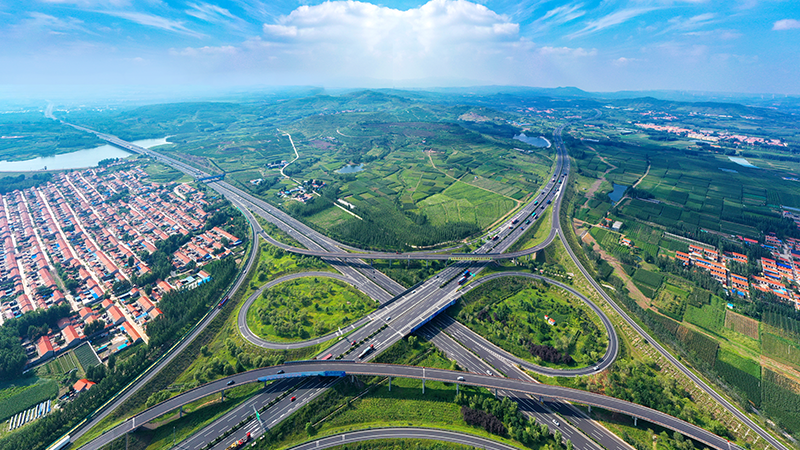
Investment and operation mode
Among the total investment of 15.9 billion yuan, the high-speed mainline accounts for the majority, the double port connecting line accounts for a considerable proportion of about 2.79 billion yuan, and the total of the old store and Rizhuang connecting lines is only 228 million yuan. The cost per kilometer of the main line is about 155 million yuan, which is in the normal high range in the Shandong Plain Expressway, mainly due to the increase in land prices, demolition costs, and railway and road engineering expenses in Qingdao.
The purpose of this bidding is to select a franchisee. The winning bidder will form a project company with representatives of government investors, fully responsible for project planning, financing, construction, operation, debt repayment, and asset management. The company will operate independently and be responsible for its own profits and losses, adopting the OT construction operation transfer model. After the expiration of the franchise period, the road, ancillary facilities, land use rights, and materials will be transferred to the government free of charge.
The project capital accounts for 20% of the total investment, approximately 3.18 billion yuan, which will be contributed by both parties in proportion to their respective shares. The remaining 12.7 billion yuan will be raised through bank loans and other means, and the financing cost and repayment plan will directly affect the project's profitability. For bidding enterprises, the traffic flow of 83 kilometers on the main line is the core calculation indicator. The key investment decision is how much traffic can be attracted by the new direct connection channel and whether the toll revenue can cover the cost. Although the dual port connection line is not directly charged, it is the gateway to the city and must be constructed to increase the main line traffic. Keywords: Shandong, Laiqing Expressway, Transportation

The project has a construction period of 3 years and will be completed and opened to traffic by the end of 2029. The construction difficulty of the plain section is not high, and the controlling engineering is one super large bridge and three railway crossings. The railway approval and skylight operation are the main uncertain factors affecting the construction period. The tender for the 15.9 billion BOT project sends a signal that the infrastructure in the eastern coastal areas is shifting from government direct investment to franchising. Participants are required to have both construction, investment, financing, and operation capabilities, with a high threshold and mostly consisting of leading central enterprises and provincial transportation groups. The pace of progress for the Qingdao section of the Laiqing Expressway has been set, and there will be pre qualification, bidding, and bid opening evaluations in the future. The final winner is worth looking forward to.Editor/Gong Ziwei
Comment


 Praise
 Collect
 Comment

 Share
Share


Write something~