 Search


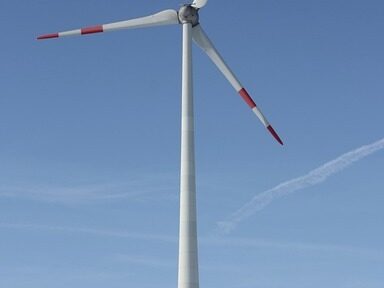
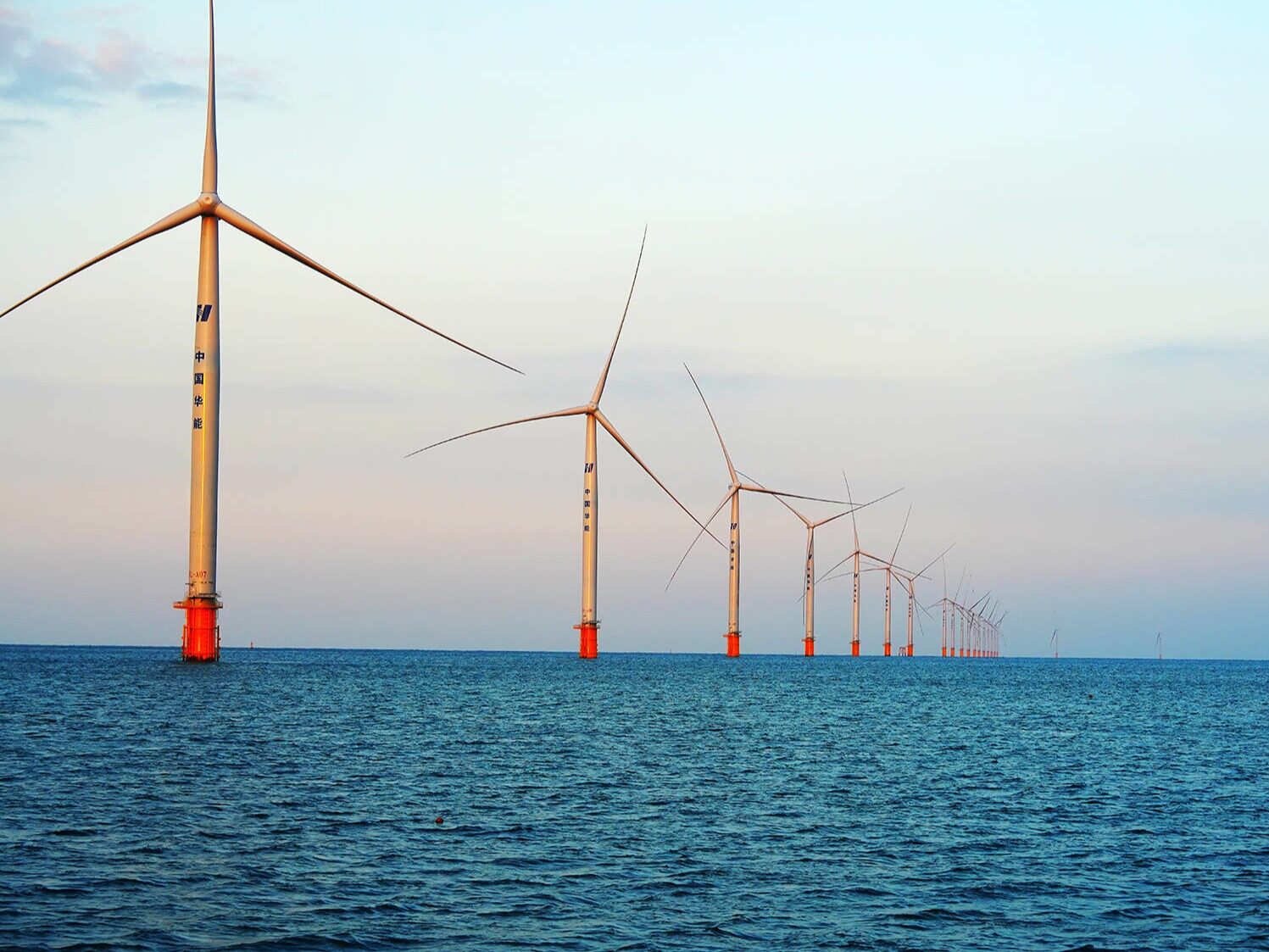
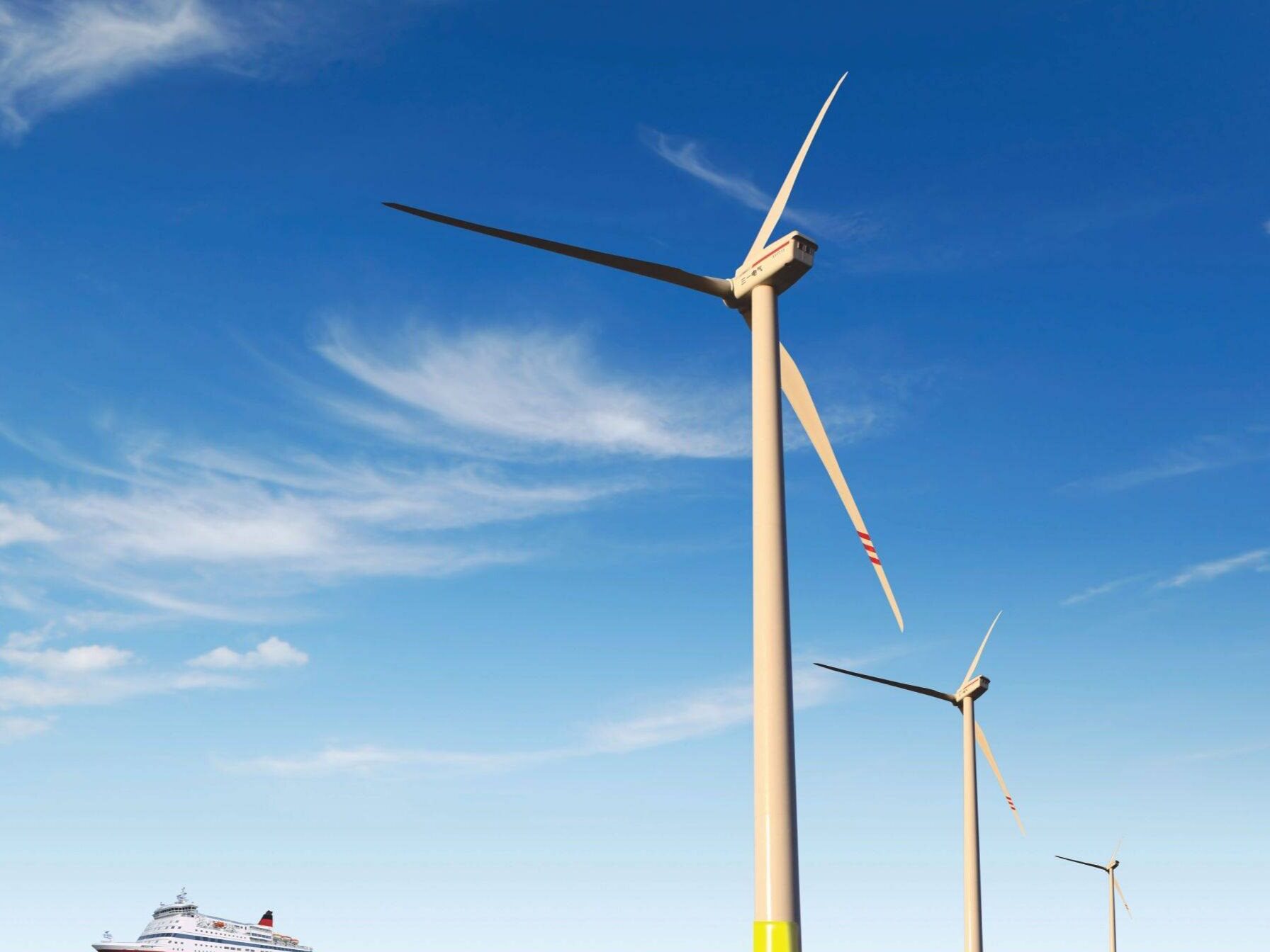
- Under the global energy transition wave, the wind power industry has become one of the core pillars of the clean energy system
By 2035, China's net greenhouse gas emissions across the entire economy will decrease by 7% to 10% compared to the peak, striving to do better. The proportion of non fossil energy consumption in total energy consumption has reached over 30%, the total installed capacity of wind and solar power has reached more than 6 times that of 2020, striving to reach 3.6 billion kilowatts, and the forest storage volume has reached over 24 billion cubic meters. New energy vehicles have become the mainstream of new sales vehicles, and the national carbon emission trading market covers major high emission industries. A climate adaptive society has been basically built.
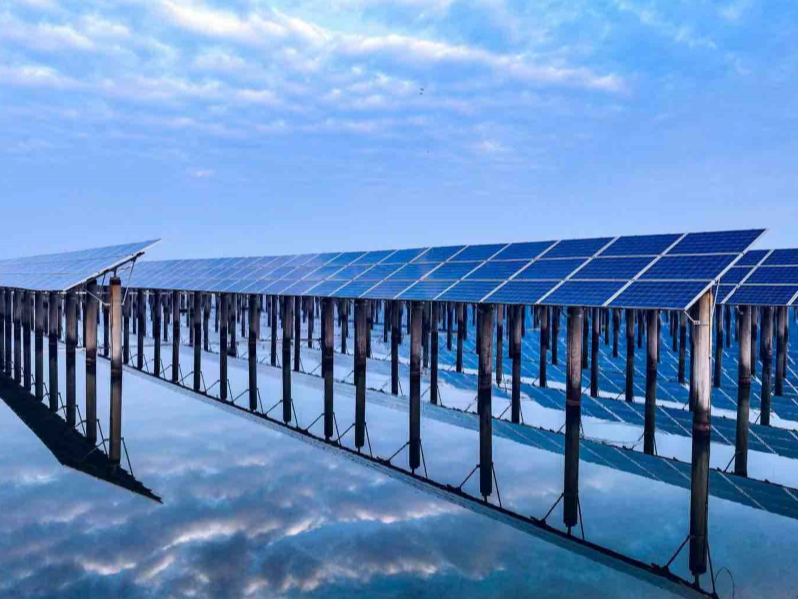
According to the latest statistics from the National Energy Agency, as of the end of August 2025, the total installed capacity of wind and solar power in China has exceeded 1.69 billion kilowatts.
The proportion of non fossil energy consumption in total energy consumption has reached over 30%, the total installed capacity of wind and solar power has reached more than 6 times that of 2020, striving to reach 3.6 billion kilowatts, and the forest storage volume has reached over 24 billion cubic meters. New energy vehicles have become the mainstream of new sales vehicles, and the national carbon emission trading market covers major high emission industries. A climate adaptive society has been basically built
To achieve this goal, China needs to make arduous efforts on its own, as well as a favorable and open international environment.
This year marks the 10th anniversary of the Paris Agreement and an important milestone for submitting a new round of nationally determined contributions. Global climate governance has entered a critical stage. I would like to share three opinions. One must have firm confidence. Green and low-carbon transformation is the trend of the times. Although some countries are moving against the tide, the international community should grasp the right direction, maintain unwavering confidence, continue to take action, and not weaken its efforts, promote the formulation and implementation of nationally determined contributions, and inject more positive energy into global climate governance cooperation. Secondly, we must take responsibility and fulfill our duties. The global green transformation should adhere to fairness and justice, fully respect the development rights of developing countries, and narrow rather than widen the North South gap through transformation. All countries should adhere to the principle of common but differentiated responsibilities, and developed countries should fulfill their obligation to reduce emissions first and provide more funding and technological support to developing countries. Thirdly, we need to deepen cooperation. Currently, there is a huge demand for global green development. Countries should strengthen international cooperation in green technology and industry, strive to fill the gap in green production capacity, ensure the free circulation of high-quality green products worldwide, and truly benefit every part of the world from green development
Taking this opportunity, I announce China's new round of nationally determined contributions: by 2035, China's net greenhouse gas emissions across the entire economy will decrease by 7% -10% from their peak, striving to do even better. The proportion of non fossil energy consumption in total energy consumption has reached over 30%, the total installed capacity of wind and solar power has reached more than 6 times that of 2020, striving to reach 3.6 billion kilowatts, and the forest storage volume has reached over 24 billion cubic meters. New energy vehicles have become the mainstream of new sales vehicles, and the national carbon emission trading market covers major high emission industries. A climate adaptive society has been basically built. This is the goal set by China in accordance with the requirements of the Paris Agreement and reflecting its utmost efforts. To achieve this goal, China needs to make arduous efforts on its own, as well as a favorable and open international environment. We have the determination and confidence to fulfill our promises.
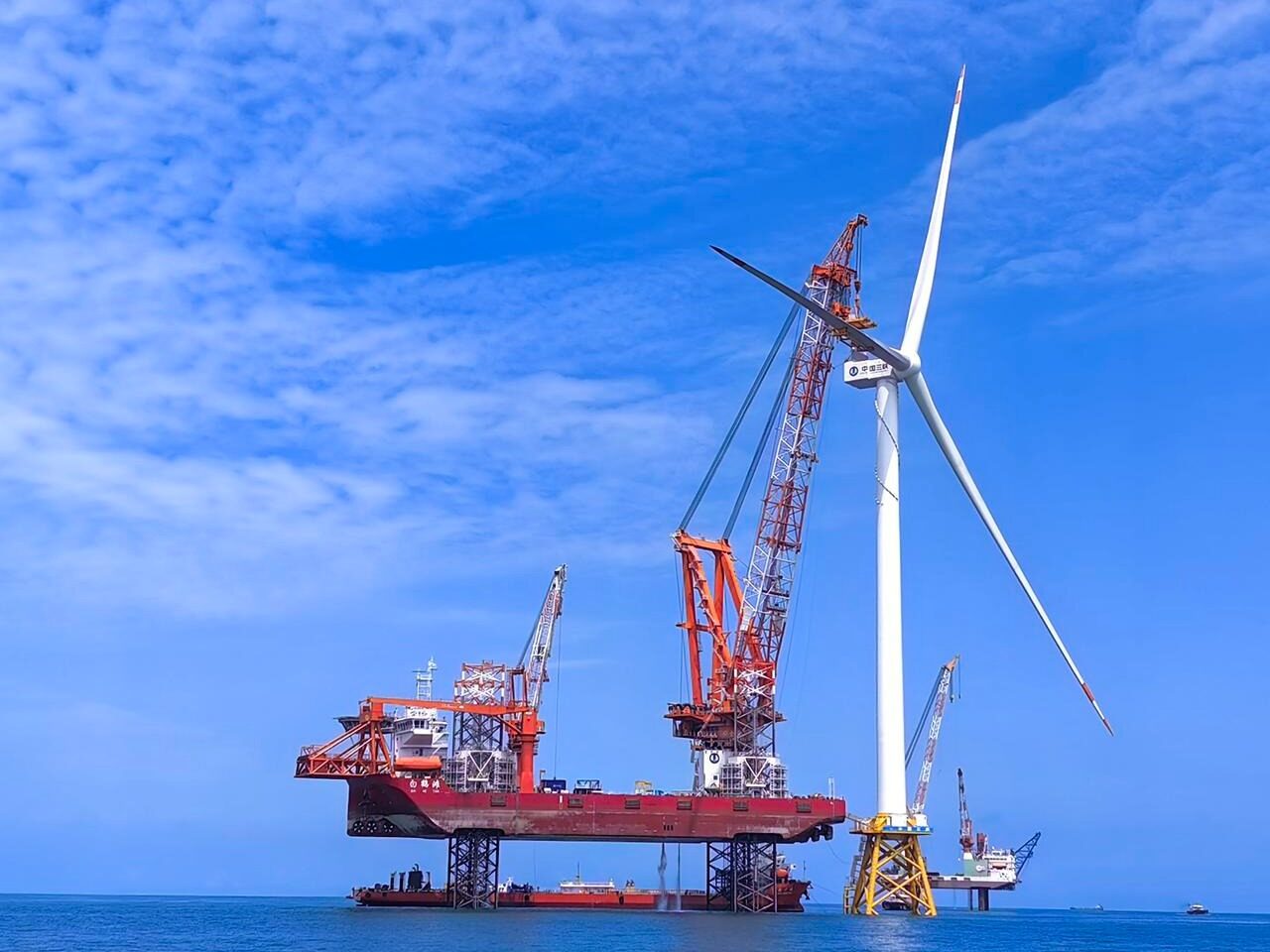
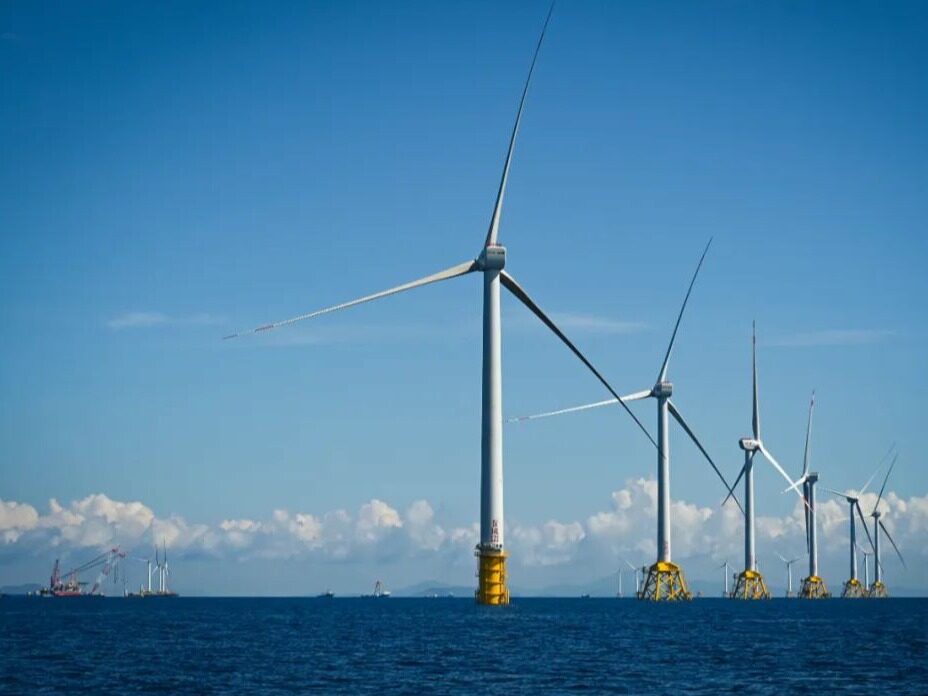
Under the global energy transition wave, the wind power industry has become one of the core pillars of the clean energy system. Document No. 136 and subsidies for grid electricity prices have continuously injected development momentum into it, but it still faces challenges such as grid integration and consumption, cost and operation pressure. On October 10th, the "2025 Wind Power Industry Conference" in Shanghai kicked off with great fanfare! Focusing on key issues such as wind power+specific scenario applications, the development trend of wind power during the 15th Five Year Plan period, the key technical points for the development of offshore wind power, the recycling of retired wind turbine equipment, and the high-quality development of wind power, gathering the insights of industry leaders and experts. We sincerely invite wind power colleagues to attend the grand event and work together to promote high-quality development of the industry!Editor/Bian Wenjun
Comment

 Praise
 Collect
 Comment

 Share
Share


Write something~