 Search


- Chinese state-owned enterprises' overseas wind and photovoltaic projects have spread across 47 countries
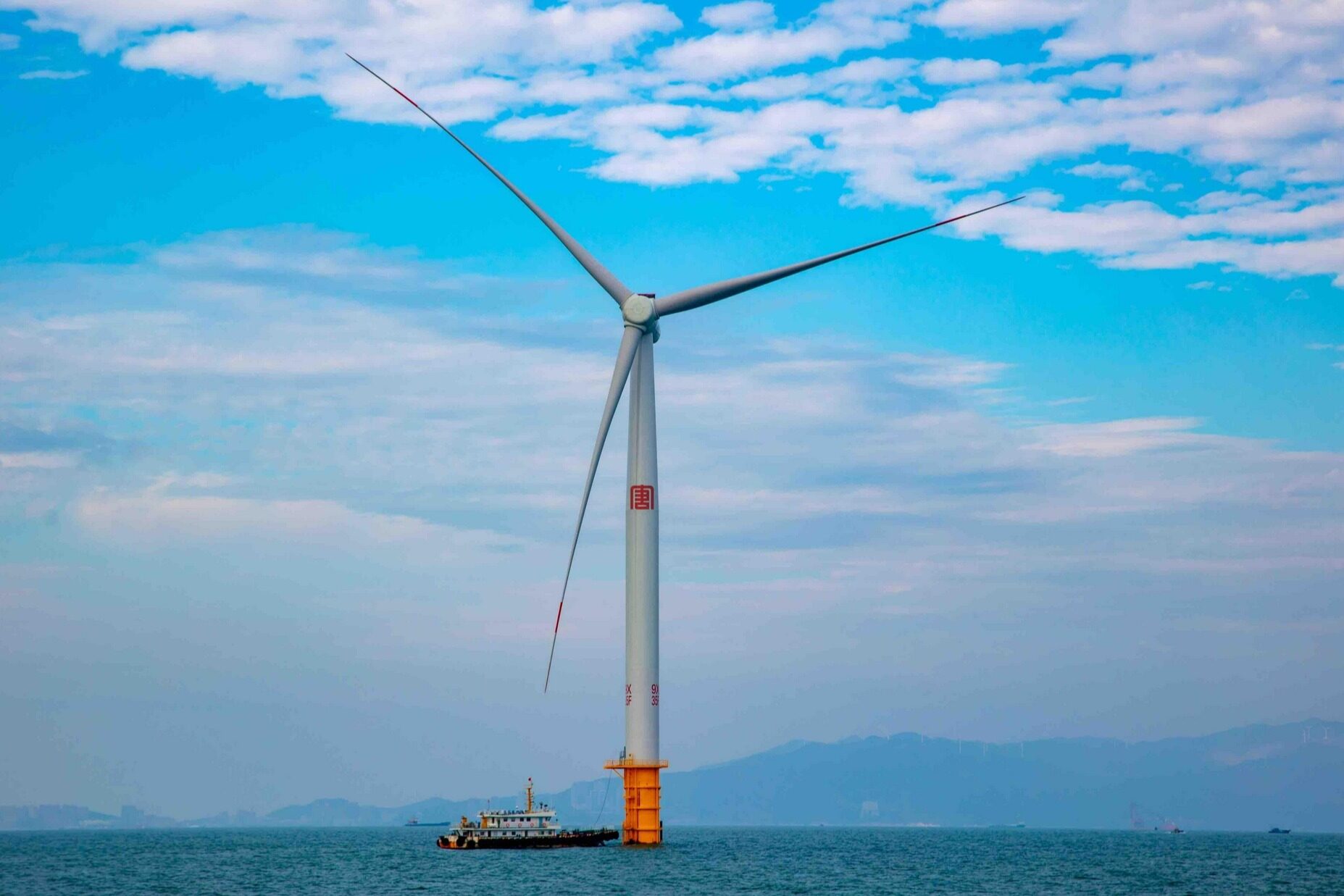
In the global energy transition wave, Chinese state-owned enterprises are becoming a key force in promoting green development. According to reports, in early September 2025, Chinese leaders announced at the "Shanghai Cooperation Organization+" meeting that they will jointly implement new "10 million kilowatt photovoltaic" and "10 million kilowatt wind power" projects with other SCO countries in the next five years. This is the first time that China has explicitly set specific installation targets for overseas renewable energy investment in a multilateral setting, marking the large-scale implementation of China's initiative to promote global energy green transformation since the cessation of new overseas coal-fired power projects in 2021.
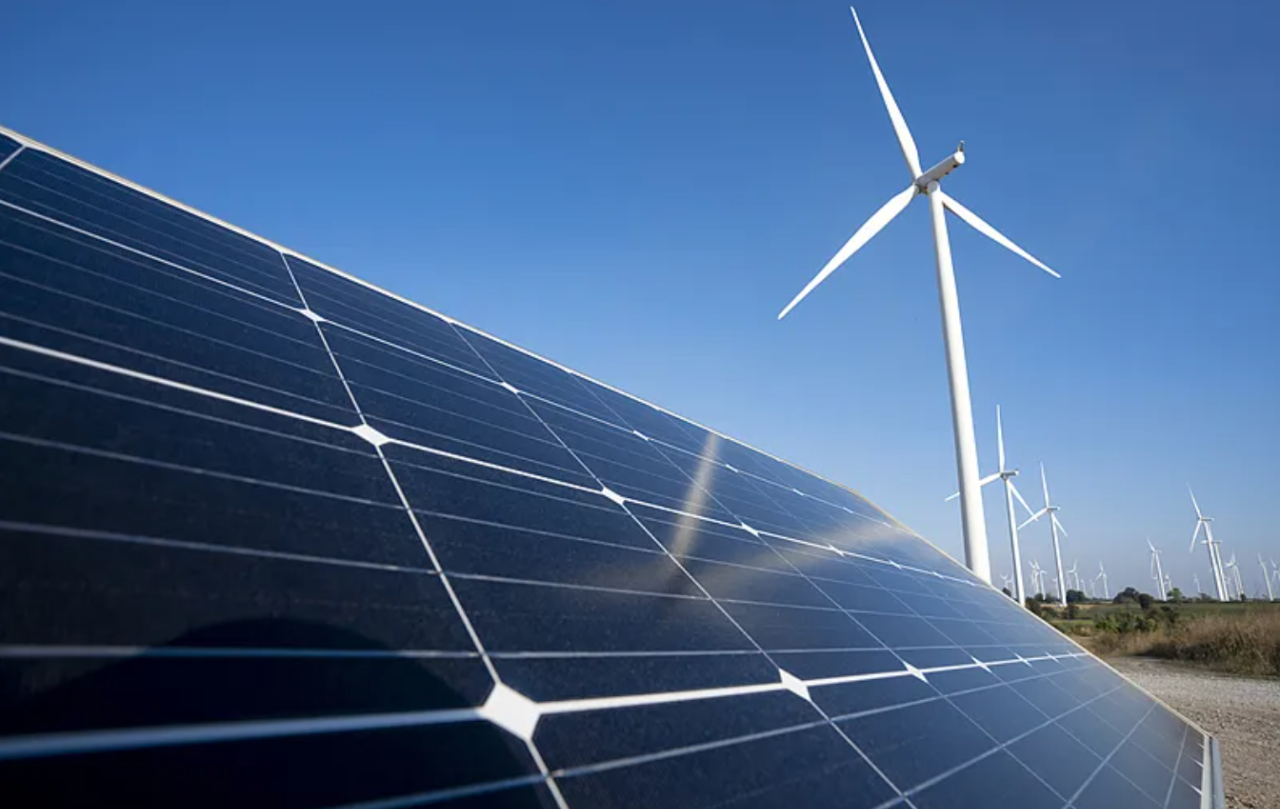
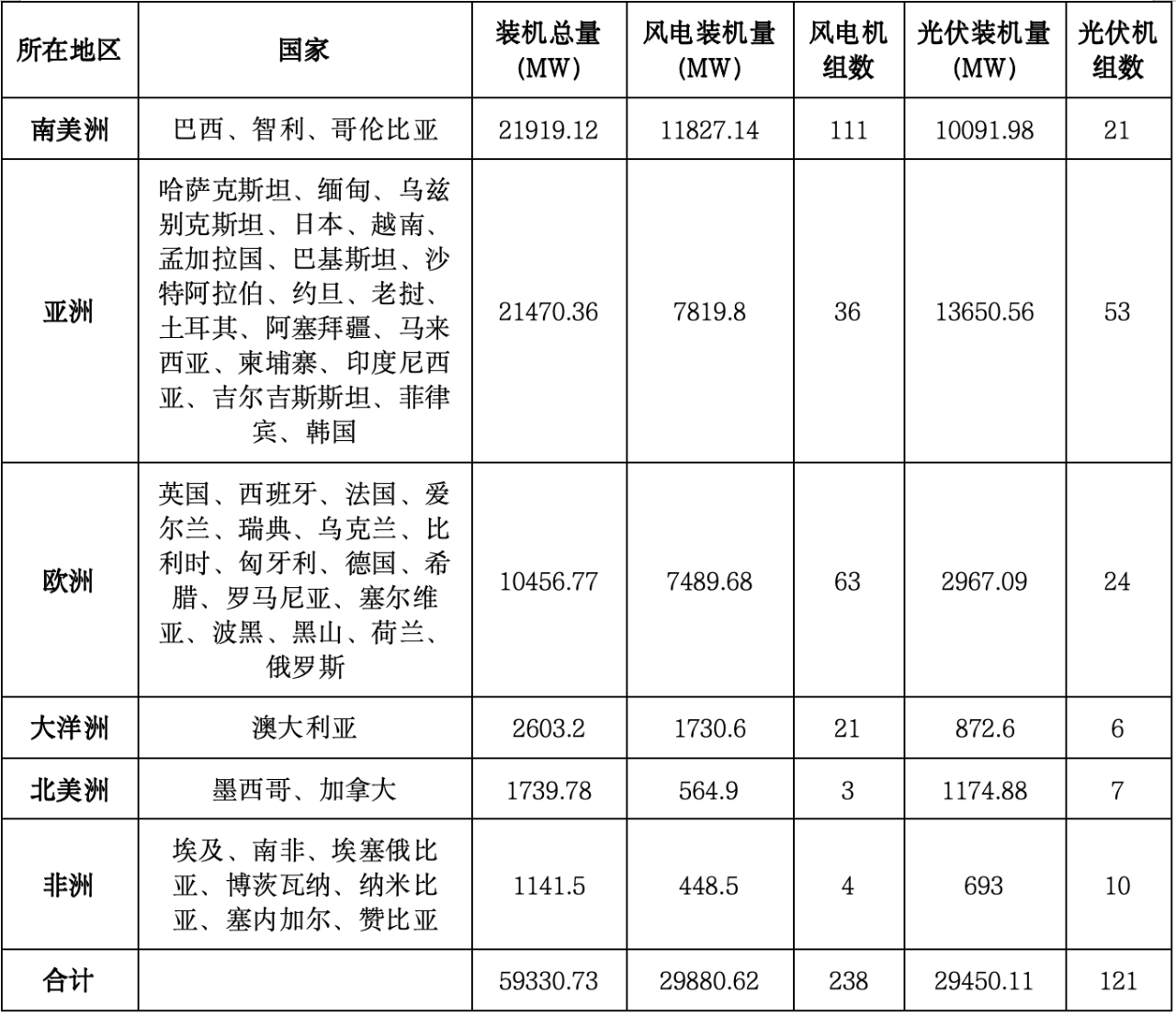
According to Greenpeace's overseas renewable energy database statistics, as of June 30, 2025, Chinese central enterprises have invested in 359 wind and photovoltaic projects in 47 countries worldwide, with a total installed capacity of 59330.73 megawatts (MW), including 29880.62 MW of wind power and 29450.11 MW of photovoltaics. In the past year, investment coverage has increased to eight new countries including Romania, Montenegro, and Laos. Between 2024 and 2025, the newly announced investment installed capacity reached 14841.1 MW, accounting for 25% of the existing total capacity, and the investment pace has significantly accelerated.
From a regional distribution perspective, South America and Asia are investment priorities. The wind power installed capacity is mainly in South America (11827.14 MW), while the photovoltaic capacity is leading in Asia (13650.56 MW). Brazil ranks first in investment, with an installed capacity of 20913.32 MW, accounting for 35% of the global total. The main investors include China General Nuclear Power, State Grid Corporation of China, and China Three Gorges Corporation. Uzbekistan and Kazakhstan, as important markets of the Shanghai Cooperation Organization, have a total installed capacity of 4463 MW and 3965.3 MW respectively. Currently, the total installed capacity of wind and solar power by central enterprises in Shanghai Cooperation Organization member countries has reached 9641.3 MW. In the future, with the promotion of the "10 million kilowatts" target, investment in the region is expected to further expand.
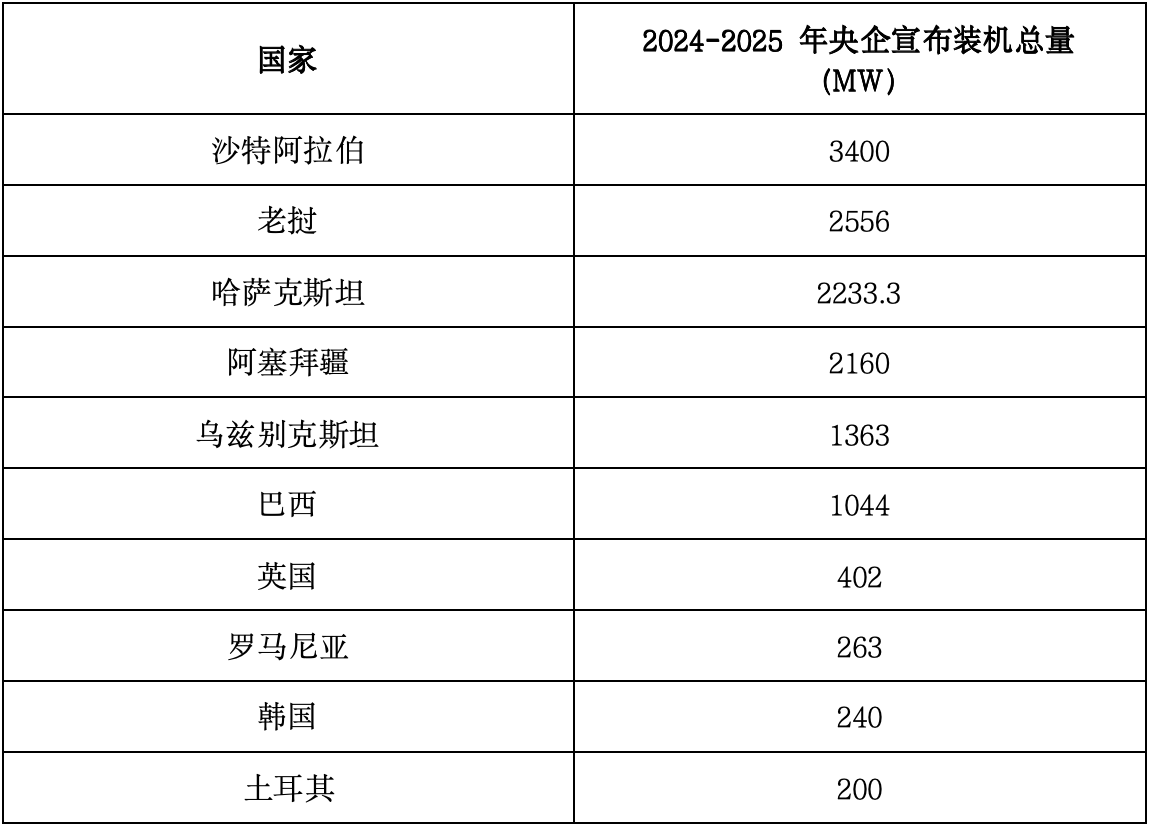
From 2024 to 2025, Saudi Arabia, Laos, Kazakhstan, Azerbaijan, and Uzbekistan will become the top five countries for newly installed capacity of central enterprises. Under the promotion of the China Asia Summit, Chinese enterprises are accelerating their layout in Central Asia, such as the 1 GW photovoltaic project in Uzbekistan becoming the first gigawatt level new energy project in Central Asia.
There are three major characteristics of overseas renewable energy investment by central enterprises: firstly, high regional concentration, with the top five countries (Brazil, Uzbekistan, Saudi Arabia, Kazakhstan, and the United Kingdom) accounting for 62% of the total installed capacity; The second is to adapt to local conditions and layout according to resource endowment, such as focusing on developing photovoltaics in Saudi Arabia and wind power in Europe; Thirdly, multilateral cooperation mechanisms have become important driving forces, such as the Shanghai Cooperation Organization and the China Asia Summit providing policy support for investment.
Currently, a total of 21 state-owned enterprises are participating in overseas investments in wind and solar power. China General Nuclear Power Corporation, State Power Investment Corporation, Three Gorges Corporation, China Energy Engineering Corporation, and National Energy Group rank among the top five, accounting for 79% of the total installed capacity. In the past year, six state-owned enterprises including Datang Group, PetroChina, and China Railway Group have joined the investment ranks, indicating an increasing diversity of investment entities. Taking Datang Group as an example, starting from the first 263 MWac photovoltaic project in Uzbekistan, it quickly expanded to countries such as Zambia and Bangladesh, and signed a 2 GW wind power project in Azerbaijan, becoming a typical example of traditional energy enterprises transitioning to green.
From small-scale power stations in the early days to large-scale projects at the gigawatt level and the promotion of the "wind solar energy storage integration" model, Chinese state-owned enterprises have upgraded from project contractors to deep participants in global green governance, achieving a leap from "going global" to "going global". Editor/Xu Shengpeng
Comment



 Praise
 Collect
 Comment

 Share
Share


Write something~