 Search


- This goal has directly spawned a trillion dollar emerging industry track
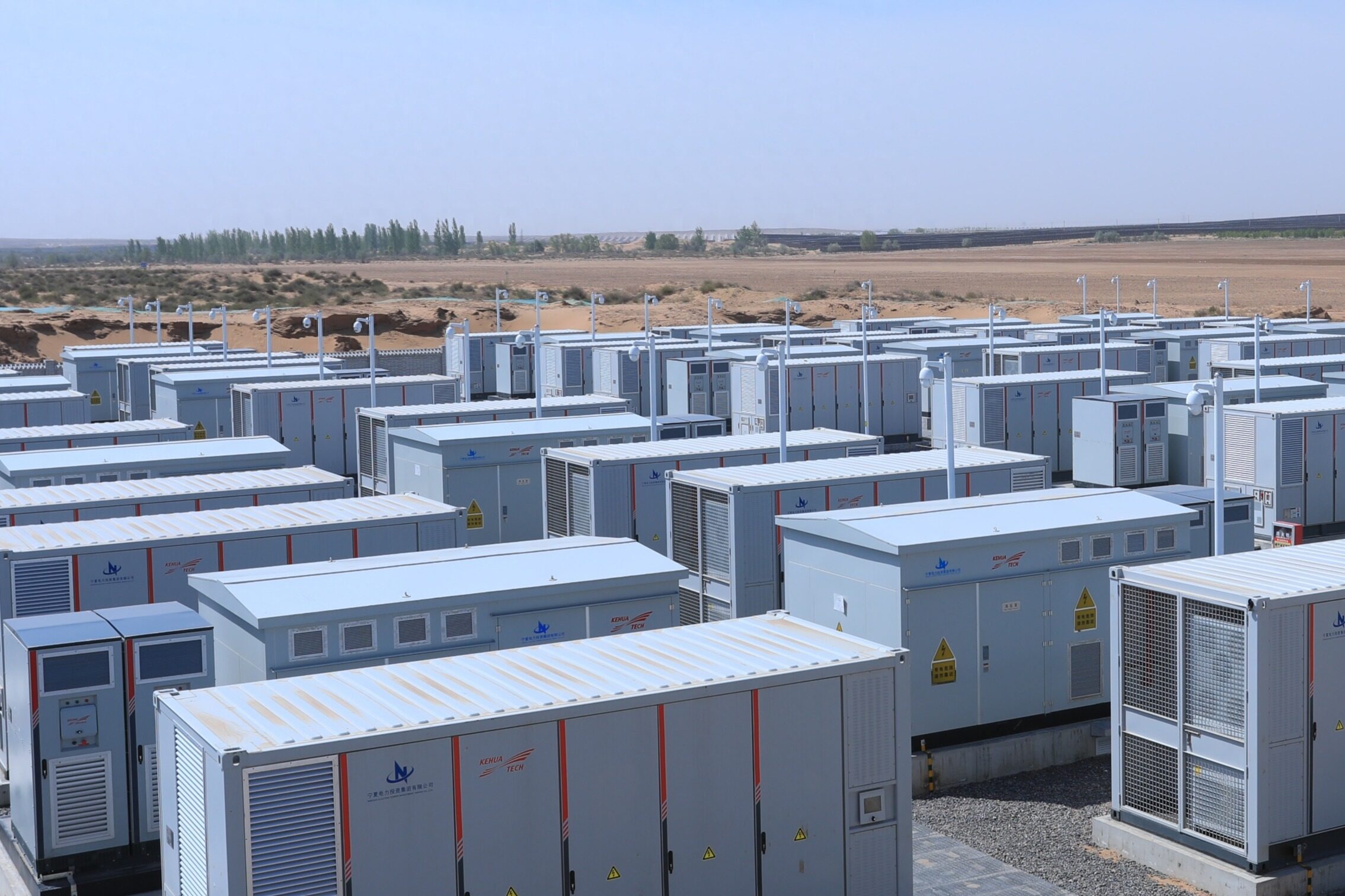
A national level plan aimed at increasing the scale of China's new energy storage to over 180 million kilowatts within the next three years has officially been implemented, igniting a trillion level industry. Recently, the joint release of the "Special Action Plan for the Large scale Construction of New Energy Storage (2025-2027)" by the National Development and Reform Commission and the National Energy Administration has sparked strong market reactions, not only driving the leading stock prices in the A-share energy storage sector to a new high, but also marking a new stage of China's energy transformation driven by "energy storage".
The core goal of the Action Plan is to achieve a new energy storage installed capacity of over 180 million kilowatts (180GW) nationwide by 2027. To achieve this goal, an additional installed capacity of over 100 million kilowatts is required between 2025 and 2027, which is nearly 2.5 times the existing installed capacity at the end of 2024. Based on the current cost of 1200-1500 yuan per kilowatt, the direct investment in equipment alone will exceed 250 billion yuan. If the entire industry chain including battery cells, inverters, system integration and operation is included, the overall market size is expected to exceed one trillion yuan.
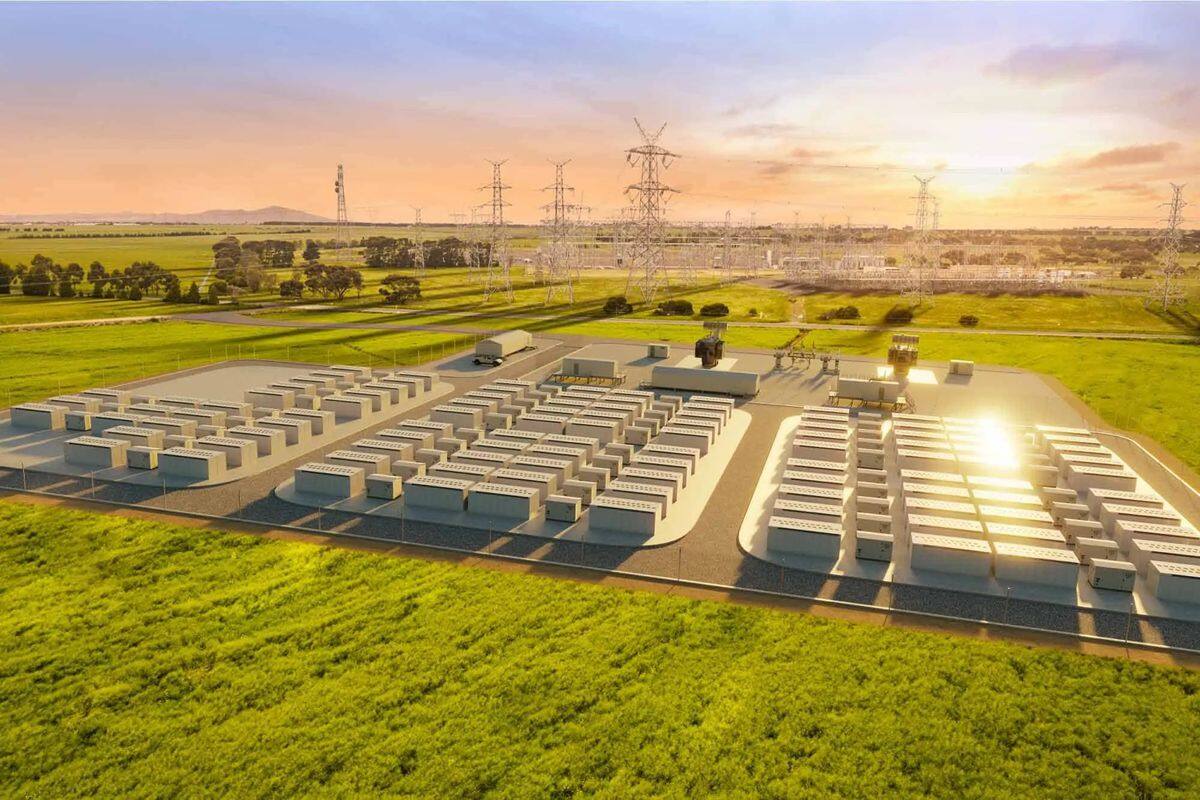
This ambitious goal directly targets the regulatory shortcomings of the current power system. Although the national utilization rate of new energy will remain above 90% in 2024, the phenomenon of wind and solar power curtailment still exists during peak periods of electricity consumption in some areas. The rigid demand for energy storage as a "power buffer" is becoming increasingly prominent, and its large-scale construction has become the key to ensuring efficient consumption of new energy.
Currently, the new energy storage industry has formed a pattern of "lithium-ion battery dominance and diversified technology collaborative development". As of the end of 2024, lithium battery energy storage accounts for 96.4% of the newly installed energy storage capacity that has been put into operation. With its technological maturity and complete industrial chain, it has become the first choice for supporting energy storage in new energy.
At the same time, in order to meet the needs of long-term energy storage and higher safety, diversified technological routes are also accelerating breakthroughs:
Vanadium flow battery: With its advantages of a lifespan of up to 20 years and no risk of combustion and explosion, it is expanding from independent energy storage power stations to high-risk application scenarios such as chemical parks and ports.
Compressed air and flywheel energy storage: With the support of national level technology platforms, we are committed to building a comprehensive energy storage system that combines short-term peak shaving and long-term backup power.
In terms of cost, the price of core raw material lithium carbonate has significantly fallen from its peak and stabilized, directly driving a significant decrease in the cost of energy storage systems. Some business leaders have stated that the cost of energy storage systems has decreased by about 80% compared to three years ago, and in some regions, the cost of energy storage per kilowatt hour has even fallen below 0.2 yuan.
The 'Action Plan' system outlines a comprehensive application blueprint of 'power side+grid side+user side', promoting the transformation of energy storage from a single peak shaving tool to a comprehensive carrier that can create value in multiple scenarios.
On the power side: In large new energy bases such as Xinjiang and Gansu, "wind solar energy storage integration" has become a standard mode, effectively improving the utilization rate of new energy.
Grid side: Building independent shared energy storage power stations in load intensive areas can enhance the resilience of the power grid. For example, the pilot application of "integrated photovoltaic storage network technology" in Jiangsu has successfully increased the on-site consumption rate of regional photovoltaics from 60% to 90%.
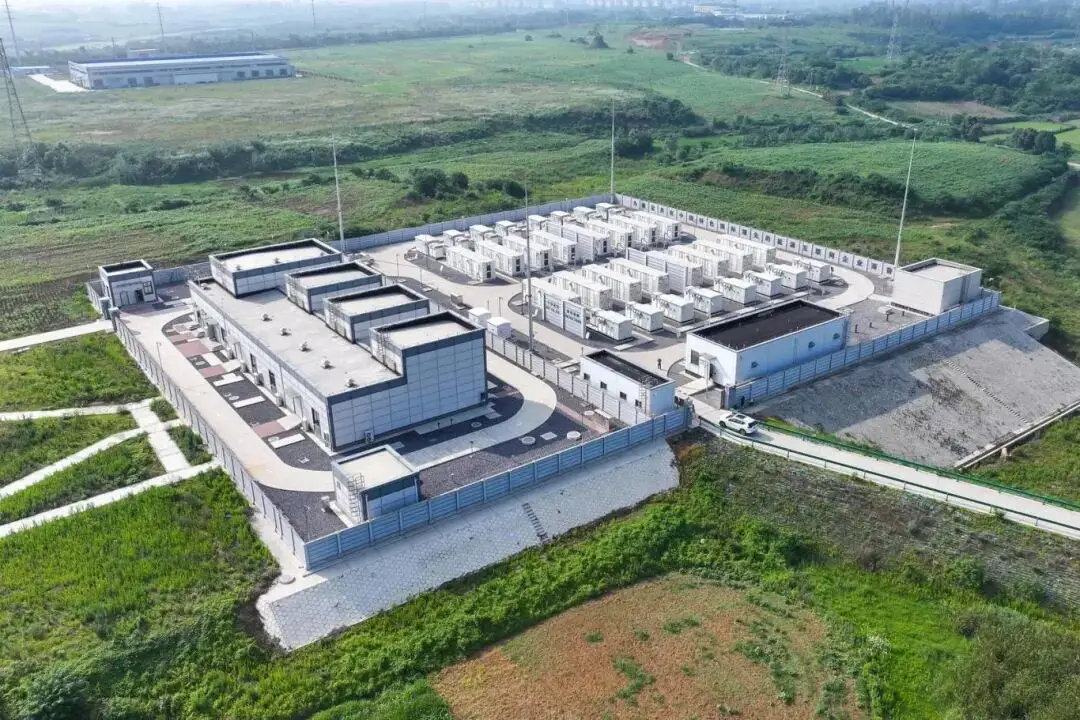
On the user side, energy storage applications are rapidly expanding to industrial parks, computing power centers, integrated light storage and charging power stations, and combining innovative models such as "virtual power plants" and "AI+energy storage" to achieve dual value of ensuring power supply and creating revenue.
The profit model of energy storage is shifting from relying on subsidies to a diversified income structure driven by the market. The Action Plan clearly supports the full participation of energy storage in electricity market transactions. At present, 22 provinces, regions and municipalities across the country have introduced supporting rules, which significantly improve the economic efficiency of energy storage projects through various combination models such as capacity compensation, auxiliary services, and spot market price differences.
Practical cases have shown that through composite models such as "capacity leasing+electricity spot trading", the investment payback period of energy storage projects can be shortened from 5 years to around 3.2 years. Industry experts point out that energy storage can serve power sources, power grids, and users simultaneously, greatly expanding its revenue channels, which is the core of achieving commercial sustainable development.
Under the dual drive of "policy+market", China's energy storage industry is entering an explosive growth period. The market bidding data has surged several times year-on-year, and leading enterprises are expanding their production and capacity. Industry institutions predict that by 2030, the cumulative installed capacity of new energy storage in China will reach 236GW to 291GW, with a compound annual growth rate of over 20% in the next five years, and the industry's total output value is expected to exceed 3 trillion yuan.
At the global level, by the end of 2024, China's cumulative installed capacity of new energy storage has accounted for over 40% of the world's total, firmly ranking first in the world. With the implementation of the Action Plan, China will not only continue to lead in market size, but also contribute "Chinese wisdom" and "Chinese solutions" to the world in terms of technical standards and commercial applications. Editor/Xu Shengpeng
Comment


 Praise
 Collect
 Comment

 Share
Share


Write something~