 Search


- Electric hydrogen collaboration is injecting strong momentum into the construction of new power systems
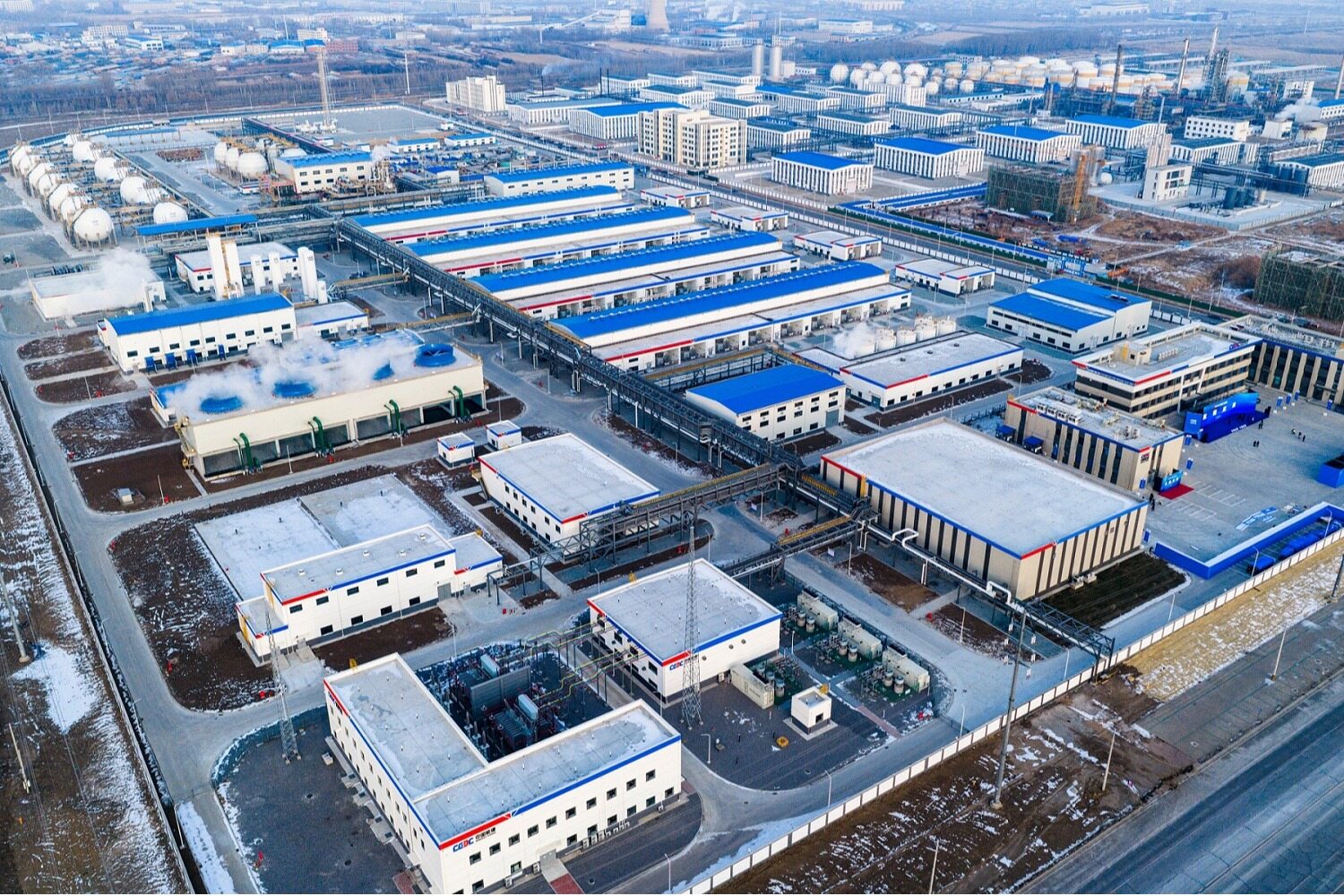
On the vast Gobi Desert in Inner Mongolia, photovoltaic panels shine brightly in the sunlight. Not far away, a green electricity hydrogen production demonstration project is quietly running - the "green hydrogen" produced here will not only be used for local industrial decarbonization, but may also provide clean fuel for coal-fired power units along the eastern coast through dedicated pipelines spanning thousands of miles in the future. This scene is a microcosm of the accelerated landing of the coordinated development of electric hydrogen on the land of China.
Accelerate the formation of national layout
In 2019, "promoting the construction of charging, hydrogenation and other facilities" was first included in the government work report. In 2022, the "Medium - and Long Term Plan for the Development of Hydrogen Energy Industry (2021-2035)" further clarified the strategic positioning of hydrogen energy. In October 2025, the National Energy Administration issued a document proposing to enhance the coordinated development level of "wind solar hydrogen storage" and steadily build a comprehensive industrial base for green hydrogen based energy. In the outline of the 15th Five Year Plan, hydrogen energy is listed as one of the future economic growth points.
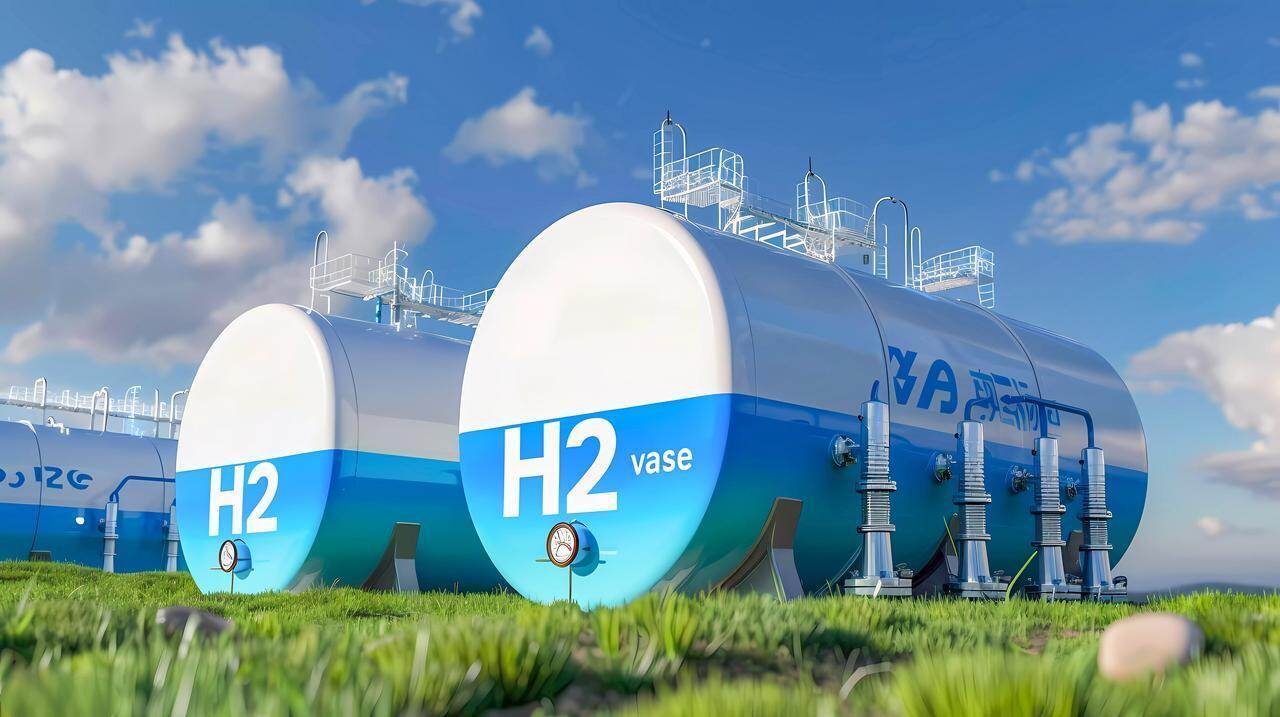
Clear policy targets: Encourage "wind and solar power generation+hydrogen energy storage", green electricity hydrogen production, ammonia alcohol integration, and new energy off grid hydrogen production; List hydrogen energy storage as a key direction for new energy storage; The co firing of biomass and green ammonia is listed as the core path for low-carbon transformation of coal-fired power plants.
Various regions have also followed suit. Jiangsu builds the Yangtze River Delta Hydrogen Energy Innovation Center; Fujian is building a coastal hydrogen energy economic corridor with Fuzhou and Xiamen as the core; Sichuan utilizes clean energy to build large-scale hydrogen production bases and establish a hydrogen transportation system; Anhui is cultivating leading enterprises and promoting hydrogen vehicles... A pattern of "national unity and regional characteristics" is taking shape.
How to break through on the road to scale?
Although the momentum is good, in order to achieve scale, the synergy between electricity and hydrogen still needs to solve three major problems: economic efficiency, industrial chain synergy, and policy and market mechanism synergy.
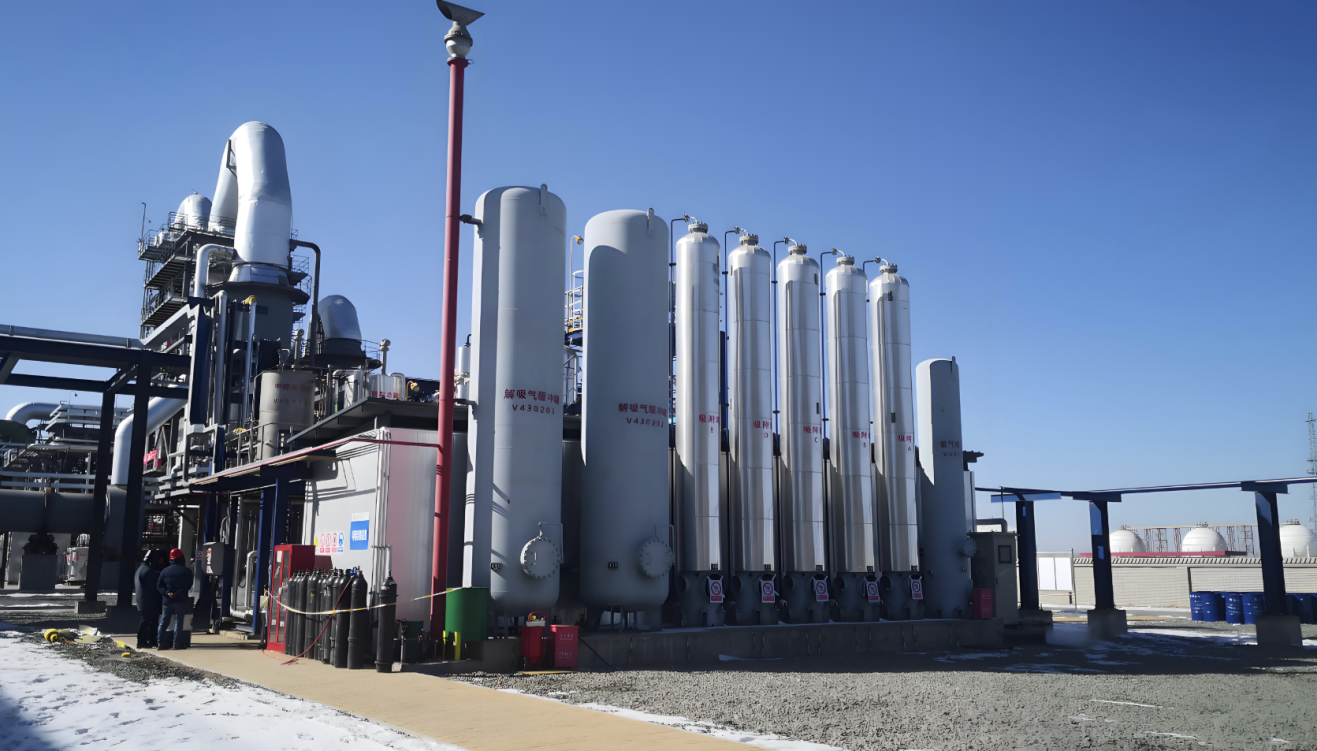
At present, the cost of green electricity accounts for about 70% of the cost of green hydrogen production. Although the green hydrogen economy in new energy rich areas such as Inner Mongolia and Liaoning has shown initial signs, the overall cost is still relatively high. Technological constraints and insufficient production capacity have driven up initial investment, and the cost per kilowatt hour of hydrogen storage is also difficult to compete with mature technologies such as pumped storage and compressed air storage in the short term.
In terms of industrial chain collaboration, China's clean energy resources are mostly concentrated in the western region, while hydrogen energy demand is mainly in the central and eastern regions. At present, there is still a lack of economically feasible technology for large-scale long-distance hydrogen transportation, and the construction of long-distance pipeline networks is still in the exploratory stage.
Policies and market mechanisms also need to strengthen coordination. For example, although the ammonia blending transformation of coal-fired power plants is required, it is not mandatory, and some companies may choose to purchase carbon quotas instead of retrofitting equipment. The interaction mechanism between hydrogen energy storage and the power grid is not yet perfect, which also affects project revenue.
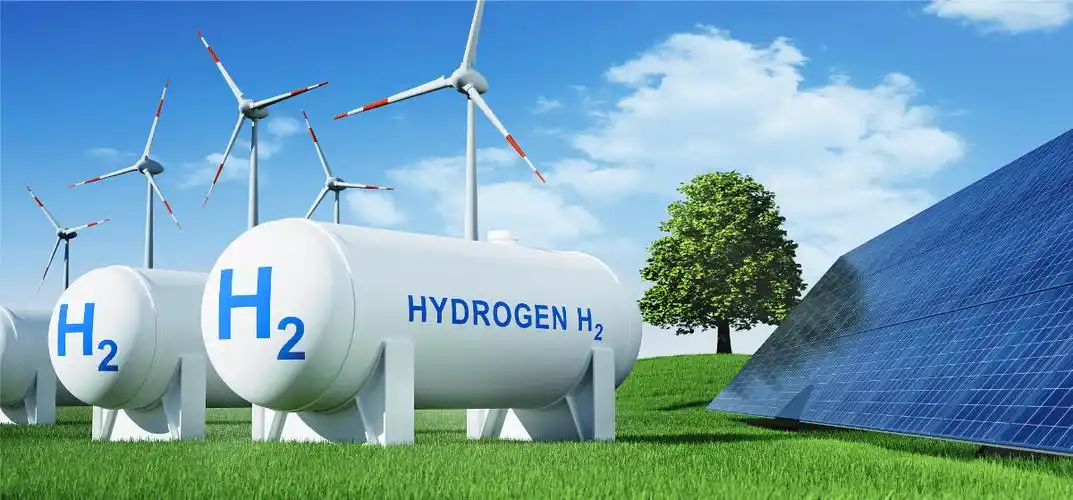
Integrating technology, policy, and planning in three directions
To solve the problem, we need to work together from three aspects:
Strengthen technological breakthroughs and enable a deep dialogue between hydrogen energy and the power grid. Power grid enterprises need to focus on key technologies such as core materials for electrolytic cells and fuel cells, and improve the localization rate and efficiency of equipment. At the same time, we will develop stable control and grid connection technology for electric hydrogen hybrid energy storage systems, explore the application of hydrogen energy storage in auxiliary service markets such as grid peak shaving, emergency backup, and voltage support, and fully leverage its advantages of "peak shifting and valley filling" and long-term energy storage.
Improve policy mechanisms and stimulate the drive for enterprise transformation. Government departments can optimize the allocation of carbon market quotas and provide more reasonable quotas for coal-fired power units undergoing low-carbon transformation; Optimize the market clearing mechanism for retrofitting units to ensure their power generation space and revenue. In terms of resource security, we will advance the layout of green hydrogen transmission channels in Northeast, Northwest, and North China to reduce transportation costs; Accelerate the clarification of specific mechanisms for hydrogen storage to participate in power grid regulation, encourage integrated wind solar hydrogen storage projects to participate in peak shaving, and broaden revenue channels.
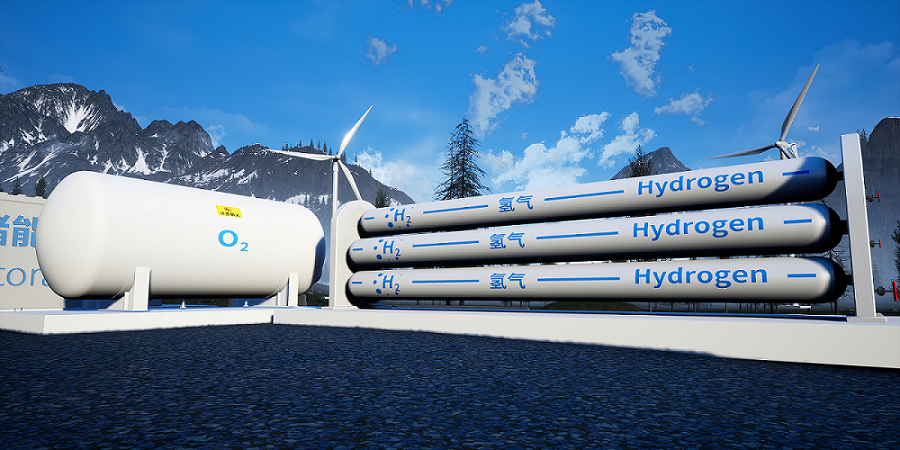
Overall planning demonstration, exploring replicable operational models. At the beginning of power grid planning, hydrogen energy demand was considered, and "electricity hydrogen heat" multi energy complementary demonstration projects were reasonably laid out in new energy enrichment areas and load centers. Timely summarize existing demonstration experiences and extract replicable models. Explore the use of existing or planned transmission channels, pilot demonstrate the feasibility of new energy transmission modes such as "West East Hydrogen Transmission", and optimize the allocation of energy resources nationwide.
With technological breakthroughs, policy improvements, and accelerated industrial chain collaboration, the synergy between electricity and hydrogen is injecting strong momentum into the construction of new power systems, helping China's high-quality energy development reach a new level.Editor/Yang Meiling
Comment



 Praise
 Collect
 Comment

 Share
Share


Write something~