 Search


- Intelligent technology empowers transmission infrastructure investment, driving the power industry towards a sustainable future
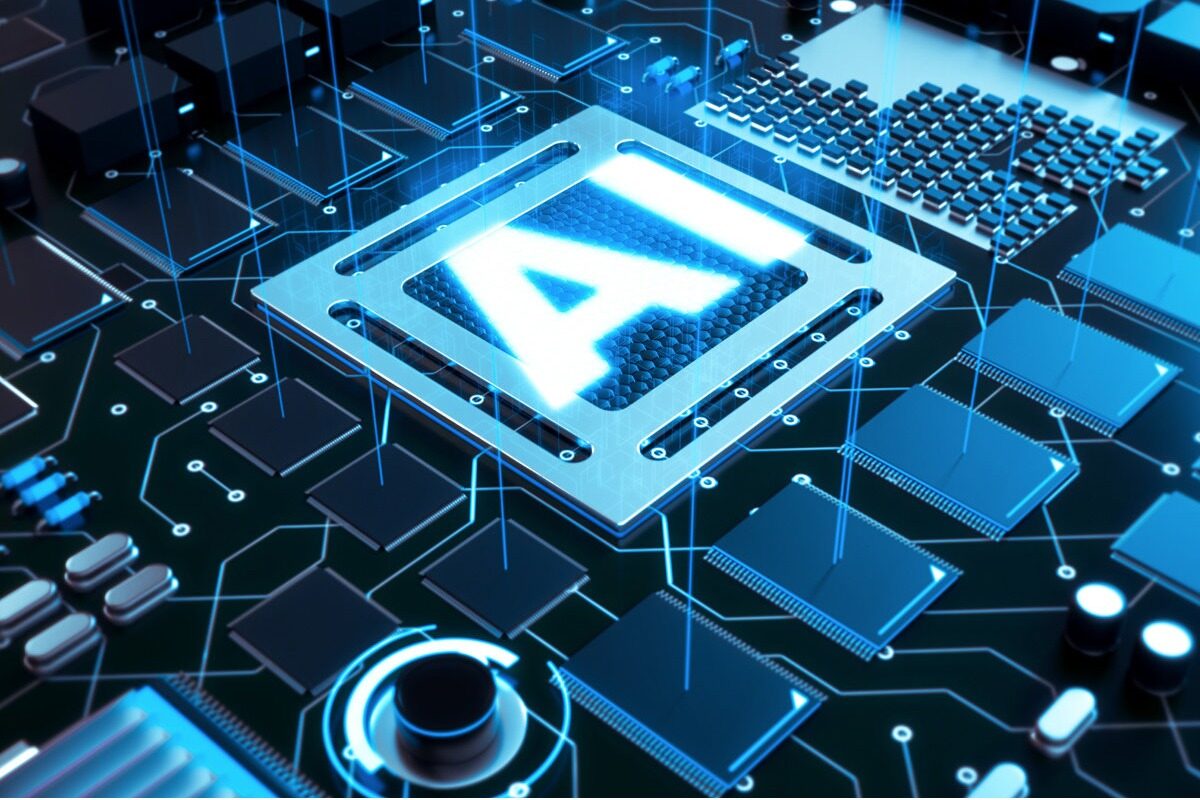
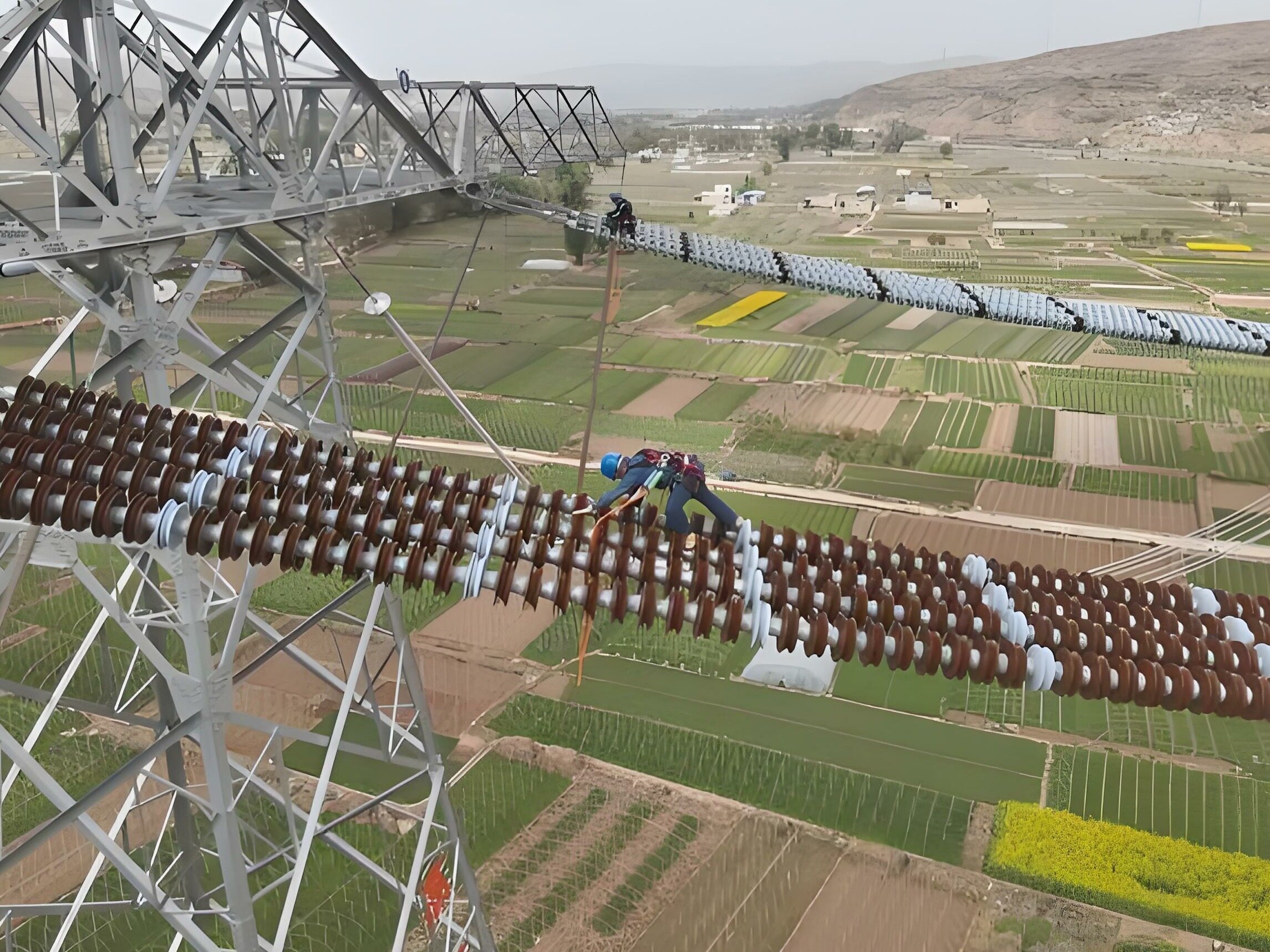
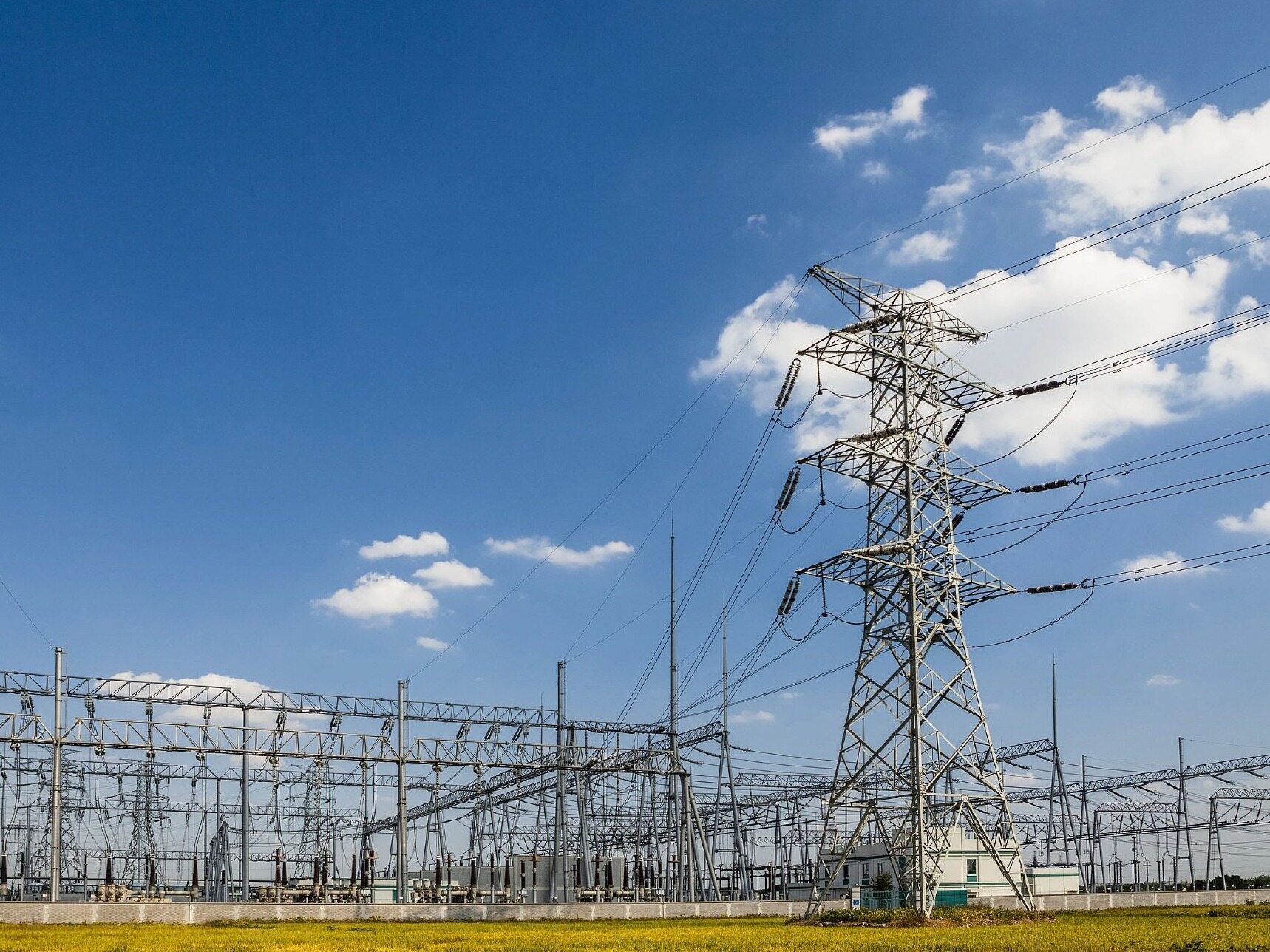
In the current era of increasing demand for smart grids, the growth of investment in transmission infrastructure is accelerating, and the power transmission market is expected to experience strong expansion in the 2030s. There are multiple powerful driving forces behind this thriving development trend.
The government's measures have played a key leading role in actively promoting the transformation and development of the energy sector. At the same time, the large-scale integration of renewable energy is urgent, requiring a strong power grid to support its stable access and efficient transmission. Improving the resilience and efficiency of the power grid has also become a top priority to ensure the reliability of power supply in various complex situations. In addition, the widespread application of cutting-edge technologies such as smart meters, artificial intelligence (AI), and the Internet of Things (IoT) has injected strong impetus into the intelligent upgrading of the power grid.
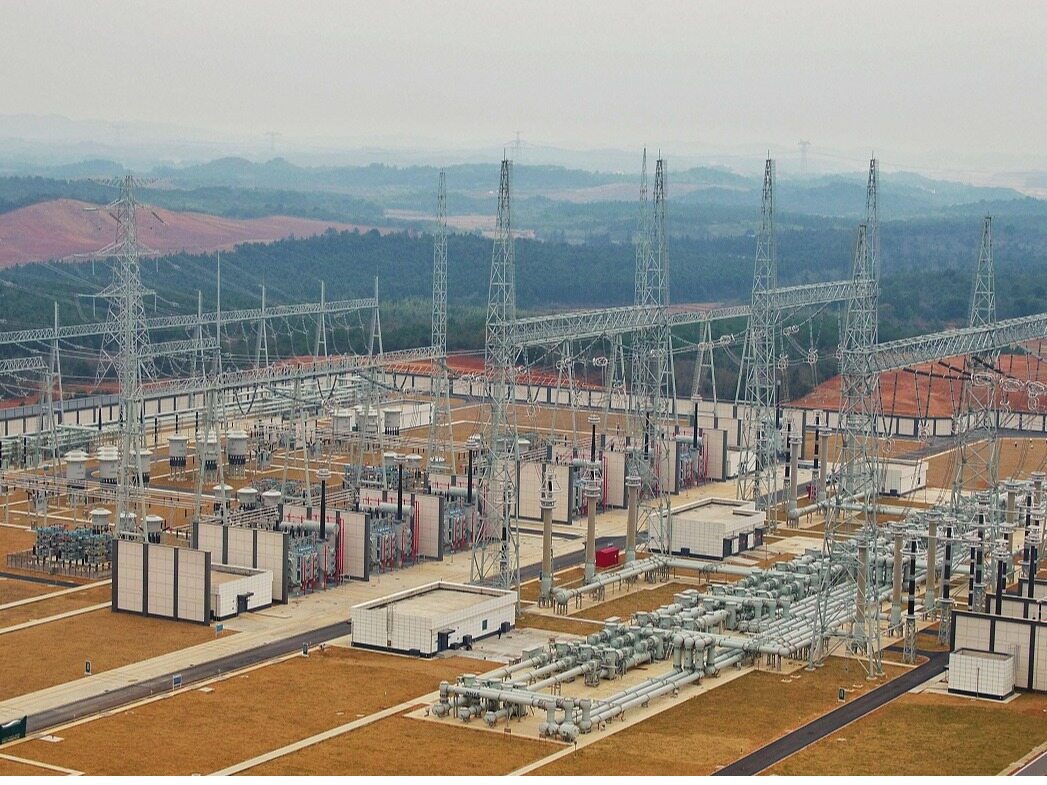
According to authoritative data from leading data and analysis company GlobalData, transmission investment is showing a significant growth trend. In 2024, transmission investment has reached $343.2 billion, an increase of 10.5% compared to 2023. Among them, substations account for a significant portion, with an investment of up to 246.4 billion US dollars, while the investment in transmission lines is 96.4 billion US dollars. Moreover, this growth momentum is expected to continue, increasing from $372.6 billion in 2025 to $573.7 billion in 2030, with a compound annual growth rate (CAGR) of 9.2% for transmission investment between 2025 and 2030.
Artificial intelligence has shown great potential in improving the performance of smart grids. Global Data's power analyst, Rehan Hillerdahl, pointed out that artificial intelligence, with real-time data and algorithms, can accurately predict demand, achieve predictive maintenance, and efficiently integrate renewable energy. It optimizes the flow of electricity, balances supply and demand, automates the response to grid instability, effectively prevents equipment failures, thereby reducing power outages, lowering energy waste, and building a more reliable and sustainable grid.

Many companies are also actively participating in this wave of change. NVIDIA and Utilidata collaborate to develop software defined smart grid chips, making regional power grids more intelligent and efficient. Duke Energy, a utility company, utilizes artificial intelligence and machine learning technology to improve fleet management and predictive maintenance in its operations. Xcel Energy uses eSmart Systems' AI based "Grid Vision" software to visualize and analyze the status of power lines and substations. E. ON develops machine learning algorithms to predict the maintenance needs of medium voltage cables in the power grid and reduce power outages. Southern Company applies artificial intelligence through the WeaveGrid platform to support the integration of electric vehicles (EVs) with the power grid, optimize energy allocation, and assist in the planning of electric vehicle infrastructure. Keywords: infrastructure construction
It can be foreseen that with the continuous increase in investment in transmission infrastructure, the smart grid will usher in a more brilliant stage of development, laying a solid foundation for the sustainable development of global energy.Editor/Cheng Liting
Comment

 Praise
 Collect
 Comment

 Share
Share


Write something~