 Search


- Johor, Malaysia has approved 42 data center projects with a total investment of RM164.4 billion. It is expected that by 2035
- The scheme using green technologies such as air cooling will be given priority approval. This transformation indicates that the core
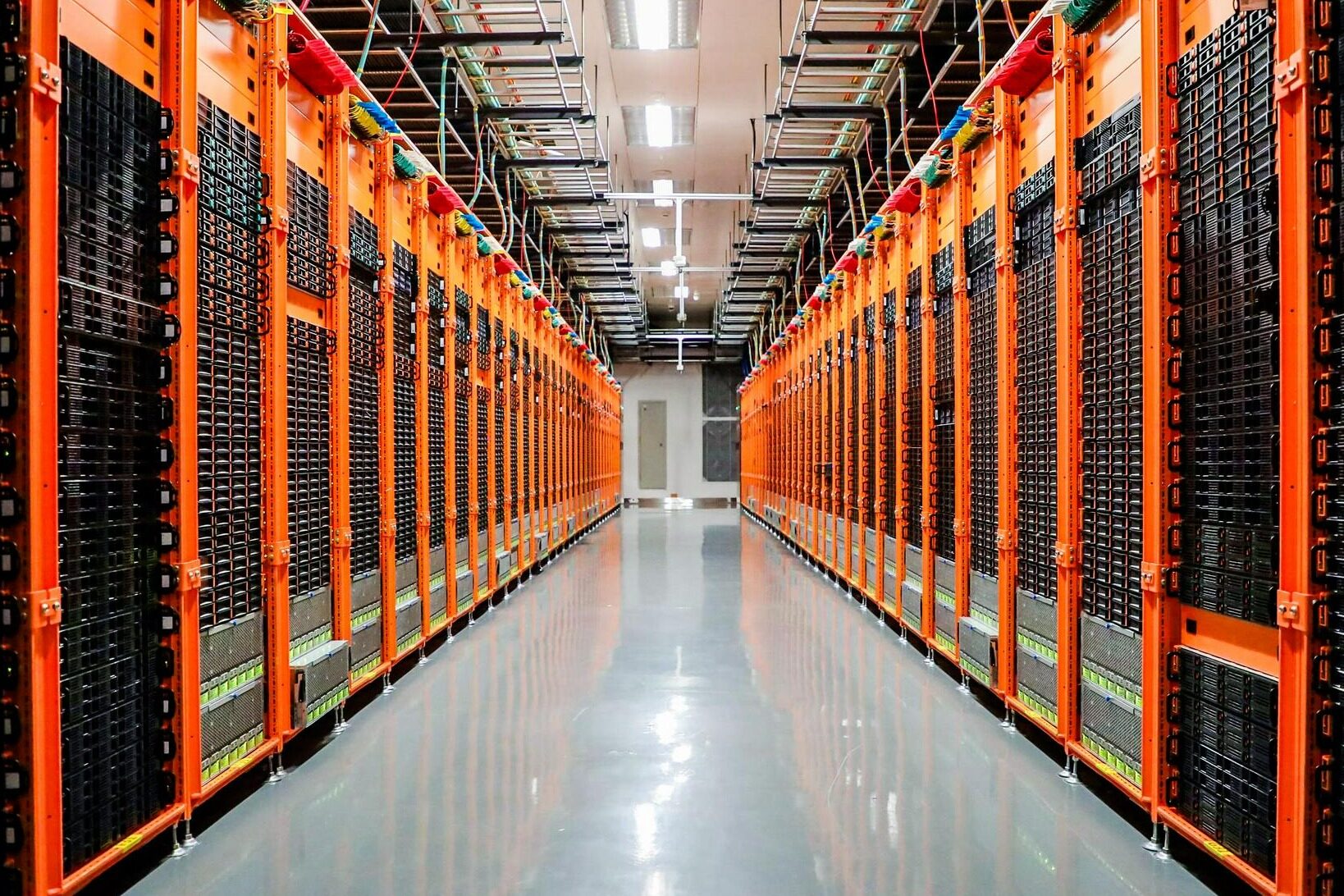
Johor, Malaysia, once a sought after "golden zone" by international data center investors, has reached a critical turning point by the end of 2025. Faced with the pressure of water and electricity resources brought about by the rapid expansion of the data center industry, the local government has made a difficult and resolute decision: to suspend the approval of all low energy efficiency and high water consumption data center projects. This move is like a stone thrown into a calm lake, causing widespread ripples in the global digital infrastructure field about sustainable development and resource carrying capacity.
Emergency braking under dual pressure of water and electricity
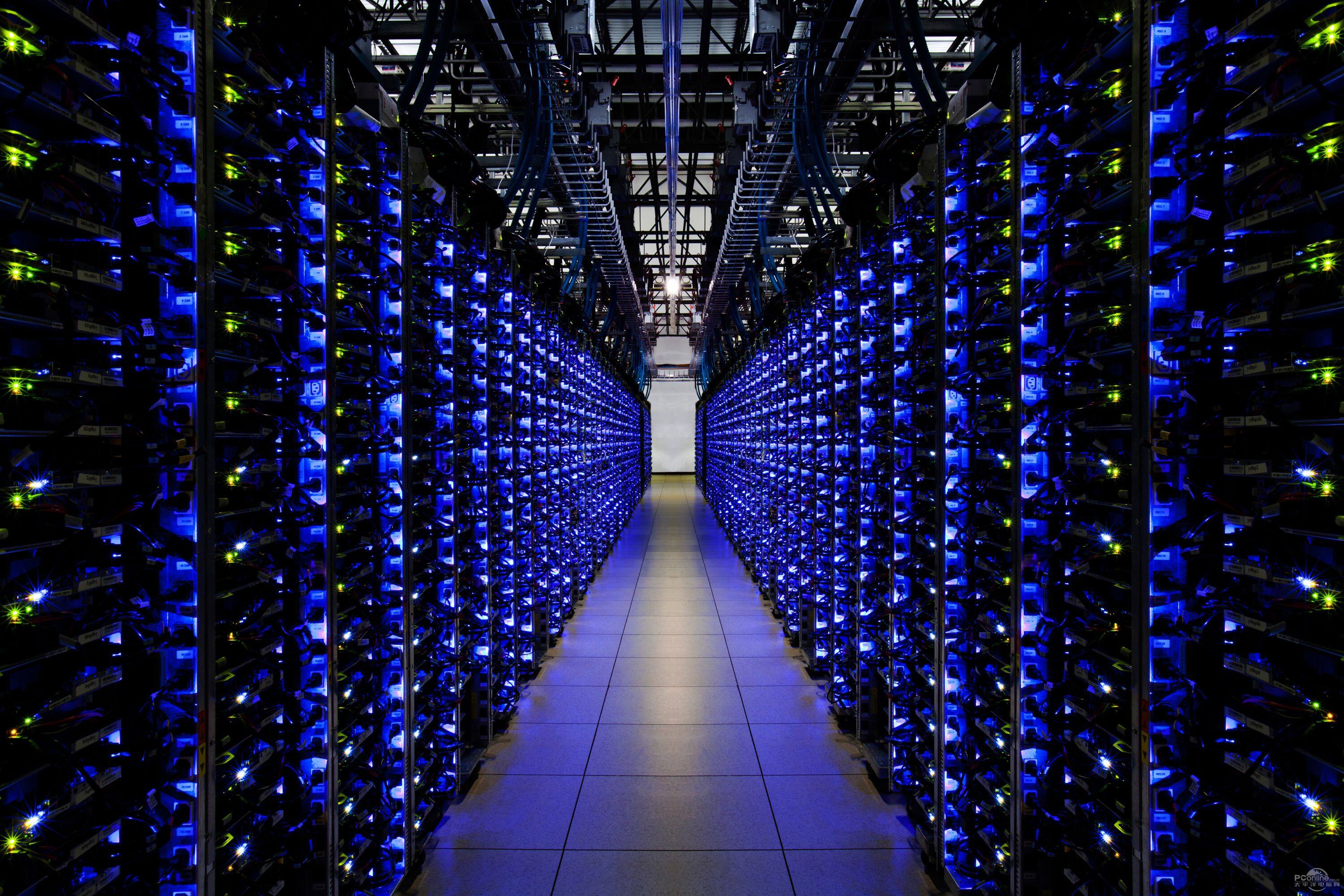
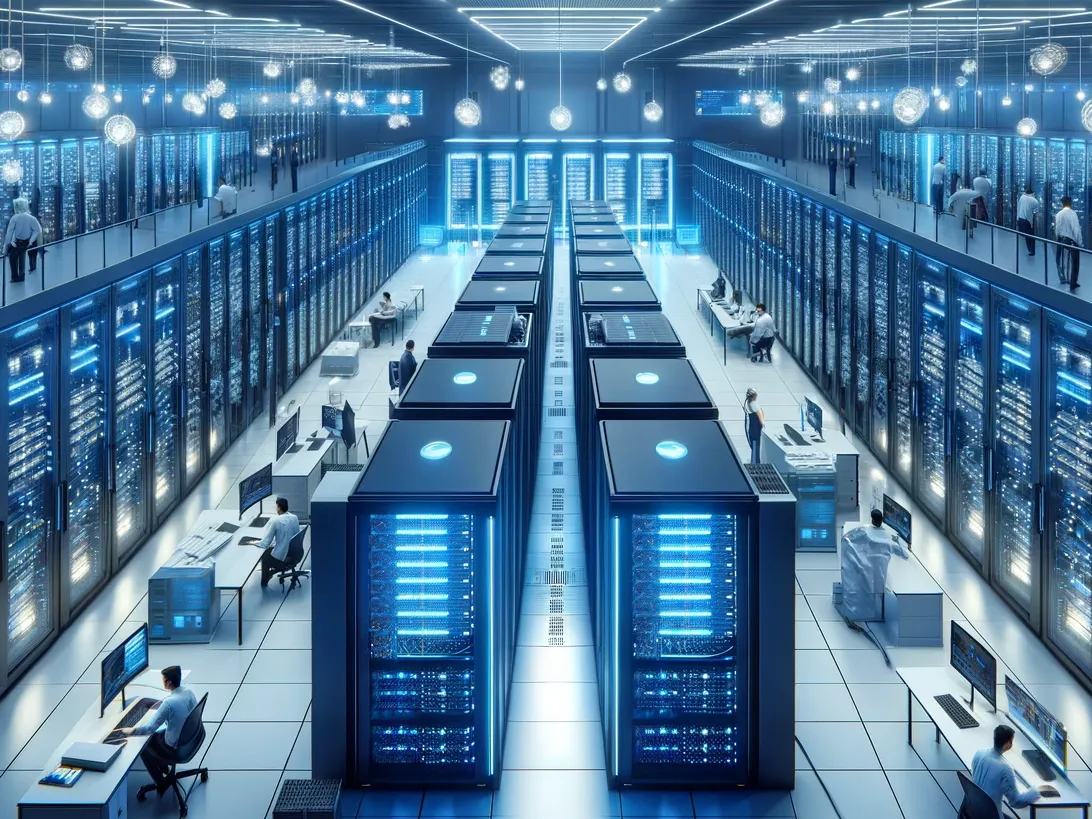
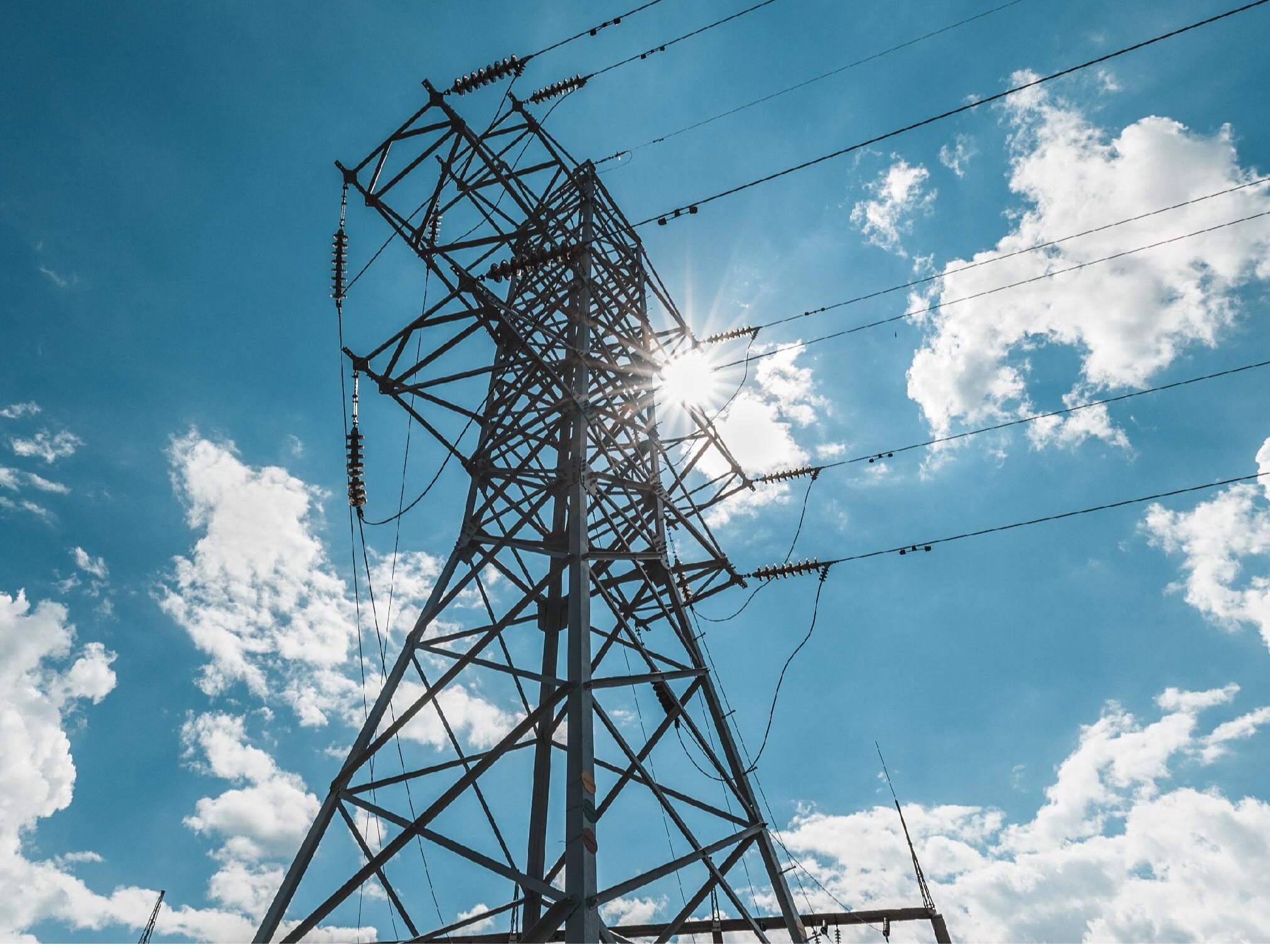
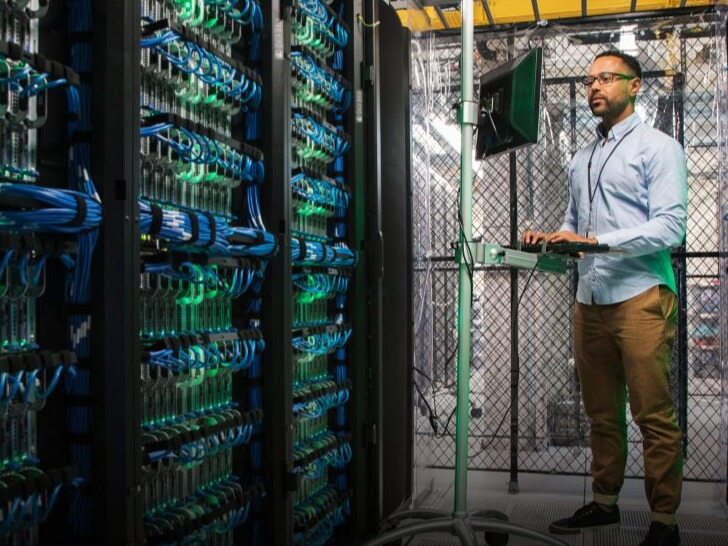
In the past few years, thanks to the surge in demand for cloud computing and artificial intelligence, Johor has rapidly emerged as a data center hub in Southeast Asia. By 2025 alone, the state has approved up to 42 data center projects with a total investment of RM164.4 billion, expected to create over 6000 job opportunities. However, behind the prosperity lies a crisis. Traditional data centers, especially cooling systems that rely heavily on water resources, pose a severe challenge to local water and electricity supply. According to government estimates, if not controlled, the daily water consumption could reach hundreds of millions of liters by 2035. Faced with the pressure of reality, the Johor state government officially suspended the approval of low energy efficiency data centers in November 2025, pressing the pause button for this' barbaric growth '.
Expanding from quantity to prioritizing quality
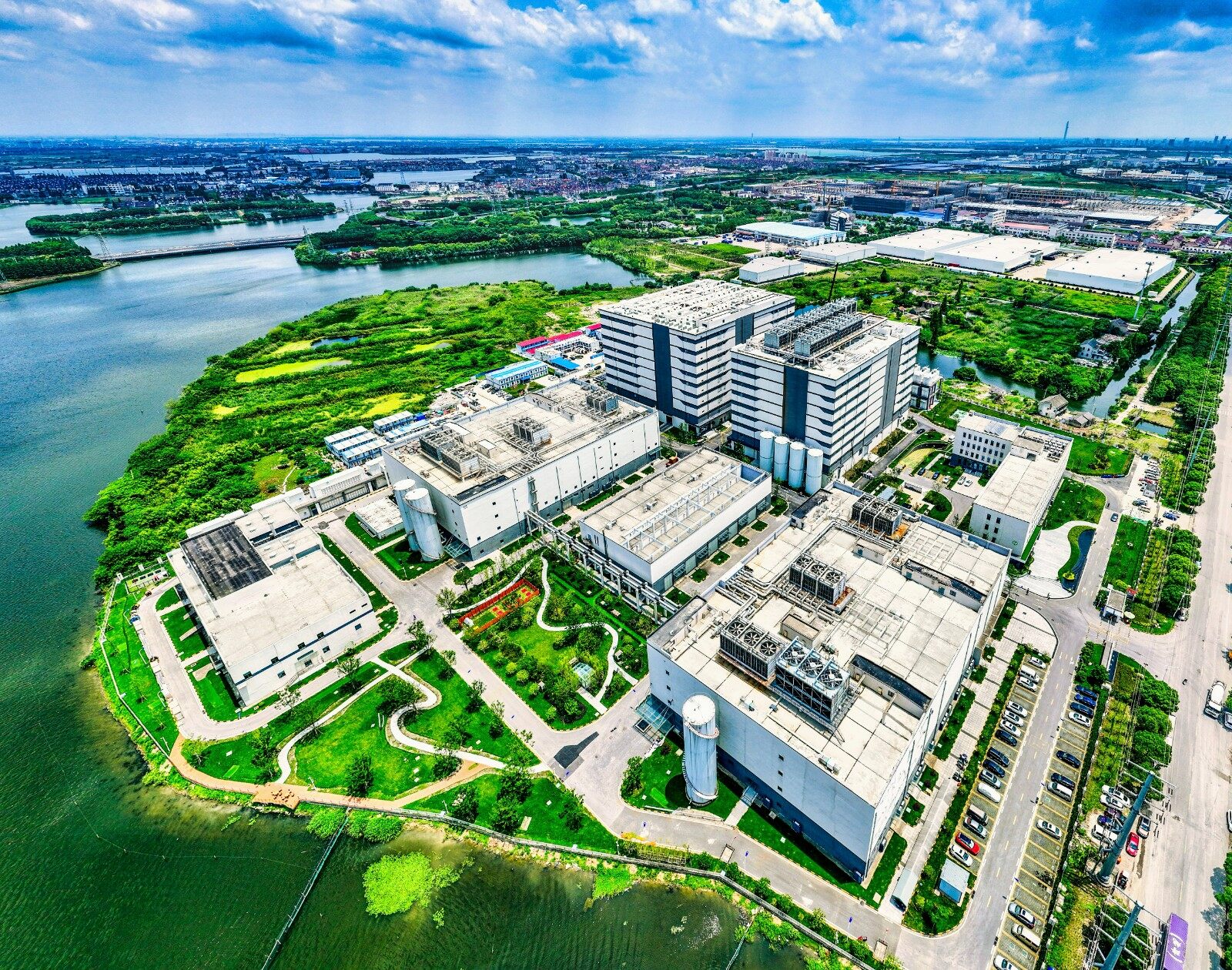
This policy shift marks a new stage in the development of Malaysia's data center industry from "rapid expansion" to "high-quality and prudent". According to reports, multiple project applications have been rejected due to inability to prove their energy-saving and water-saving capabilities. The government provides clear guidance and encourages new construction projects to adopt water-saving technologies such as air cooling, while taking into account energy consumption, environmental impact, and long-term sustainability. This forces investors and operators to reassess their business models, placing green design and resource efficiency above cost and speed. The industry is undergoing a profound self-renewal, and only those companies that can translate their environmental commitments into practical technological solutions can gain a ticket to the future.
Green cooling and intelligent planning become standard equipment
This crisis has sounded the alarm for the global digital economy: expansion without resource carrying capacity is difficult to sustain. The future path is becoming increasingly clear, which relies on a comprehensive solution of "green cooling+smart planning+renewable energy". In practice, there have been pioneers, such as an international cloud service provider who integrated air cooling, rooftop solar energy, battery energy storage, and cooling water recycling technologies in their submitted proposal, thus receiving high praise and priority approval from the government. This indicates the formation of a new standard - sustainability is no longer an option, but a core competitiveness and hard threshold for data center operation. The next stage of growth in the digital economy will inevitably be based on a smart foundation of harmonious coexistence with the natural environment. Keywords: construction news, engineering information platform
The policy adjustment in Johor this time is not only a regional resource management case, but also a global industrial inspiration. It indicates that the true prosperity of the digital economy must deeply integrate development speed with resource responsibility, technological innovation, and environmental sustainability. When "green" becomes the new infrastructure standard, the balance between the digital world and the physical world can become possible, and technological progress can truly serve the long-term well-being of human society. Editor/Yang Beihua
Comment


 Praise
 Collect
 Comment

 Share
Share


Write something~