 Search


- This project will strengthen the leading position of Chinese enterprises in the Middle East oil and gas engineering market
- The project will help Iraq achieve its goal of producing 9 million barrels of crude oil per day by 2030
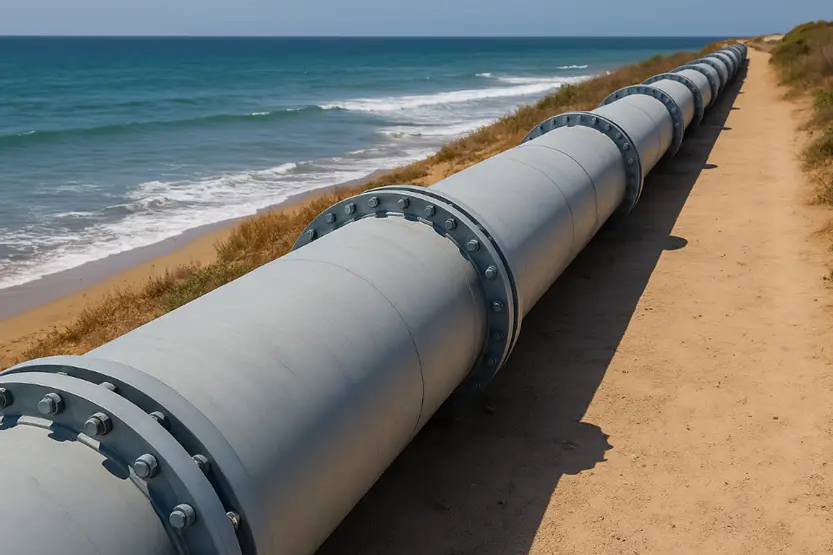
On September 25, 2025, China Petroleum Engineering Co., Ltd. issued a heavyweight announcement that its wholly-owned subsidiary, China Petroleum Pipeline Engineering Co., Ltd., has officially signed an EPC contract for the Basra Province seawater transportation pipeline project with Iraq's Basra Oil Company (BOC), with a contract amount of 2.524 billion US dollars (approximately 18.032 billion yuan), approaching the latest market value of 18.93 billion yuan of CNPC Engineering.
950 kilometer pipeline breaks the bottleneck of oilfield water supply
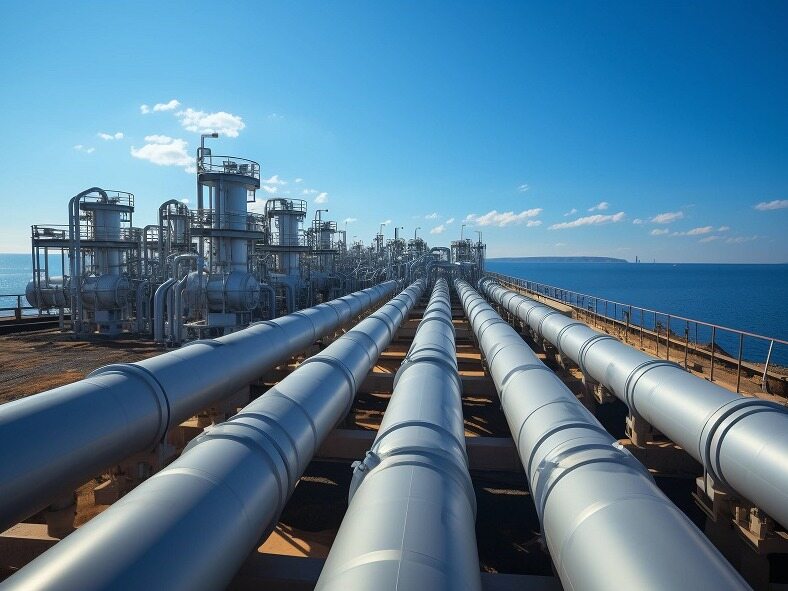
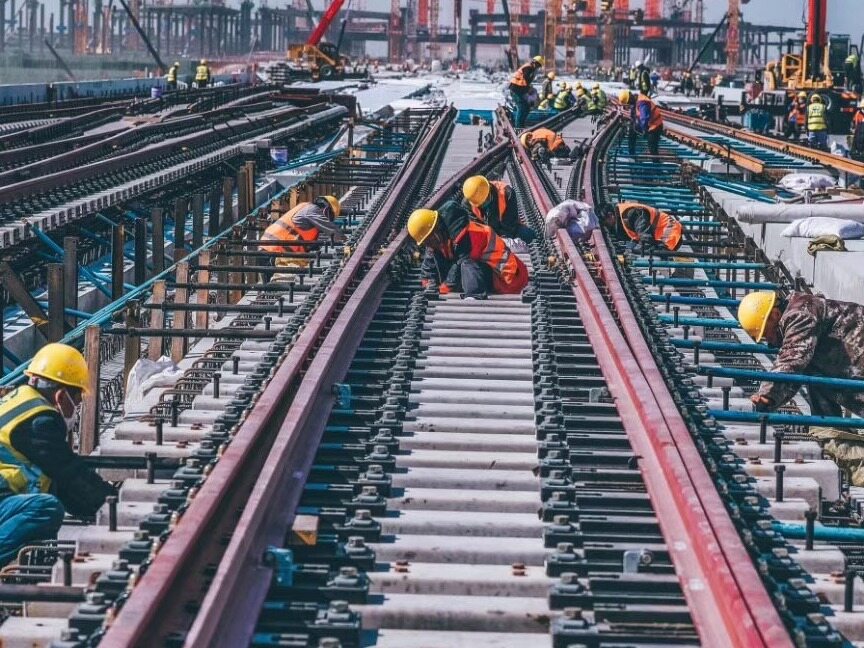
This project is a core component of the Iraq Common Seawater Supply Project (CSSP), covering the construction of mainline pipelines from seawater treatment facilities to various connection stations, branch pipelines from connection stations to oilfield distribution stations, and a complete set of ancillary ground facilities. The total length of the pipelines is 950 kilometers. The project adopts the EPC general contracting mode, with a total contract period of 54 months, including 42 months for the design, procurement, construction, and trial operation stages. The following 12 months will be dedicated to operation and maintenance, as well as local personnel training.
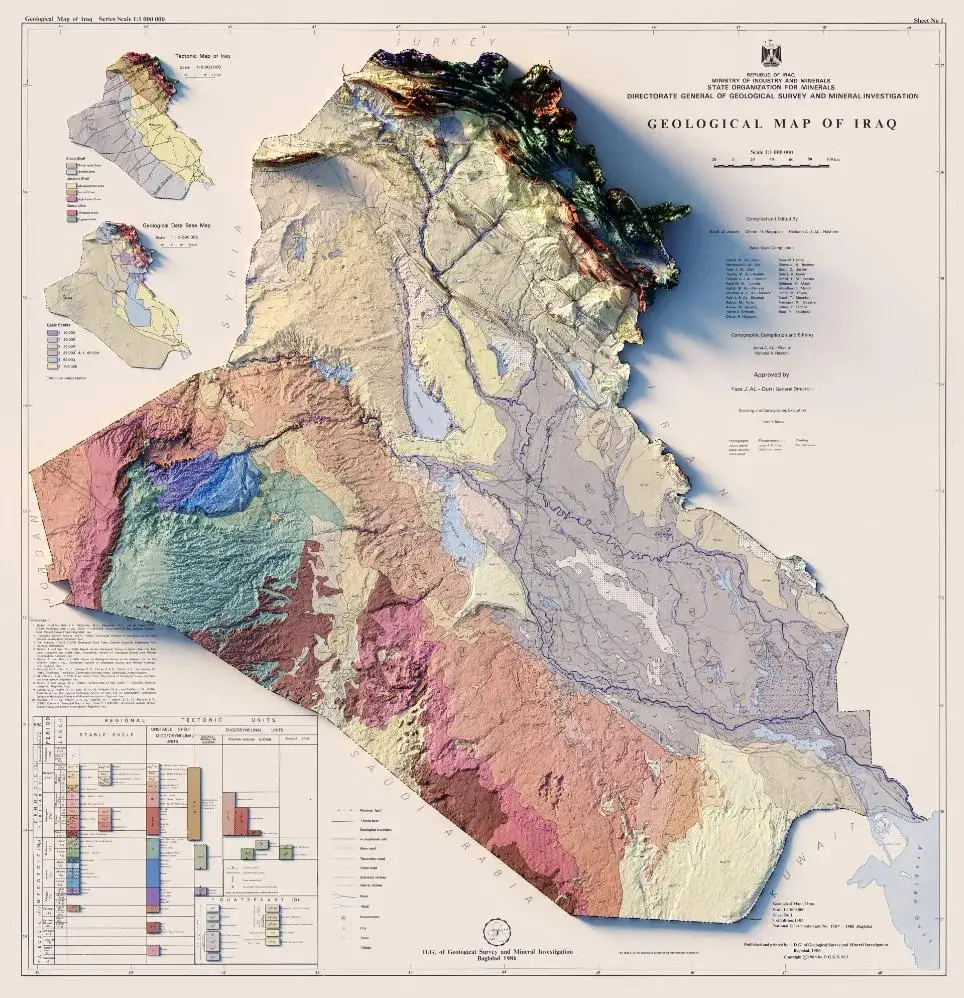
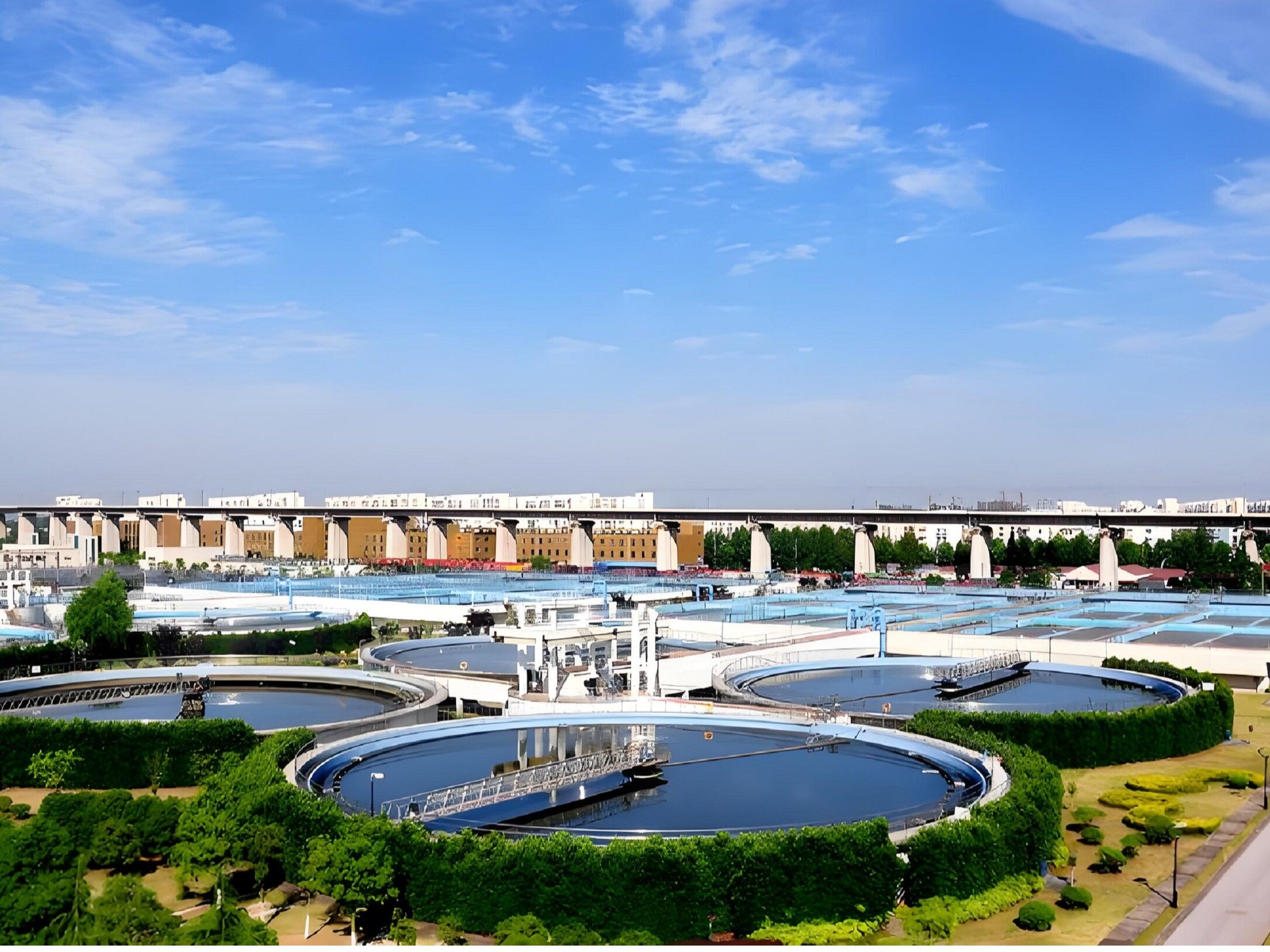
As a key supporting project for increasing oil production in southern Iraq, the pipeline system has an initial transportation capacity of 5 million barrels per day and can be expanded to 7-8 million barrels in the long term. It will prioritize supplying water to core oil fields such as Rumaila, Zubair, and West Ghorna, and cover more than 80% of the crude oil production areas in the south in the long term. The project will complement the $3 billion seawater treatment plant constructed by Hyundai Construction in South Korea, building a complete industrial chain of "water intake treatment transportation" and completely breaking the water resource constraints on local oil field production.
The pipeline bureau engineering company that signed this contract has the special qualification for general contracting of petrochemical construction, and has undertaken more than 70% of the workload of China's four energy strategic channels, with a cumulative construction of over 130000 kilometers of domestic and foreign oil and gas pipelines. It has completed 38 key energy projects in Iraq, including benchmark projects such as the Rumaila oil field water injection pipeline, and set an international record for welding repair rate of 0.07% in the Tanzania natural gas pipeline project, becoming the core advantage of winning the bid.
The owner Basra Oil Company, formerly known as Iraq Southern Oil Company, is affiliated with the Iraqi Ministry of Oil and operates in multiple oil fields in the south. Its main business covers the entire chain of oil and gas exploration, production, and transportation. The Iraqi Prime Minister's Office emphasized in a statement that the project is a "core pillar of the energy diversification strategy" and is expected to drive an increase of $4 billion in investment in southern oil fields, creating 12000 job opportunities.
Injecting seawater to solve the problem of increasing production
Most of the oil fields in southern Iraq are super large old oil fields. The Rumaila oil field has been developed for more than 70 years, and the decrease in reservoir pressure has led to a significant decline in production. This project adopts the water flooding technology of "seawater desalination formation injection". By injecting treated seawater into the reservoir to maintain pressure, the oil recovery rate of the oilfield can be increased by 10% -15%.
According to the International Energy Agency, in order for Iraq to achieve its goal of producing 8 million barrels of crude oil per day, it needs to inject 24 million barrels of water per day. However, the water volume of the Tigris and Euphrates rivers has decreased by 40% in the past decade, making it difficult to meet the demand. This project can reduce freshwater consumption by 20 million cubic meters annually, while avoiding the competition between agricultural and industrial water use.
CPP, as the project implementer, has completed 38 key energy projects in Iraq, including benchmark projects such as the Rumaila oil field water injection pipeline. The international record of welding repair rate of 0.07% created in the Tanzania natural gas pipeline project, as well as the efficient construction capability under complex geological conditions, have become key factors in winning the bid.
The relevant person in charge of CNPC Engineering stated that the project will apply independently developed pipeline anti-corrosion technology and intelligent monitoring system, which can adapt to the high-temperature desert environment in Iraq. According to analysis by Tianfeng Securities, this project will consolidate the leading position of Chinese enterprises in the Middle East oil and gas engineering market, and provide sustained support for the company's revenue in the next five years.
Anchoring Iraq's Energy Upgrade Blueprint
According to data from the Iraqi Ministry of Oil, the country has proven crude oil reserves of 145 billion barrels, and if optimized for development through seawater injection technology, the potential reserves can be increased to 360 billion barrels. This project collaborates with Total Energy's $10 billion natural gas integrated project to help Iraq achieve its goal of producing 9 million barrels of crude oil per day by 2030.
The Iraqi Prime Minister's Office emphasized in a statement that the seawater pipeline project is a "core pillar of the energy diversification strategy" and is expected to drive an increase of $4 billion in investment in southern oil fields, creating 12000 job opportunities. According to sources from China National Petroleum Corporation, they will also participate in the planning and design of the pipeline extension project for the Missan oilfield in the future.Editor/Huang li Jun
Comment

 Praise
 Collect
 Comment

 Share
Share


Write something~