 Search


- In the next five years, renewable energy led by solar energy will achieve a leapfrog growth
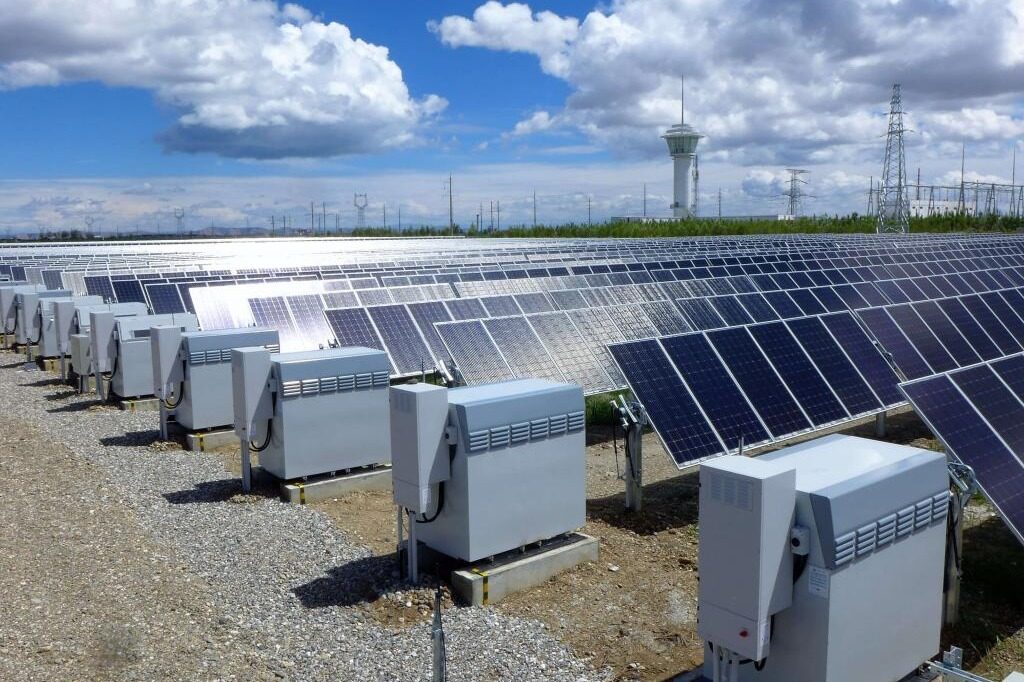
Under the common goal of addressing climate change and promoting energy transition globally, renewable energy is reshaping the energy landscape at an unprecedented speed. According to the latest Renewable Energy 2025 report released by the International Energy Agency (IEA), global renewable energy is experiencing unprecedented rapid development. The report predicts that by 2030, the global installed capacity of renewable energy will increase by 4600GW, which is roughly equivalent to the total power generation capacity of China, the European Union, and Japan. This growth highlights the profound transformation that the global energy structure is undergoing.
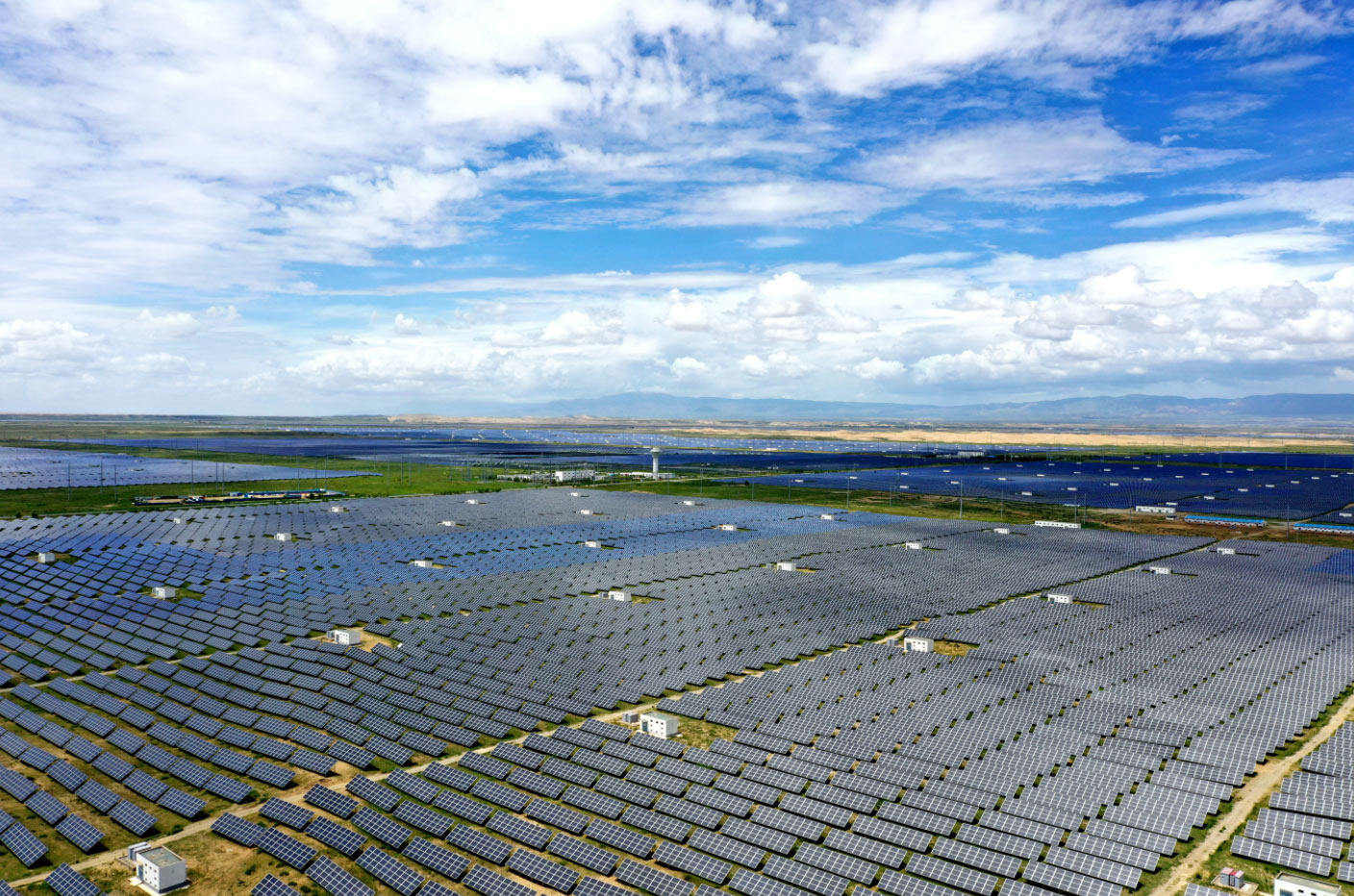
Solar photovoltaic power generation has become the core driving force behind this growth. In the next five years, solar energy will contribute about 80% of the global renewable energy capacity growth. This achievement is attributed to the continuous decrease in photovoltaic power generation costs and the acceleration of project approval processes. At the same time, renewable energy sources such as wind, hydro, bioenergy, and geothermal energy are also closely following, jointly supporting the expansion of global clean energy.
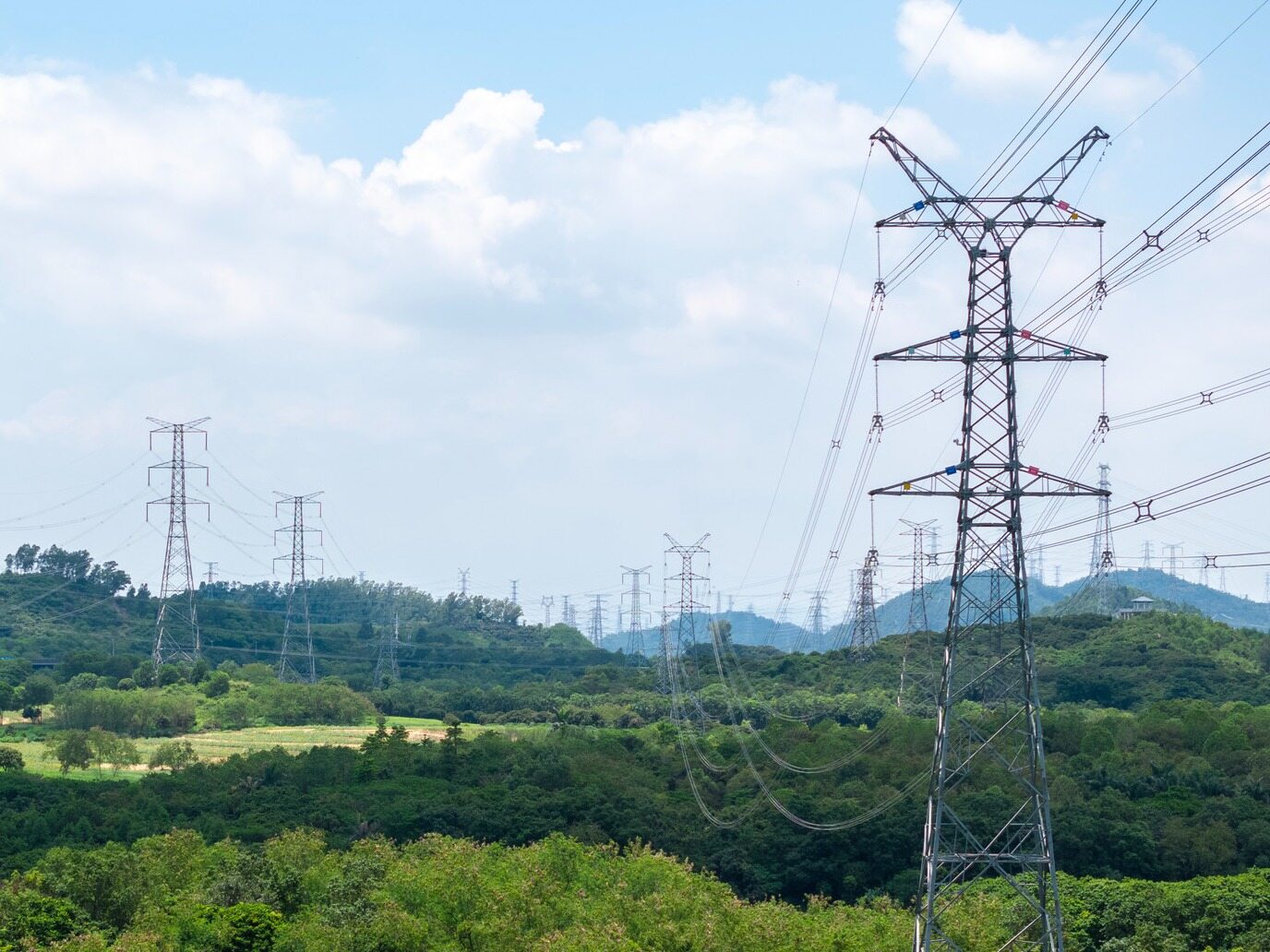
The report specifically points out that geothermal power generation is developing rapidly in the United States, Japan, Indonesia, and many emerging economies, with new installed capacity expected to reach a historic high. In addition, in response to the increasingly prominent challenge of power grid consumption, pumped storage hydropower has also received renewed attention, and its growth rate is expected to increase by nearly 80% in the next five years compared to the previous five years.
From a regional development perspective, emerging economies in Asia, the Middle East, and Africa are becoming hotspots for renewable energy growth. These regions actively promote the implementation of renewable energy projects with their continuously improving cost competitiveness and increasing policy support. Among them, India's performance is particularly impressive, with the potential to become the world's second largest renewable energy market after China, and is expected to successfully achieve its 2030 development goals.

However, the report also pointed out that compared to last year's forecast, the expected growth of global renewable energy installed capacity has been slightly lowered, mainly due to policy adjustments in the United States and China. China's shift from fixed electricity prices to auction mechanisms has to some extent affected the economic feasibility of projects. Nevertheless, the rapid growth of India, Europe, and most emerging economies effectively compensated for this adjustment. These regions have significantly enhanced the development potential of renewable energy by expanding project bidding scale, simplifying approval processes, and promoting rooftop photovoltaics.
In addition, corporate power purchase agreements, utility contracts, and commercial power plants also play important roles in promoting the development of renewable energy worldwide. It is expected that by 2030, these market-oriented mechanisms will contribute 30% of the global renewable energy capacity expansion, doubling last year's forecast. Keywords: New Energy News, New Energy Information Network, New Energy Latest News
Despite short-term challenges brought about by policy changes in some countries, the overall growth trend remains strong. With continuous technological advancement and policy optimization, renewable energy is expected to further consolidate its position as a pillar of the global energy system in the next decade. Editor/Xu Shengpeng
Comment



 Praise
 Collect
 Comment

 Share
Share


Write something~