 Search


- A profound transformation that reshapes the national energy landscape has begun
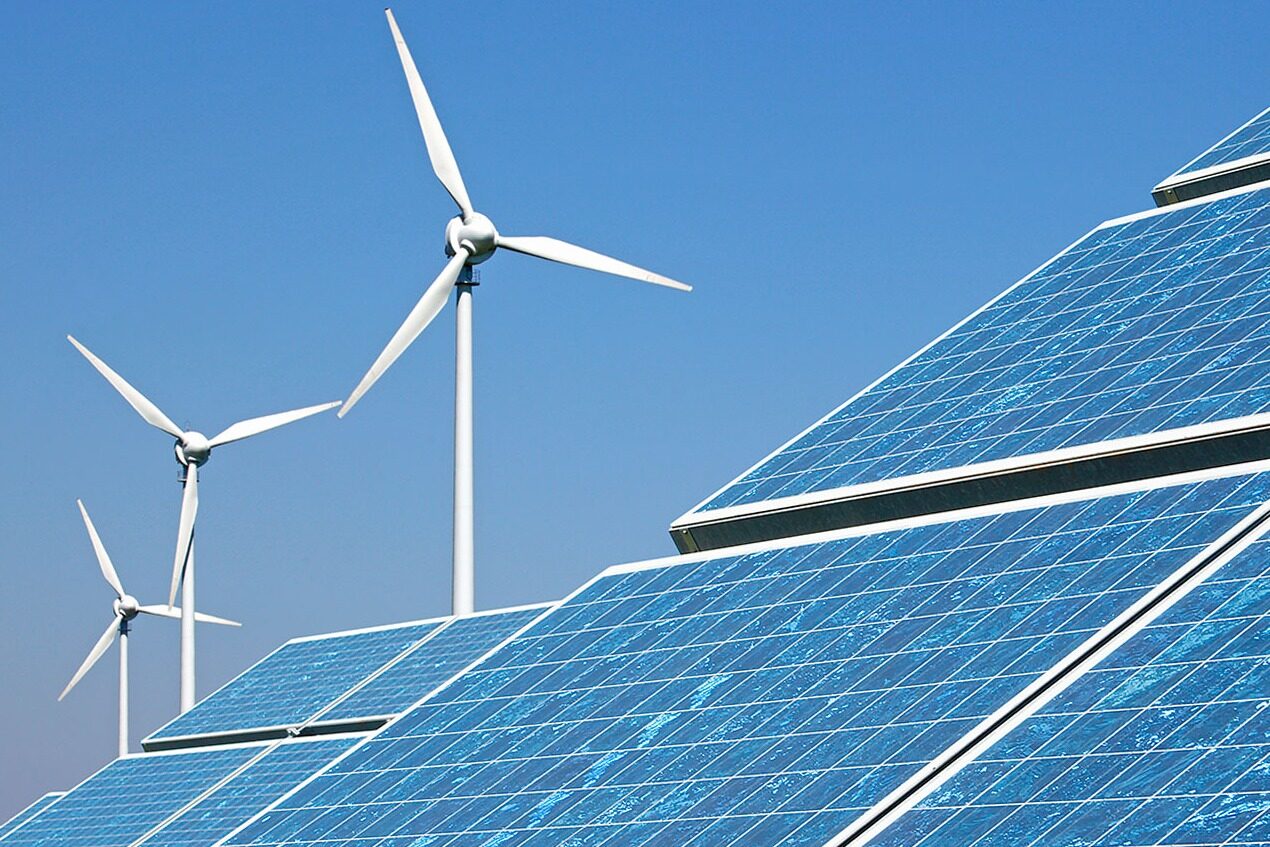
Brazil's downstream industries are experiencing a significant recovery. The wave of billions of dollars in refining and petrochemical investments is profoundly changing the country's energy landscape. This investment boom is driven by Petrobras, the Brazilian national oil company, while the private sector is also actively entering this multi billion dollar downstream investment field.
As the core force of this transformation, Petrobras plans to invest approximately $17 billion in the refining, transportation, and commercialization sectors between 2025 and 2029. In September of this year, the company announced the launch of a new project worth 33 billion Brazilian reals in the state of Rio de Janeiro alone. The most significant 26 billion reais will be used for the integration project of Boa Ventura Energy Complex and Duque de Caxias Refinery. This strategic investment will significantly enhance Brazil's energy self-sufficiency capacity, with an expected daily increase of 76000 barrels of S-10 diesel, 20000 barrels of aviation kerosene, and 12000 barrels of Class II lubricant production capacity.
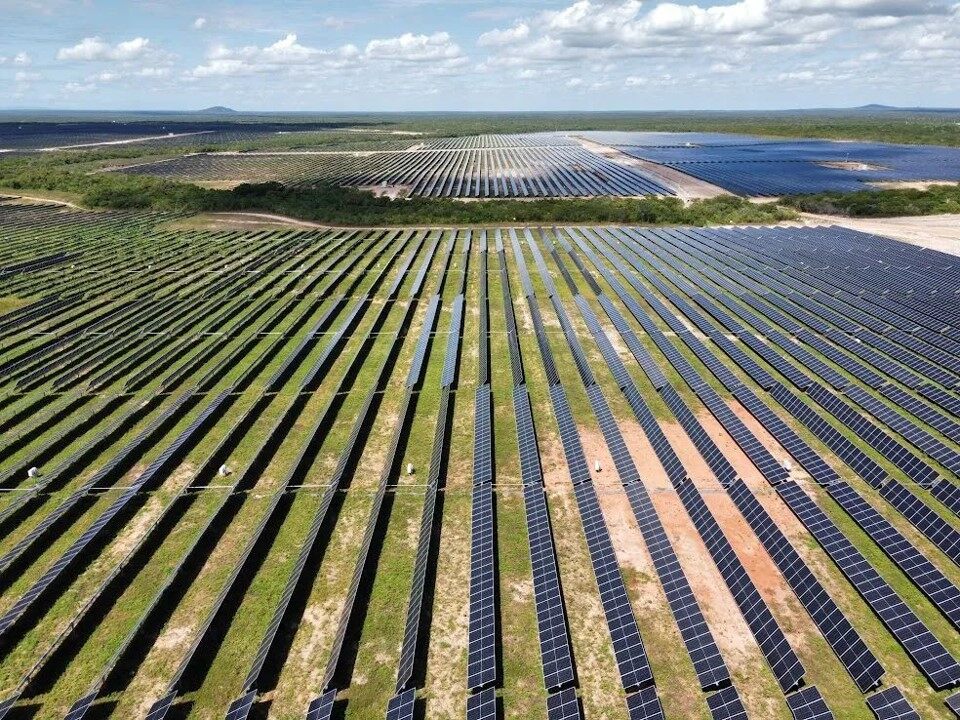
It is worth noting that Petrobras is actively promoting the green transformation of its energy structure. At Boa Ventura, the company will build a biofuel plant with the capacity to produce 19000 barrels of renewable fuel per day, including hydrogenated vegetable oil and sustainable aviation fuel. To ensure the reliability of energy supply, two 400 MW gas-fired power plants will also be constructed simultaneously. At the same time, the Reduc refinery is researching a lubricant re refining project, planning to recycle 30000 cubic meters of waste oil per month, marking Petrobras' substantial steps in the circular economy field.
In early October this year, Petrobras signed contracts worth R $10 billion with multiple engineering companies to advance the integration project between Boa Ventura and Reduc. Participating companies include well-known companies such as Tenenge Engenharia and EGTC Infra. These agreements cover the entire process of modernizing refineries and related infrastructure construction services. In addition, Mota Engil has secured a 50 month, € 700 million expansion contract for Reduc through its subsidiary, further highlighting the significant scale of the project.
In the field of green energy, Petrobras has a deeper layout. The company has initiated the bidding process for bio kerosene and renewable diesel units in S ã o Paulo, while also advancing the modernization of Brazil's largest refinery, Paul í nia. More strategically, the Replan refinery will build a green hydrogen pilot plant to produce hydrogen through electrolysis technology, providing technical support for cleaner refining operations. In the state of Pernambuco, Petrobras is advancing the second production line of Abreu e Lima refinery for 8 billion Brazilian reals. In addition, the company plans to install solar power plants in multiple refineries to reduce carbon emissions and enhance energy self-sufficiency.
The petrochemical industry has also shown strong growth momentum. Petrobras has allocated R $6 billion for the revival of fertilizer production projects in Paran á, Bahia, and Sergipe states, including the restart of the UFN 3 plant in Mato Grosso do Sul state. At the Boa Ventura complex, the company is researching new production opportunities for acetic acid and monoethylene glycol. Braskem, partially owned by Petrobras, is investing 4 billion Brazilian reals to expand its annual polyethylene production capacity by 230000 tons using natural gas from the Boa Ventura Rota 3 system.
The private sector has also been active in this investment wave. According to the RefinaBrasil Association, private refineries are investing 9 billion Brazilian reals in new and existing facilities. Among them, SSOIL invested 200 million reais to build SAF and green diesel factories, REFAM invested 400 million reais to upgrade its refinery, and Acelen plans to invest 3.4 billion reais in 2025. In addition, Oil Group is evaluating the feasibility of building a new refinery in Maranh ã o state, while Lwart Solu çõ es Ambientais' waste lubricant refinery project in Len çó is Paulista received financing support of 4 billion Brazilian reals from the National Bank for Economic and Social Development in September. Keywords: International Engineering News, New Energy News, New Energy Information Network
From the expansion of traditional refining capacity to breakthroughs in renewable fuels, from the modernization of the petrochemical industry to the exploration of green hydrogen energy, Brazil is building a more diverse and sustainable energy system. This investment boom led by Petrobras and actively involving private capital will not only reshape Brazil's energy landscape, but also promote the country to become an important hub for sustainable refining and industrial energy innovation in Latin America. With the gradual implementation of various projects, Brazil's position in the global energy transition will become increasingly prominent. Editor/Xu Shengpeng
Comment



 Praise
 Collect
 Comment

 Share
Share


Write something~