 Search


- The world's first vertical floating photovoltaic power station has been officially put into operation in Bavaria, Germany
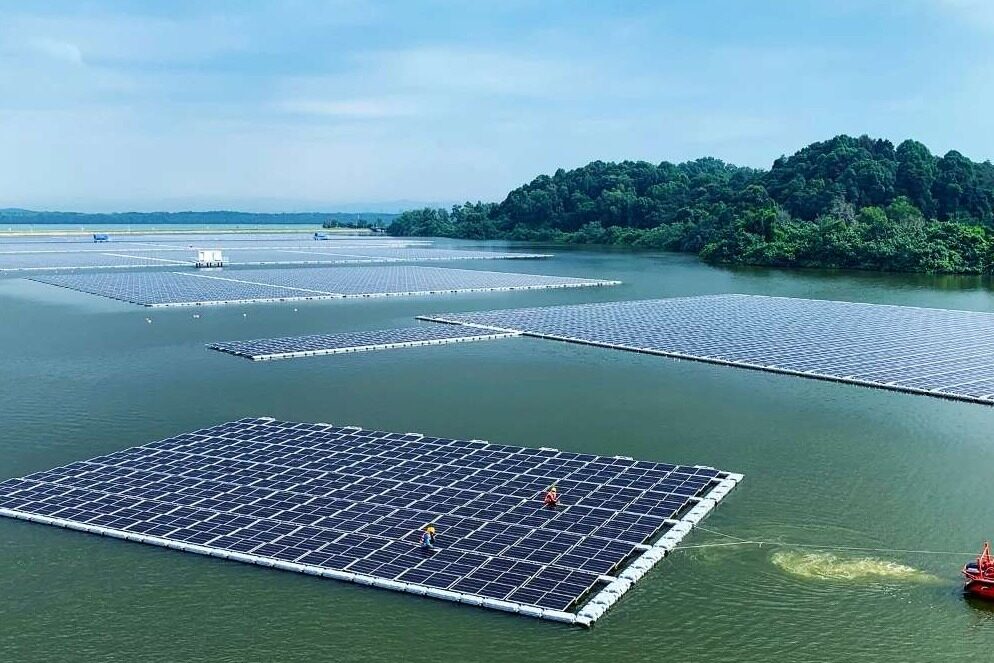
Recently, the world's first vertically installed floating photovoltaic power station was built and put into commercial operation on a quarry lake in Bavaria, Germany. The project has an installed capacity of 1.8MWp and is designed and constructed by Sinn Power. Its unique vertical installation scheme has pioneered a new model of floating photovoltaic power generation.
The power station uses a total of 2500 photovoltaic modules, all of which are vertically installed in an east-west orientation, and is expected to generate up to 2GWh of electricity annually. The core technological innovation of the project lies in the adoption of Sinn Power's SKipp patented technology, which cleverly combines floats and counterweights to form a stable structure similar to a "tumbler", ensuring the stability of photovoltaic modules under wind load conditions. At the same time, the mooring scheme of using ropes to connect the keel and the entire row of components, and finally fixing them to the shore anchoring point, not only ensures the stability of the system, but also simplifies the installation process.
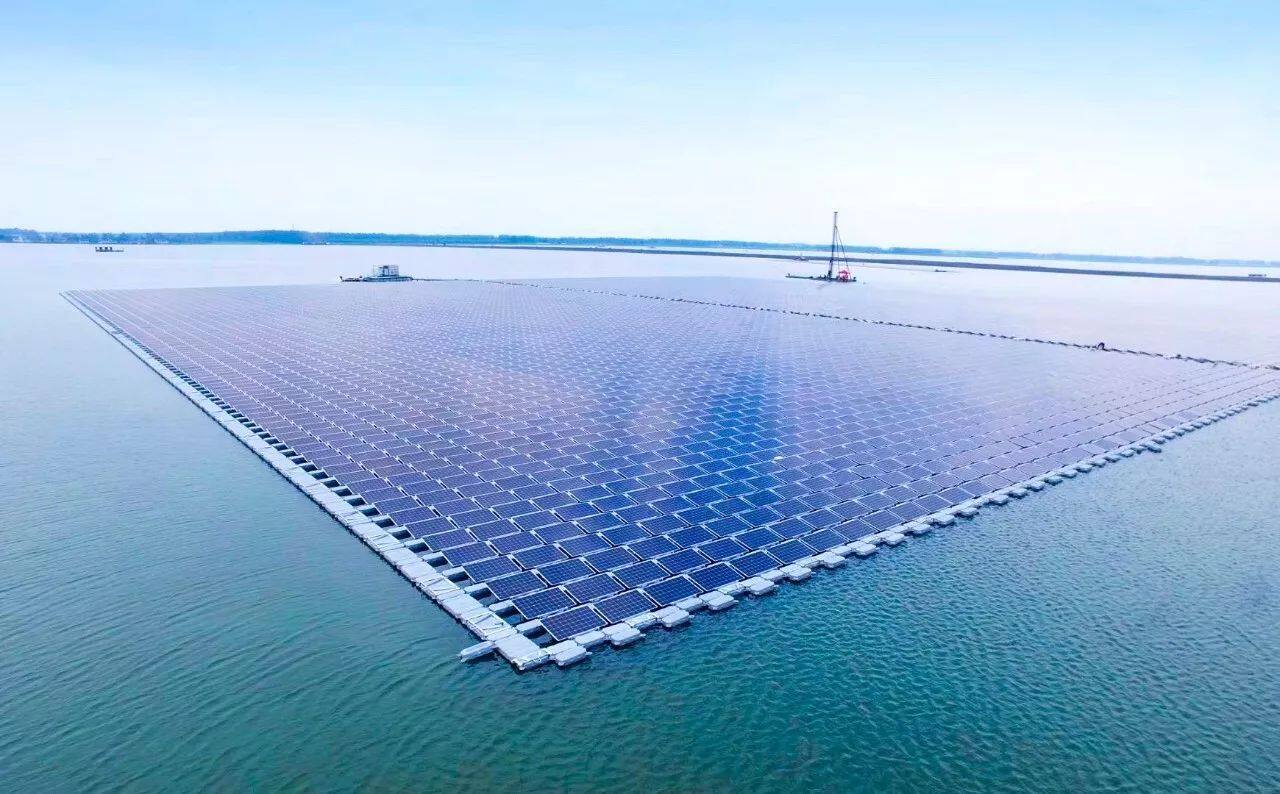
It is worth noting that while using a water area of 13000 square meters, the coverage of photovoltaic modules on the water surface remains below 5%. This vertical installation design allows the water surface to receive more sufficient light and air convection, which not only helps maintain the natural circulation and purification function of the water body, but also better protects the balance of the aquatic ecosystem. Compared with traditional floating photovoltaic power plants, this new design not only improves power generation efficiency, but also reduces the impact on the aquatic ecological environment to a greater extent.
Industry experts point out that this technological breakthrough provides a new development direction for global water photovoltaic applications, especially in the context of increasingly scarce land resources. This solution shows broad application prospects. With the continuous advancement of the global energy transition process in 2025, such innovative technologies will provide a more diversified and sustainable technological path for achieving carbon neutrality goals, which is of great significance for promoting the high-quality development of the global renewable energy industry. Editor/Yang Beihua
Comment

 Praise
 Collect
 Comment

 Share
Share


Write something~