 Search


- China's offshore wind power industry will gradually build "wind solar energy storage integration, intelligent operation and maintenance

Recently, a 308MW offshore wind power project under Huaneng Group was officially approved. This new energy project, which combines scale advantages and technological breakthroughs, not only opens up a new path for offshore energy development in the "wind and solar on site" mode, but also sets the industry "first" in multiple dimensions, injecting strong impetus into the high-quality development of offshore wind power in China.
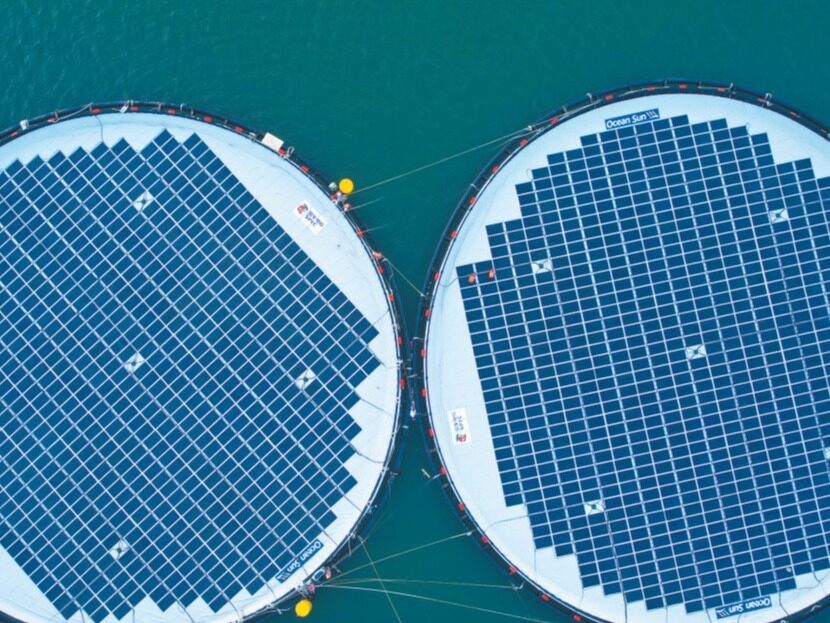
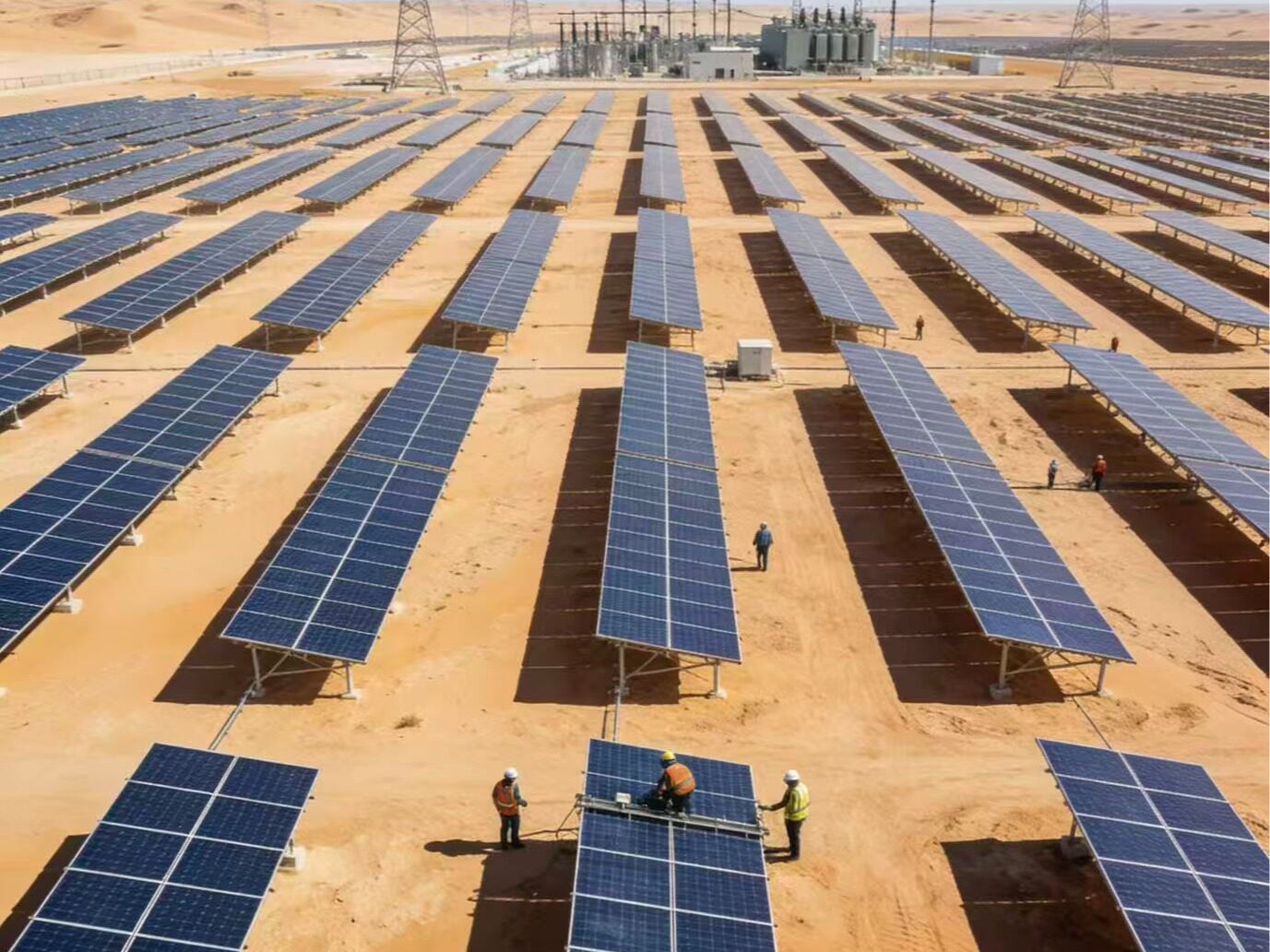
As the first offshore wind power project in the region to achieve "wind solar collaborative development", this project innovatively integrates wind power generation and photovoltaic power generation systems to achieve complementary operation of two clean energy sources in the same sea area - capturing solar energy through photovoltaic modules during the day and continuously generating electricity through wind turbines at night and on cloudy days, effectively avoiding the fluctuation problem of single energy sources affected by weather, greatly improving the energy utilization efficiency and power output stability of the sea area. It is expected that the annual average power generation of the project throughout its life cycle can reach over 800 million kilowatt hours, which is equivalent to reducing standard coal consumption by about 250000 tons per year and reducing carbon dioxide emissions by more than 650000 tons.
In addition to the core highlight of "wind and solar power in the same field", the project has also set multiple industry "first" records. Firstly, it is the first offshore wind power project in China to adopt a combination of "deep sea+large capacity units". The 6.25MW wind turbine unit selected has a single capacity that ranks among the top in the same sea area, and the farthest distance from the shore to the turbine layout is more than 30 kilometers, overcoming multiple technical difficulties in construction and operation in deep and distant sea areas; Secondly, it is the first project to achieve integrated management of "offshore centralized control+intelligent operation and maintenance". By building a digital twin platform, it can monitor the real-time operation status of wind turbines and photovoltaic arrays, shorten the fault response time to within 15 minutes, and improve operation and maintenance efficiency by more than 40%; Thirdly, it is the first wind power project in the region to synchronously build an offshore energy storage system. The supporting 20MW/40MWh energy storage device can achieve peak shaving and valley filling of electricity, further ensuring the safe and stable operation of the power grid.
According to the person in charge of the Huaneng project, the total investment of the project exceeds 5 billion yuan, and it is planned to be officially connected to the grid for power generation in 2025. After the completion of the project, it will not only provide stable green power support for the East China region, but also become a demonstration project for the integrated development of wind, solar and energy storage in China's offshore wind power industry, providing replicable and promotable experience for the construction of similar projects in the future.
With the deepening of the "dual carbon" target, offshore wind power has become an important growth pole for China's new energy development. The approval of the 308MW offshore wind power project by Huaneng is not only a crucial step for the company to expand into the field of offshore new energy, but also marks a new stage in China's offshore wind power development from "single power generation" to "multi energy complementary, intelligent and efficient", contributing to the global transformation of offshore energy with Chinese solutions.

From project preparation to approval and implementation, the breakthroughs made by the Huaneng team in technological breakthroughs and resource integration have given this "benchmark project" practical value for reference. In order to adapt to the complex environment of the deep sea, the project team has collaborated with domestic equipment companies to customize and develop anti typhoon wind turbines. The blades are made of new carbon fiber composite materials, which can withstand the impact of a strong typhoon of level 17. At the same time, the supporting floating foundation platform solves the pain points of high construction cost and difficulty of traditional fixed foundations in the deep sea through dynamic positioning technology. Compared with similar projects, the construction period is shortened by 15% and the cost is reduced by about 8%. In terms of photovoltaic system design, the project innovatively adopts a combination of "flexible bracket+double-sided components". The bracket can sway slightly with the waves to reduce seawater corrosion, while the double-sided components can use reflected light from the sea surface to increase power generation by 10% -15%, further tapping into the energy potential of the sea.
throughout its life cycle can reach over 800 million kilowatt hours, which is equivalent to reducing standard coal consumption by about 250000 tons per year and reducing carbon dioxide emissions by more than 650000 tons.
In addition to the core highlight of "wind and solar power in the same field", the project has also set multiple industry "first" records. Firstly, it is the first offshore wind power project in China to adopt a combination of "deep sea+large capacity units". The 6.25MW wind turbine unit selected has a single capacity that ranks among the top in the same sea area, and the farthest distance from the shore to the turbine layout is more than 30 kilome
It is worth noting that the project has also set a new benchmark in the coordination of ecological protection and energy development. During the preliminary survey phase of the project, the Huaneng team collaborated with a marine ecological research institution to conduct a 6-month survey of marine biodiversity. Specifically, the layout of wind turbines and photovoltaic arrays was optimized for rare species habitats such as Chinese white dolphins and anchovies in the project area, avoiding core migration channels. Ecological monitoring buoys were also set up in the construction area to track water temperature, quality, and marine biological activities in real time, ensuring a win-win situation for energy development and ecological protection. This "ecological priority" development concept also provides a model for ecological protection in the construction of new energy projects in coastal areas of China.

From the perspective of industrial driving, the promotion of the Huaneng 308MW offshore wind power project will further activate the vitality of the entire domestic offshore wind power industry chain. The wind turbines, photovoltaic modules, energy storage equipment, and offshore construction equipment required for the project are mainly supplied by domestic suppliers, and it is expected to drive more than 200 upstream and downstream enterprises to participate, creating nearly 10000 job opportunities, especially promoting technological iteration and industrial upgrading in emerging fields such as deep-sea wind power equipment manufacturing, offshore intelligent operation and maintenance, and marine energy storage. For example, the digital twin operation and maintenance system supporting the project has attracted multiple domestic technology companies to participate in technology research and development. In the future, it is expected to form a standardized operation and maintenance solution that can be promoted, and help China's offshore wind power industry transform towards "intelligence and high-end".
As the grid connected power generation node approaches in 2025, the Huaneng 308MW offshore wind power project is moving from a "blueprint" to a "reality". The implementation of this project is not only a concrete action by Huaneng Group to achieve its "dual carbon" goals, but also a "microcosm" of China's offshore new energy development - breaking regional and environmental limitations through technological innovation, improving energy utilization efficiency through multi energy complementarity, and achieving sustainable development through ecological synergy. In the future, with the emergence of more benchmark projects of this kind, China's offshore wind power industry will gradually build a new development pattern of "wind solar energy storage integration, intelligent operation and maintenance, and ecological friendliness", providing a more operational "Chinese solution" for the global offshore energy transformation。Editor/Bian Wenjun
Comment

 Praise
 Collect
 Comment

 Share
Share


Write something~