 Search


- The underwater tunnel project will achieve all-weather connectivity on both sides of the Brahmaputra River for the first time
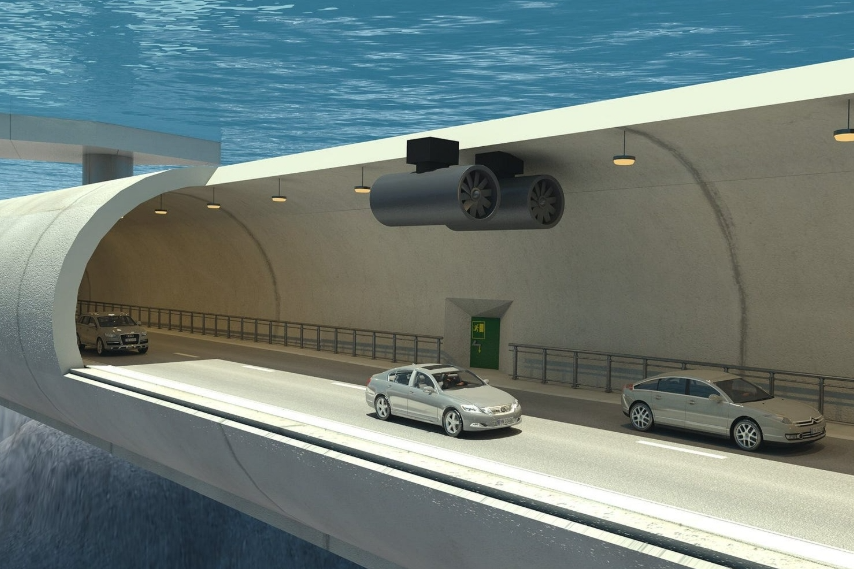
On the grand blueprint of infrastructure construction in India, a revolutionary project is slowly emerging. The upcoming Brahmaputra underwater tunnel in Assam will not only be India's first highway railway composite underwater tunnel, but also a key artery connecting regional development and national security. This mega project, expected to cost 676 million US dollars, marks a new stage of development in India's infrastructure construction.
According to the detailed engineering report completed by the National Highway and Infrastructure Development Corporation (NHIDCL), this tunnel will cross the bottom of the Brahmaputra River, located 32 meters below the riverbed. The entire project, including the tunnel and its connecting roads, has a total length of nearly 34 kilometers, making it one of the longest underwater tunnels in Asia. The tunnel design adopts a double-layer structure: the upper layer is a two-way four lane highway, and the lower layer is reserved for railway tracks. This innovative design is the first in the history of infrastructure construction in India.
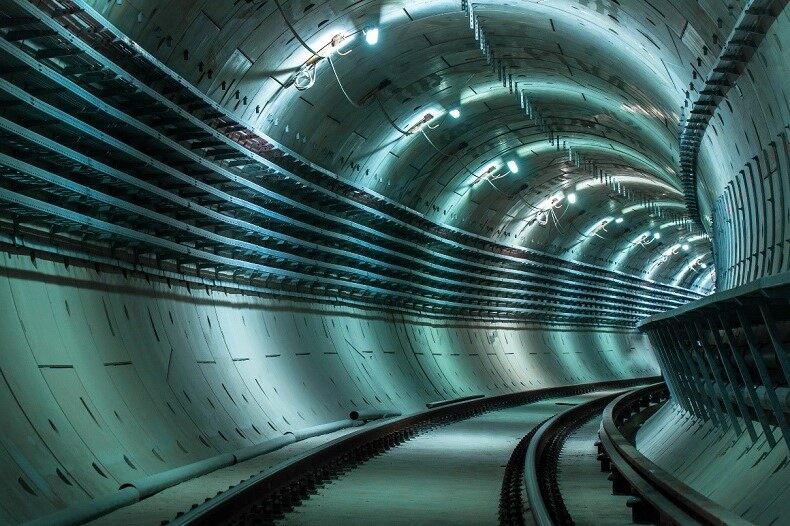
The technical challenges of the project are unprecedented. The Brahmaputra River, as one of the rivers with the highest sediment content in the world, has extremely high requirements for tunnel construction due to its complex hydrogeological conditions. The engineering team plans to use a construction technology that combines tunnel boring machines with immersed tube methods to ensure both project efficiency and structural safety. It is worth mentioning that the tunnel will be equipped with advanced intelligent monitoring systems and automated drainage facilities to cope with the frequent seismic activity and seasonal flood threats in the area.
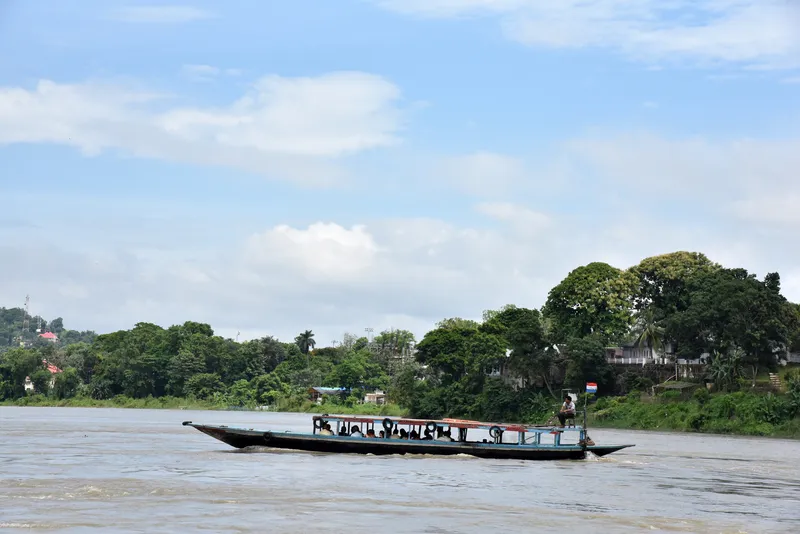
The most significant value of this project lies in completely changing the transportation pattern in Assam. At present, the transportation connecting Numaliag and Gopur relies entirely on cross river bridges, which are severely affected by seasonality and weather. After the tunnel is completed, it will achieve all-weather traffic and is expected to shorten the existing travel time by more than two-thirds. Keywords: International News and Information, International News Network
The project is expected to have a construction period of five years, and if everything goes smoothly, it will be completed before 2030. At that time, it will not only become a symbol of India's engineering and technological strength, but also provide valuable experience for infrastructure construction in other river intensive areas.Editor/Cheng Liting
Comment




 Praise
 Collect
 Comment

 Share
Share


Write something~