 Search


- A green game about liquid cooling technology and recycled water utilization has begun ahead of schedule
- When computing power demand surges at the gigawatt level, heat dissipation and water resources are becoming invisible thresholds that determine the track
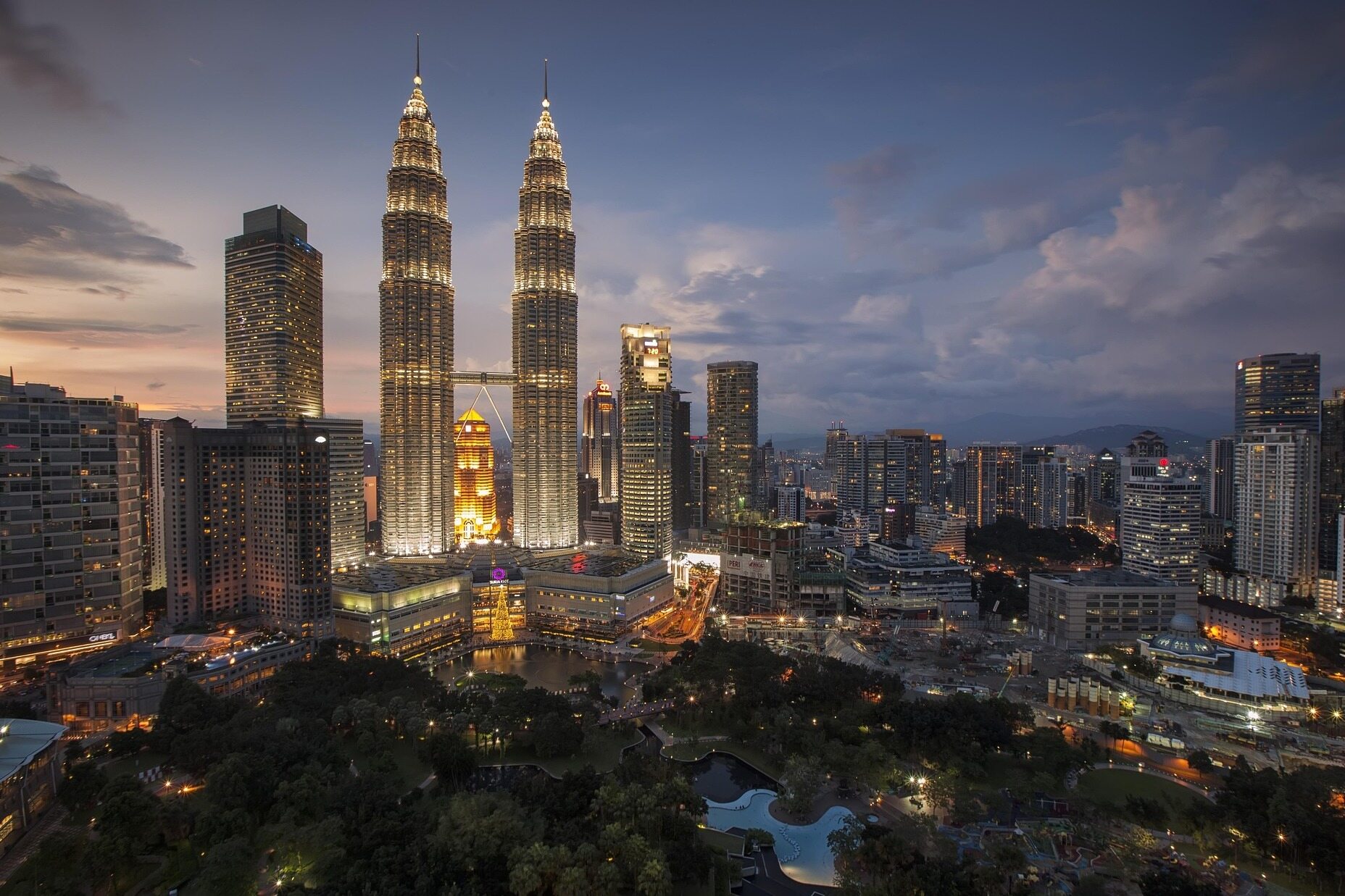
The latest research report from Lianchang International Securities shows that Malaysia is accelerating its move towards becoming the largest sustainable data center hub in ASEAN. Despite the intense global competition for computing power, Malaysia will maintain strong growth momentum in the second half of 2025 thanks to its solid project reserves and promotion of green infrastructure.
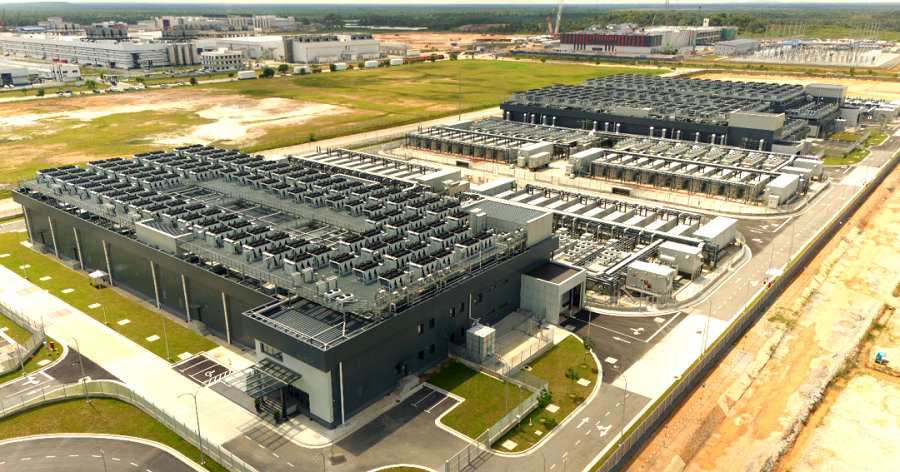
Continuous expansion of pipelines
According to data from the National Energy Corporation of Malaysia, as of the end of September 2025, TNB has supplied power to 29 data center projects, with a total maximum electricity demand of 3.8 gigawatts, a significant increase from 24 projects and 3.5 gigawatts at the end of June. The cumulative number of signed power supply agreements has reached 49, corresponding to a total demand of 7.1 gigawatts. This series of numbers indicates that despite facing global competition, Malaysia's data center construction pipeline is still expanding against the trend.
Rising power consumption triggers cooling revolution
The core bottleneck of industry growth is shifting from computing power to heat dissipation. The research report predicts that as next-generation chips such as NVIDIA Rubin Ultra and Feynman are put into use from the second half of 2027 to 2028, the power consumption of a single cabinet will soar from the current 150 kW to 600 to 1000 kW, an increase of 4 to 7 times. The traditional air-cooled system is approaching its physical limit, and the importance of liquid cooling technology will further increase, becoming a key variable determining whether the project can be implemented.

The game of water resources determines the winner or loser
The value of the "sustainable" label depends on the success or failure of water resource management. To avoid resource depletion, Malaysia has begun to tighten approvals, with Johor state restricting low-level data centers and strict control over non AI projects nationwide to ensure priority supply of high value-added projects with electricity and water resources. Keywords: Southeast Asian news, Malaysia, big data center
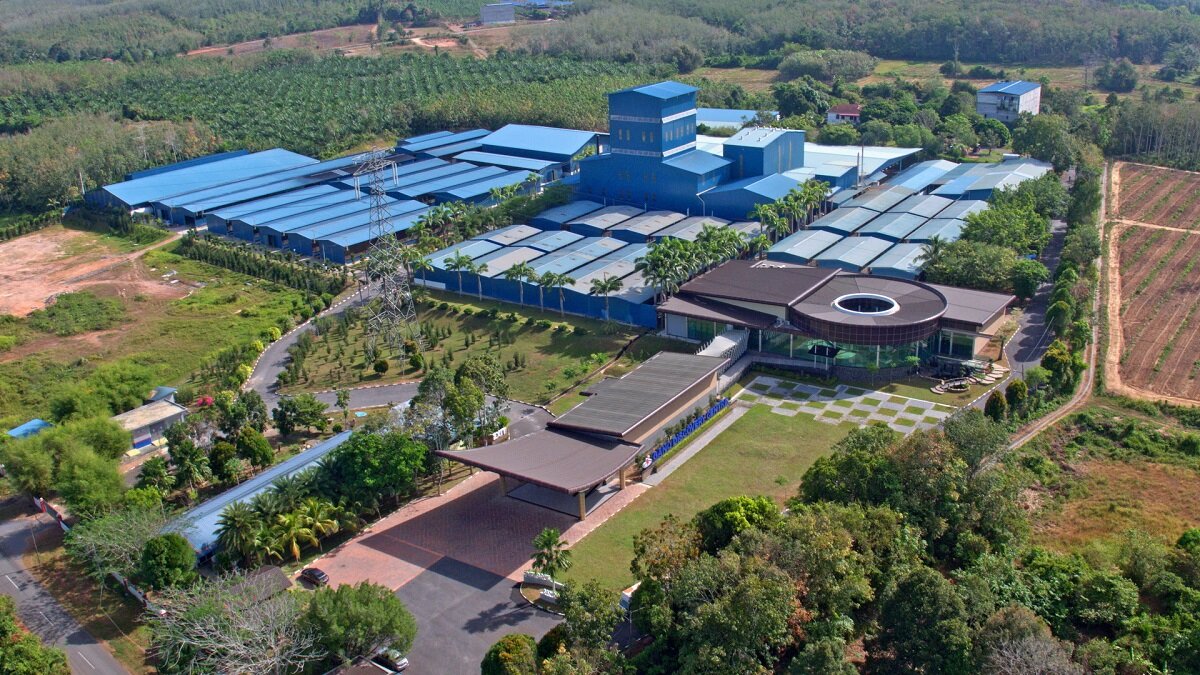
To solve the water crisis, leading enterprises have taken action. ZData, Bridge Data Centers, and AirTrunk are collaborating with water agencies to utilize recycled water as a cooling water source; DayOne introduces a river water treatment system; Microsoft plans to deploy closed-loop chip level cooling technology in Johor Bahru to greatly reduce fresh water consumption. Lianchang International believes that this strategy of incorporating sustainability into operational core is not only a compliance requirement, but also a cornerstone for Malaysia to maintain competitiveness in the global computing landscape.Editor/Cheng Liting
Comment

 Praise
 Collect
 Comment

 Share
Share


Write something~