 Search


- The transportation of mineral resources and the development of characteristic agriculture and animal husbandry provide strong support
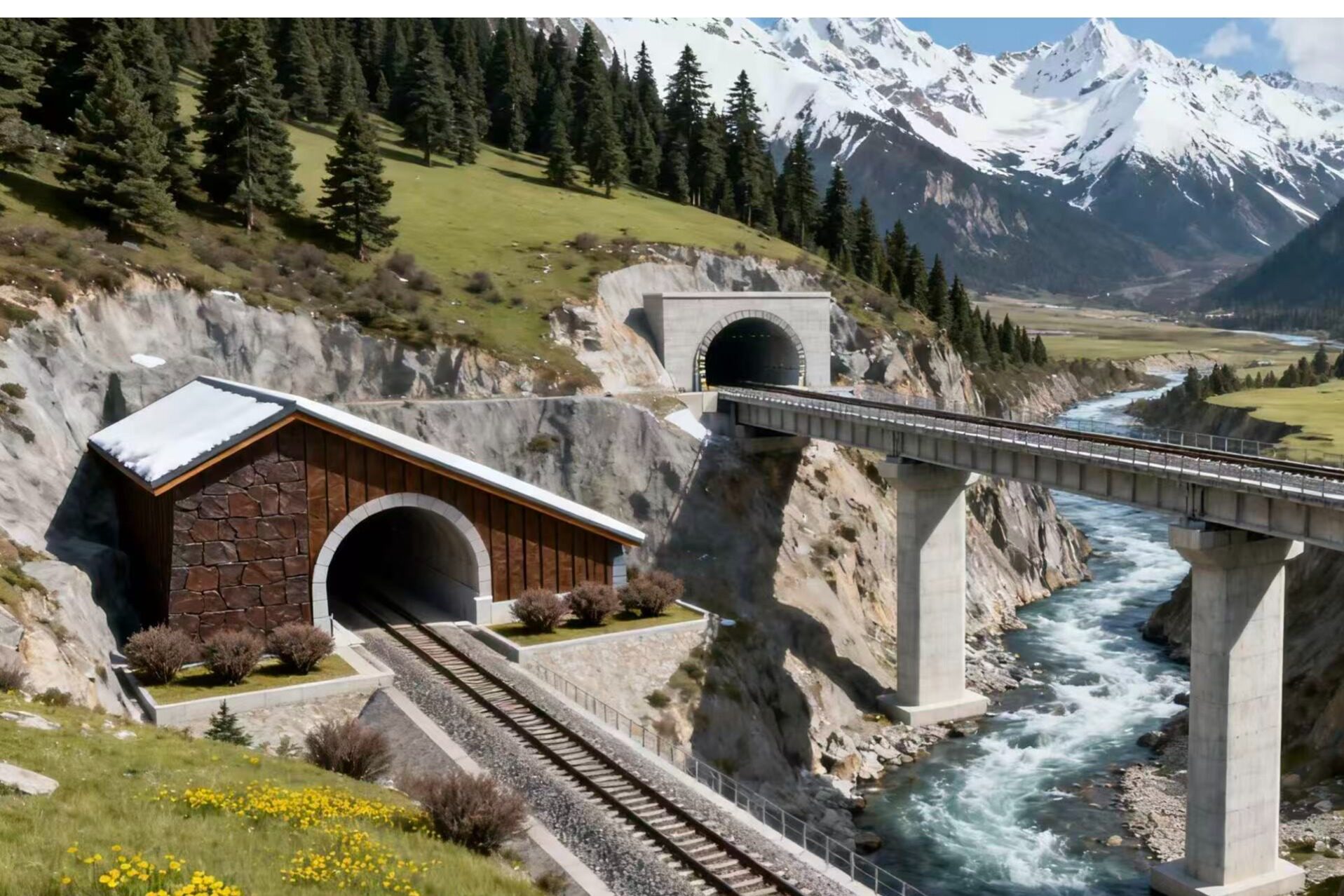
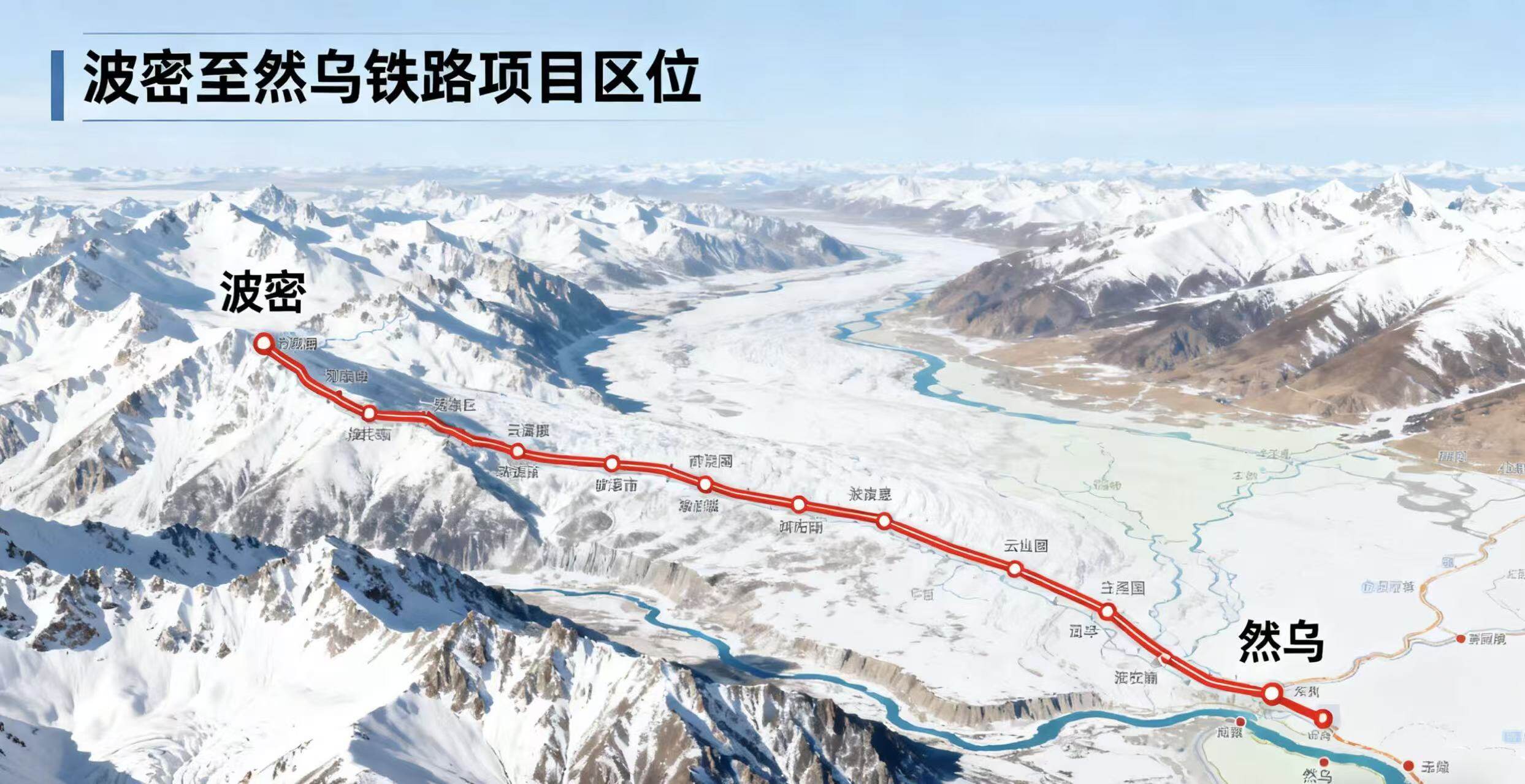
The 134.5 km new Bomi Ranwu railway is about to be built, which is located in Linzhi City and Changdu City, Xizang Autonomous Region, and is an important part of the Sichuan Tibet railway. The route starts from Bomi County and ends in Ranwu Town, crossing multiple mountains and rivers along the way, with complex geological conditions and extremely difficult construction.
The railway is designed with a speed of 160 kilometers per hour and is a Class I single track electrified railway of the national railway. The entire line has 12 stations and a bridge tunnel ratio of over 85%. Among them, multiple super large bridges and ultra long tunnels will be constructed, with the longest tunnel expected to exceed 20 kilometers in length. Some bridges will cross deep valleys and turbulent rivers, with extremely high engineering and technical content.
The completion of the project will end the history of no access to the railway from Bomi to Ranwu, significantly shorten the space and time distance between the two places and the areas along the line, and is of great significance to improving the layout of Xizang's railway network, promoting economic and social development along the line, strengthening national unity, and consolidating border stability. At the same time, the railway will provide strong transportation support for the development of local tourism resources, transportation of mineral resources, and the development of characteristic agriculture and animal husbandry, helping the people along the line to lift themselves out of poverty and achieve rural revitalization.
From the perspective of engineering technology, the project team will establish a professional geological survey team to carry out comprehensive exploration in the complex environment of high altitude, strong earthquakes, and multiple geological disasters in southeastern Tibet. Advanced technologies such as geological radar and unmanned aerial vehicle surveying will be used to accurately grasp geological data. In tunnel construction, it is planned to use large equipment such as TBM hard rock excavation machines, combined with advanced geological prediction systems, to effectively cope with construction risks such as rock bursts and water surges; Bridge construction will be combined with prefabricated construction technology to reduce the impact of on-site operations on the ecological environment and improve the efficiency of engineering construction.
In terms of ecological protection, the project strictly follows the principle of "minimum disturbance, maximum protection" and has specially formulated a special plan for ecological protection. The route planning avoids the core area of nature reserves, and bridge crossings or tunnel crossings are used to reduce surface occupation for necessary forest and wetland sections. During the construction period, special environmental protection facilities will be set up to treat wastewater and waste residue, and slope ecological restoration and vegetation reconstruction work will be carried out simultaneously. Local native plant species will be selected for greening to ensure that railway construction is coordinated with the fragile ecological environment in southeastern Tibet.
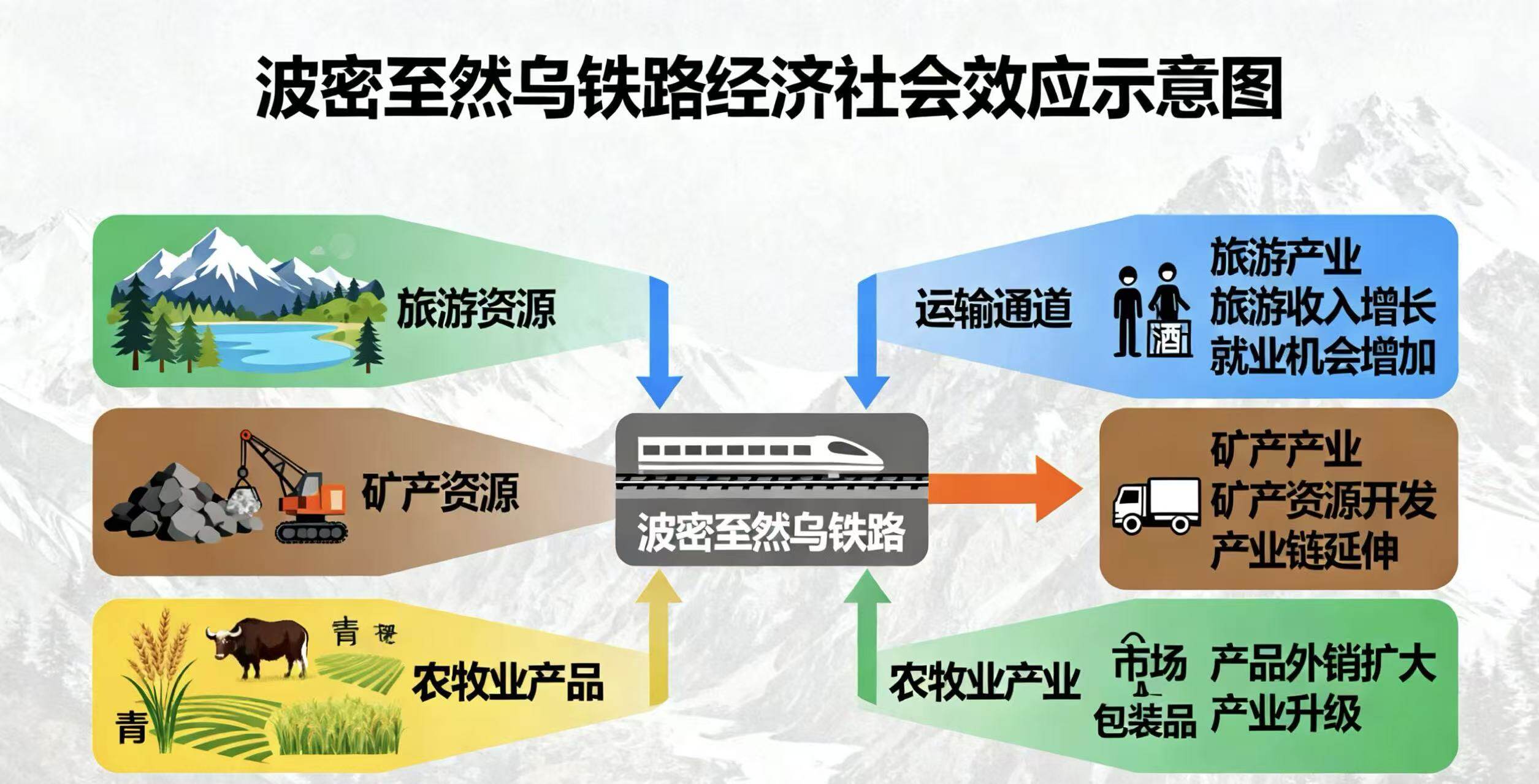
At the level of regional coordinated development, the railway will form a joint force with the existing and under construction sections of the Sichuan Tibet Railway, further strengthen the transportation links between Xizang and the southwest region, and accelerate the formation of the network of "access to Tibet". Relying on the advantages of low cost and large volume of railway transportation, Tibetan incense, plateau medicinal materials, characteristic agricultural products, etc. along the line will be more easily transported to the mainland market, and at the same time, an efficient channel will be built for capital, technology, and talents from the eastern region to enter Xizang, promoting regional industrial division and cooperation and optimizing the allocation of resources. In addition, after the railway is opened, it will connect well-known tourist attractions such as Ranwu Lake and Midui Glacier, creating a boutique ecological tourism route in southeastern Tibet, driving the upgrading of tourism supporting facilities along the line, giving birth to new formats such as homestays and cultural and creative industries, and opening up new growth points for local economic development.Editor/Bian Wenjun
Comment

 Praise
 Collect
 Comment

 Share
Share


Write something~