 Search


- The Mexican federal government is accelerating the construction of the Saltillo Nuevo Laredo passenger railway
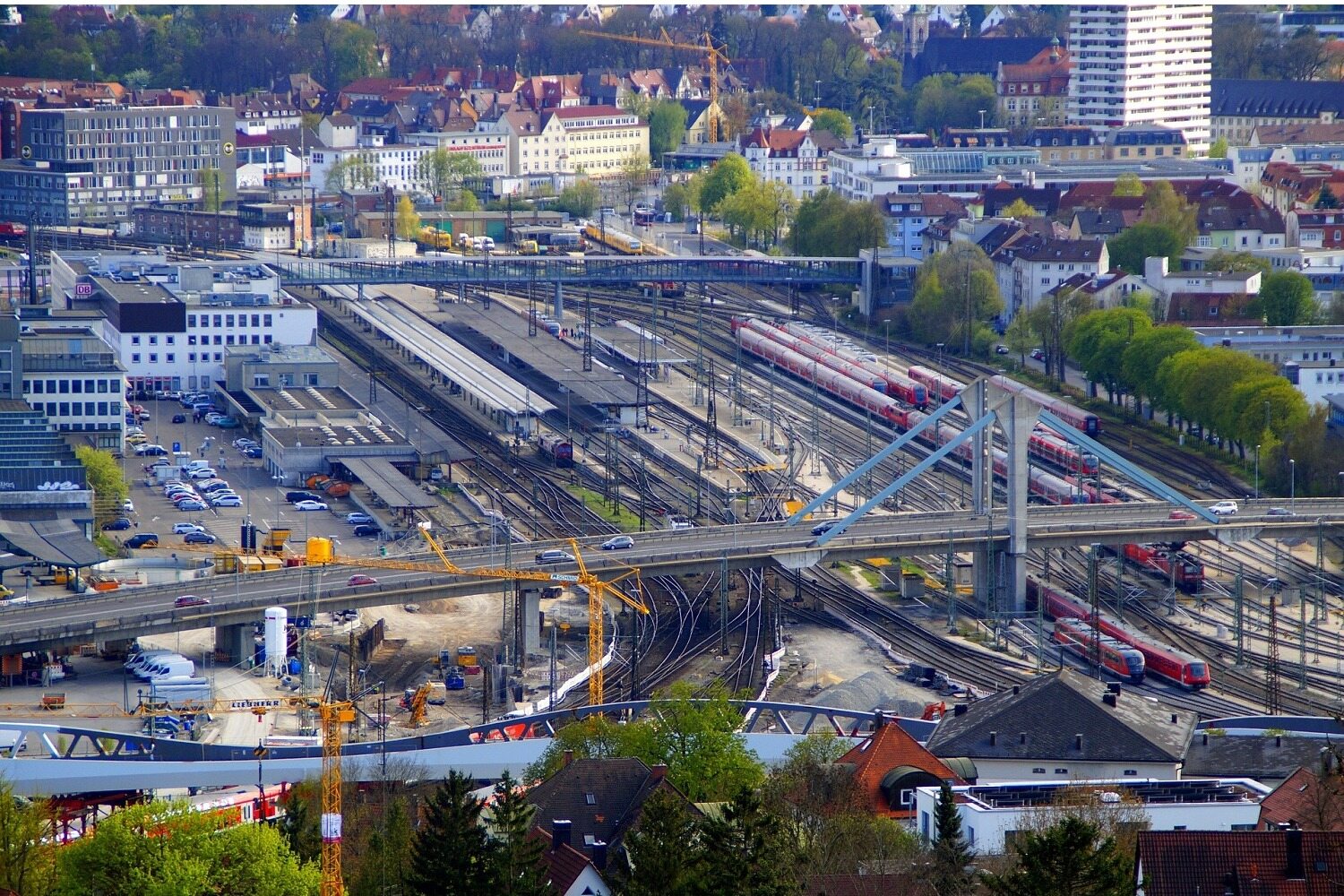
The Mexican federal government recently awarded a series of contracts worth a total of 14.4 billion pesos, approximately $744 million, to accelerate the advancement of the Saltillo to Nuevo Laredo passenger railway project. The total investment of this project is 175.7 billion pesos, with a total length of 396.3 kilometers, spanning the states of Coahuila, Nuevo Le ó n, and Tamaulipas, and ending directly in the US Mexico border city of Nuevo Laredo. It is planned to be completed within 33 months.
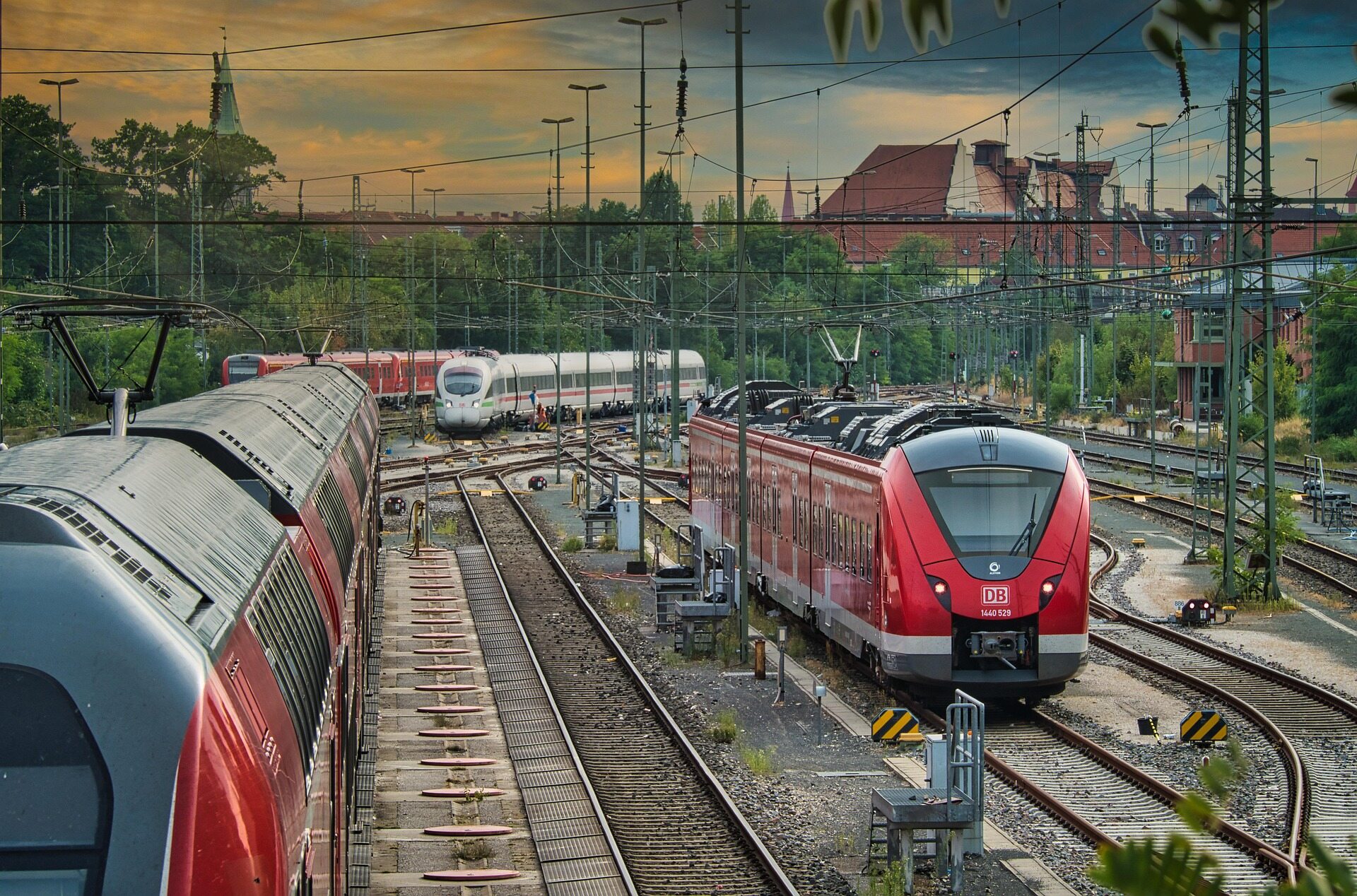
Synchronize the deployment of signal system and civil engineering
Hitachi Railway, together with its subsidiaries in Spain, Mexico, and Austria, has won a contract worth 3.9 billion pesos to supply, install, and commission signaling, communication, and train control systems for the entire line.
Civil engineering is advancing synchronously. The consortium of Gami Ingenier í a, Constructiones Urales, Azvi, and Recal Estruturas has been awarded a contract worth 13 billion pesos to construct a 100 kilometer line from Wuning San Javier to Arroyo El Soz. The same consortium, together with Constructora Moyeda, has won a contract worth 10.4 billion pesos to design and construct a 9.2-kilometer road section in the Monterey region. The consortium led by Spanish contractor Comsa's Mexican subsidiary has won a contract worth 2.9 billion pesos to design and construct four stations in Delamadare, Saltillo, Tenoteonlas, and other locations.
10 stations connecting the three states
The Saltillo Nuevo Laredo line has 10 stations throughout its entire length, covering the core cities of the three states and the Monterey Industrial Zone. According to the Mexican government's plan to revive long-distance passenger services, this route will be connected to the Mexico City Queretaro Nuevo Laredo trunk line in the future, becoming a key section connecting the capital and the US Mexico border, with a designed speed of 200 kilometers per hour. Keywords: passenger railway, international transportation
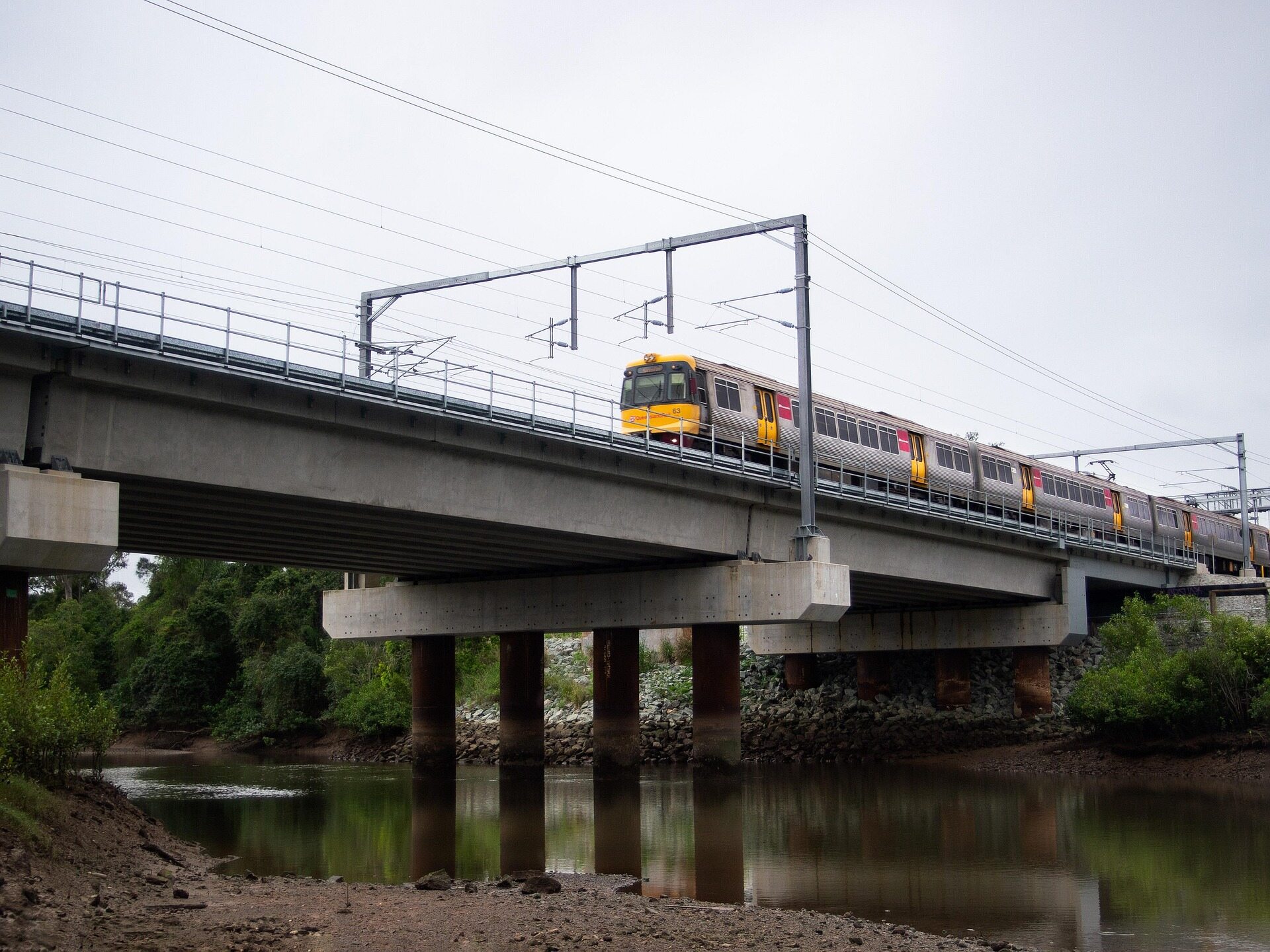
This passenger artery that runs through northeastern Mexico is accelerating from planning to construction. Multiple contracts have been implemented one after another, and the project is expected to be delivered on schedule, opening up a new channel for regional connectivity and cross-border commuting.Editor/Cheng Liting
Comment


 Praise
 Collect
 Comment

 Share
Share


Write something~