 Search


- 50% of the 1700 kilometer railway jointly built by the six Gulf countries has been completed
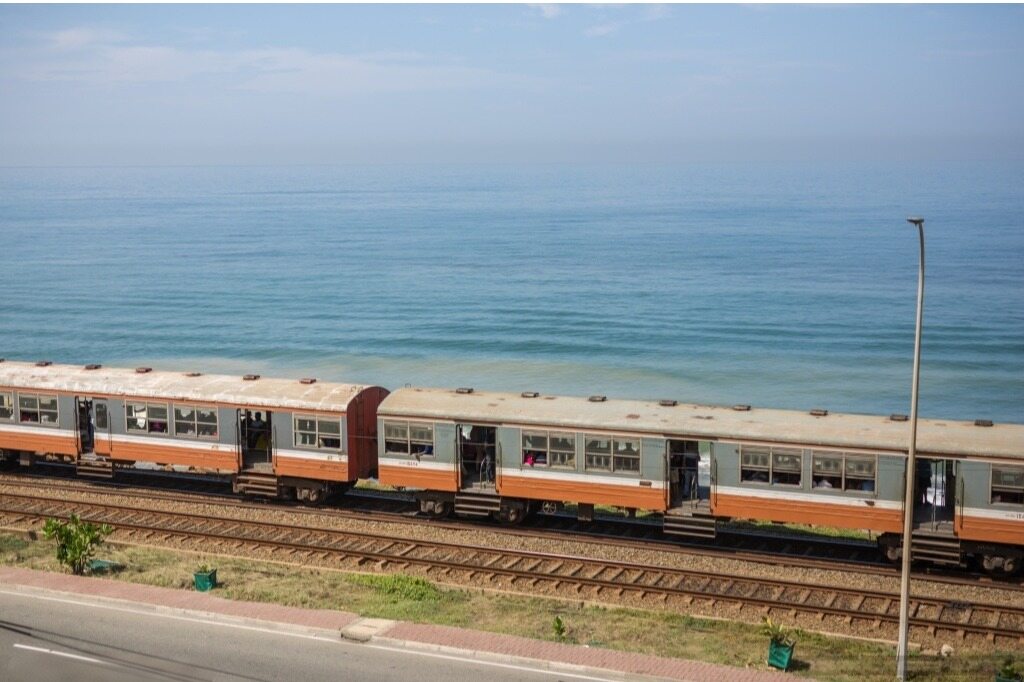
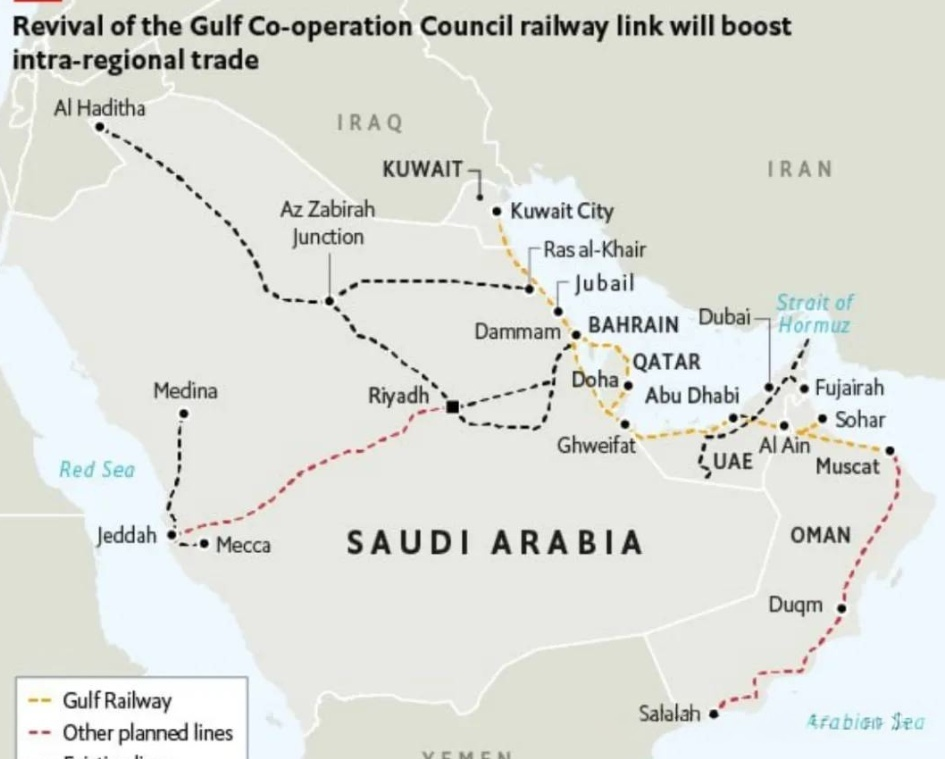
In the vast deserts and coastlines of the Arabian Peninsula, a steel artery connecting six Gulf countries is accelerating its formation. In May 2026, the Director of the Gulf Cooperation Council (GCC) Railway Bureau, Mohamed Shaburami, officially announced that the overall progress of the approximately 1700 kilometer Gulf Railway project had reached 50% and was expected to be fully operational by December 2030. This railway, which starts from Kuwait in the north and ends in Muscat, Oman in the south, will completely change the single mode of transportation in the Gulf region that relies on roads and aviation, and become a physical link for regional economic integration.
Six countries work together to tackle challenges
The Gulf Railway is one of the largest cross-border infrastructure projects in the Gulf region, running through Kuwait, Saudi Arabia, Bahrain, Qatar, the United Arab Emirates, and Oman. The project has undergone more than ten years of coordination since its planning, and has entered an accelerated implementation phase since the signing of the Alura Declaration by six countries in 2021. At present, road sections in various countries are advancing synchronously: the 672 kilometer key road section in Saudi Arabia has started design bidding, and construction in countries such as the United Arab Emirates and Oman is also steadily progressing. This collaborative approach demonstrates a high level of political consensus among Gulf countries on infrastructure connectivity.keywords:Construction News,Engineering Information

Economic and Logistics Dividends
The Gulf Railway is not only a transportation line, but also positioned as the core engine of regional development. According to the plan, the annual passenger volume of the railway is expected to reach 6 million in the initial stage of operation, and is expected to increase to 8 million by 2045; Freight capacity will also significantly increase, effectively reducing land transportation costs and carbon emissions. More importantly, it will connect ports, industrial zones, and core cities of various countries, significantly improving cross-border logistics efficiency, strengthening supply chain resilience, and laying a solid foundation for Gulf countries to build a global logistics hub.Editor/Yang Meiling
Comment



 Praise
 Collect
 Comment

 Share
Share


Write something~