 Search


- This project will promote regional economic integration and become a tangible economic artery between ASEAN and India
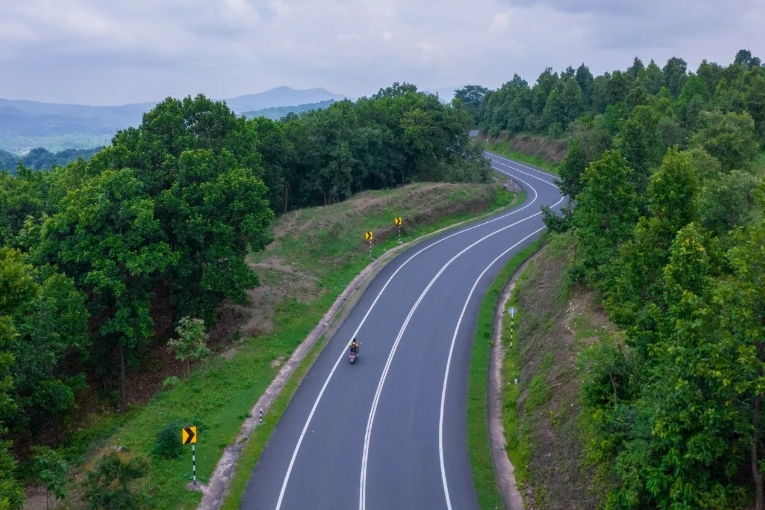
In the wave of regional connectivity and economic integration, a highway project that runs through three countries and carries strategic ambitions and economic and trade expectations is overcoming numerous challenges and steadily advancing - this is the India Myanmar Thailand trilateral highway. As a key pillar of India's "Eastward Action" policy, this project not only aims to reshape the regional geographic and economic landscape, but also serves as an important physical link to deepen ASEAN India relations.

The concept of IMT's three sided highway goes far beyond asphalt and bridges. It is a strategic commitment by India to closely connect its geographically isolated northeastern region with the economies of Southeast Asia. Through the "Eastward Action" policy, India seeks to transcend historical ties and establish deeper partnerships with ASEAN in areas such as trade, investment, security, and culture. This planned highway with a length of approximately 1360 kilometers will become a lifeline for the flow of goods, people, and ideas, directly serving the deepening implementation of the ASEAN India Free Trade Agreement. It is expected to significantly reduce trade costs and enhance the resilience of regional supply chains.
Despite the ongoing political turmoil in Myanmar casting a shadow over the project, bringing security risks and engineering delays, the pace of construction has not stopped. At present, the focus of the project is on key road sections within Myanmar: firstly, the construction of the 121 kilometer road connecting Karawe and Yagyi; The second is the construction project of a total of 69 bridges on the 150 kilometer section from Tamu to Kigune and then to Karawe. These projects are the core links to break through the "breakpoints" of the entire line and ensure full accessibility.
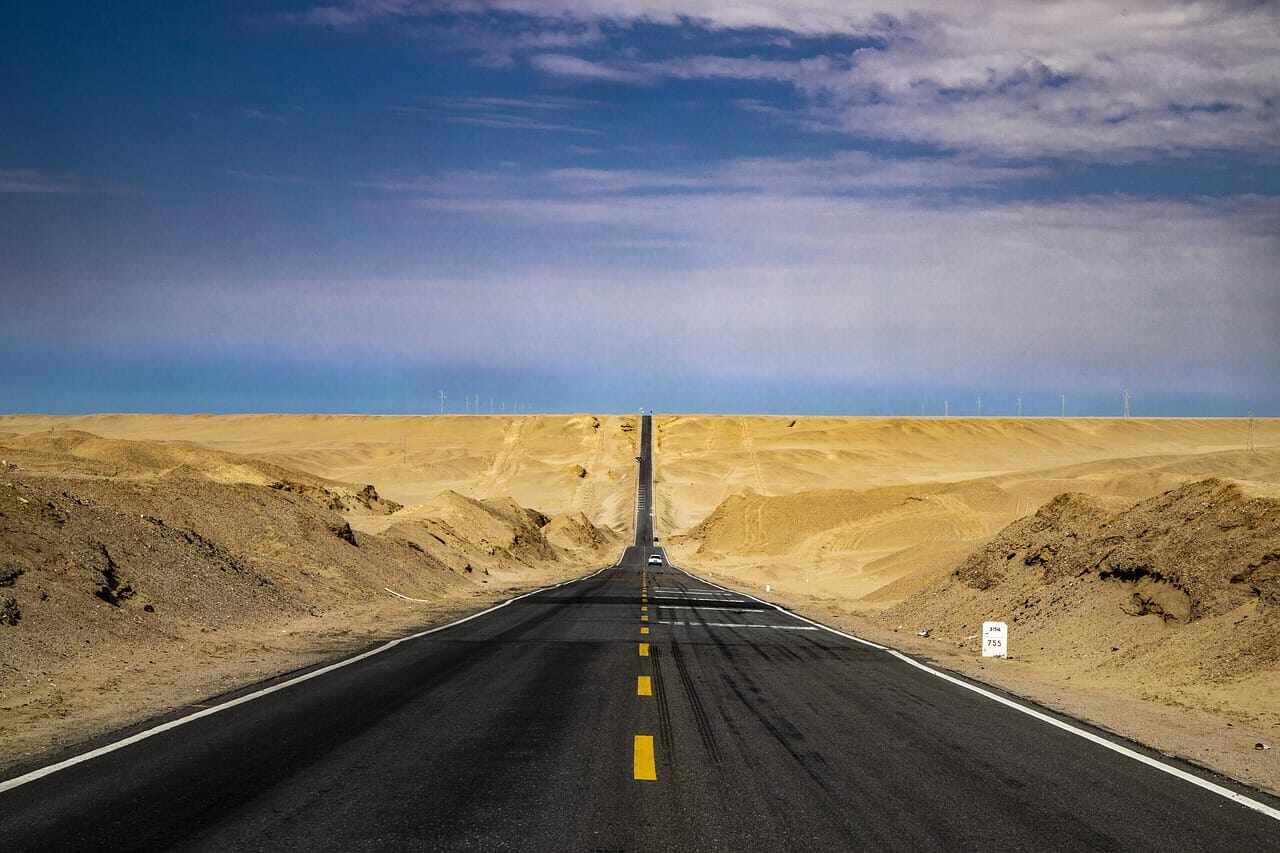
In India, the progress of the project is supervised by the Department of Development for the Northeastern Region, highlighting the Indian government's view of the Three Sided Highway as an important catalyst for driving economic development and promoting social integration in its northeastern states.
The ambition of IMT's trilateral highway does not stop at the border of the three countries. It is widely regarded as a precursor to the future "India Myanmar Thailand Cambodia Vietnam Laos Economic Corridor" and even the larger "Pan Asian Highway Network". This long-term plan heralds the birth of a seamless land transportation corridor extending from India to Vietnam, which will completely change the connectivity map between South Asia and Southeast Asia.Editor/Cheng Liting
Comment

 Praise
 Collect
 Comment

 Share
Share


Write something~