 Search


- Chinese, French, and Arab companies join hands to build one of the photovoltaic projects, the Hazna Solar Power Station, which has lande
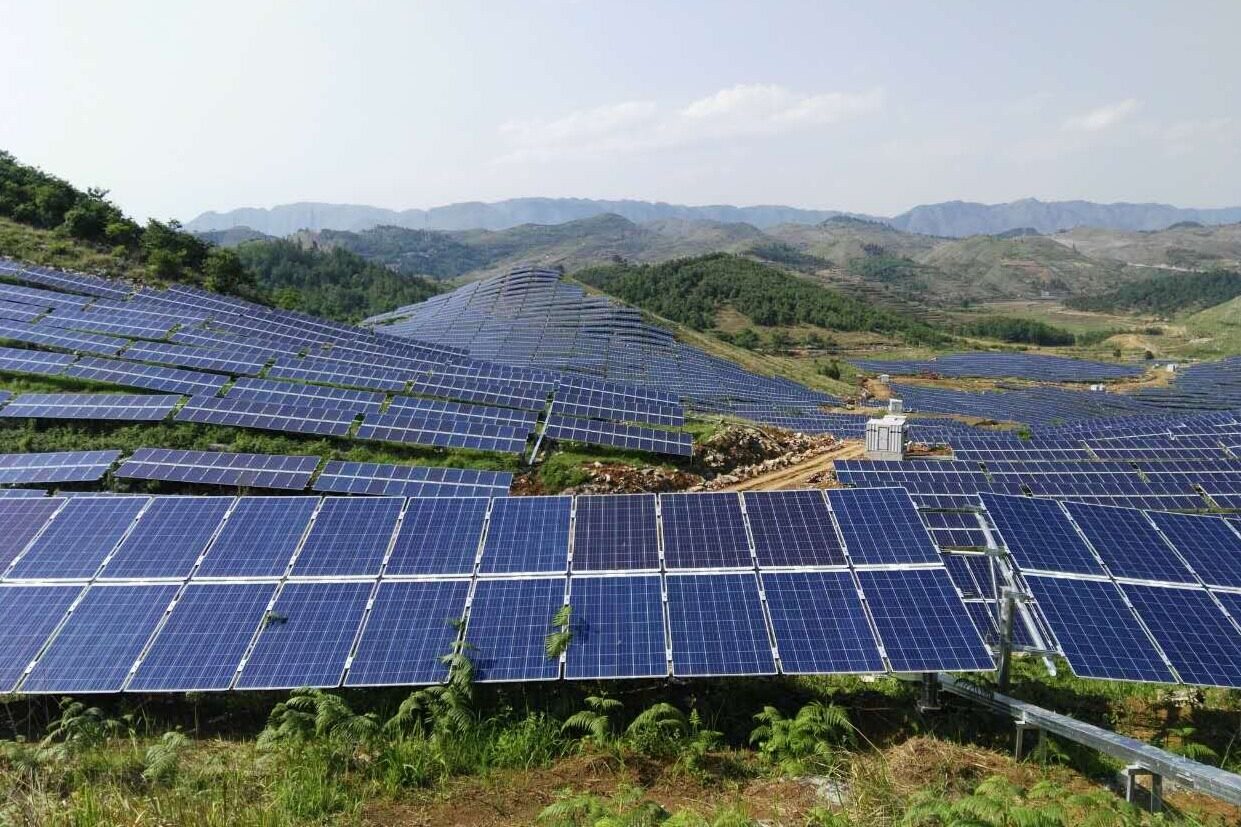
Recently, the United Arab Emirates Water and Electricity Corporation (EWEC) officially announced that the Khazna solar photovoltaic independent power generation project, with a total investment of billions of dirhams, will be awarded to a consortium composed of global energy giant ENGIE from France and renewable energy leader Masdar from the United Arab Emirates. The implementation of this landmark project marks a crucial step forward for the United Arab Emirates in promoting energy structure diversification and sustainable development.
According to the agreement, both parties have simultaneously signed a legally binding long-term power purchase agreement (PPA). The project progress plan is clear, and it is expected to complete the financing closure in the fourth quarter of 2025. It is also planned to achieve full capacity grid connected power generation around 2027, which will inject a large amount of clean electricity into the UAE national grid.
Leading technology, creating a model of intelligent green power station
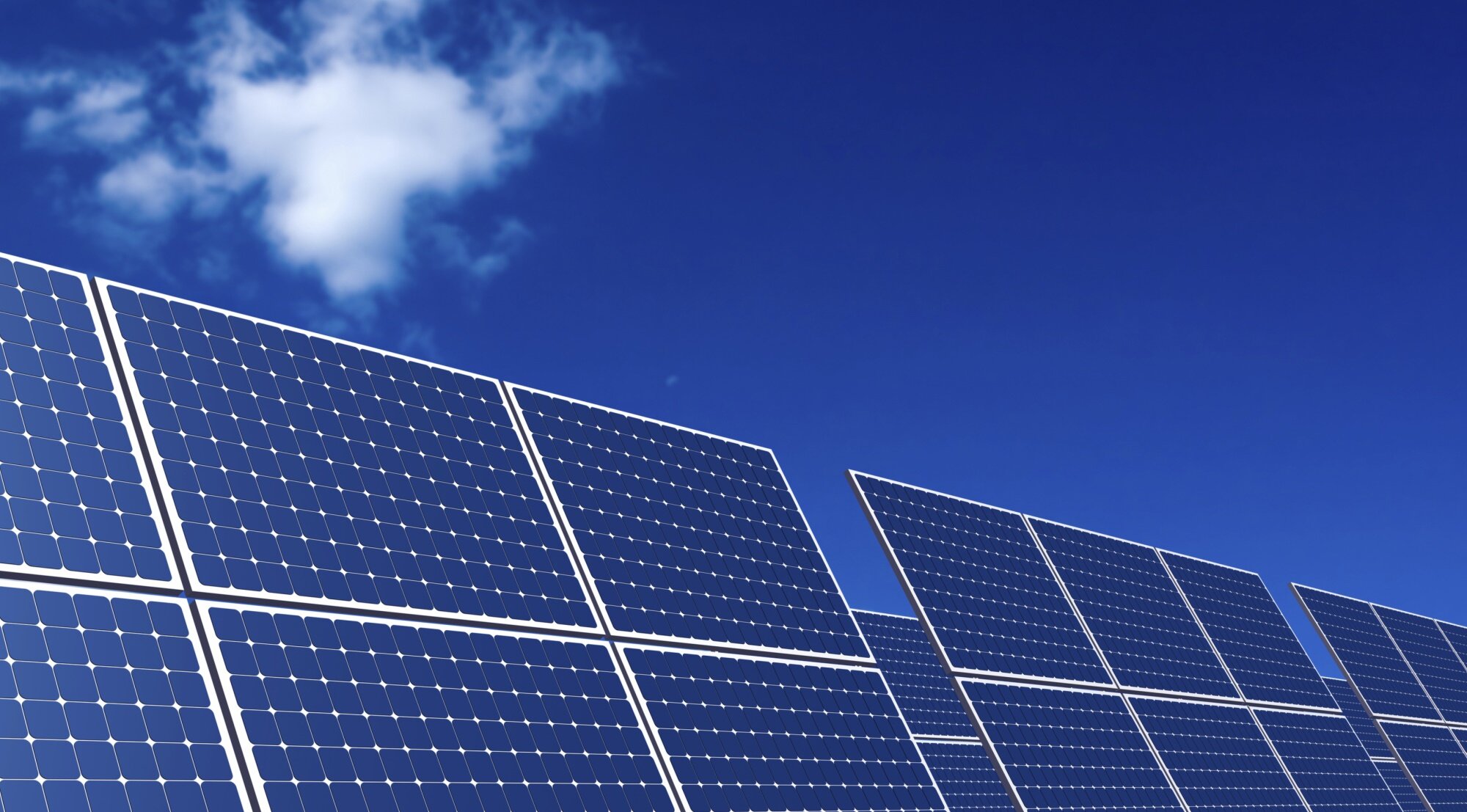
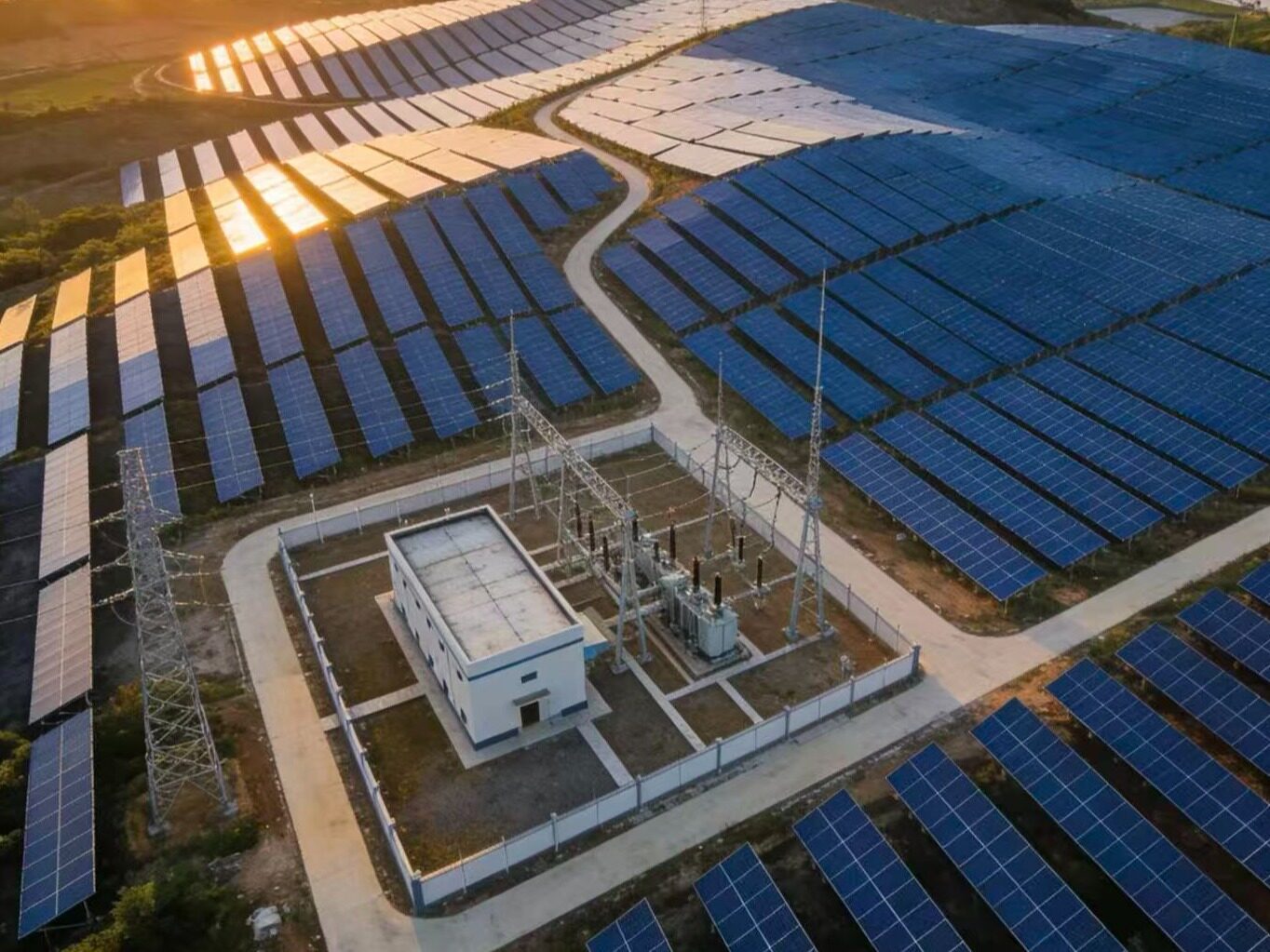
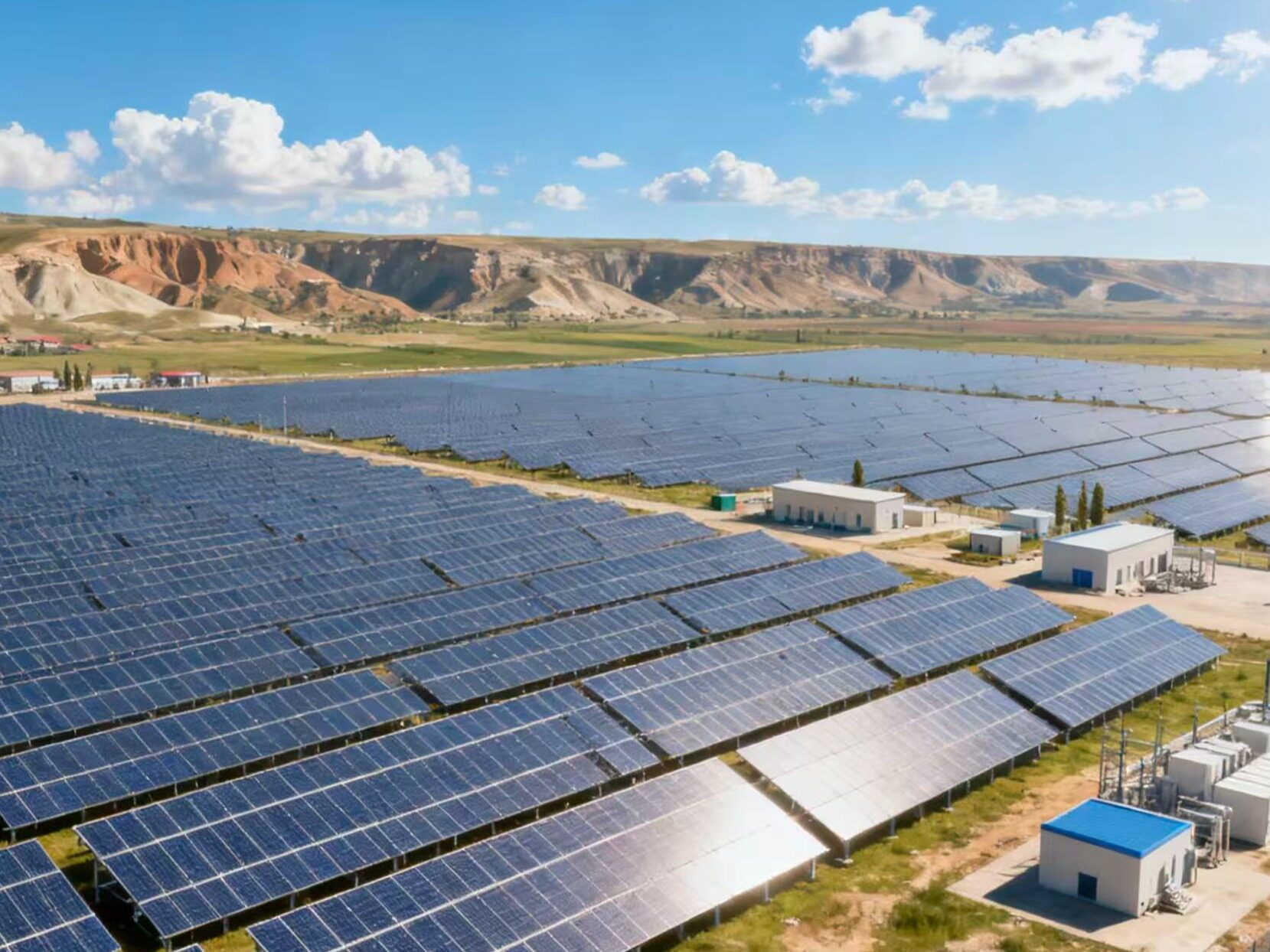
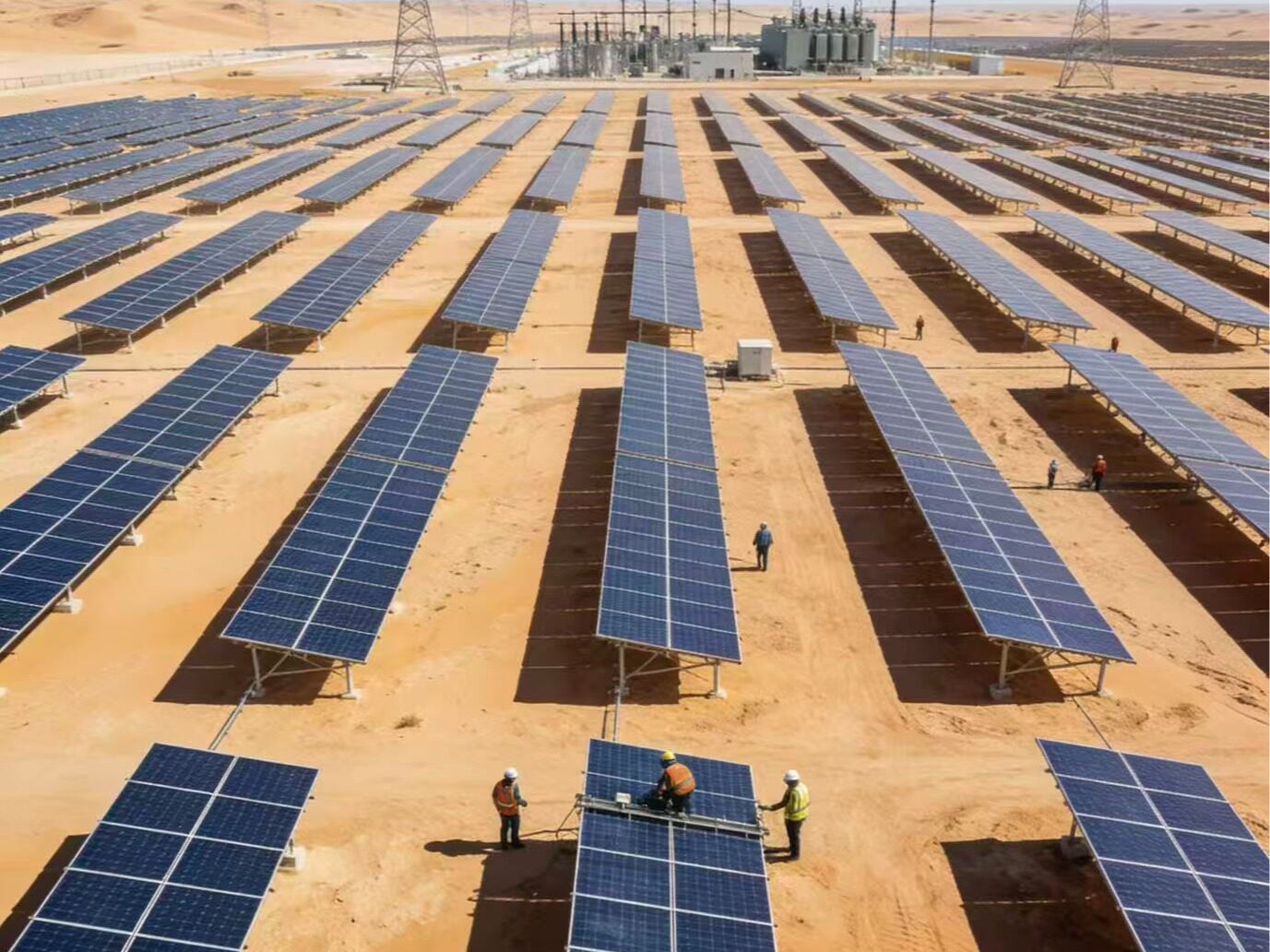
The Khazna project is a model in both technology and scale in the industry. The project will install nearly 3 million photovoltaic panels using intelligent tracking technology on a large scale, ensuring that the solar panels always face the optimal angle and maximize the capture of solar energy. Its total installed capacity is as high as 1.5 gigawatts (AC side), and after completion, it will become one of the largest single photovoltaic power plants in the world.
In terms of environmental benefits, after the project is put into operation, it is expected to reduce carbon dioxide emissions by up to 2.4 million tons per year, which is equivalent to directly removing about 520000 fuel vehicles from the road and making a significant contribution to improving the environmental quality of the region.
In addition, the project deeply integrates digital and intelligent technologies. By installing IoT sensors, deploying robot automatic cleaning systems, and establishing a cloud based big data monitoring platform, the power generation efficiency of the power station is expected to increase by more than 10% compared to traditional power stations, while the operation and maintenance costs can be effectively reduced by 15%, setting a new benchmark for "intelligent operation and maintenance". The PPA settlement structure of "net on grid electricity" adopted by the project also reflects the innovation of its business model. EWEC only settles based on the actual purchased electricity, reducing the cost and risk of purchasing electricity.
Strategic support to accelerate Abu Dhabi's clean energy blueprint
The Khazna photovoltaic project is the fourth world-class mega solar power station successfully launched by EWEC since 2019, forming an indispensable key pillar of Abu Dhabi's' 2035 Clean Power Strategy '. According to the grand plan of this strategy, by 2035, Abu Dhabi's total installed solar capacity will exceed 18 gigawatts, which can meet over 60% of the local electricity demand. Ahmed Ali Alshamsi, CEO of EWEC, commented that the implementation of the Khazna project will significantly accelerate the UAE's energy transition process and further consolidate the UAE's leading position as a global hub for renewable energy innovation and development. ”
Complementary advantages, deep integration of global experience and local wisdom
In this collaboration, both parties have demonstrated outstanding complementary advantages. As the project leader, ENGIE is responsible for overall design and engineering integration, systematically and massively replicating and applying its accumulated experience of over 10 GW of photovoltaic project development worldwide to the Middle East market for the first time. As a result, the Khazna project will become ENGIE's largest photovoltaic asset held overseas to date.
Masdar, with its strong Abu Dhabi sovereign investment background and localization advantages, provided crucial local policy coordination, land resource acquisition, and national grid integration support for the project. By participating in this project, Masdar has increased the total installed capacity of its renewable energy projects operated and developed in the UAE to over 3 gigawatts, continuously expanding its presence and influence in the domestic green energy market.
The successful cooperation of this project not only provides a successful model of "global capital+local experience" for the renewable energy field in the Middle East and even globally, but also demonstrates the firm commitment of Chinese enterprises to deeply participate in global green energy cooperation and jointly address climate change. Editor/Yang Beihua
Comment

 Praise
 Collect
 Comment

 Share
Share


Write something~