 Search


- Vietnam approves second high-speed railway project, building a modern railway network connecting China and radiating to ASEAN
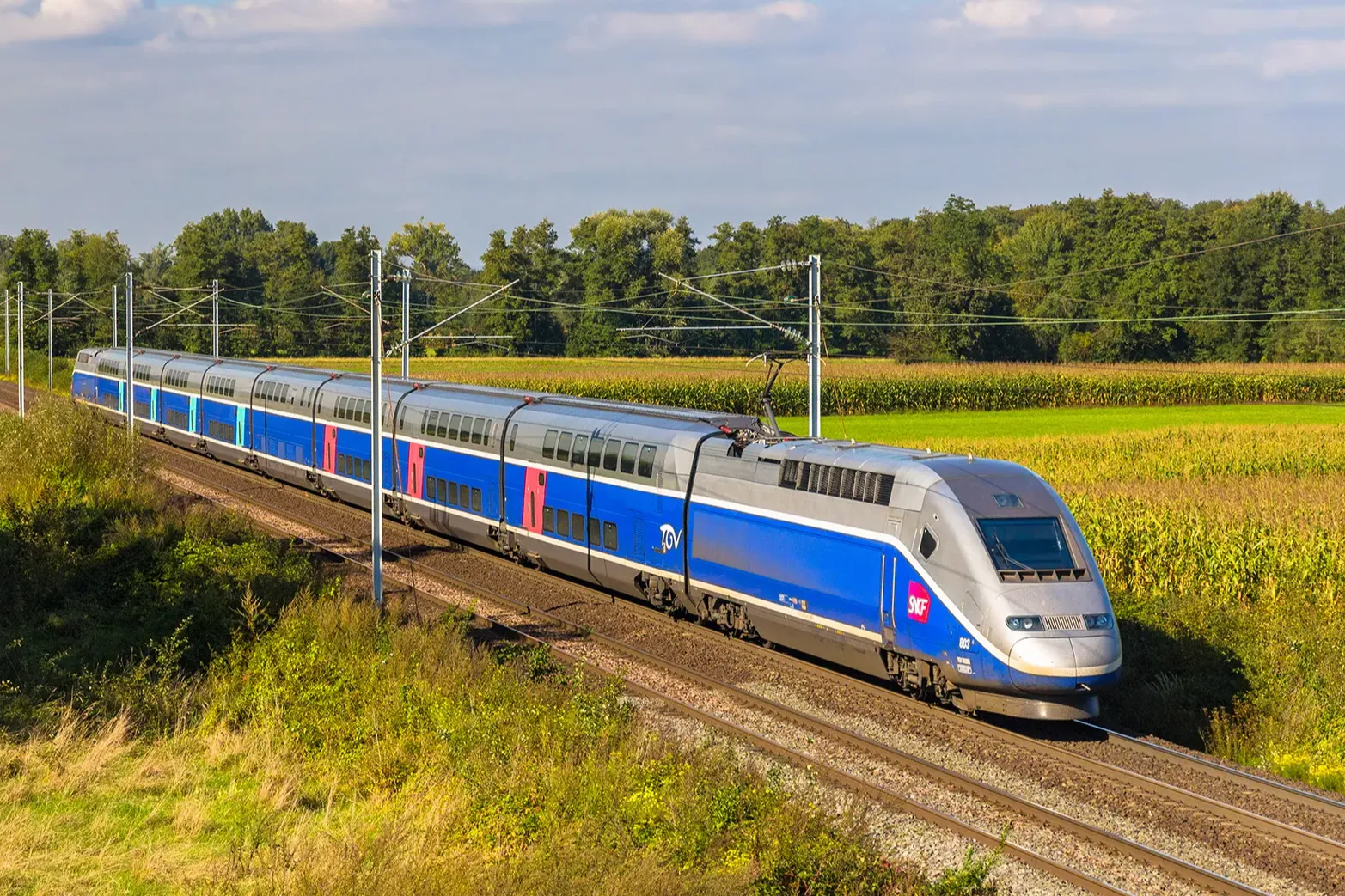
Recently, Vietnamese Deputy Prime Minister Chen Honghai signed and approved the revised plan for the 2021-2030 National Railway Master Plan, with the most notable being the construction of the country's second high-speed railway line. This 124 kilometer line will extend from the capital Hanoi to the northern province of Quang Ninh, which borders China, marking a new stage in Vietnam's railway development.
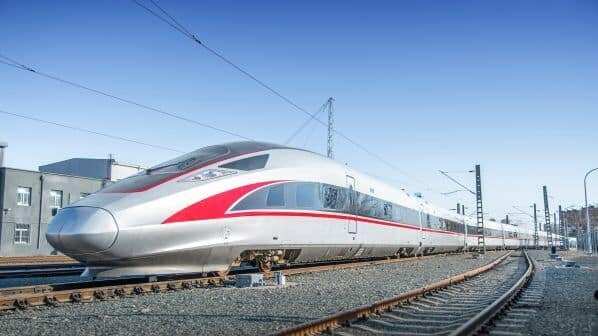
According to the plan, this high-speed railway will start from Co Loa Station in Hanoi, pass through Gia Binh area, and eventually reach Halong Xanh Station in Quang Ninh Province. It is worth noting that a new station will be built near Gia Binh, forming an air rail intermodal hub with the planned international airport. At the terminal station Halong, the line will be interconnected with the planned Haiphong Ha Long Mangjie railway line.
In July of this year, Vietnamese enterprise group VinGroup took the lead in proposing to invest in the construction of the Hanoi Guangning high-speed railway. The proposal aims to achieve a maximum operating speed of 350 kilometers per hour and is expected to require the acquisition of approximately 308 hectares of land, with a total investment of approximately 5.4 billion US dollars. According to the proposal, the route will depart from Co Loa Station, stop at Gia Binh Airport, Haiphong City, and Yen Tu, and ultimately arrive at Dai Yen Forest Park in Guangning Province, with plans to add a fifth station in Yen Vien. If the progress goes smoothly, the project is expected to be completed and open to traffic before 2030.
In addition to the second high-speed railway, the revised overall plan also includes several key projects: the 187 kilometer He Feng Ha Long Mong Cai line and the 156 kilometer Hanoi to Dongdang new line will receive investment before 2030. At the same time, Vietnam plans to launch feasibility studies for multiple new routes before 2030, including routes from Tacham to Le, from Anping to Ho Chi Minh City such as Huahong and Tan Jian.
As a backbone project of Vietnam's railway network, the first north-south high-speed railway (from Hanoi to Ho Chi Minh City, with a total length of 1541 kilometers) is also steadily advancing. The government plans to complete the contractor selection before November 2026, and the feasibility study will be concluded in August 2027.
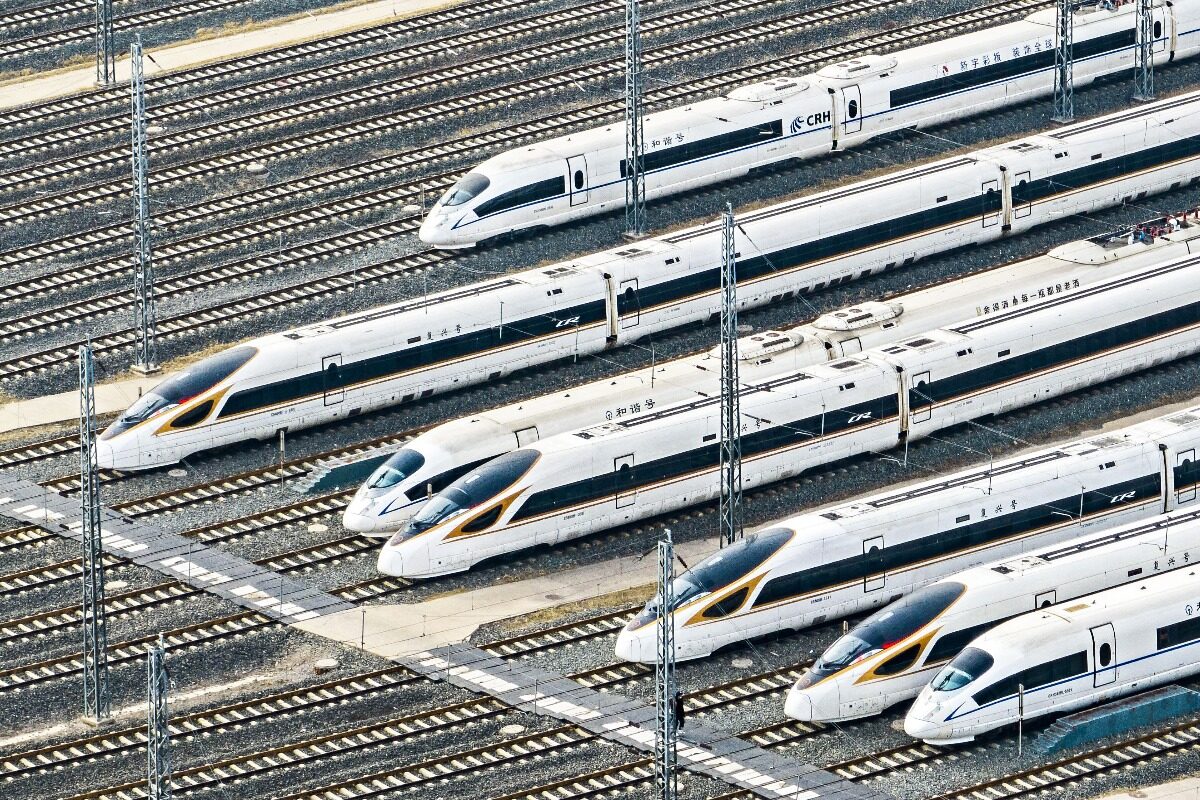
This planning revision not only focuses on the construction of high-speed railway networks, but also pays special attention to the modernization of traditional lines. The plan clearly proposes to upgrade 7 traditional railway lines, with a focus on improving connections with major ports and airports, while strengthening railway connectivity with China, Laos, and Cambodia. Keywords: Southeast Asian Engineering Information Network
The implementation of this railway master plan will greatly enhance Vietnam's infrastructure level. By building a modern railway network, it will not only strengthen domestic economic linkage, but also deeply integrate into the regional transportation system, laying a solid foundation for Vietnam's hub position between ASEAN and China.Editor/Cheng Liting
Comment


 Praise
 Collect
 Comment

 Share
Share


Write something~