 Search


- India's photovoltaic installed capacity jumps to third place in the world, policy loop accelerates formation
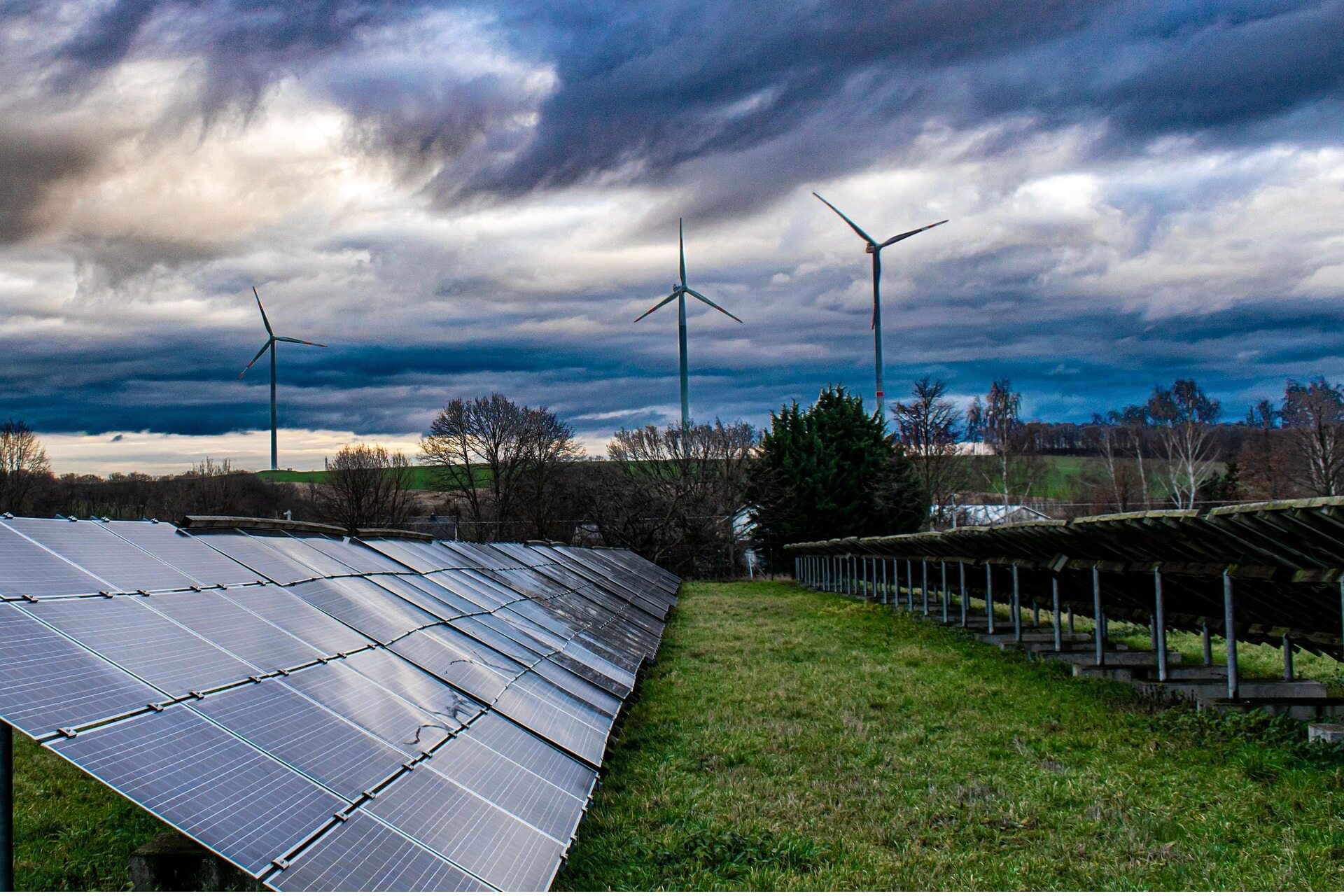
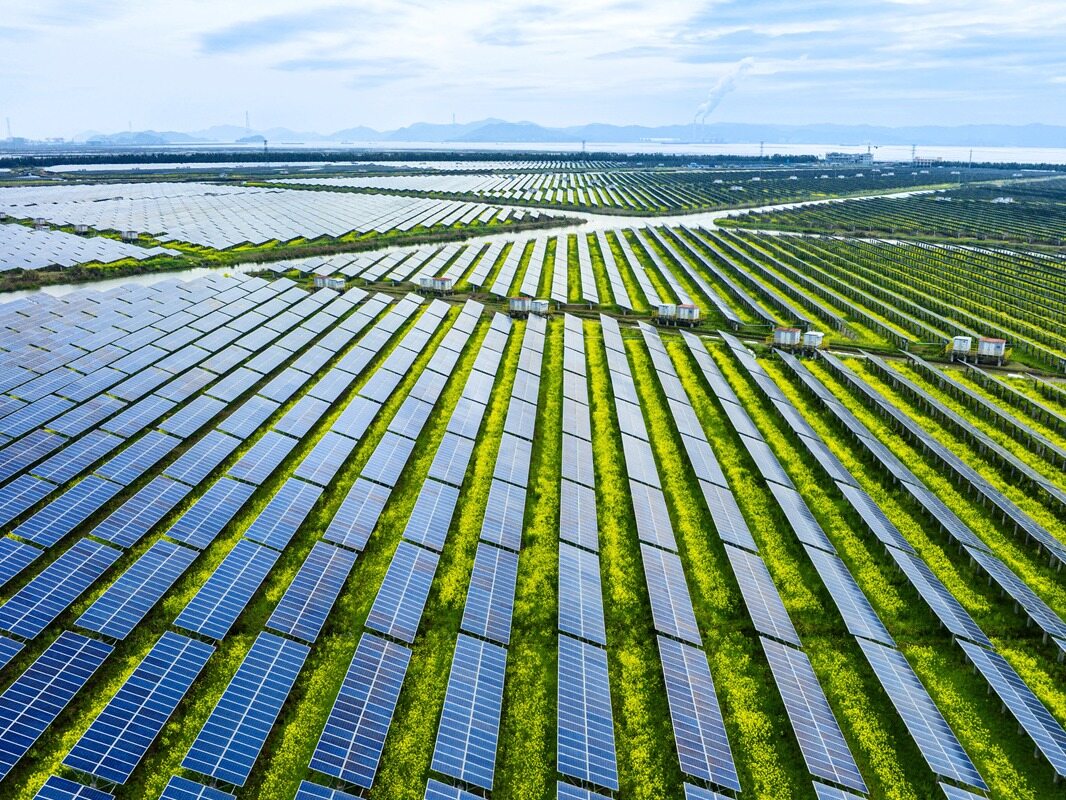
On the chessboard of global energy transition, India is rapidly filling its position. The latest data from India's Ministry of New and Renewable Energy shows that the country's total installed capacity of renewable energy has reached 274.68 GW, with photovoltaic installed capacity exceeding 150 GW, officially surpassing traditional powers such as Germany and firmly holding the position of the world's third largest installed capacity of renewable energy, second only to China and the United States. Behind this number is a drastic transformation from policy driven to manufacturing autonomy.
Rapid increase in production capacity and import substitution
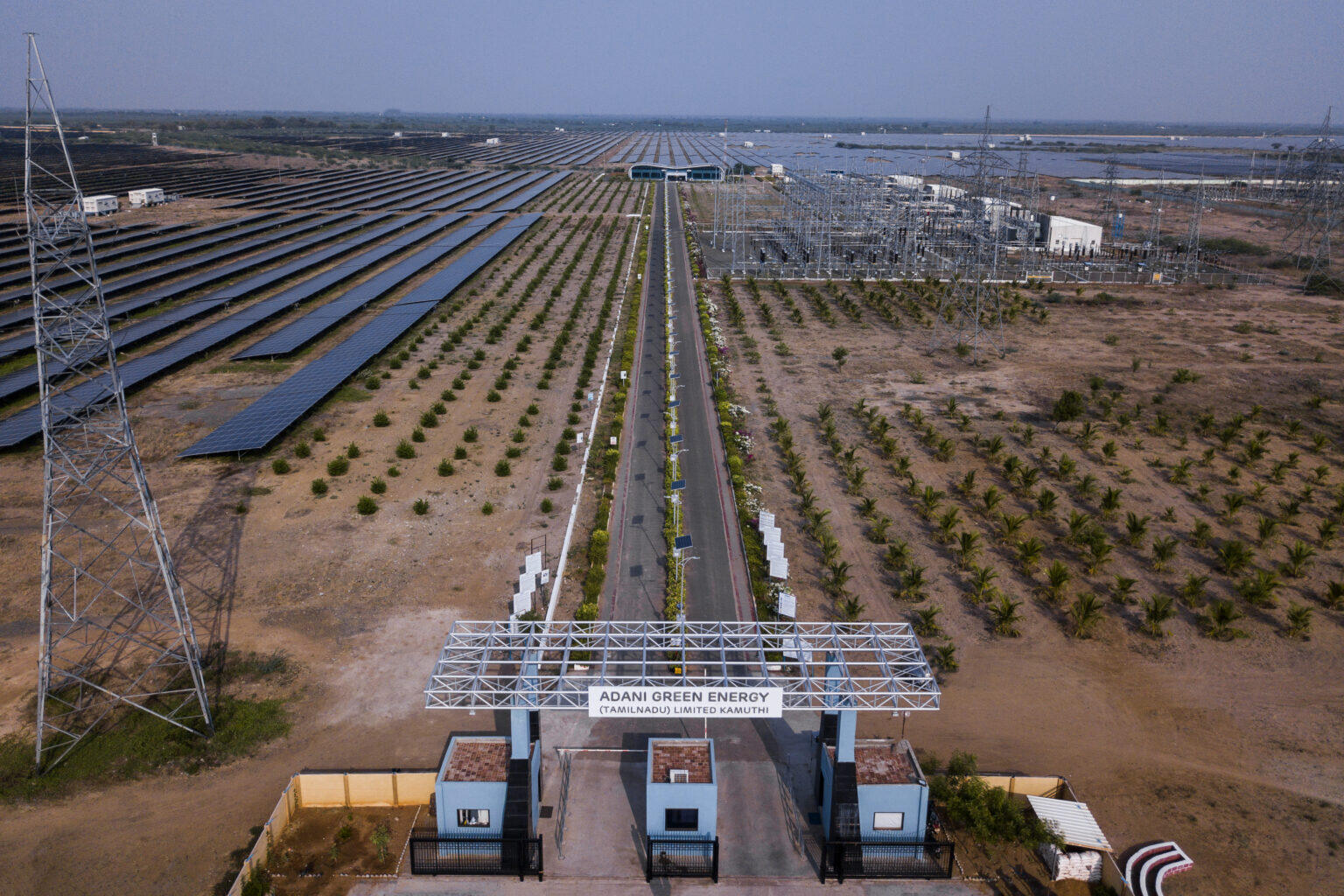
If the installed capacity is the face, the manufacturing capability is the inside. The 2025-26 fiscal year has become a watershed for India's photovoltaic manufacturing industry, with a total of approximately 98GW of new module manufacturing capacity added throughout the year and a cumulative total capacity soaring to 172GW. Market institution Mercom even gave a higher estimate of 210GW. With local manufacturers such as Waaree and Premier Energies aggressively expanding production, and even cross-border players entering the market, India's photovoltaic module imports plummeted by two-thirds within a year, shrinking from $2.152 billion to $758 million.
Deeper changes are happening upstream. The production capacity of solar cells has reached 27GW, and Waaree's newly built 10GW silicon rod and wafer factory in Maharashtra has broken ground. To completely break free from dependence on the Asian supply chain, MNRE plans to launch incentives for the production of silicon rods and wafers under the ALMM list in June 2026, with the aim of creating a complete industrial chain loop from polycrystalline silicon to components.
Power grid impact and energy storage breakthrough
This explosive growth is reshaping India's electricity structure. In the fiscal year 2025-26, India will add 44.61GW of photovoltaic installed capacity, not only breaking historical records but also doubling the previous year. The proportion of non fossil energy generation has reached 29.2%, and during the peak electricity consumption period in July 2025, this proportion will even exceed 51.5%. The Ember report from the energy think tank points out that only one-third of the deployable capacity needs to be developed, combined with photovoltaic and energy storage projects at the same site, theoretically meeting 90% of India's electricity demand. Keywords: Southeast Asian news, photovoltaics
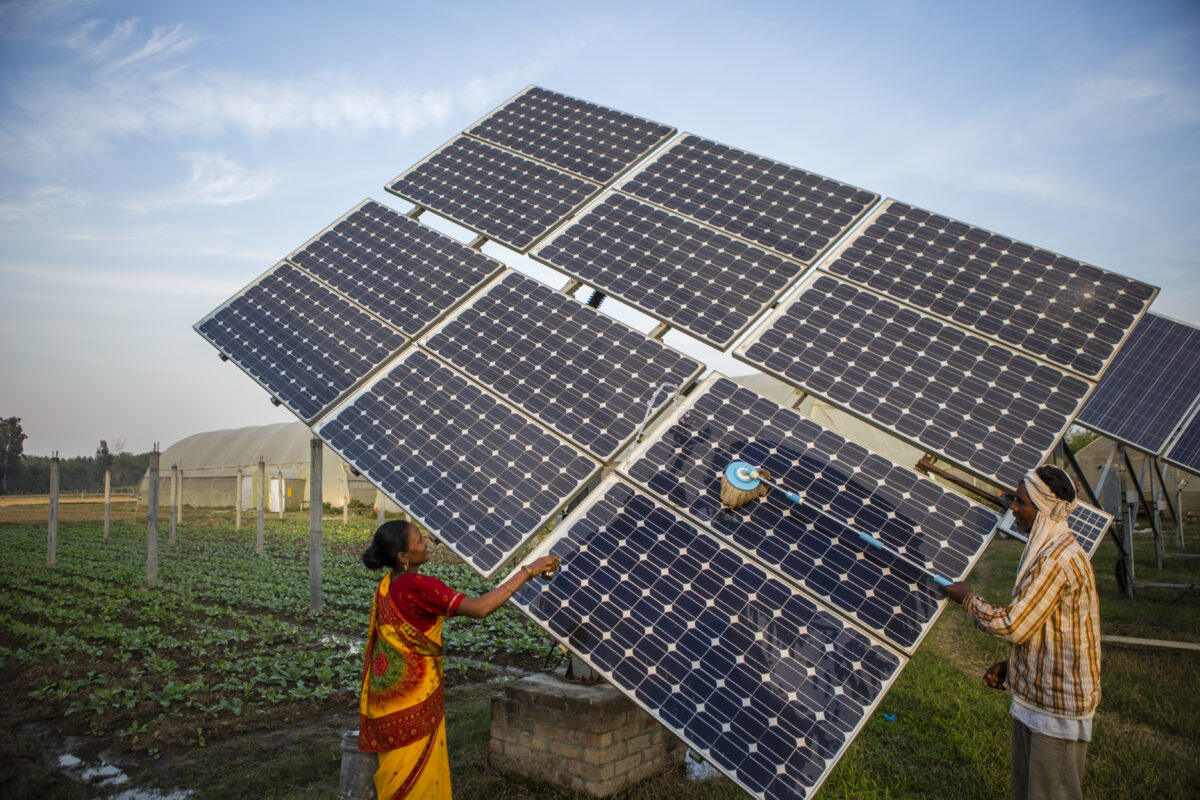
However, the rapid progress has also brought about difficulties in peak shaving. The Modi government's goal of achieving 500GW of renewable energy by 2030 may seem within reach, but how to digest this intermittent green power will be the ultimate test for India's outdated power grid. Based on current data, India is not only catching up with China and the United States, but also attempting to explore a unique path of high proportion new energy consumption in the tropical monsoon climate.Editor/Cheng Liting
Comment





 Praise
 Collect
 Comment

 Share
Share


Write something~