 Search


- Chinese shipyards have been recognized by two major international consortia and participate in the construction of Indonesian projects
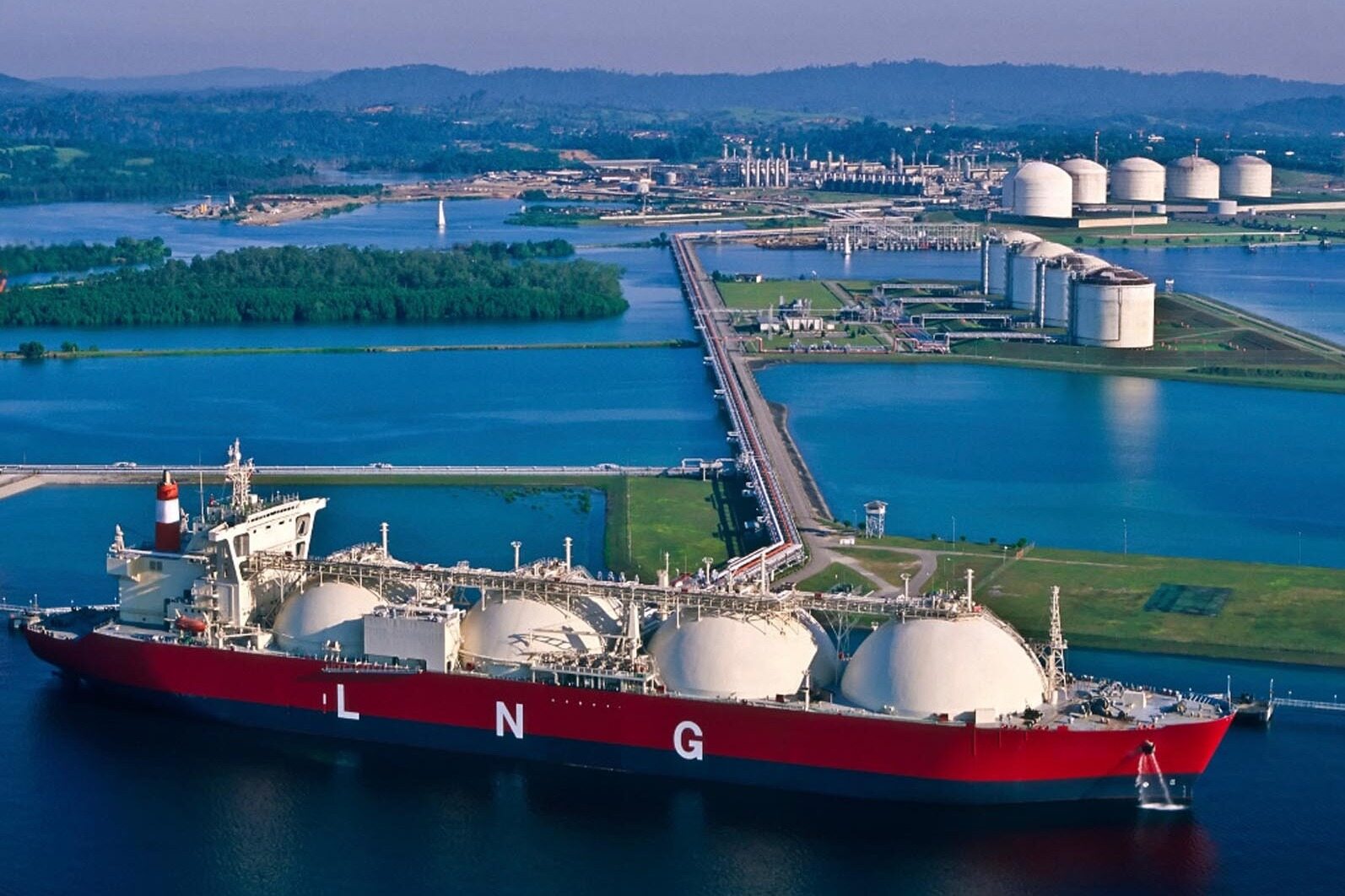
The two major competing consortia led by Saipem and Technip Energies are currently in deep negotiations with shipyards to build supporting FPSOs for the Abadi project. As the FEED work for the project is expected to be completed in the second half of 2026, the two major consortia are accelerating the allocation of shipyard resources to prepare in advance for the expected FID in 2027.
The shipyard selection process has entered the detailed implementation stage, which means that the Abadi project has moved from the planning stage to the actual execution stage. Asian industry insiders say that identifying an experienced FPSO builder in advance can effectively reduce the risk of project overruns and delays. The project plans to achieve its first gas production in the early 2030s, but the timeline is already very tight.
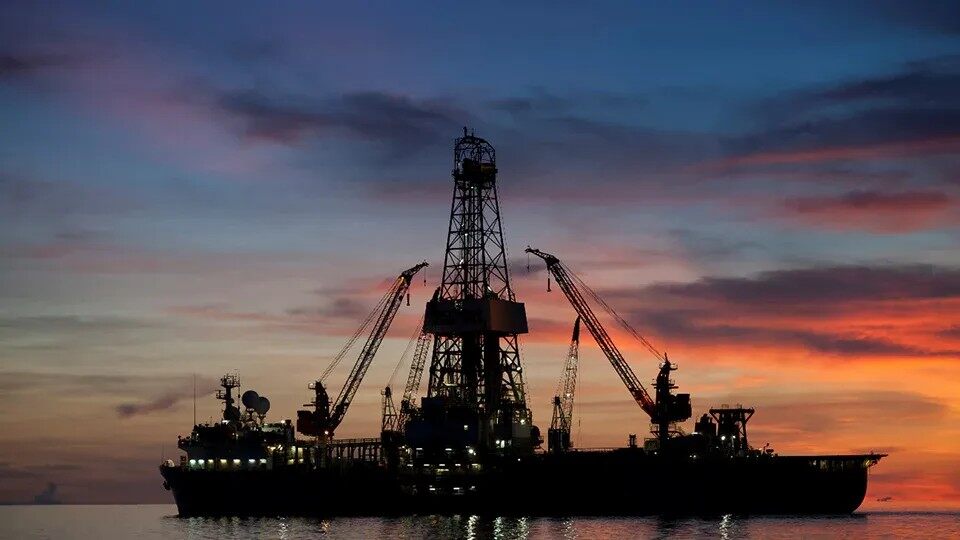
Chinese enterprises participate in FPSO construction
The consortium led by Technip Energies, consisting of Technip Indonesia and JGC Indonesia, has selected COSCO SHIPPING Heavy Industries to be responsible for the construction and integration of the hull and some upper modules. The consortium led by Saipem includes members from Tripatra Engineers&Constructors, Tripatra Engineering, and McDermott Indonesia. This camp has chosen China Ocean Engineering Equipment Technology Development Co., Ltd. to undertake subcontracting tasks for the hull, some upper modules, and integration operations. China National Offshore Engineering Corporation may utilize its engineering and construction resources from participating shipyards, including Shanghai Waigaoqiao Shipbuilding and Qingdao Beihai Shipbuilding Heavy Industry. McDermott will utilize its joint venture shipyard Qingdao Wuchang McDermott to construct some upper modules, while the remaining upper modules will be completed by Saipem and McDermott's Indonesian construction base.
China National Offshore Engineering Corporation's participation in the Abadi FPSO project is the first time that China National Offshore Engineering Corporation has competed in an international floating liquefied natural gas project. The FEED related work will start in September 2025 and is currently progressing smoothly. It is expected to be completed in the second half of 2026. After the FEED phase is completed, Inpex will select the winning FEED contractor and convert the relevant contracts into engineering, procurement, and construction contracts.
Basic Overview of the Project
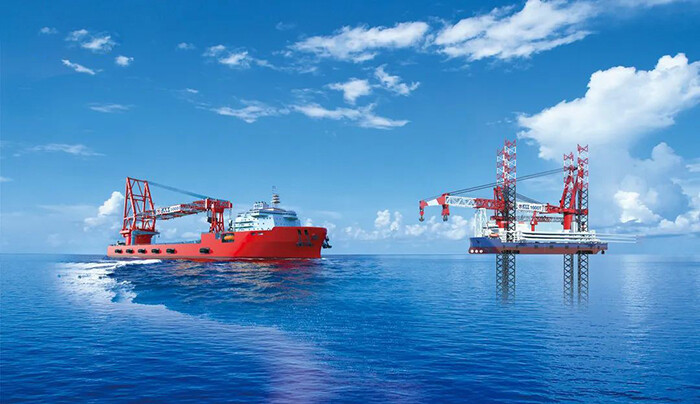
The Abadi LNG project is located in the Masela block, 150 kilometers off the coast of Saumlaki, Maluku Province, Indonesia, and is one of the largest liquefied natural gas projects in Asia. The project is operated by the Indonesian subsidiary of INPEX, Japan's largest upstream oil and gas company, with a current equity structure of INPEX holding 65%, Petronas holding 20%, and Petronas holding 15%. After Shell's exit in 2023, its 35% stake will be taken over by Pertamina and Petronas, achieving a deep integration of Japanese operational experience and local capital in Southeast Asia.
The project has proven abundant natural gas reserves, with recoverable reserves reaching up to 18.8 trillion cubic feet. After production, it is expected that the annual production capacity will reach 10.5 million tons of natural gas equivalent, including approximately 9.5 million tons of LNG and a daily production of 35000 barrels of condensate oil. In addition, 150 million standard cubic feet of natural gas will be supplied daily to meet Indonesia's domestic energy demand. The annual production of 9.5 million tons of LNG will account for more than 10% of Japan's annual LNG imports, which is of great strategic significance for ensuring Japan's energy security.
Core highlights of the project
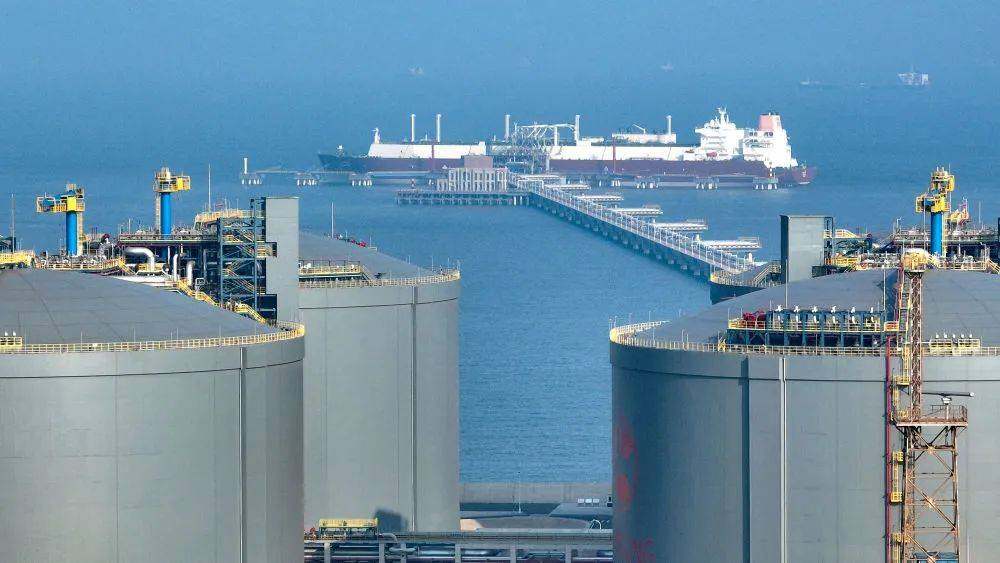
As the core offshore processing hub of the project, Abadi FPSO will undertake the core processing tasks for natural gas extraction from the gas field. After natural gas is processed on FPSO, the dry gas will be transported to onshore LNG facilities through subsea pipelines for liquefaction processing. This project is the first large-scale LNG project in Indonesia to incorporate CCS technology into its basic development plan. The carbon dioxide separated during the production process will be captured and injected back into offshore underground formations or gas reservoirs through dedicated pipelines. This design not only fulfills Indonesia's goal of carbon neutrality by 2060 and Japan's goal of net zero emissions by 2050, but also makes the project a benchmark for low-carbon LNG development in Southeast Asia.
In order to enhance project competitiveness and control costs, INPEX adopts a competitive dual FEED model for the FPSO and OLNG of the Abadi project - that is, two different consortia carry out front-end engineering design in parallel, and ultimately submit independent technical and commercial solutions. The winner will receive the subsequent EPC contract. Keywords: Indonesia, China Ocean Engineering LNG
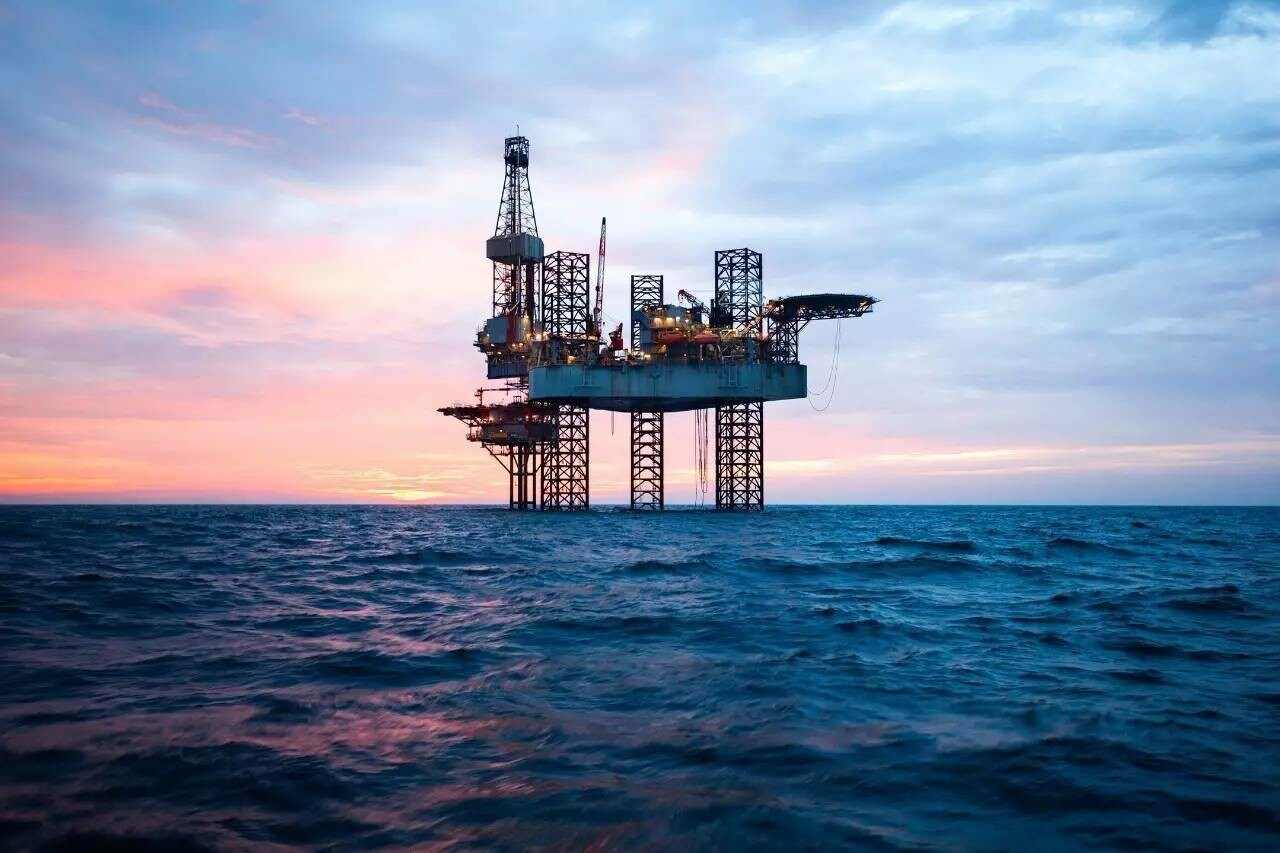
The Abadi project consists of four core engineering packages: OLNG, FPSO, SURF, and GEP. The total investment of the project is expected to be between 19 billion and 20 billion US dollars. INPEX's goal is to achieve FID by 2027 and is expected to be officially put into operation by the early 2030s, around 2031. To ensure the long-term progress of the project, INPEX has reached an agreement with the Indonesian government to extend the operating rights of the Masela block until 2055.Editor/Gong Ziwei
Comment


 Praise
 Collect
 Comment

 Share
Share


Write something~