 Search


- Affected by land acquisition, the completion of the project has been postponed to 2032, aiming to alleviate congestion in Manila
- The Philippine Department of Transportation has awarded the DMCI Dacheng Construction Consortium a contract worth 16.06 billion pesos to construct the subway to NAIA Airport section
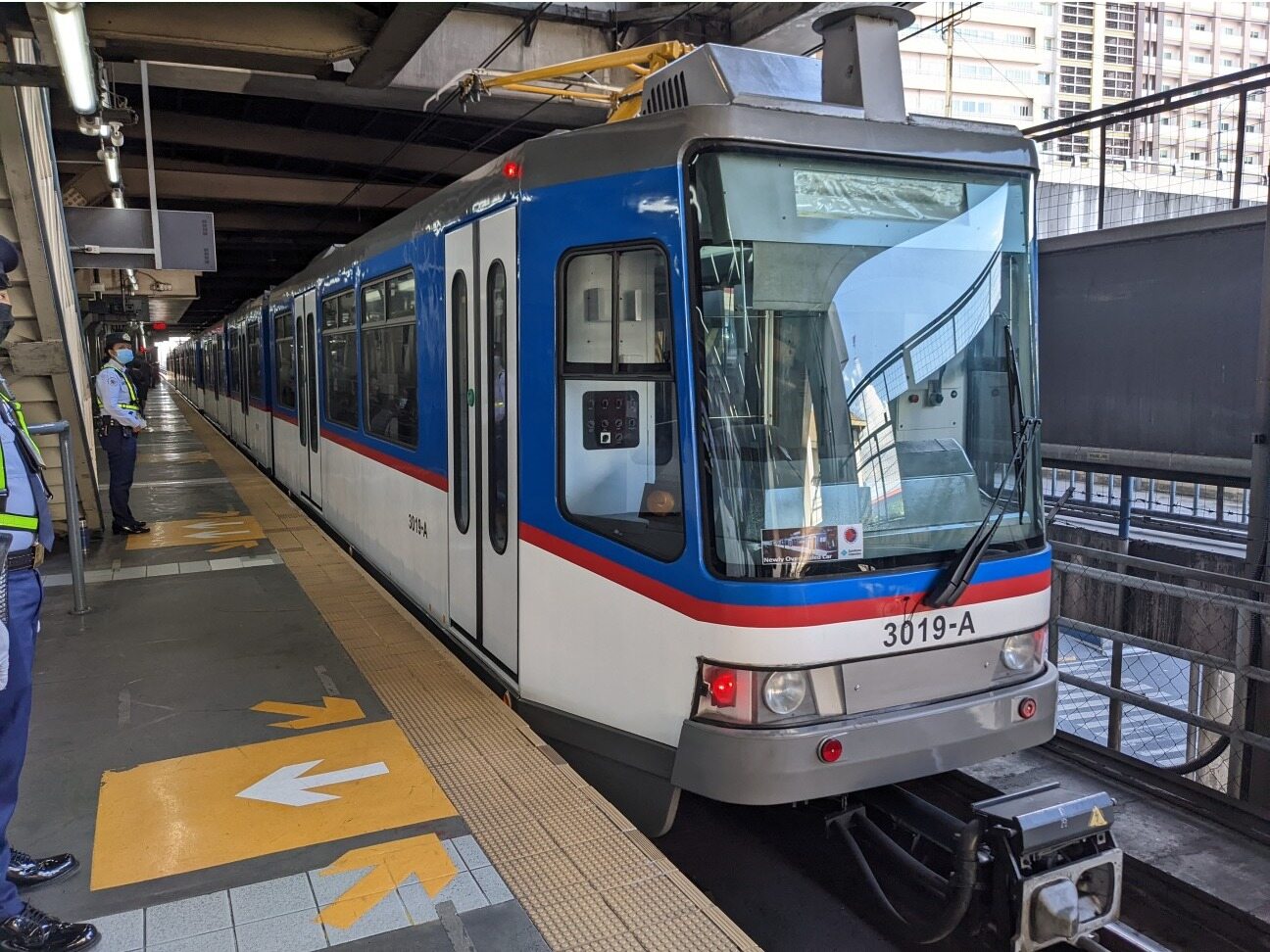
The Philippine Department of Transportation has officially awarded the key engineering contract connecting the Manila Metro mainline with Terminal 3 of Ninoy Aquino International Airport to a joint venture between local contractor DMCI and Japan's Dacheng Construction Co., Ltd. This contract package worth 16.06 billion pesos not only marks substantial progress in Manila's first underground subway project, but also reveals the difficult climb of this infrastructure behemoth under land acquisition and inflationary pressures.
Land acquisition becomes the biggest bottleneck
Although the DMCI/Dacheng Construction consortium submitted a bid of 16 billion pesos in March 2023, the final contract amount was increased by 66.2 million pesos due to rising building materials and labor costs. This adjustment reflects the erosion of large-scale infrastructure budgets by the ongoing inflationary pressures in the Philippines. The more severe challenge lies in land acquisition, with only 82.37% of the route land currently confirmed for ownership. DOTr admitted that the land acquisition dispute has caused the project completion time to slide from the original 2029 to 2032. In addition, the management rights of NAIA will be transferred to the private licensed operator New NAIA Infrastructure Company in September 2024, which further increases the coordination difficulty of interface engineering due to the uncertainty of this operating right.
TBM excavation exceeds 500 kilometers
In addition to CP109, DMCI has also partnered with Nishimatsu Construction in Japan to win the CP102 project covering Quezon Avenue to Dongda Avenue, as well as the CP105 project extending from Kala to the BGC core area; The CP108 contract from Lawton Avenue to the Senate Department of Education is also about to land. As of now, the civil engineering of this transportation artery with a total budget of 488.5 billion pesos and a total length of 33 kilometers has been completed by 27.08%. The cumulative excavation mileage of the tunnel boring machine has reached 537 kilometers, and the construction of 10 stations and vehicle maintenance depots in Valenzuela City is progressing at full speed. Keywords: subway transportation, Southeast Asian news
After the completion of this project, the commuting time from East Valenzuela to NAIA will be reduced from 90 minutes to 41 minutes, carrying an average of 520000 passengers per day and becoming a key artery for alleviating congestion in the Manila metropolitan area.Editor/Cheng Liting
Comment

 Praise
 Collect
 Comment

 Share
Share


Write something~