 Search


- The new market pattern of a hundred GW level led by a central state-owned enterprise has become clear
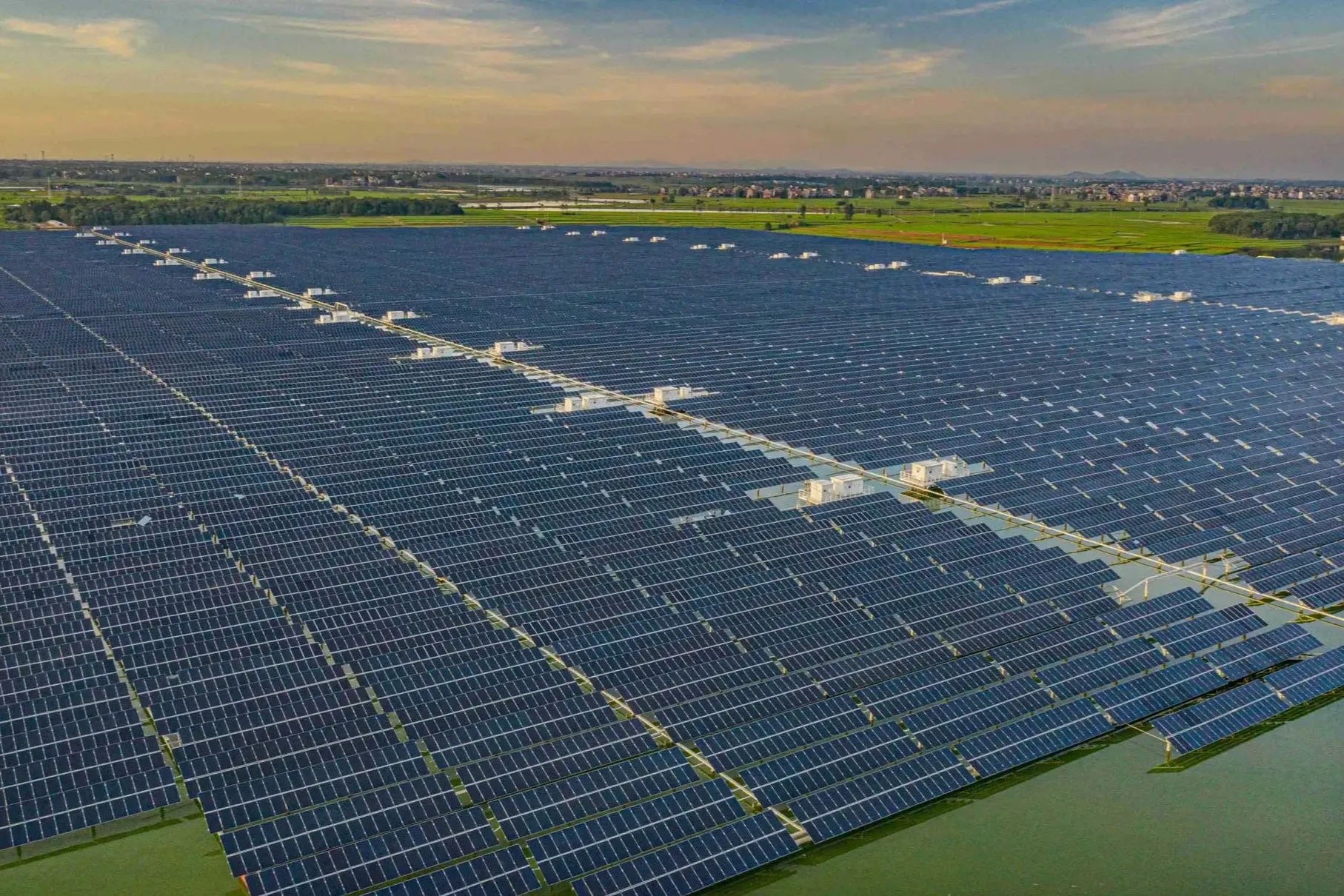
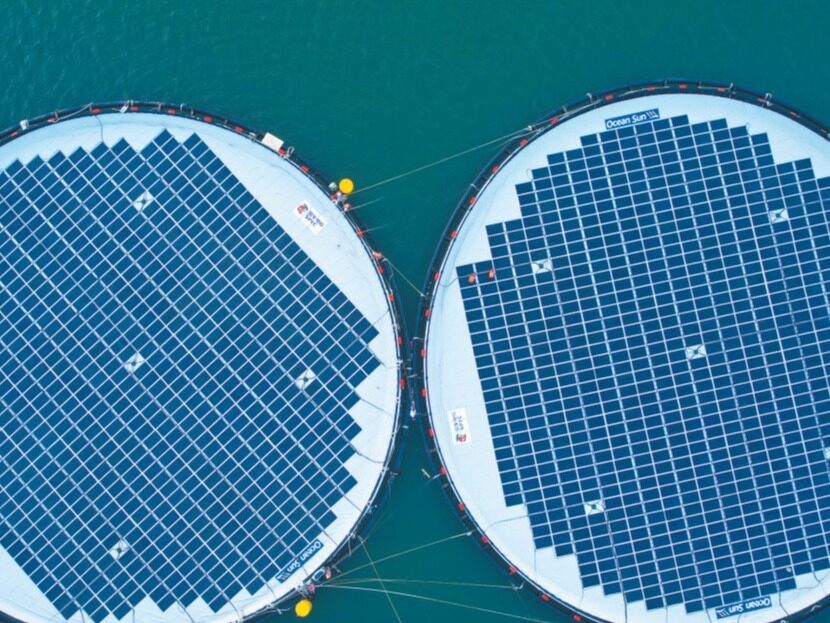
In the era of accelerating the transformation of the global energy structure towards clean and low-carbon, a brand new "blue fertile land" is bursting with vitality. Offshore photovoltaics, as an emerging force in the green power family, stands at the forefront of development with its unique advantages of not occupying land, stable power generation, and being adjacent to power centers, and is expected to become one of the core pillars of the future energy system.
In the wave of accelerating the transformation of the global energy structure towards clean and low-carbon, offshore photovoltaics are rapidly rising as an emerging core force in the green power supply system, thanks to their unique advantages such as not occupying valuable land resources, stable annual power generation, and proximity to the eastern power load center. The authoritative forecast from the International Energy Agency (IEA) shows that by 2030, the global installed capacity of offshore photovoltaics is expected to achieve a leapfrog growth, reaching a scale of 500GW, with China expected to contribute more than 40% of the share.
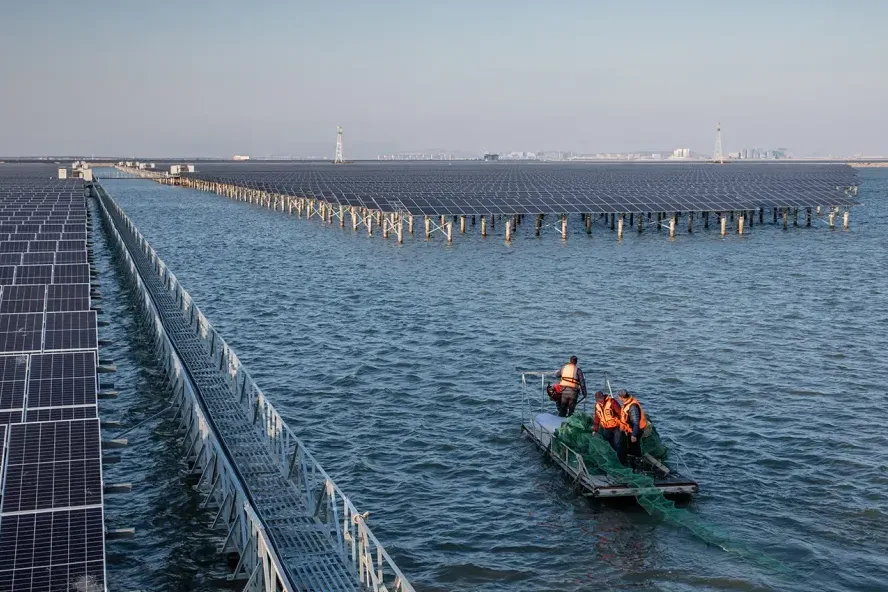
From the perspective of domestic layout, China's coastal provinces have fully sounded the horn of offshore photovoltaic development. The total scale of offshore photovoltaics planned in provinces such as Jiangsu, Shandong, Zhejiang, Hebei, Shanghai, Tianjin, Liaoning, and Guangdong has exceeded 100 gigawatts. The National Energy Administration has disclosed that 10.3GW of offshore photovoltaic projects have been officially included in the third batch of large-scale wind and photovoltaic bases, with some projects in Shandong and Jiangsu already connected to the grid for power generation, marking a critical stage in the implementation of offshore photovoltaics from the blueprint.
Looking at the current participants in offshore photovoltaic projects, central and local state-owned enterprises have become the absolute mainstay of development at this stage, relying on their absolute advantages in funding, policy resources, and maritime coordination capabilities. According to incomplete statistics from Sobi Photovoltaic Network, the scale of offshore photovoltaic projects launched nationwide has exceeded 50GW. In this huge market volume, the figure of the "national team" is particularly prominent.
Among them, the National Energy Group is far ahead with a project scale of 12.6GW, becoming the "leader" in the field of offshore photovoltaic development; State Power Investment Corporation (SPIC) closely follows, with a project scale exceeding 9GW. In addition, state-owned enterprises such as China National Nuclear Corporation (CNNC), China Three Gorges Corporation (Sanxia), Huadian Corporation (Huadian), Huaneng Group, China General Nuclear Power Corporation (CGN), and China Power Construction Corporation (PowerChina) also have GW level project reserves. Under the dominance of state-owned enterprises, private enterprises such as Chint New Energy, JinkoSolar, Linyang Energy, and Longi Green Energy are actively seeking their own positioning and participating in the project construction process.
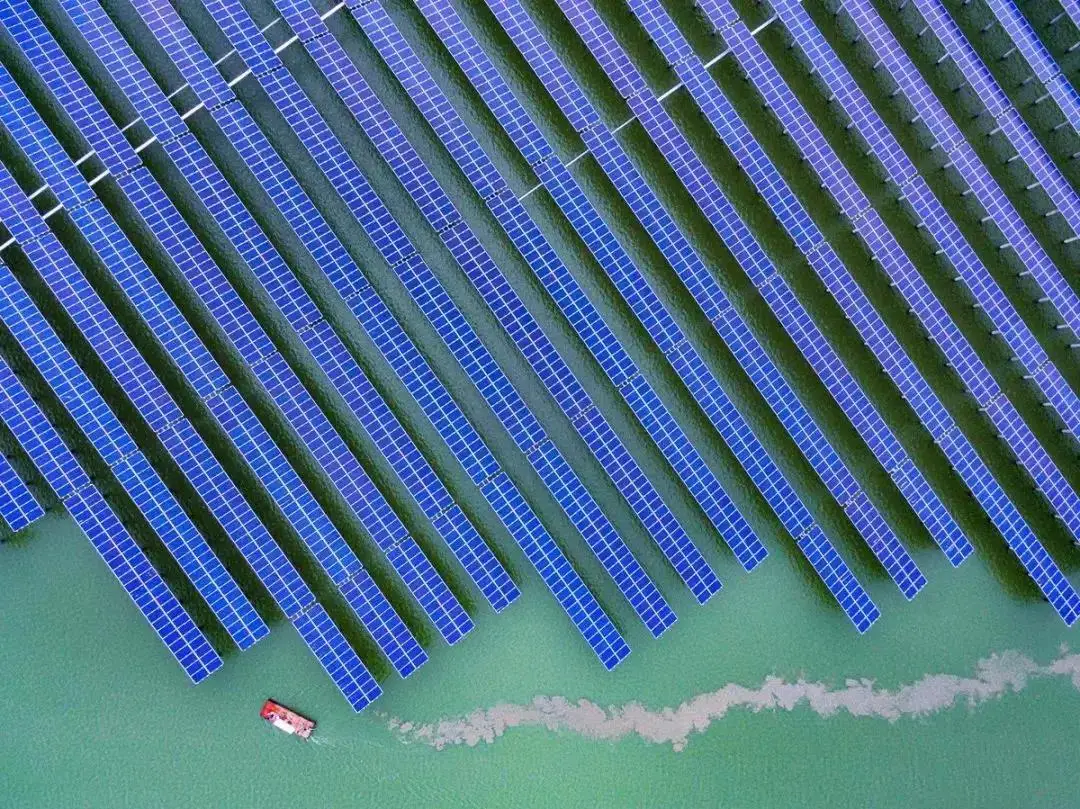
The formation of this pattern is closely related to the characteristics of offshore photovoltaic development. Offshore photovoltaic projects have the characteristics of large investment scale, long construction period, high risk coefficient, and strict requirements for policy and maritime coordination ability. The strong financial strength of central state-owned enterprises, good communication and coordination ability with government departments, and rich experience in large-scale project operation and management jointly determine their current market dominant position.
Entering 2025, coastal provinces and cities are accelerating the pace of competitive allocation of offshore photovoltaic projects, and the development model is gradually becoming clear. "Wind and solar on site" has become the mainstream of the industry due to its efficient utilization of marine resources.
Shanghai, as the forefront of China's economic development, announced the results of the 2.1GW "Wind and Solar Same Field" offshore photovoltaic competition in August. Six projects, including Shanghai Shenneng Group, Shanghai Electric Power, Datang Corporation, and Three Gorges Corporation, were successfully selected. These projects are all located within existing or under construction offshore wind farm areas, achieving the coordinated utilization of photovoltaics and wind farm land. Following closely behind, Hebei Province announced the arrangement of the Qinhuangdao 2GW "Wind and Solar Same Field" offshore photovoltaic project in September. The competition rules in various regions have become increasingly scientific and refined, with clear requirements in terms of equity structure, electricity pricing mechanism, and start-up and grid connection time limits, aimed at ensuring efficient project promotion and market vitality.
However, technological and economic challenges remain obstacles to the large-scale development of offshore photovoltaics. Some project development areas conflict with fishing, military, and ecologically sensitive areas, and factors such as high sea use fees and complex sea use approval procedures are affecting the actual development progress of the project.
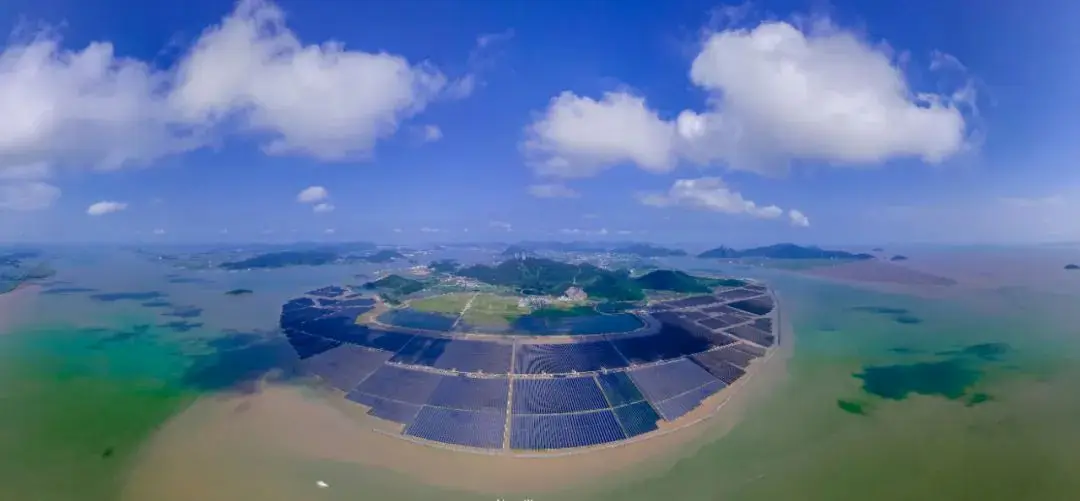
In order to address the pain points of industry development and unite the entire industry chain, the 3rd Offshore Photovoltaic Conference 2025, jointly organized by multiple authoritative institutions, will be held in Fujian in November. The conference aims to focus on core needs, gather various forces, jointly explore technological paths and business model innovation, and build a comprehensive industrial ecosystem covering "development design construction supply operation and maintenance".
The tide has arrived, the blueprint is drawn. Although there are still challenges to be solved in the future, guided by the "dual carbon" goal and resonating with policies, technologies, and markets, the vast "blue energy new continent" of offshore photovoltaics is waiting for the entire industry to explore together. Its vigorous development will not only reshape China's energy map, but also inject strong "Chinese power" into the global green and low-carbon future. Editor/Xu Shengpeng
Comment

 Praise
 Collect
 Comment

 Share
Share


Write something~