 Search


- Against the backdrop of the restructuring of the global energy landscape, GCL strengthens its core competitiveness through innovation
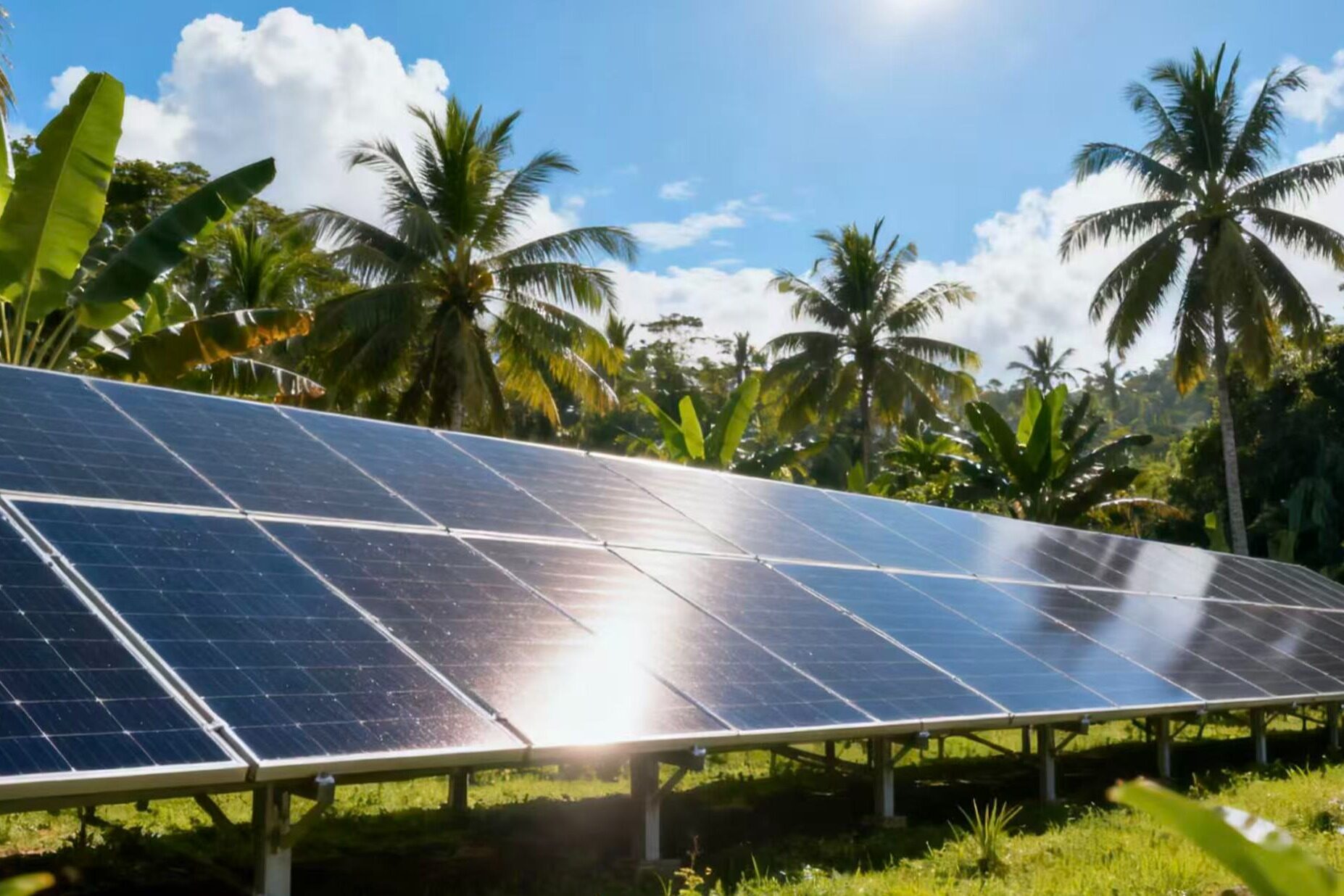
Driven by the global trend of carbon neutrality and the upgrading of energy structure in Southeast Asia, China's leading new energy enterprise, GCL Group, has recently signed contracts for two key photovoltaic projects in Indonesia. With the dual empowerment of leading technological strength and deep localization strategy, it has successfully opened the door to Indonesia's trillion dollar green electricity market and become a benchmark practice for Chinese enterprises to assist Southeast Asia's energy transformation.
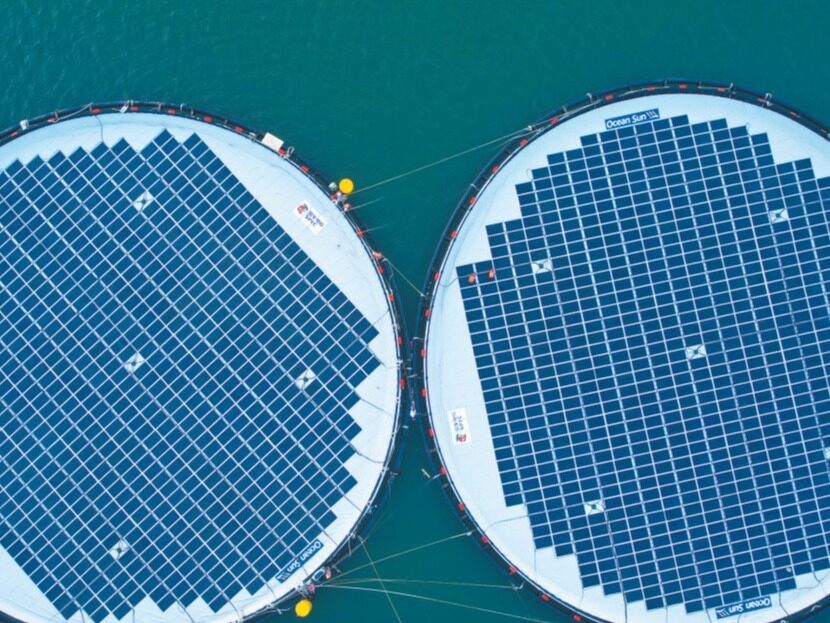
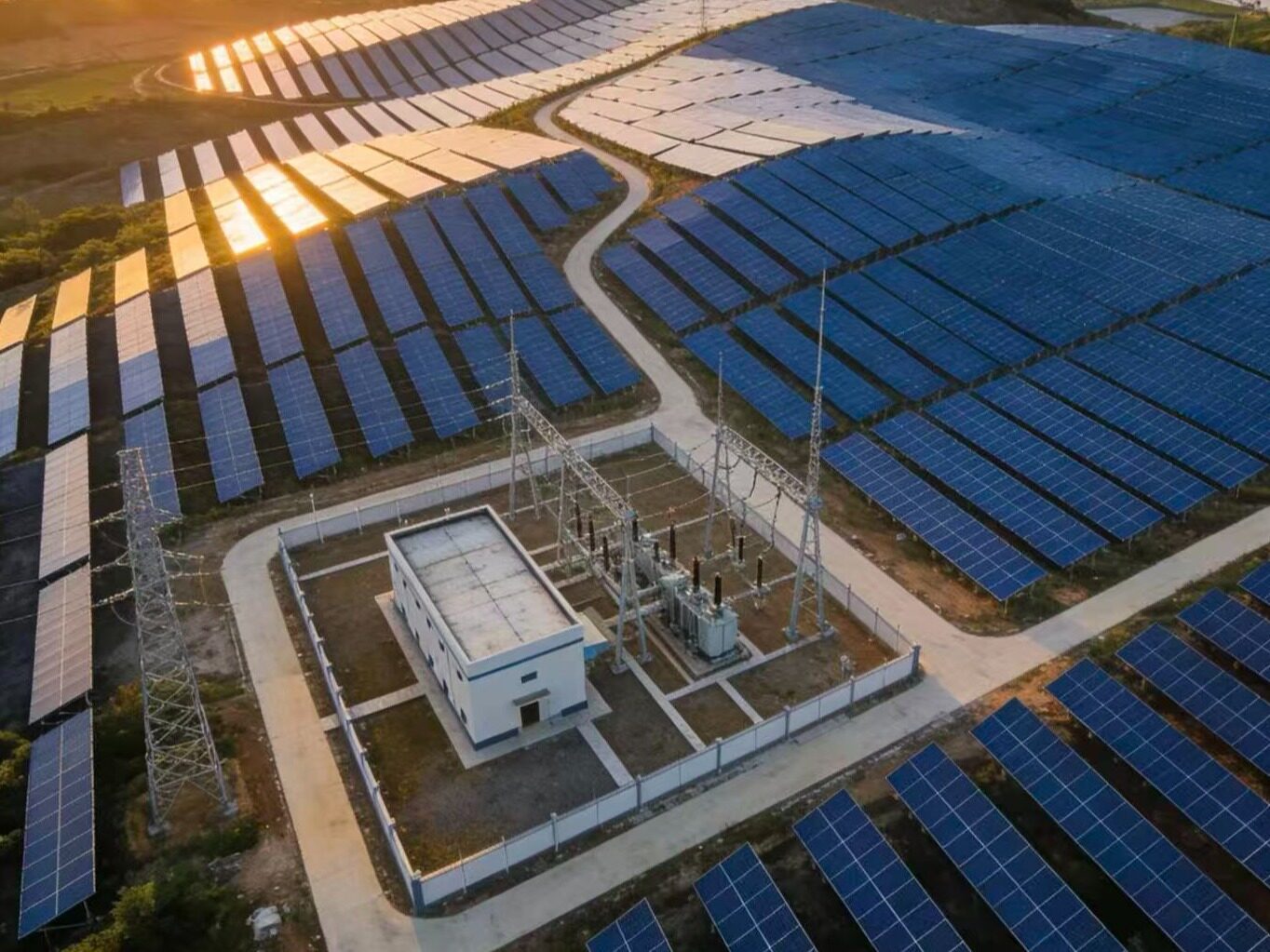
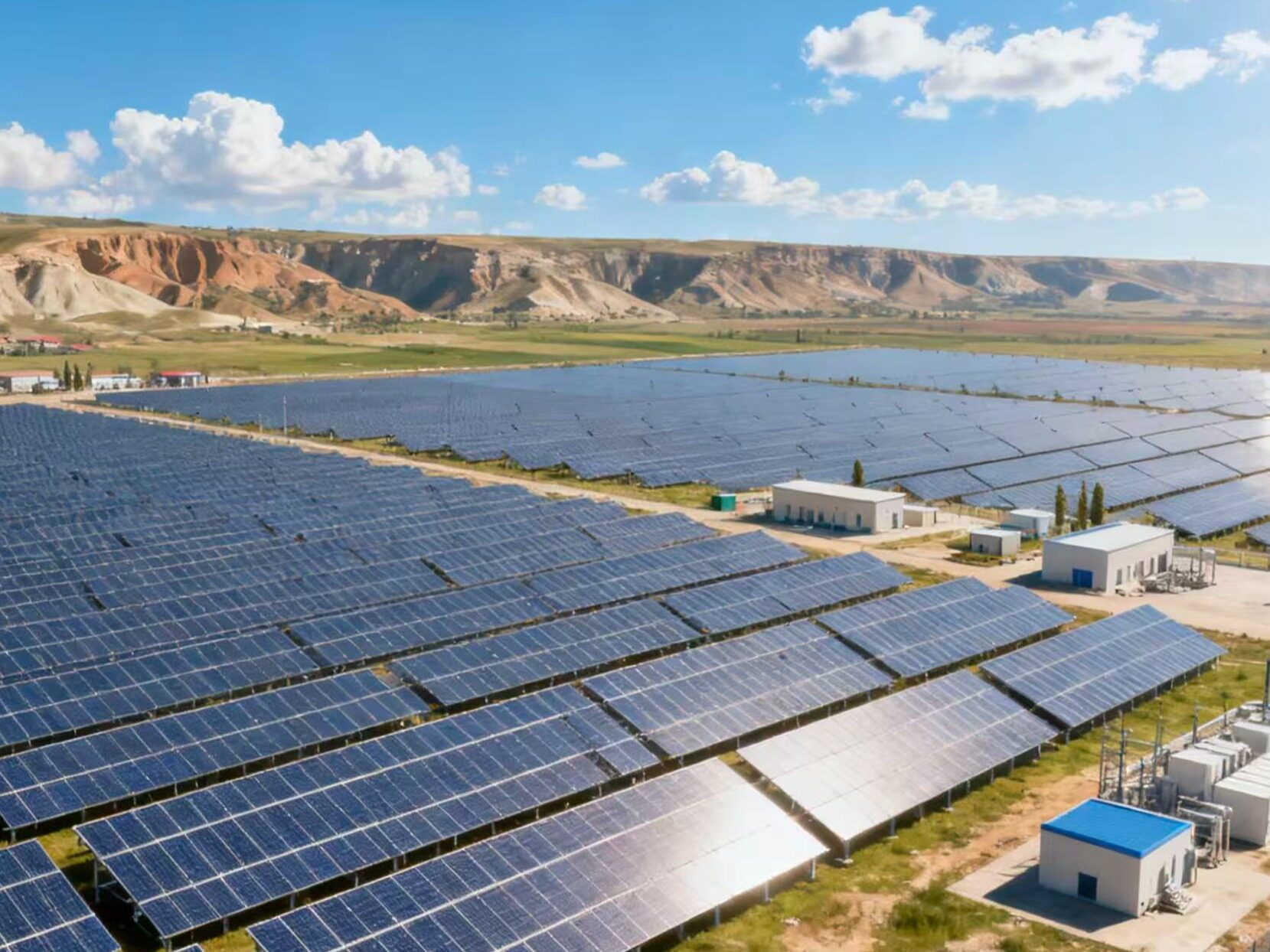
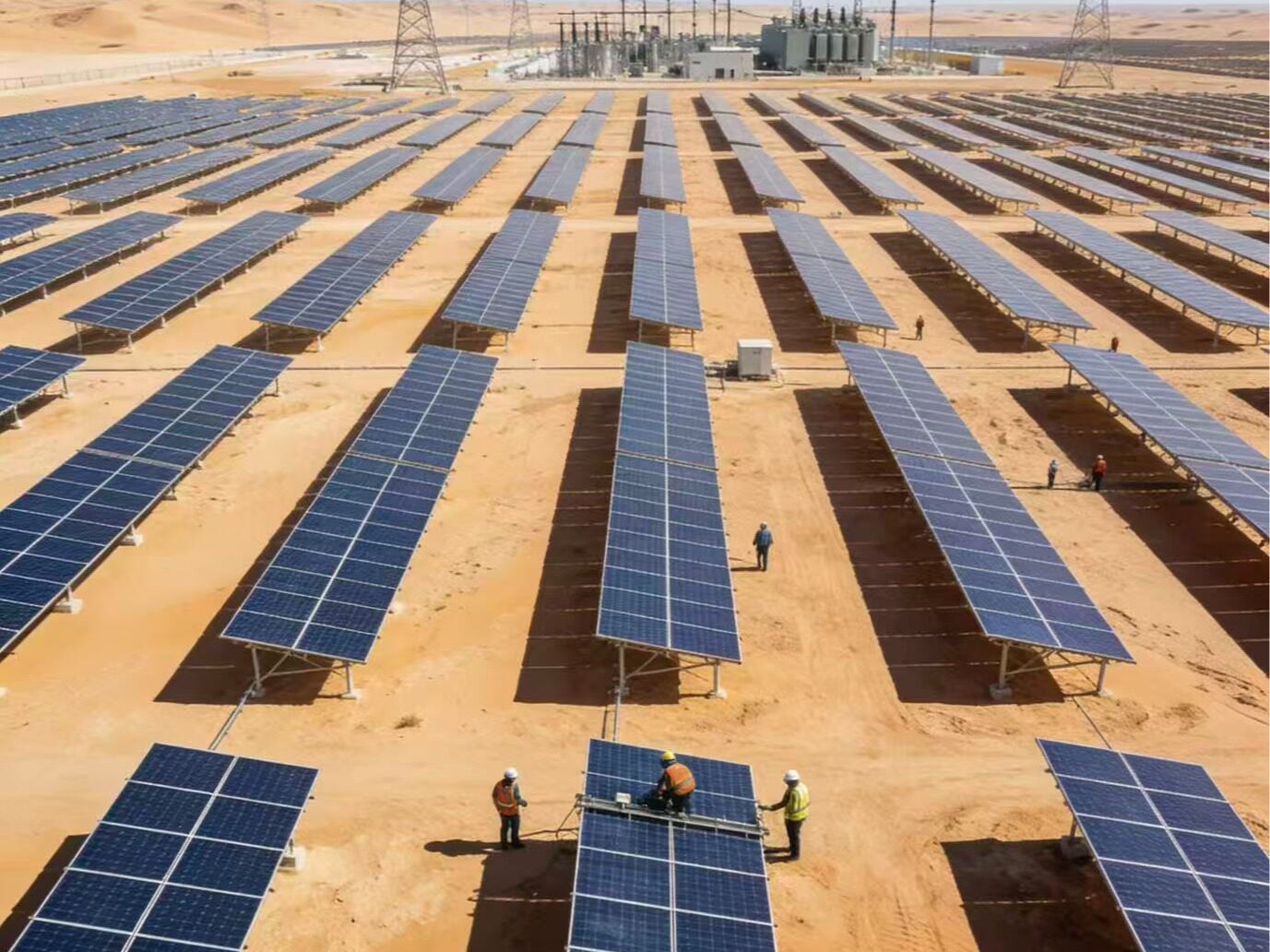
The two major photovoltaic projects signed this time, covering ground photovoltaic power stations and water-based photovoltaic demonstration projects, with a total installed capacity of 200MW, will be located in the core energy hub areas of Java Island and Sumatra Island in Indonesia. The project is in line with the core goal of "increasing the proportion of clean energy to 23% by 2030 and achieving carbon neutrality by 2060" in Indonesia's National Energy Plan (2021-2030). It plans to use the N-type high-efficiency photovoltaic modules and intelligent operation and maintenance system independently developed by GCL. The conversion efficiency of the modules exceeds 26% and can adapt to the complex climate environment of tropical high temperature and high humidity in Indonesia. Compared with traditional modules, the power generation capacity is increased by more than 15%. While ensuring project stability, it significantly reduces the cost of electricity per kilowatt hour.
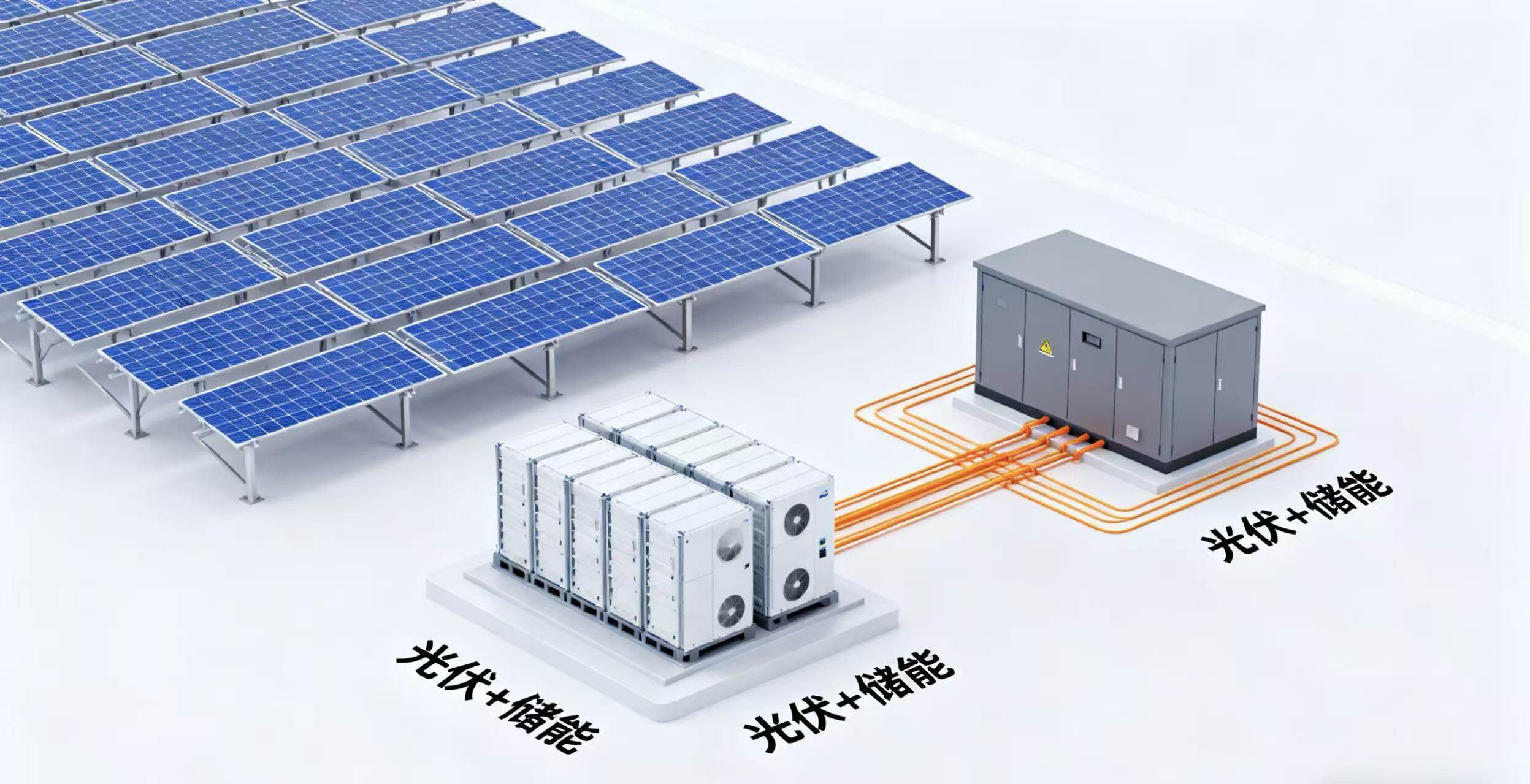
At the strategic level, GCL is not limited to delivering a single project, but has built a three-dimensional layout of "technology output+local cooperation+industrial chain collaboration". The project will reach a long-term power purchase agreement with PLN and form a joint venture with local enterprises to achieve localized operation in construction, operation and maintenance management, and is expected to create over 1000 local job opportunities. In addition, GCL plans to leverage Indonesia's abundant nickel ore resources to explore an integrated solution of "photovoltaic+energy storage", to open up the industrial chain loop of "green electricity green nickel new energy materials", and provide energy support for Indonesia to build a regional green manufacturing center.
As the country with the largest population and economy in Southeast Asia, Indonesia has long faced the dual challenges of power supply and demand imbalance and traditional energy dependence. Renewable energy such as photovoltaics has become the key to solving this dilemma. The implementation of two major projects by GCL will not only deliver over 350 million kilowatt hours of clean electricity to Indonesia annually, meeting the electricity needs of hundreds of thousands of households and industrial users, but also enhance the local photovoltaic industry's independent development capabilities through technology transfer and experience sharing.
From the perspective of regional impact, Indonesia, as a core hub for energy transformation in Southeast Asia, will form a demonstration effect of "Chinese technology+local demand" through its deep cooperation with GCL, accelerating the popularization of green technologies such as photovoltaics and energy storage in Southeast Asia. The relevant person in charge of GCL stated that in the future, starting from two major projects, they will continue to deeply cultivate the Indonesian market, and plan to increase the total installed capacity of photovoltaics in Southeast Asia to over 1GW within three years. At the same time, they will leverage the advantages of the domestic industrial chain, promote the regional supply of core equipment such as photovoltaic modules and inverters, and inject "Chinese momentum" into building a safe, stable, and green energy system in Southeast Asia.
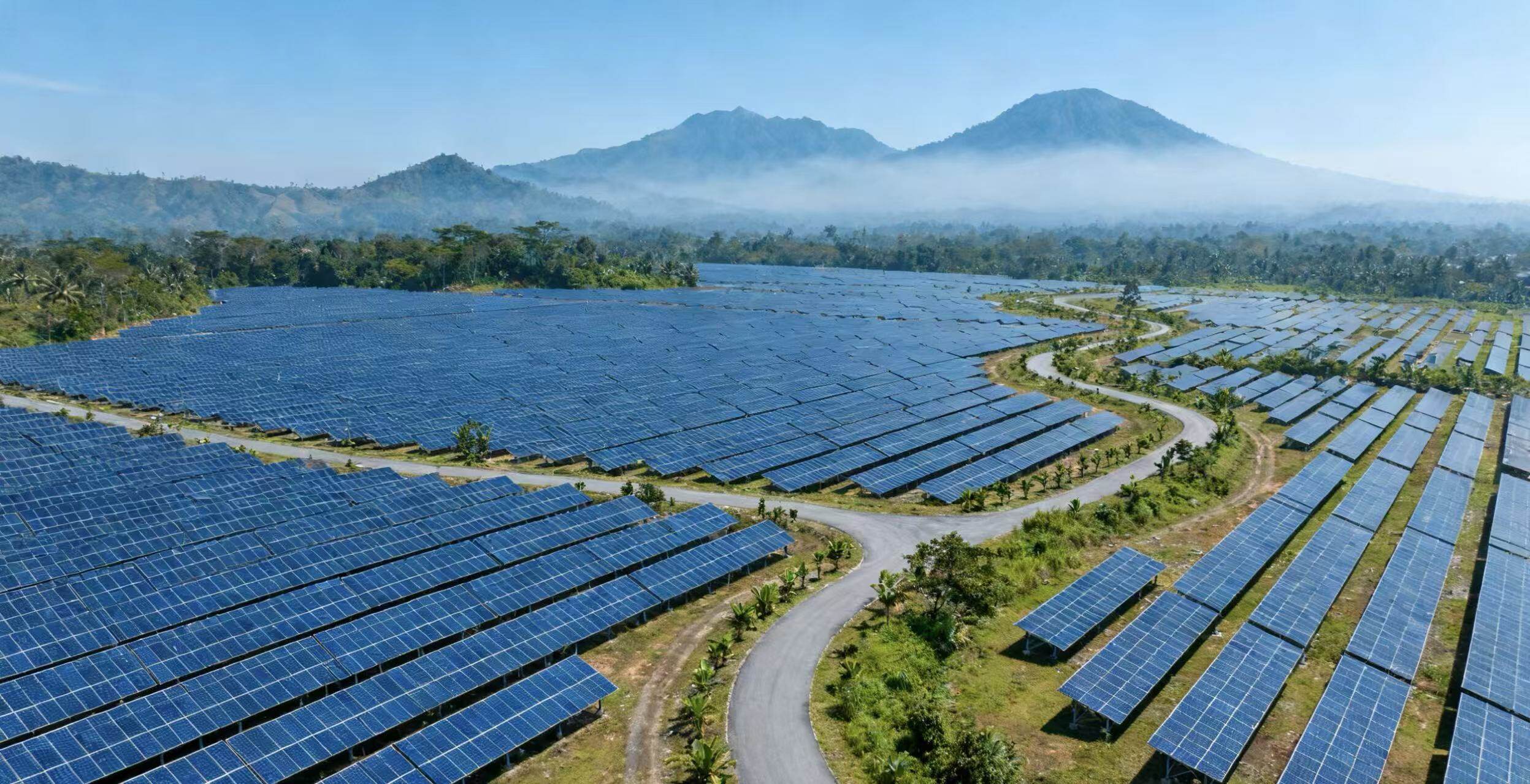
Against the background of the reconstruction of the global energy pattern, GCL has built up its core competitiveness with technological innovation and broken the barriers in overseas markets with strategic coordination, which not only has seized the first mover advantage of the green power track in Southeast Asia for itself, but also has written a new chapter for Chinese enterprises and countries along the "the Belt and Road" to jointly build green development. With the gradual implementation of the project, this cross-border energy cooperation will eventually become a solid bridge connecting China's new energy industry strength with the sustainable development needs of Southeast Asia, providing a replicable and promotable "China Indonesia model" for global energy transformation.Editor/Bian Wenjun
Comment

 Praise
 Collect
 Comment

 Share
Share


Write something~