 Search


- Only by seizing the turning point of logistics network development can Latin America achieve sustainable economic development
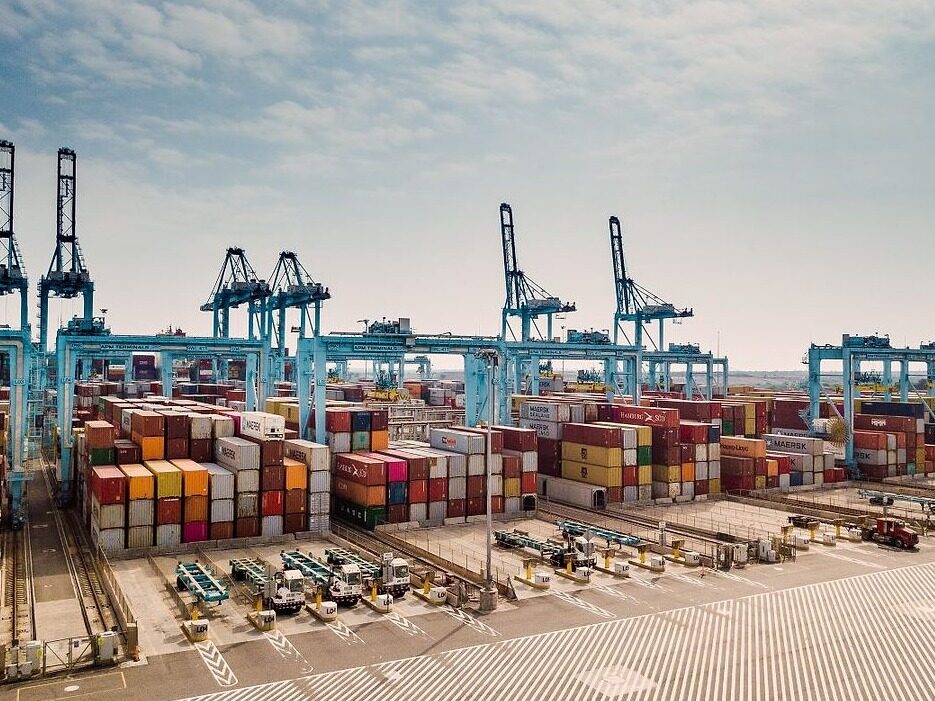
Recently, the "Latin American Economic Outlook 2025" jointly prepared by the Organization for Economic Cooperation and Development, the Latin American Development Bank, and the European Union pointed out that Latin America is at a critical turning point in the development of logistics networks. However, the region is currently facing many challenges such as structural shortcomings in infrastructure and high transportation costs, and China's active participation is bringing new hope and opportunities for the development of logistics infrastructure in Latin America.
The 'stumbling block' that restricts trade growth
The 2025 Latin American Economic Outlook warns that structural weaknesses in infrastructure and high transportation costs continue to constrain regional trade growth. Research shows that logistics costs in Latin America are on average 15% higher than those in the European Union, a gap that clearly reflects the region's historical shortcomings in land, sea, and rail connectivity.

This imbalance not only hinders the process of economic integration, but also limits the development of new trade relations between countries in the region. Under the trend of global economic integration, while other emerging economies have successfully seized the opportunity of global value chain expansion, most regions in Latin America still rely on low value-added product exports and face structural infrastructure lag problems. This has gradually put Latin America at a disadvantage in international market competition, making it difficult to achieve industrial upgrading and high-quality economic development.
For example, due to high logistics costs, the price advantage of agricultural products in some Latin American countries is greatly offset by transportation costs during the export process, leading to a decline in competitiveness in the international market. Meanwhile, an imperfect logistics network also makes it difficult for enterprises to achieve efficient supply chain management, increasing production and operational costs.
Comprehensive planning and policy support
To reverse this unfavorable trend, the "Latin American Economic Outlook 2025" proposes the need to develop a comprehensive logistics plan, continue to invest in multimodal transport channels, and introduce policies to improve transportation efficiency and regional connectivity. Comprehensive logistics planning can take into account the geographical, economic, and industrial characteristics of Latin America, reasonably layout logistics nodes and transportation routes, and improve the efficiency of logistics resource utilization.
Continuous investment in multimodal transport channels can help break down barriers between different modes of transportation, achieve seamless connection of goods between different modes of transportation, and reduce logistics costs. For example, building a multimodal transportation hub connecting railways and ports can enable goods to be quickly transported from inland to ports by railway, and then shipped to various parts of the world by sea, greatly reducing transportation time and costs.
Introducing policies to improve transportation efficiency and regional connectivity can create a favorable policy environment for logistics development. The government can encourage enterprises to invest in logistics infrastructure construction by reducing taxes and providing subsidies, while strengthening cooperation and coordination between regions, breaking down administrative barriers, and promoting the free flow of logistics factors.
Key participants in the development of logistics in Latin America
In this context, China has become a key participant in the development of logistics infrastructure in Latin America. Between 2005 and 2022, China provided financing for 228 projects in Latin America, including 90 projects in the transportation sector. China's investment is focused on port, railway, and highway projects, aiming to optimize trade between Latin America and Asia and reduce the cost of raw material exports.
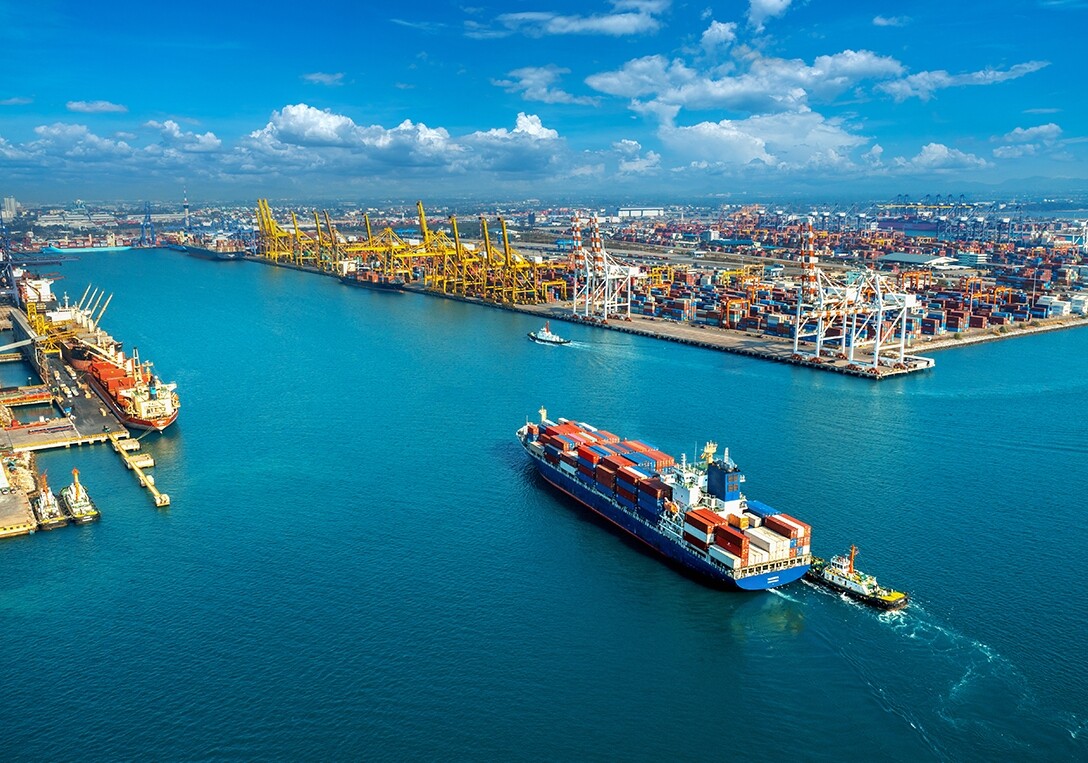
Taking Argentina as an example, China has provided approximately $17 billion in financing for its large-scale infrastructure projects such as railway and subway line construction. These investments not only built physical infrastructure, improved transportation conditions within Argentina, and increased logistics efficiency, but also reshaped Latin America's position in the global supply chain. By strengthening trade cooperation and logistics connections with China, Latin American countries can better integrate into the global value chain, enhance the added value and competitiveness of their industries.
Qiankai Port opens a new era of logistics in Latin America
The Latin American Economic Outlook 2025 lists the opening of the Peruvian port of Chancay in 2024 as a typical case. As China's largest investment project in the region, Qiankai Port will bring Peru $4.5 billion in annual revenue and create over 8000 direct employment opportunities.
Qiankai Port aims to become a logistics hub connecting South America and Asia, reducing dependence on North American Pacific ports. Its design can dock large ships, reducing transportation time to major destinations in Asia by up to 10 days. For export enterprises in Latin America, this means they can transport their products to the Asian market faster, improve capital turnover efficiency, and enhance market competitiveness.
For example, Peruvian fishery products can be quickly transported to Asian countries such as China through Qiankai Port, meeting the demand for fresh seafood in the Asian market. At the same time, the construction of Qiankai Port will also drive the economic development of surrounding areas, promote industrial agglomeration and upgrading, and provide more employment opportunities and better living conditions for local residents.
Infrastructure becomes the core driving force for Latin American development
The 2025 Latin American Economic Outlook concludes that infrastructure should no longer be seen as an expense, but rather as a core driving force for Latin American competitiveness and cohesion. With the continuous investment of China and other countries in the construction of logistics infrastructure in Latin America, the region is expected to gradually improve its logistics network, reduce logistics costs, and improve trade efficiency. Key words: the Belt and Road, the Belt and Road latest information

In the future, Latin American countries should further strengthen cooperation with countries such as China, learn from advanced logistics management experience and technology, and formulate more scientific and reasonable logistics development strategies. At the same time, governments around the world should increase investment in logistics infrastructure construction, improve relevant policies and regulations, and create a favorable policy environment for logistics development.Editor/Cheng Liting
Comment


 Praise
 Collect
 Comment

 Share
Share


Write something~