 Search


- The world's largest green hydrogen project and integrated aluminum industry complex have officially landed in Yanbu, Saudi Arabia
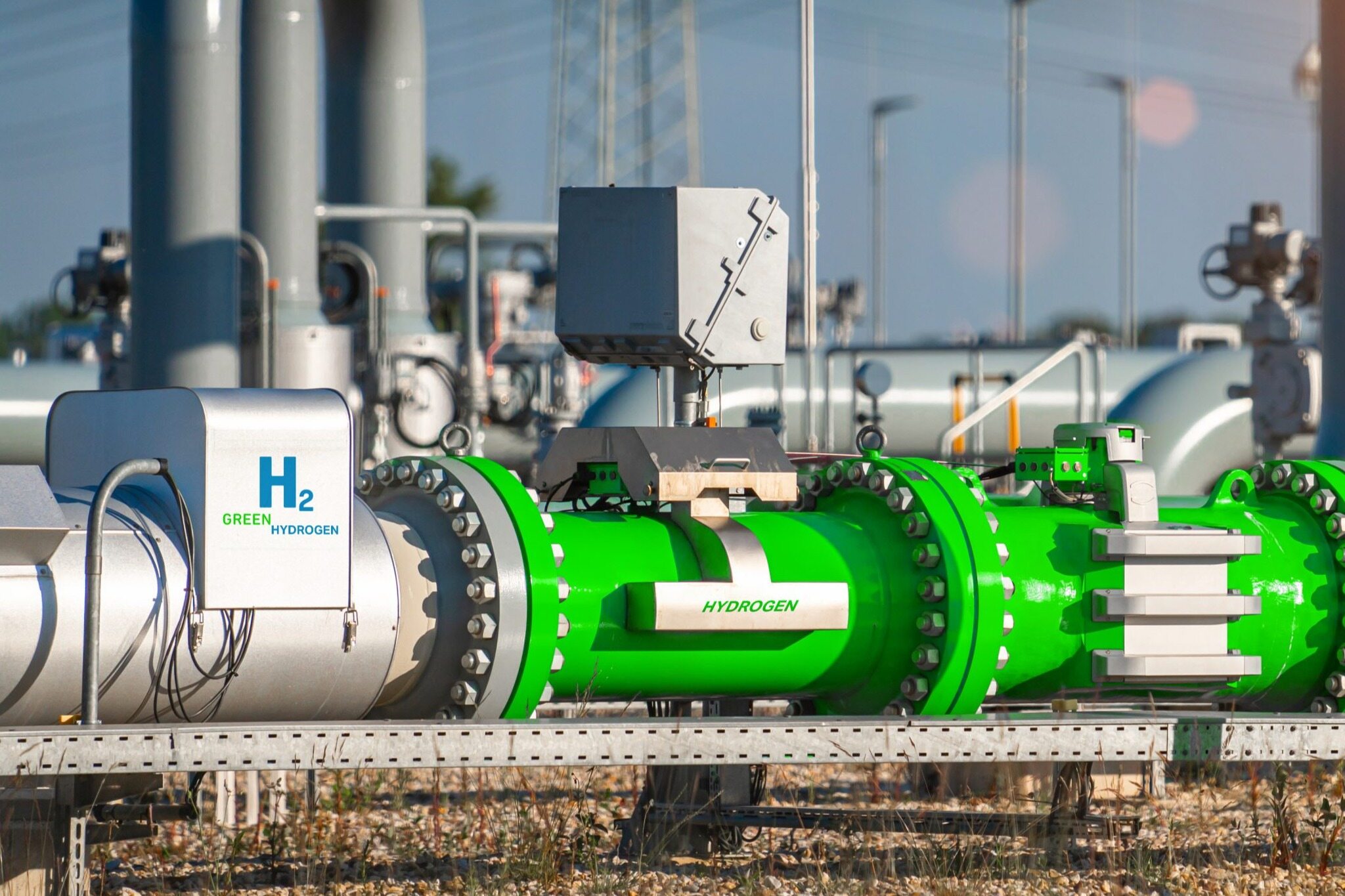
On February 3, 2026, in the context of the deep connection between the the Belt and Road Initiative and Saudi Arabia's 2030 vision, China and Saudi Arabia will intensively implement two landmark industrial cooperation in Yanbu, Saudi Arabia - the world's largest green hydrogen/green ammonia production complex and a leading integrated aluminum industry complex, marking that the energy cooperation between the two sides is comprehensively upgrading from traditional fields to the whole green low-carbon industry chain.
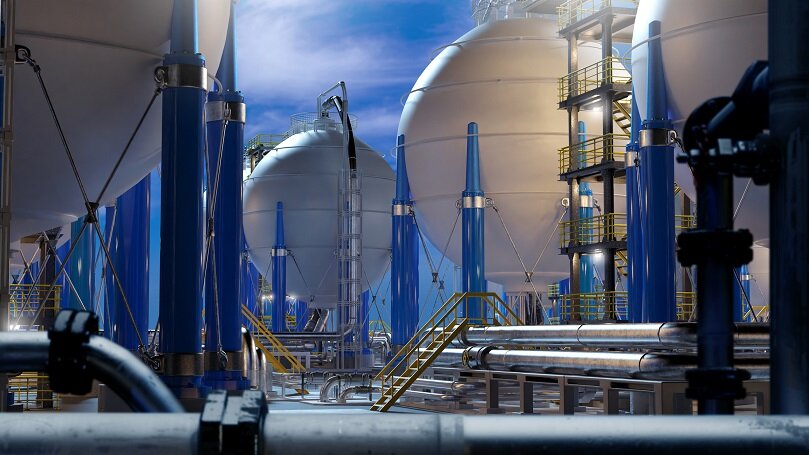
The world's largest green hydrogen project has been launched in Yanbu
The project is jointly promoted by Sinopec and Saudi International Power and Water Company, with a total investment of over 10 billion US dollars. The project will construct a 4.5 gigawatt electrolytic water hydrogen production facility and a supporting 8000 ton/day synthetic ammonia plant, including a seawater desalination plant and a dedicated dock. After being put into operation in 2030, it is expected to produce 400000 tons of green hydrogen and 2.8 million tons of green ammonia annually, achieving an annual reduction of approximately 4.5 million tons of carbon dioxide emissions. The project fully utilizes the abundant wind and solar resources along the Red Sea coast of Saudi Arabia, combined with China's mature green hydrogen production and synthetic ammonia technology, and is committed to creating a complete industrial loop from green electricity to green hydrogen and then to green ammonia, aiming to provide a replicable benchmark for global energy transformation on a large scale.
Integrated green aluminum industry complex synchronously launched
At the same time, the Innovation Group has reached a key cooperation with the Saudi Public Investment Fund to jointly build a globally leading integrated aluminum industry complex in the Yanbu Industrial Park. The first phase of the project plans to produce 500000 tons of electrolytic aluminum and supporting facilities annually, including one of the largest continuous casting production lines in the Middle East. It is planned to be completed and put into operation in 2027, and the second phase's production capacity of 500000 tons has been included in the plan. Taking advantage of the location advantage of Yanbu Industrial Park adjacent to the Red Sea Channel, its products will efficiently radiate to the markets of Asia, Africa, and Europe, and the shipping time to Europe can be shortened by 22 days compared to traditional routes. The project aims to build an industrial ecosystem that integrates "green power empowerment, technology output, and global distribution", and strongly promotes the transformation of Saudi Arabia's aluminum industry chain towards high-end and green development. Keywords: Middle East News and Information, Middle East News Network
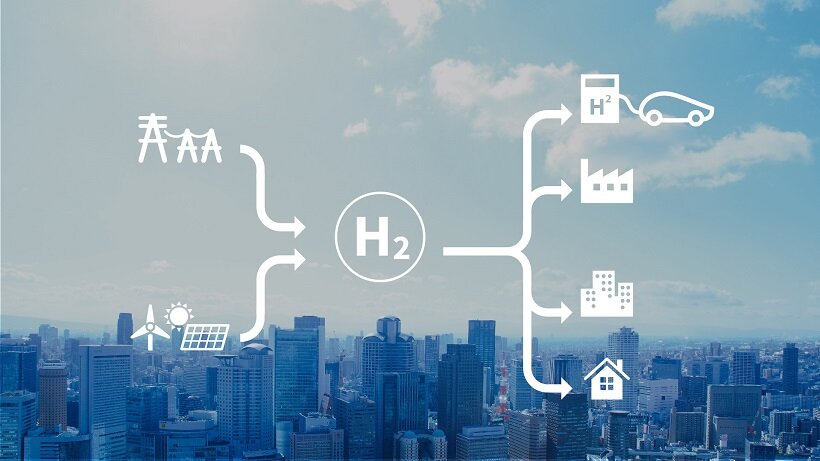
Dual wheel drive deepens strategic complementarity and global influence
The successive implementation of the two major projects reflects the highly complementary nature of industries between China and Saudi Arabia. China's profound accumulation in green energy technology and high-end manufacturing has achieved precise integration with Saudi Arabia's abundant energy resources and vast market potential. This not only helps promote Saudi Arabia's national strategic goals of economic diversification and carbon neutrality, but also opens up new broad space for Chinese enterprises and advanced technologies to deeply participate in the global green industry division of labor. In the future, both sides plan to further deepen cooperation in areas such as hydrogen energy storage and transportation, photovoltaic energy storage, and low-carbon technology research and development, and jointly promote the benefits of green development achievements to a wider range of regions and countries.Editor/Gao Xue
Comment


 Praise
 Collect
 Comment

 Share
Share


Write something~