 Search


- This plan is the first to completely abandon the addition of coal-fired power and instead bet on renewable energy
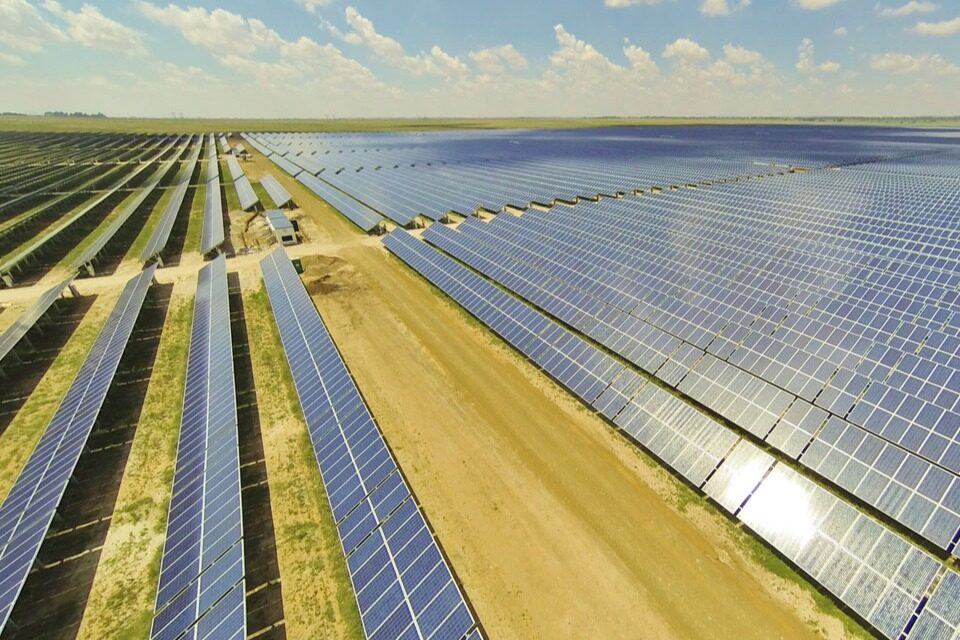
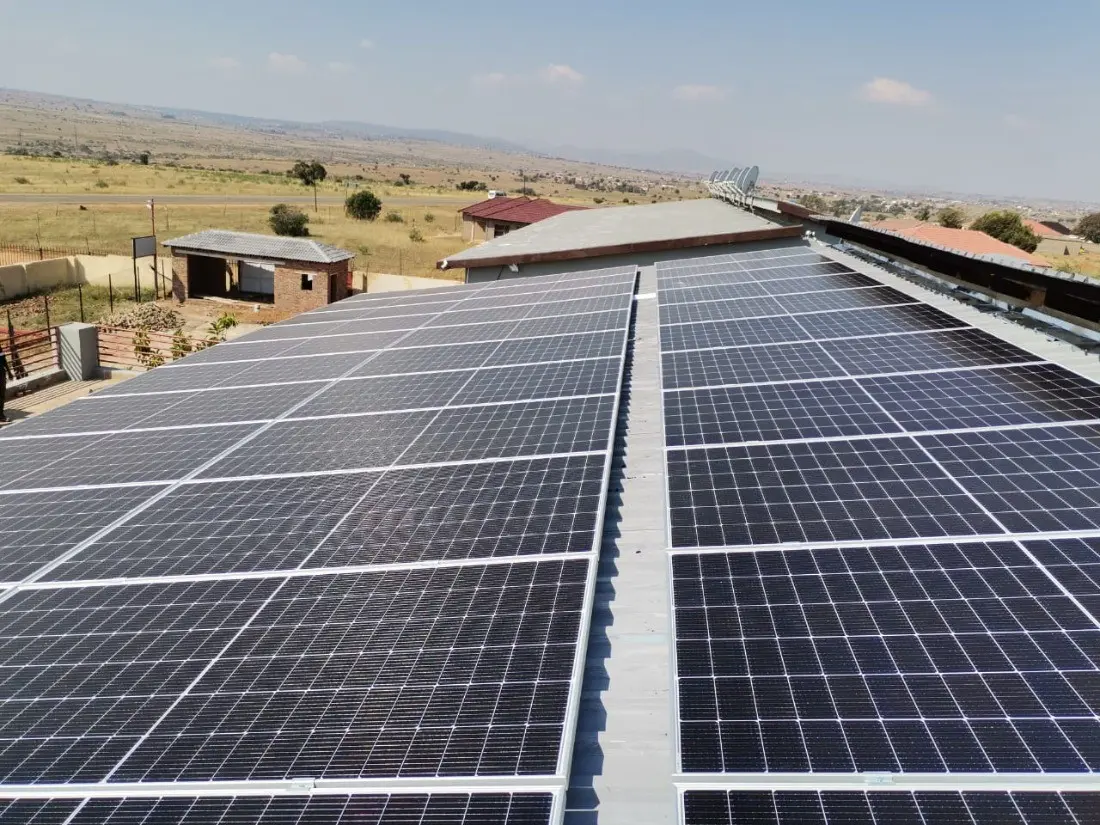
The South African government recently released an ambitious energy development blueprint, which plans to significantly increase the proportion of renewable energy in the power structure. According to the latest Integrated Resource Plan (IRP) released by South African Minister of Electricity and Energy, Dr. Cosientshaw Ramokgopa, the country aims to add 28.7 gigawatts of solar photovoltaic installed capacity by 2039 and strive to increase the proportion of domestic renewable energy generation to over half by 2042.
This IRP is South Africa's first long-term resource plan that completely excludes the addition of coal-fired power generation capacity, marking a historic shift in the country's energy strategy. The plan clearly states that the addition of renewable energy installed capacity will undertake a dual task: gradually replacing retired coal-fired power plants, while increasing the total installed capacity of the country to meet the growing demand for electricity.
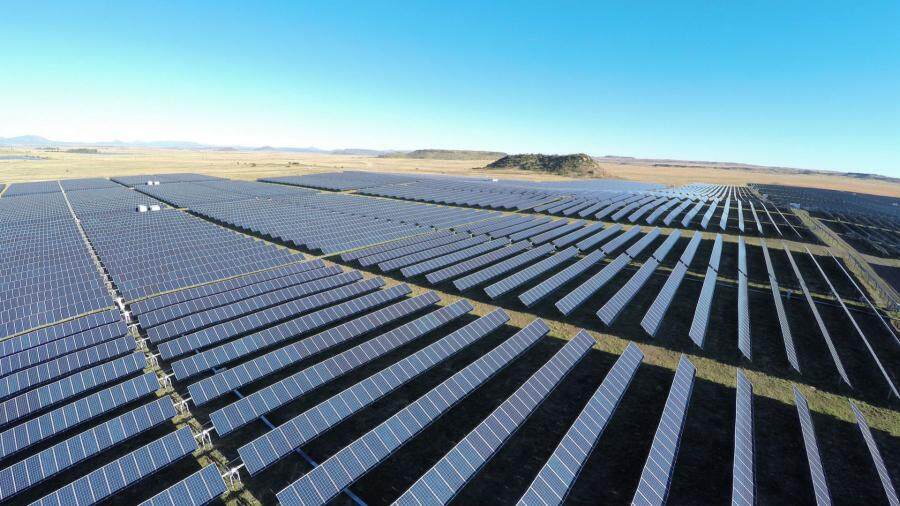
According to the plan, the two stages of 2026-2030 and 2031-2042 will present different development priorities. Although the installed capacity of solar photovoltaics is expected to jump from 10.3GW to 18.4GW, achieving almost doubled growth, the most notable change is in the wind power sector - the government plans to add 35.7GW of wind power installed capacity by 2042, which is five times the capacity added between 2026-2030.
Minister Ramokgopa emphasized at the press conference that the core of IRP is to ensure power supply security through supply-demand balance, while optimizing environmental impact and total power supply costs. ”This statement highlights South Africa, which has long been plagued by the fragility of the power grid and frequent power outages, placing energy security at the forefront of policy-making.
Despite clear development goals, practical challenges still exist. In the sixth round of the Renewable Energy Independent Power Producers Program (REIPPP), due to grid capacity limitations, the actual granted solar installed capacity was only 860MW, far below the expected target of 4.2GW; The wind power project was completely destroyed, with no bid for the 3.2GW applied capacity.
It is worth noting that the development speed of battery energy storage systems (BESS) is expected to lag behind that of wind and solar power generation. According to the plan, an additional 3.7GW will be added between 2026-2030 and 5.8GW between 2031-2042. This means that battery energy storage will not become a key element in enhancing grid stability in the near future.
Energy structure analysis shows that by 2042, energy storage will only account for slightly over 8% of the South African energy system. The key investment in solar photovoltaic and wind power, coupled with the absence of new coal-fired power projects, will jointly promote a significant transformation of South Africa's energy structure towards renewable energy. At that time, the combined power generation of solar photovoltaics, wind power, and hydropower will exceed 50% of the total national electricity supply.
The report estimates that by 2042, South Africa will need to add approximately 5GW of renewable energy installed capacity annually, which is fully in line with the goals set in the South African Renewable Energy Master Plan (SAREM) released earlier this year. The plan aims to accelerate the energy transition by deploying 3-5 GW of renewable energy annually by the end of this decade.
Ramokgopa also proposed the idea of establishing a "super bidding window" aimed at promoting the "industrialization, localization, and employment creation" of the entire value chain of energy infrastructure. However, the specific scale of the plan and its collaboration with existing mechanisms such as REIPPP still need further clarification.
Despite the rapid development of renewable energy, fossil fuels will still play an important role in South Africa's energy system. According to the minister's plan, the proportion of coal-fired power generation will remain at 11% by 2042. In addition, South Africa plans to build a "clean coal technology demonstration power plant" by the end of this decade, exploring new coal-fired power generation technologies beyond traditional flue gas desulfurization processes. This indicates that in the future, South Africa's energy structure will present a multi energy complementary pattern, rather than completely shifting towards a single energy path.
Ramokgopa emphasized in his summary that "South Africa will continue to promote a diversified energy structure, while fulfilling its emission reduction commitments while ensuring supply security." This statement clearly indicates that the ultimate goal of the Comprehensive Resource Plan is to ensure energy security, rather than simply betting on a specific technology. Keywords: the Belt and Road news, the Belt and Road project, overseas project
This historic energy plan in South Africa not only depicts the transition path from coal-fired power to wind and solar power, but also demonstrates the balanced wisdom of developing countries in energy security and low-carbon transformation. Although challenges such as power grid bottlenecks and energy storage facilities still exist, clear goals and gradual deployment inject certainty into South Africa's energy future and provide important references for global energy transformation. Editor/Xu Shengpeng
Comment


 Praise
 Collect
 Comment

 Share
Share


Write something~