 Search


- From the futuristic linear city NEOM rising from the desert to the super logistics hub connecting three continents
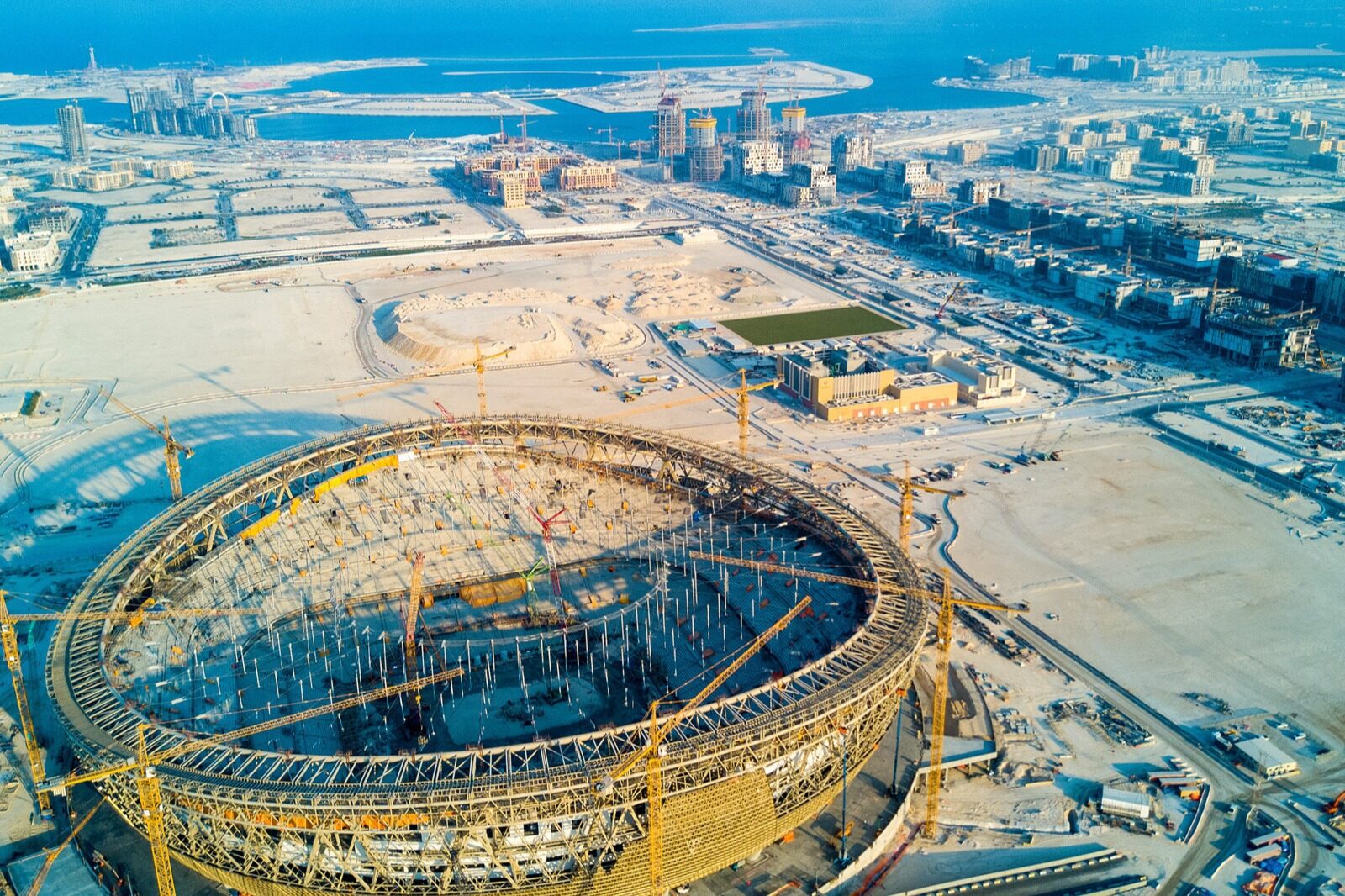
As the global energy landscape undergoes profound changes, Saudi Arabia is rewriting its national economic DNA with unprecedented infrastructure investment. This traditional oil powerhouse is demonstrating its determination and courage in economic transformation to the world through practical actions.
As the traditional energy order faces reshaping, Saudi Arabia is restructuring its national economic DNA with the largest infrastructure investment in human history. In 2024, Saudi Arabia's infrastructure investment is expected to account for 9.2% of GDP, far exceeding the global average of 4.3%, making it one of the countries with the strongest infrastructure investment in the world. Under the strategic framework of Vision 2030, Saudi Arabia regards infrastructure as a core lever for promoting economic diversification and reshaping national competitiveness. From NEOM City to Red Sea New City, from the national railway network to the future digital system, a super experiment is being carried out on a large scale to change the physical form and economic structure of Saudi Arabia.
The traditional oil economy model in Saudi Arabia, while bringing wealth, has also left behind three deep-seated structural problems: a single industrial structure and a manufacturing industry that relies on imports; Economic growth is overly sensitive to oil prices; Local employment opportunities are limited. Infrastructure has therefore become the "starting point" for Saudi Arabia to solve the problem of transformation. Saudi Arabia's transformation logic is clear and concise: infrastructure first, then industry, then employment, and ultimately achieving economic diversification. And the improvement of infrastructure will bring the most critical productivity improvement. World Bank data shows that for every 10% improvement in infrastructure quality, total factor productivity can increase by 1.5% -2%. This is precisely the 'structural drive' that Saudi Arabia lacks the most.
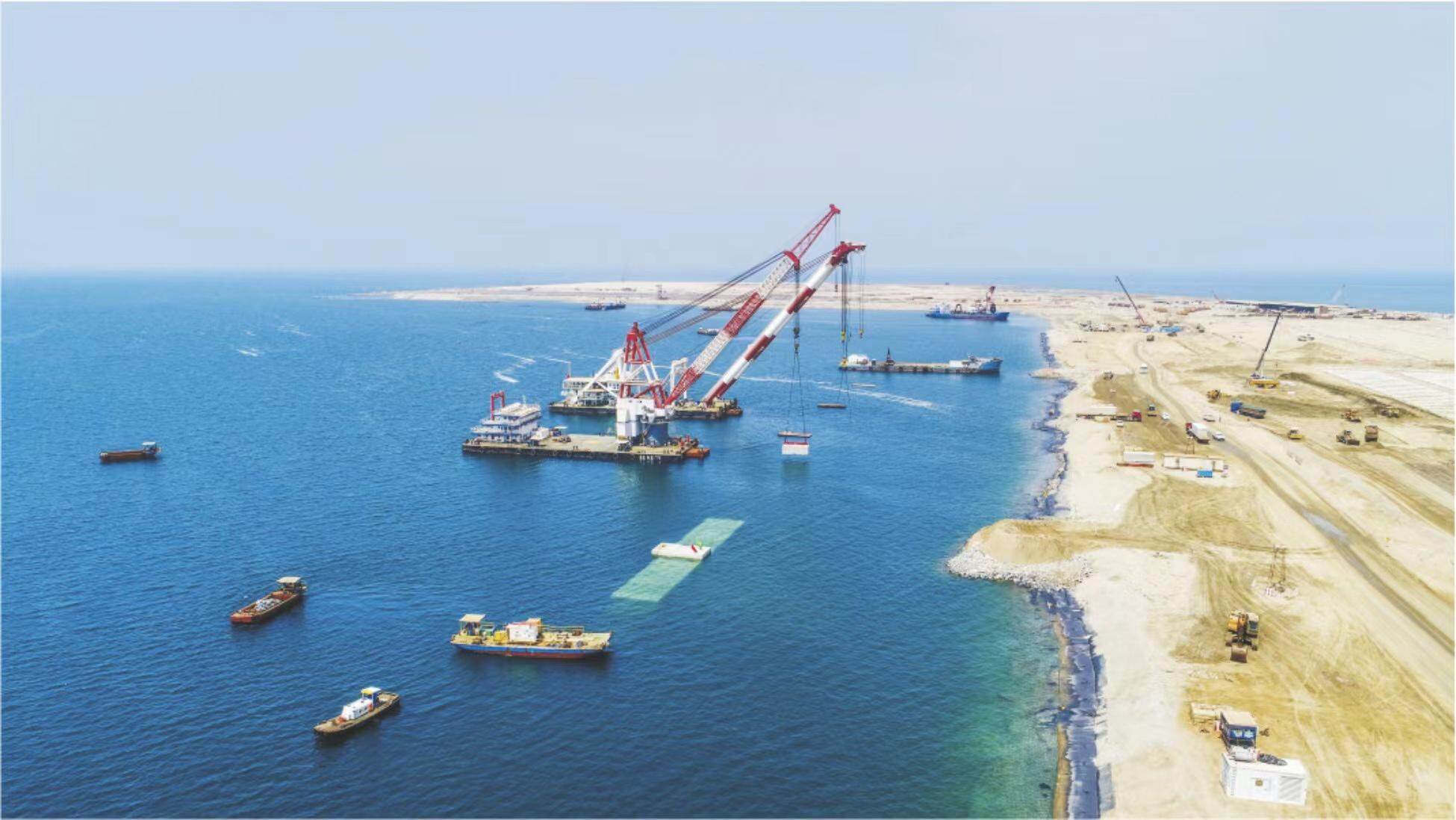
The Four Pillars of Infrastructure: The Core Framework for Saudi Arabia's Economic Restructuring
Transportation and logistics: Saudi Arabia is investing 1.6 trillion riyals (427 billion US dollars) to comprehensively upgrade its transportation system between 2023 and 2034. Including the construction of an 8000 kilometer east-west railway network, the construction of King Salman International Airport with 6 runways, the completion of 59 logistics centers by 2030, and the addition and upgrading of over 6400 kilometers of road networks, the goal is to build Saudi Arabia into a global transportation and trade hub connecting Asia, Europe, and Africa.
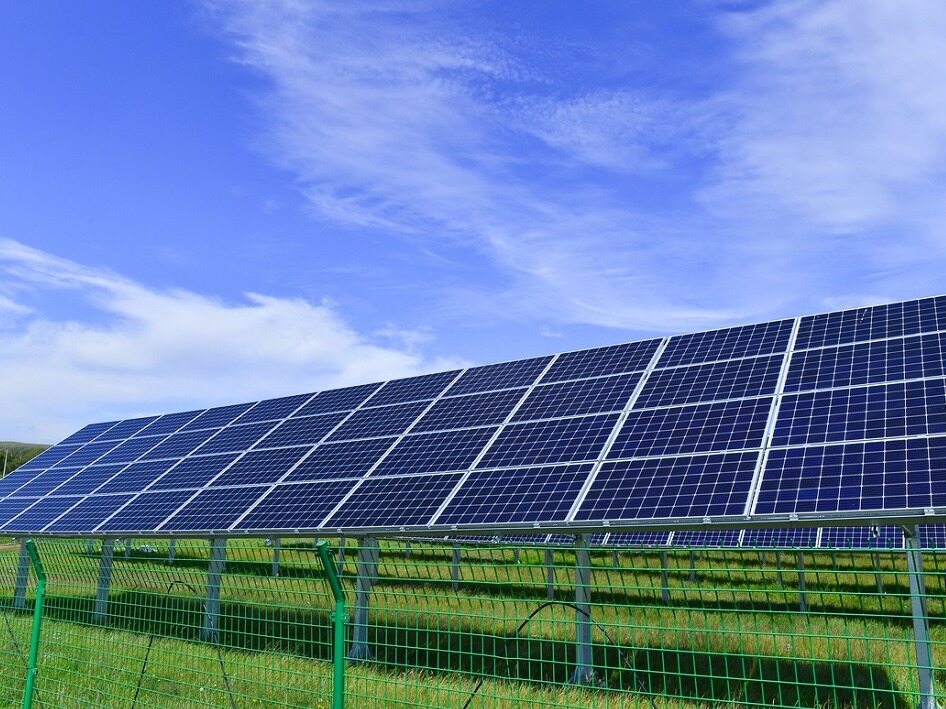
Energy Transformation: Saudi Arabia is using clean energy as the foundation for future industrialization, setting a renewable energy installation target of 58.7 gigawatts by 2030, deploying large-scale photovoltaic and wind power, supporting smart grid systems, and upgrading seawater desalination and water cycle systems. The Fulis 2GW photovoltaic power station, constructed by China Energy Engineering Group, has become a benchmark project for clean energy in the local area.
Digital infrastructure: Saudi Arabia will invest over 10 billion US dollars in the field of digital infrastructure in the next five years, with a focus on national fiber optic backbone networks, international submarine cables, cross-border data connections, the region's largest data center cluster, 5G full coverage and accelerated deployment towards 6G, as well as the full integration of AI, cloud computing, and digital twins into urban operations. Digital infrastructure has become the core 'nervous system' for Saudi Arabia's future industrial upgrading and smart city operation.
Cities and Housing: Saudi Arabia is promoting large-scale urban renewal nationwide, with plans to add 100000 new housing units by 2030, create a 19 square kilometer future urban complex in Muraba, comprehensively upgrade the three major city clusters of Riyadh, Jeddah, and Dammam, and plan to construct over 2000 smart buildings. Cities are not only growing, but also becoming more intelligent, green, and livable.
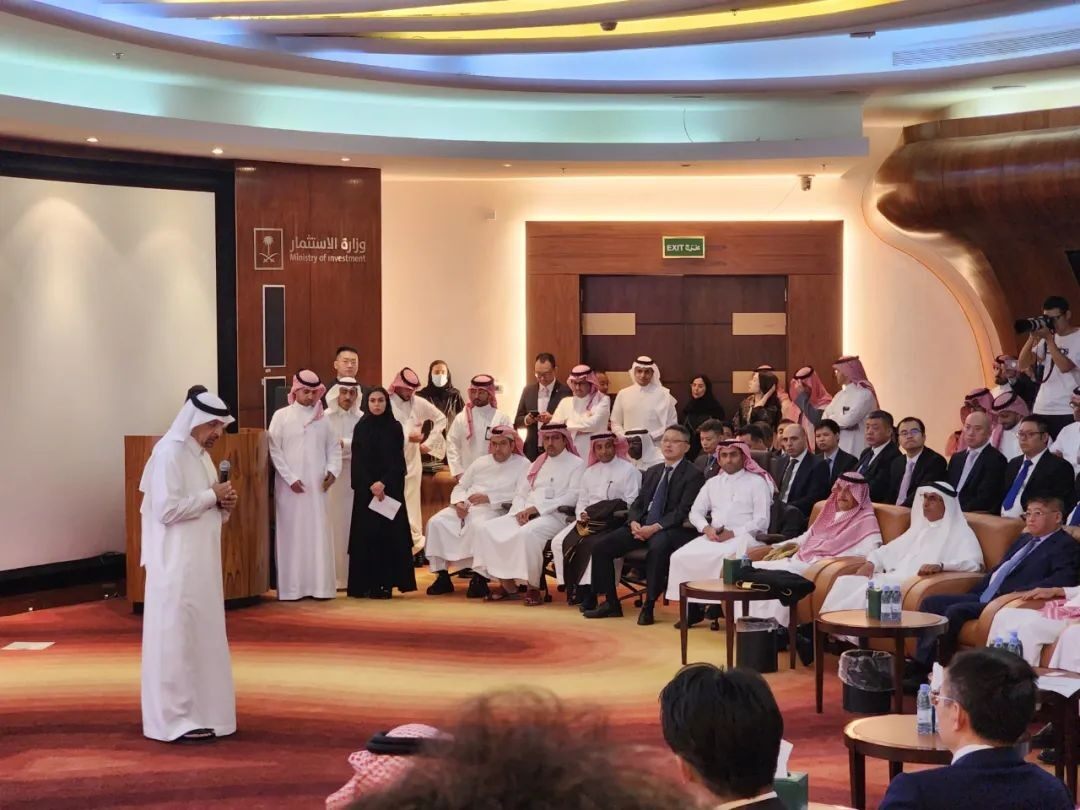
Systematic Layout and Paradigm Innovation
Saudi Arabia's current infrastructure is not just a pile of projects, but building a mutually collaborative ecosystem: transportation is the backbone, energy and water are the lifeblood, digital infrastructure is the nerve, and urban renewal is the carrier. This ecosystem has formed a systemic effect of "mutual pulling" in the Saudi economy.
The current wave of infrastructure construction in Saudi Arabia presents four innovative features: from "filling gaps" to "building the future"; From "single point project" to "overall system"; From "hardware construction" to "software hardware collaboration"; From 'government independent construction' to 'diverse participation'. The proportion of private capital in infrastructure investment has risen to 42% in 2024. At the same time, the deep integration of technology, green and digitalization has made Saudi Arabia a testing ground for global new infrastructure.
National capital and opportunities for Chinese enterprises
The Saudi Public Investment Fund (PIF) is the capital engine for infrastructure, with assets growing from $190 billion in 2016 to $941.3 billion in 2024. It directly invests in projects such as NEOM and Red Sea, attracting $37.3 billion in private sector investment from 2021 to 2024, and is using sovereign capital to drive the country's transformation direction.
Chinese enterprises are ushering in a historic opportunity to enter the Saudi Arabian market: the advantages of engineering construction are still evident, and the contract amount of Chinese enterprises in Saudi Arabia will increase by 37% year-on-year in 2024; Strategic layout in emerging fields such as smart cities, green energy, and digital infrastructure; From construction to planning, design, investment and financing, and full chain cooperation in operation; Localized operations are accelerating, with over 120 Chinese companies setting up regional headquarters in Saudi Arabia. The role of Chinese enterprises is shifting from "builders" to "long-term partners".
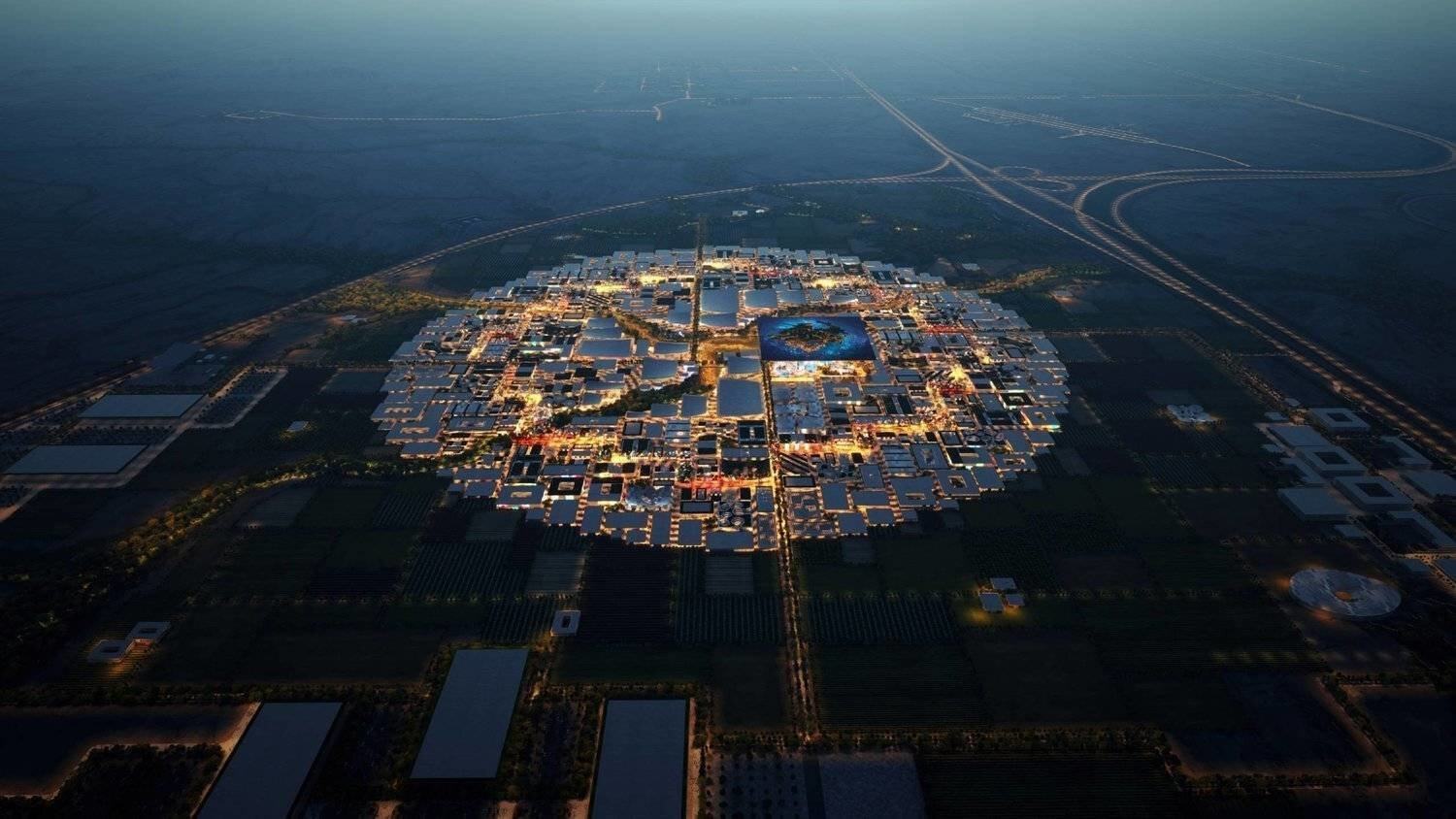
The 2030 Riyadh World Expo has once again pressed the 'acceleration button' for Saudi Arabia's infrastructure. The global bidding for venue infrastructure will be officially launched in 2025, and the expansion of King Salman International Airport will boost passenger and cargo capacity. The Riyadh Metro will be fully operational before the World Expo, and the New Murabba project will contribute 180 billion riyals to non oil GDP and create 334000 job opportunities.
Saudi Arabia is reshaping its national economy, urban structure, and international role through unprecedented infrastructure investment. This is a deep transformation driven by the will of the country, and also an exploration of a new path of modernization.
For Chinese companies, this is also a new touchstone for their globalization capabilities. Faced with this historic opportunity of leapfrog development, those enterprises that can deeply integrate China's experience with Saudi Arabia's vision will surely gain an advantage in the future Middle East market. Keywords: international engineering news, foreign engineering project information, foreign engineering construction news
The golden convergence period of "the Belt and Road" and "Vision 2030" has come. Saudi Arabia is reshaping itself and will leave a new template on the modernization path of countries in the global South. Editor/Xu Shengpeng
Comment




 Praise
 Collect
 Comment

 Share
Share


Write something~