 Search


- Remote Indigenous communities in Australia are deeply mired in energy difficulties, with up to 49 power outages per year

In the vast remote areas of Australia, over 15000 Indigenous households are struggling with energy poverty. These households, located in remote communities such as Kimberley and Northern Territory, are locked into a prepaid electricity meter system. Data shows that some community households experience up to 49 power outages per year on average, and pay prepaid electricity prices even higher than standard market electricity prices. In the scorching heat of 40 ℃, many families have to turn off their air conditioning in order to save money, facing serious health threats.
Behind this grim situation lies enormous market opportunities. The entire off grid market can be divided into three potential sectors: firstly, indigenous communities, where 73% of surveyed households believe that solar energy can provide cheaper electricity and urgently need community microgrids and solar leasing models; Secondly, remote towns and tourist camps that rely on expensive diesel power generation; Finally, large farms and pastoral areas that bear high electricity prices are in urgent need of photovoltaic+energy storage solutions.
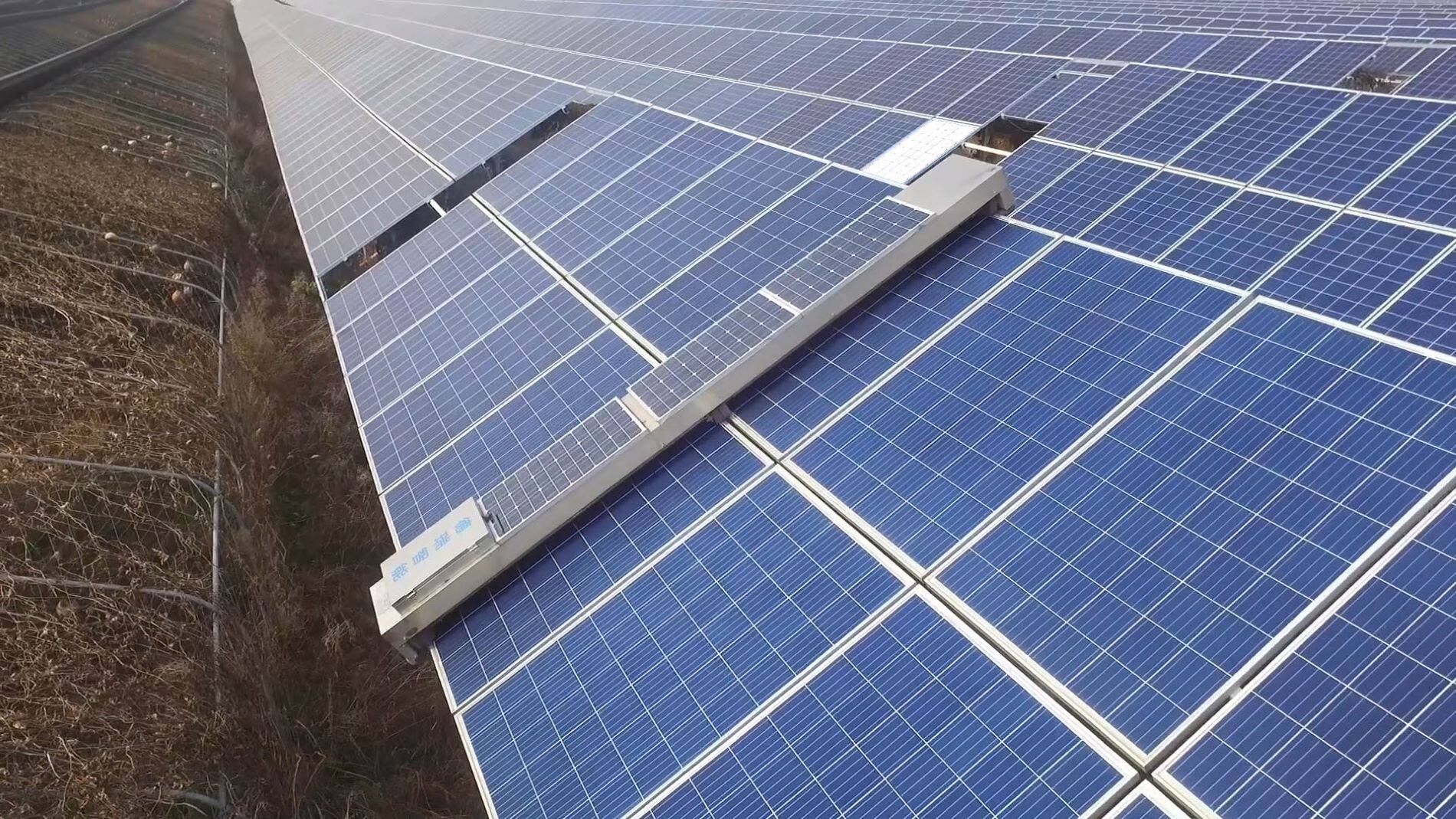
It is worth noting that the demonstration project has verified its commercial feasibility. The Marlinja microgrid in the Northern Territory is owned and operated by indigenous communities, combining solar energy, energy storage, and backup diesel to achieve energy independence; The RAES program in South Australia provides solar panels and small battery systems to remote households through a leasing model, significantly reducing the burden of electricity bills. Keywords: Photovoltaic New Energy News, Photovoltaic New Energy Information
For optical storage enterprises, this long neglected market not only has clear social value, but also represents important business opportunities. As the competition in the urban market becomes increasingly fierce, focusing on these remote communities with urgent needs, providing reliable and affordable clean energy through photovoltaic, energy storage, and microgrid technologies may open up a new growth curve for the industry. Editor/Yang Beihua
Comment






 Praise
 Collect
 Comment

 Share
Share


Write something~