 Search


- This project marks a substantial step forward for Thailand in promoting railway modernization and regional connectivity

Recently, Progress Rail announced that it has officially signed a contract with THE CH Thawee AS Construction Joint Venture (CH-AS JV) to provide a complete set of signal and communication systems for the dual track project of the Kongjing Nongkai North section of the Thai National Railway (SRT). This cooperation marks a crucial step in the modernization process of Thailand's railways and will also become an important practice in promoting railway connectivity in Southeast Asia.
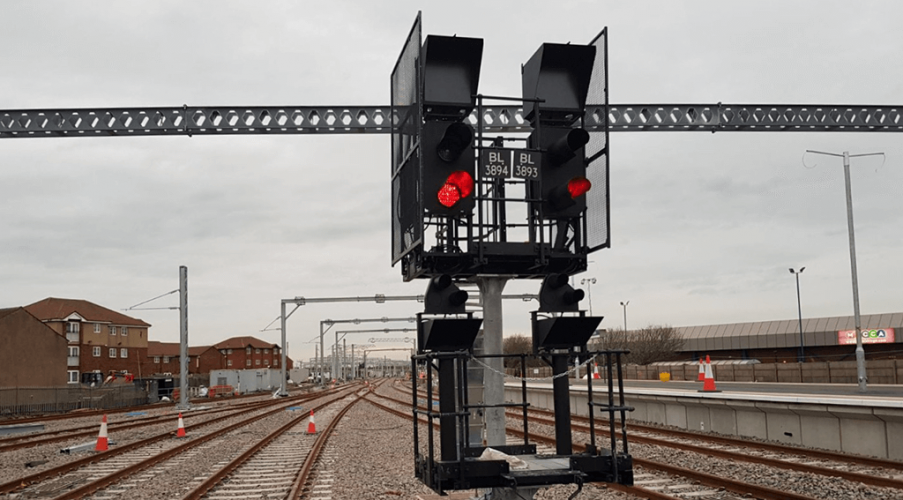
This project covers a 167 kilometer section of the main line from Bangkok to the Laos border and is the core project of the second phase of SRT's dual track strategy. Progress Rail will be responsible for designing, supplying, installing, and commissioning a complete set of equipment including traffic management systems, computer interlocking systems, and equipment that complies with the European Train Control System (ETCS) Level 1 standard. The system will cover both trackside and onboard applications, significantly improving the operational efficiency and safety level of this section.
Hyung Kim, Executive Vice President of Infrastructure at Progress Rail, stated, "This is our first trackside system project undertaken in Thailand and an important extension of our ongoing ETCS Level 1 onboard system project. ”He emphasized that in order to ensure the high-quality implementation of the project, the company is strengthening its local team configuration in Bangkok and deepening its long-term service capabilities in Thailand by adding dedicated resources focused on project delivery and customer collaboration.
As the general contractor of this project, the CH-AS consortium's project background is in line with SRT's overall strategy of promoting the modernization of the meter gauge network and improving transportation capacity. In recent years, Thailand has been continuously promoting the construction of railway infrastructure, among which the railway corridor from Bangkok to the Laos border is regarded as a key route to enhance connectivity with ASEAN neighboring countries and activate regional logistics potential. Keywords: Southeast Asian Engineering Information Network

The signing of this contract not only reflects the continuous investment of international railway technology suppliers in the Thai market, but also reflects the accelerating trend of railway standardization and system upgrading in Southeast Asia. With the comprehensive upgrade of signal and control systems, this railway connecting the northeast of Thailand with the border of Laos is expected to become a more competitive link in the future China Thailand railway network and even the Pan Asian railway network.Editor/Cheng Liting
Comment




 Praise
 Collect
 Comment

 Share
Share


Write something~