 Search


- After the completion of these two "power arteries" spanning multiple provinces, they will provide support for regional energy security
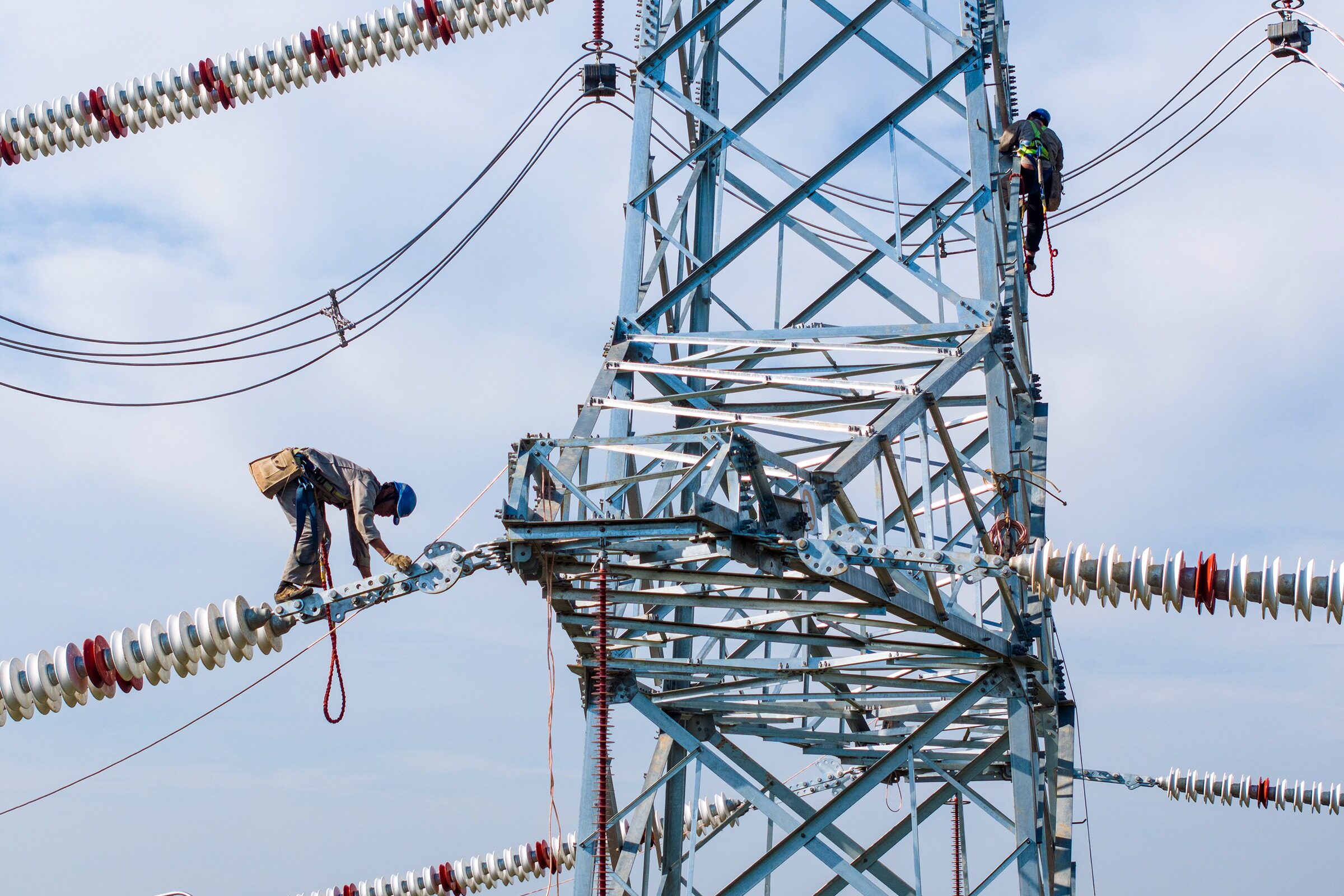
Two ultra-high voltage "power highways" spanning thousands of miles are about to start construction. Recently, several affiliated companies of China Energy Engineering Corporation (CEEC) have successfully won bids for two major ultra-high voltage transmission projects - the second 1000 kV AC transmission line project from Changzhi, Shanxi to Nanyang, Henan, and the ± 800 kV DC transmission project from Kubuqi Desert Base in Inner Mongolia to Shanghai. These two major projects not only represent another important progress in China's power grid construction, but also inject strong impetus into regional energy coordination and green transformation.
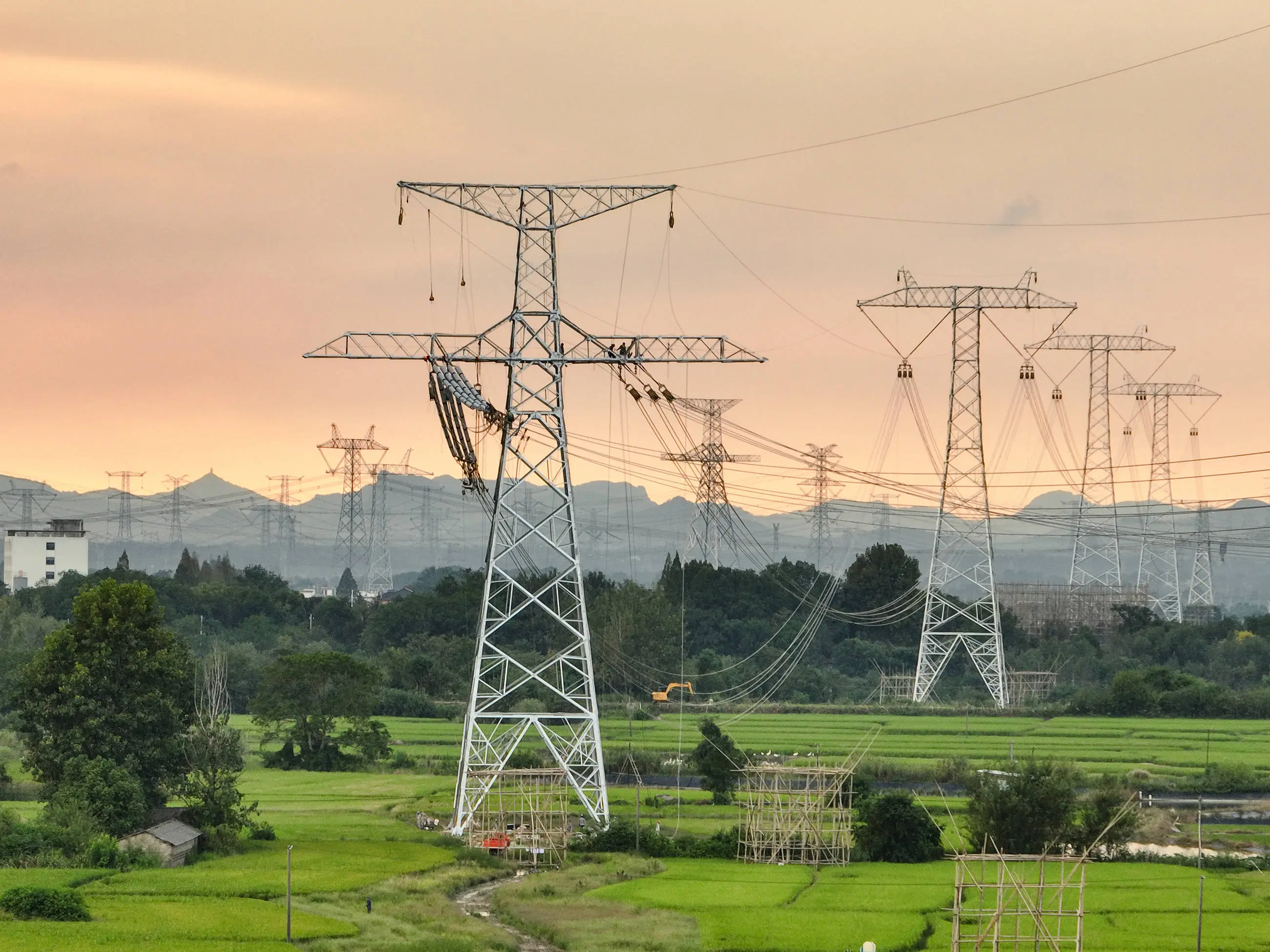
The Second 1000 kV AC Transmission Line Project from Changzhi, Shanxi to Nanyang, Henan
The second 1000 kV AC transmission line project from Shanxi Changzhi to Henan Nanyang starts from Shanxi Changzhi Substation and ends at Henan Nanyang Substation, spanning Shanxi and Henan provinces, with a total length of approximately 449.3 kilometers. After the completion of the project, it will significantly enhance the power guarantee capability of the Central China Power Grid, which has strategic significance for regional energy security. In terms of specific division of labor, Zhongnan Institute is responsible for the feasibility study and survey design of Package 17, involving Luoyang, Pingdingshan, Nanyang and other places, with a total length of 152 kilometers; Huabei Institute undertakes the feasibility study and series compensation station project of the system, including the expansion of Nanyang and Changzhi stations, and the construction of two sets of series compensation devices in Luoyang; Shanxi Institute won the bid for Package 15, responsible for the feasibility study and design of the 154.4 kilometer line in Changzhi and Jincheng sections, and served as the overall summary unit for this section.
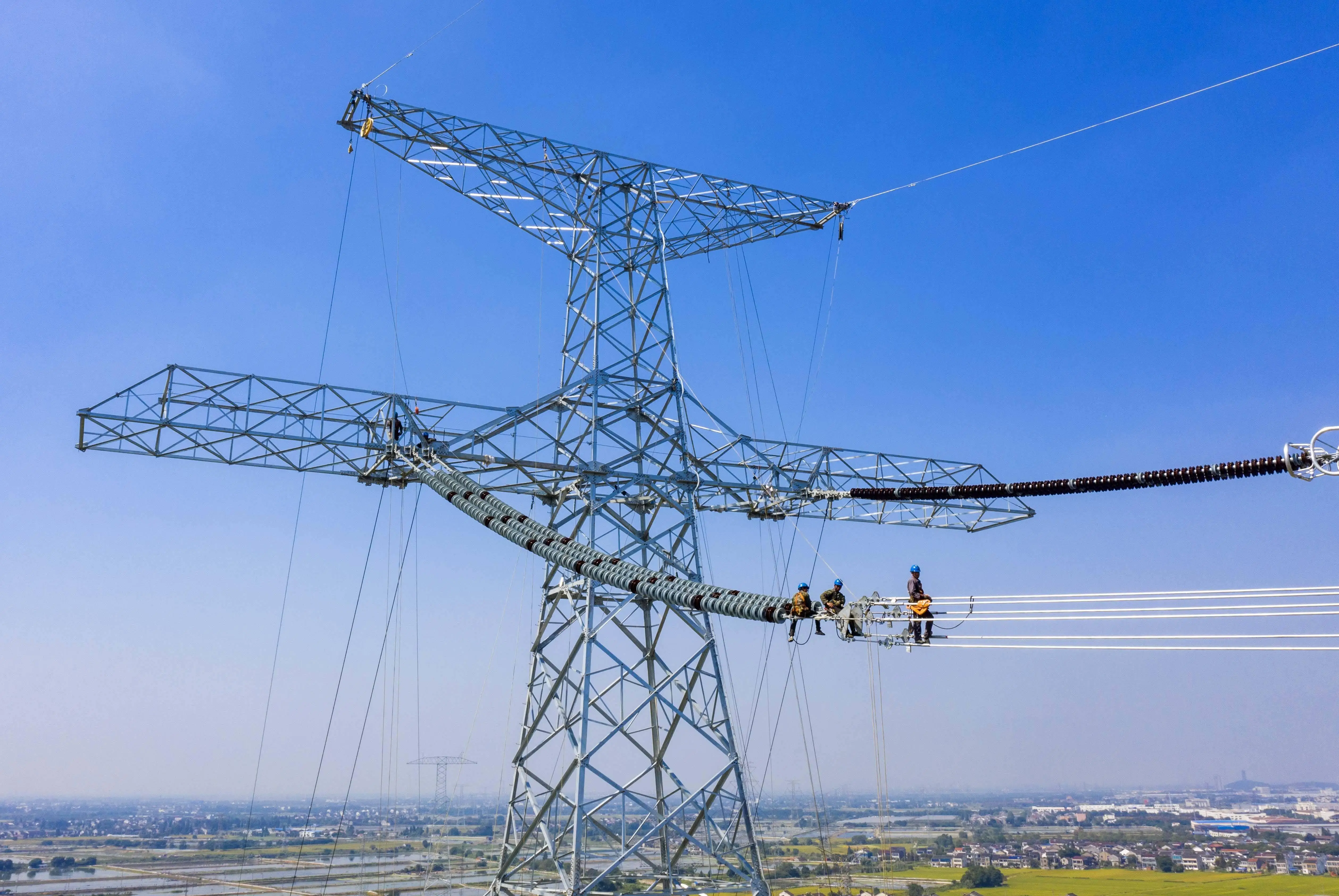
Inner Mongolia Kubuqi Desert Base Power Transmission Shanghai ± 800 kV DC Project
The Inner Mongolia Kubuqi Desert Base Power Transmission Shanghai ± 800 kV DC Project is a major energy "artery" connecting the east and west. The total length of the line is about 1951 kilometers, starting from Ordos, Inner Mongolia, crossing Shanxi, Hebei, Shandong, Jiangsu, and finally reaching Chongming District in Shanghai. After the completion of the project, it will effectively promote the cross regional optimization of clean energy allocation in Inner Mongolia, enhance the power supply guarantee capability of Shanghai and East China power grids, and help achieve the national "dual carbon" goal. In this project, East China Institute is responsible for the receiving end converter station package A and line package 14; Central South Institute undertakes the design of Package A for the sending end converter station; The North China Institute is responsible for the feasibility study and line package 3 of the delivery system; Jiangsu Institute, Anhui Institute, Shaanxi Institute, and Xinjiang Institute have also undertaken the design tasks of converter stations and multiple line sections, jointly building the key links of this super transmission network. Keywords: new infrastructure, infrastructure construction, infrastructure projects, infrastructure engineering projects
With the orderly advancement of two ultra-high voltage projects, China's energy resource allocation pattern will be further optimized, and the cross regional green power transmission capacity will be further upgraded. This not only injects more abundant clean electricity into load centers such as North China, Central China, and East China, but also marks a solid step forward in China's journey to build a new power system, providing important support for high-quality economic and social development and green energy transformation. Editor/Xu Shengpeng
Comment






 Praise
 Collect
 Comment

 Share
Share


Write something~