 Search


- The report also points out that China will continue to serve as the ballast stone for the global transition to renewable energy
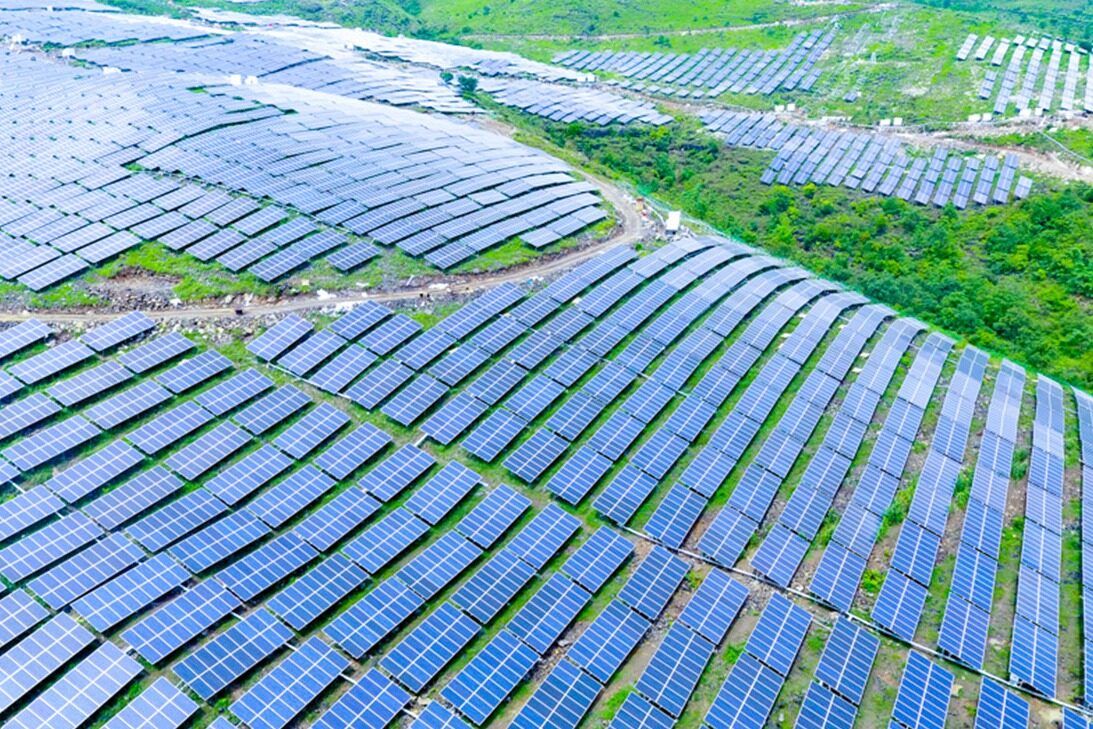
The latest report released by the International Energy Agency (IEA) paints a hopeful yet challenging picture for the global energy future. Recently, the International Energy Agency (IEA) released the World Energy Outlook 2025 report. The report points out that renewable energy is changing the global energy landscape at an unprecedented speed, with solar photovoltaics performing particularly well.
The report predicts that by 2035, the global installed capacity of solar photovoltaics is expected to reach an average of 540GW per year. Renewable energy is the fastest-growing major energy source in all scenarios, with solar photovoltaics taking a leading position among them. However, under the "Current Policy Scenario" (CPS) that only considers implemented policies, due to the intensified challenges of grid access and system integration, the global annual new installed capacity of solar energy will remain at the level of 2024, resulting in weak growth. Nevertheless, the share of renewable energy in the global power generation structure is expected to significantly increase, from about one-third in 2024 to nearly half in 2035. However, coal will still maintain its position as the largest single source of electricity in the next decade.
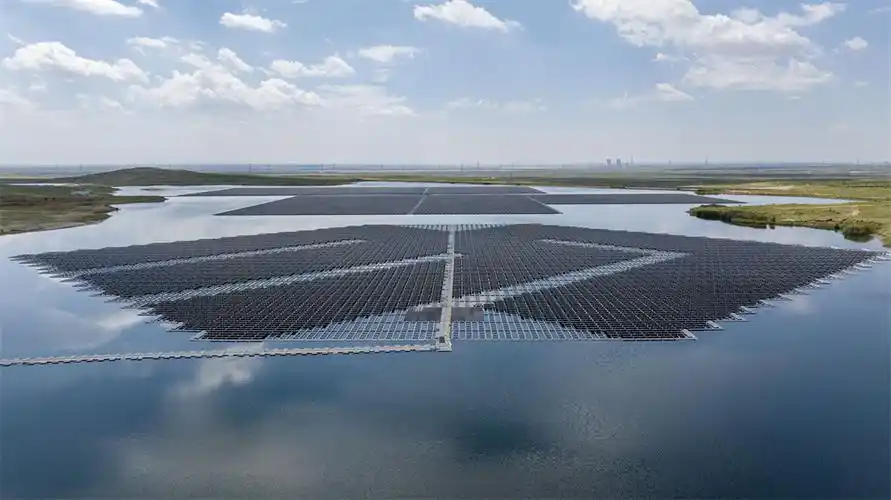
It is worth noting that under the established policy scenario (STEPS), the United States' expectations for renewable energy development have been adjusted. Due to policy changes, the installed capacity of renewable energy in the United States by 2035 is expected to decrease by about 30% compared to last year. Nevertheless, renewable energy continues to rapidly expand globally. China will continue to maintain its position as the world's largest renewable energy market, expected to contribute 45% -60% of the world's new installed capacity in the next decade, and remains the main manufacturer of most renewable energy technologies.
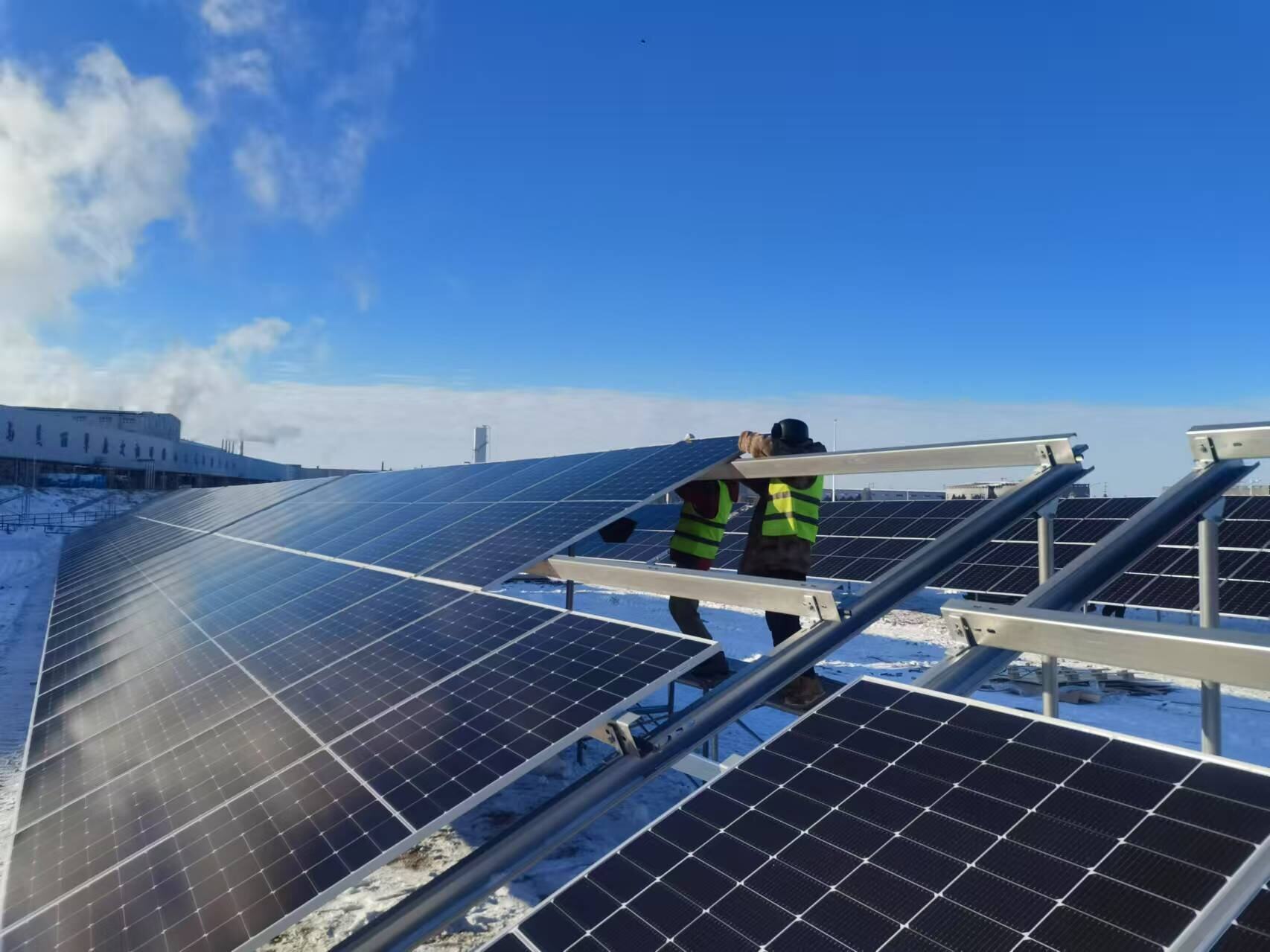
The report particularly emphasizes the importance of technological upgrades. Accelerating the upgrading of photovoltaic power plants and replacing old components with today's efficient ones can not only cope with the current market supply-demand mismatch, but also significantly improve power generation capacity. According to IEA analysis, if the average efficiency of components is increased by 2 percentage points, the power generation can increase by more than 10% under the same installed capacity; If the update speed accelerates, the global photovoltaic power generation is expected to increase by about 15% by 2035.
The global energy market landscape is undergoing profound changes. The report points out that a group of emerging economies are increasingly influencing the global energy market, represented by India and Southeast Asian countries, as well as some countries in the Middle East, Latin America, and Africa. The IEA stated that these emerging economies are "taking over the baton from China", but also made it clear that no single country can fully replicate China's energy development path.
However, the path of energy transformation still faces severe challenges. The report concludes that countries with insufficient access to electricity are facing multiple difficulties such as high financing costs, debt pressure, and tight development budgets. The current progress of electrification is slow. If it continues to develop according to the current trend, it may be difficult for the world to achieve the goal of universal electricity consumption in the next decade or even by the middle of this century. Keywords: Photovoltaic New Energy, Photovoltaic New Energy News, Photovoltaic New Energy Information
This energy revolution is not only related to technological innovation and industrial upgrading, but also involves policy support and international cooperation, which will profoundly affect the future direction of global sustainable development. Countries need to work together to ensure a smooth global energy transition and achieve a clean and accessible energy future. Editor/Xu Shengpeng
Comment





 Praise
 Collect
 Comment

 Share
Share


Write something~