 Search


- The renewable energy sector in India is facing severe challenges. More than 43.9GW of awarded projects have come to a standstill
- Although India's 43.9GW renewable energy project won the bid, there is "no electricity to sell", highlighting the huge gap
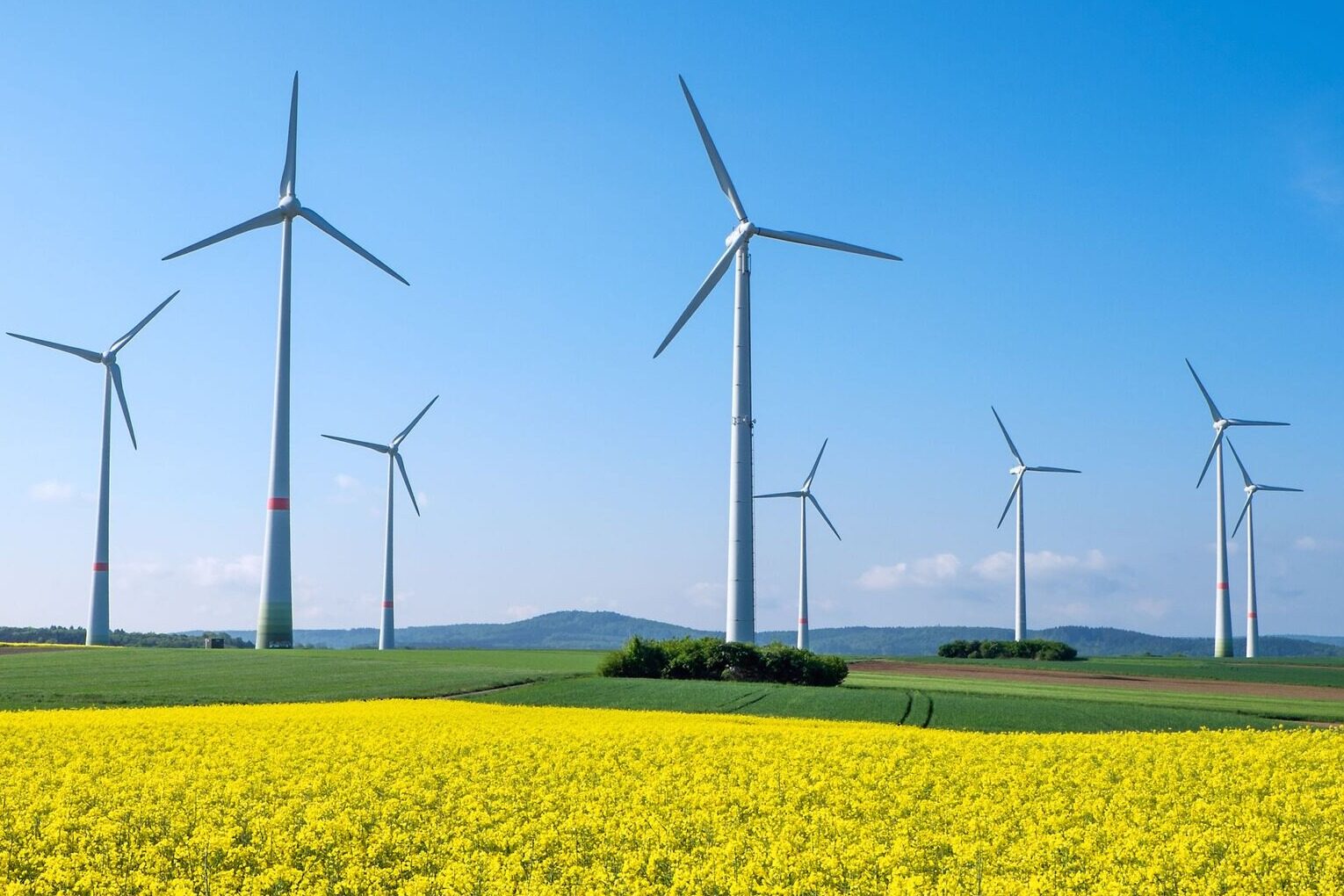
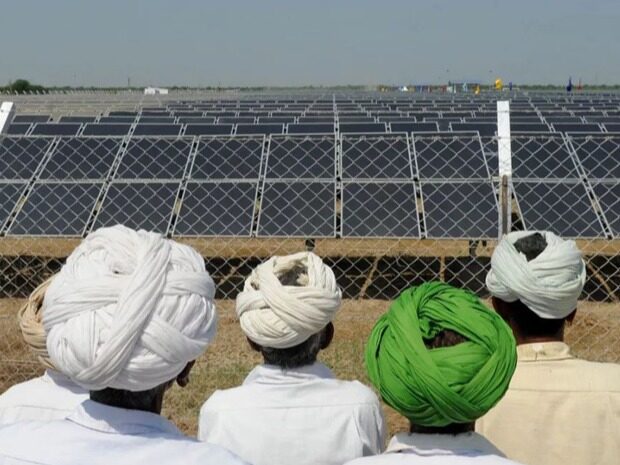
Against the backdrop of India's active promotion of energy transition, a huge backlog of projects is becoming a hidden concern for the industry. Data shows that since April 2023, India has issued winning notices for renewable energy projects exceeding 43.9GW, but these projects have not yet signed power sales agreements, meaning they have not yet found buyers. On one hand, India's renewable energy development is facing a huge gap between "planning and reality" due to the government's continuously increasing installation targets and the delayed successful bidding projects.
Tender surge and weak demand: Why is the 43.9GW project 'unclaimed'?
The Indian Ministry of New and Renewable Energy has disclosed that as of September 30, 2025, over 24.9 GW of renewable energy projects have successfully signed power sales agreements. However, in sharp contrast, there are still 43.9GW of winning projects that have not signed agreements during the same period, resulting in a stagnant state of "no power purchasers".
Market research firm JMK pointed out that between April 2023 and June 2025, approximately 11.4GW of renewable energy tenders have been cancelled due to reasons such as insufficient subscriptions, excessively high prices, or the withdrawal of purchasers. As of now, the cumulative scale of cancelled tenders has climbed to over 43GW. This situation reflects the growth rate of renewable energy bidding scale in India, which has significantly exceeded the actual electricity demand and the readiness of the power grid transmission capacity.
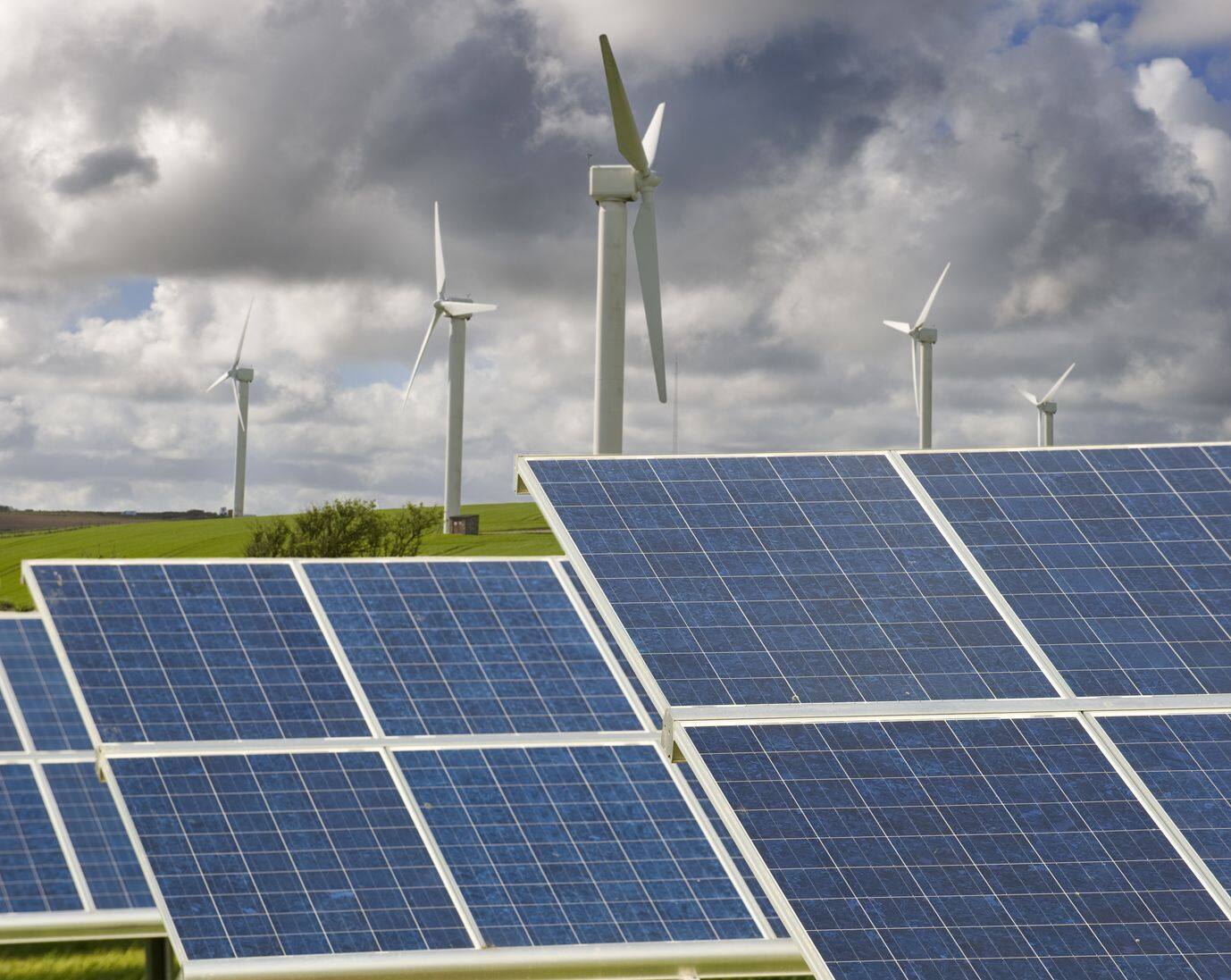
Land, power transmission, and approval: the "triple door" to project implementation
The reasons for the large backlog of projects are complex and intertwined. The primary issue is the insufficient transmission infrastructure, especially after the capacity of the cross state transmission system was occupied by some developers, the project did not make substantial progress, resulting in idle resources.
Both structural and procedural barriers cannot be ignored. This includes frequent disputes over the right of way, slow land acquisition processes, restrictions on equipment procurement, and complex approval processes involving multiple departments. These factors collectively slowed down the overall progress of the project from winning the bid to starting construction.
In addition, the willingness of the electricity demand side is also changing. Against the backdrop of declining demand for pure photovoltaic power, distribution companies and large industrial users are more inclined to purchase dispatchable electricity, such as solar storage hybrid projects, which poses a challenge to the development of traditional single type renewable energy projects.
Government response and industry impact: adjusting bidding strategies and strengthening infrastructure simultaneously
In the face of this situation, the Indian Ministry of New and Renewable Energy emphasized that there are currently no plans for large-scale project cancellations, mainly because capital investment usually occurs after the signing of power purchase agreements. The department is promoting two key measures: first, urging states to strictly implement their renewable energy consumption obligations to create stable demand; Secondly, it is recommended that each implementing agency first aggregate and confirm the requirements with potential users such as distribution companies before issuing bids, in order to avoid blind bidding.
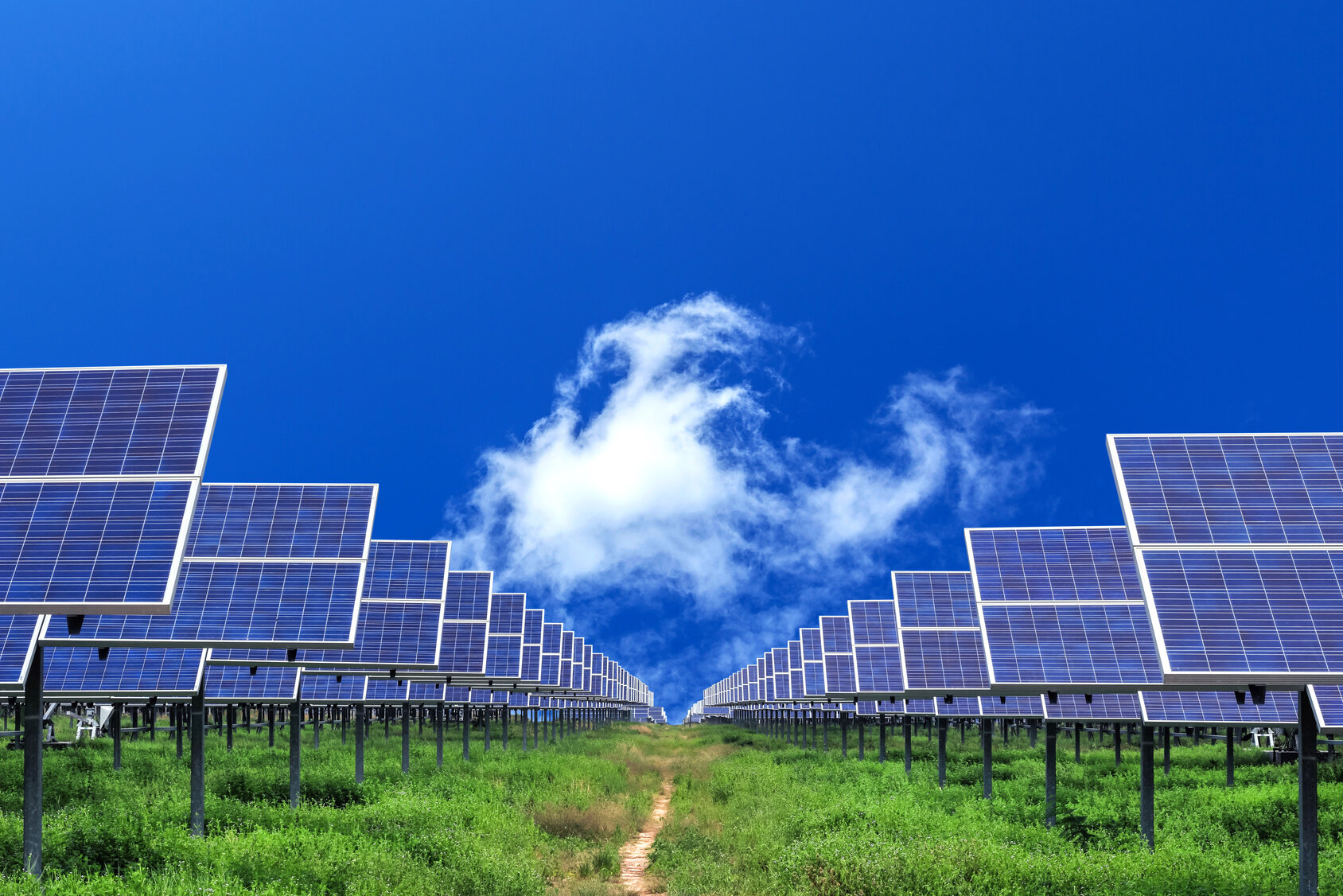
Adjustments are also being made at the policy level. India has revised the standard bidding guidelines for various projects such as photovoltaics, wind power, and hybrid solar storage, explicitly allowing the cancellation of awards that have not been executed for more than 12 months. At the same time, the government is actively promoting the transformation of bidding models from traditional photovoltaics to hybrid solar storage projects, and plans to accelerate the expansion of transmission infrastructure to release limited production capacity and alleviate congestion. Keywords: New Energy Information Network, Latest News on New Energy
JMK analysts warn that if large-scale project cancellations become a reality, their negative impact will affect the entire industry chain - from developers, equipment manufacturers, funders to transmission agencies and governments themselves. Therefore, they suggest that future bidding should adhere more to demand as the core, and achieve closer coordination between renewable energy, energy storage, and transmission planning to avoid valuable clean energy capacity being put on hold again. Editor/Yang Beihua
Comment

 Praise
 Collect
 Comment

 Share
Share


Write something~