 Search


- As a key project in Malaysia's energy planning, this project is expected to produce nearly 30000 tons of green hydrogen annually
- Jiangsu Institute and North China Institute under China Energy Engineering Corporation have successfully won the bid
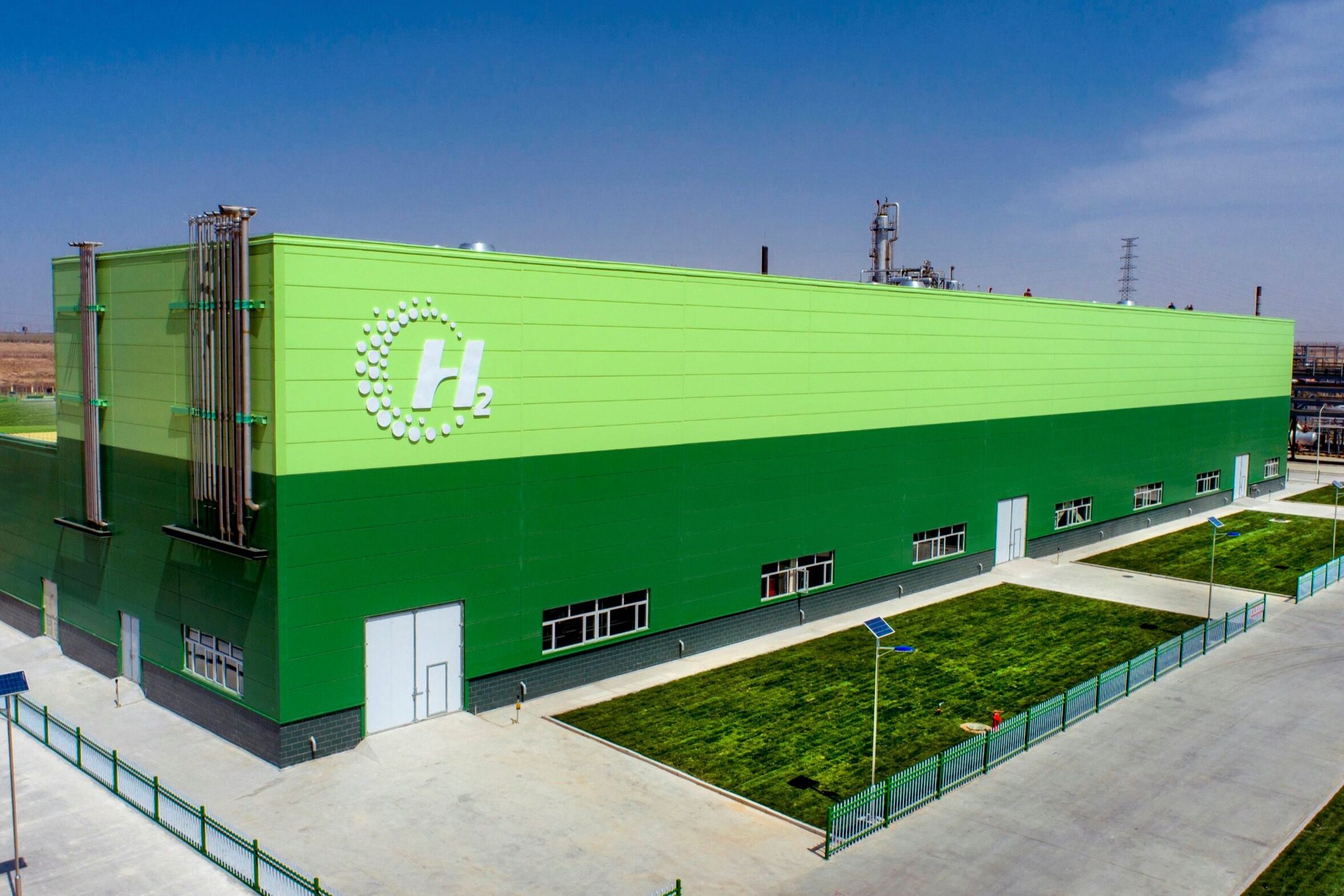
In the global wave of fossil energy transformation, China's green hydrogen industry has taken a crucial step forward. Recently, Jiangsu Institute and North China Institute under China Energy Engineering Corporation jointly signed the EPC contract for the Terengganu Paka Green Hydrogen Integration Project with Malaysian energy company Nova RE Suria Sdn Bhd. This project is jointly packaged and signed with a 1 GW photovoltaic project in Laos and a 92.4 MW biomass power generation project in Malaysia, with a total amount of 7.9 billion yuan, becoming a landmark case of China's hydrogen energy technology going global.
Green hydrogen project landed in Malaysia, with an annual output of 30000 tons to support low-carbon transformation
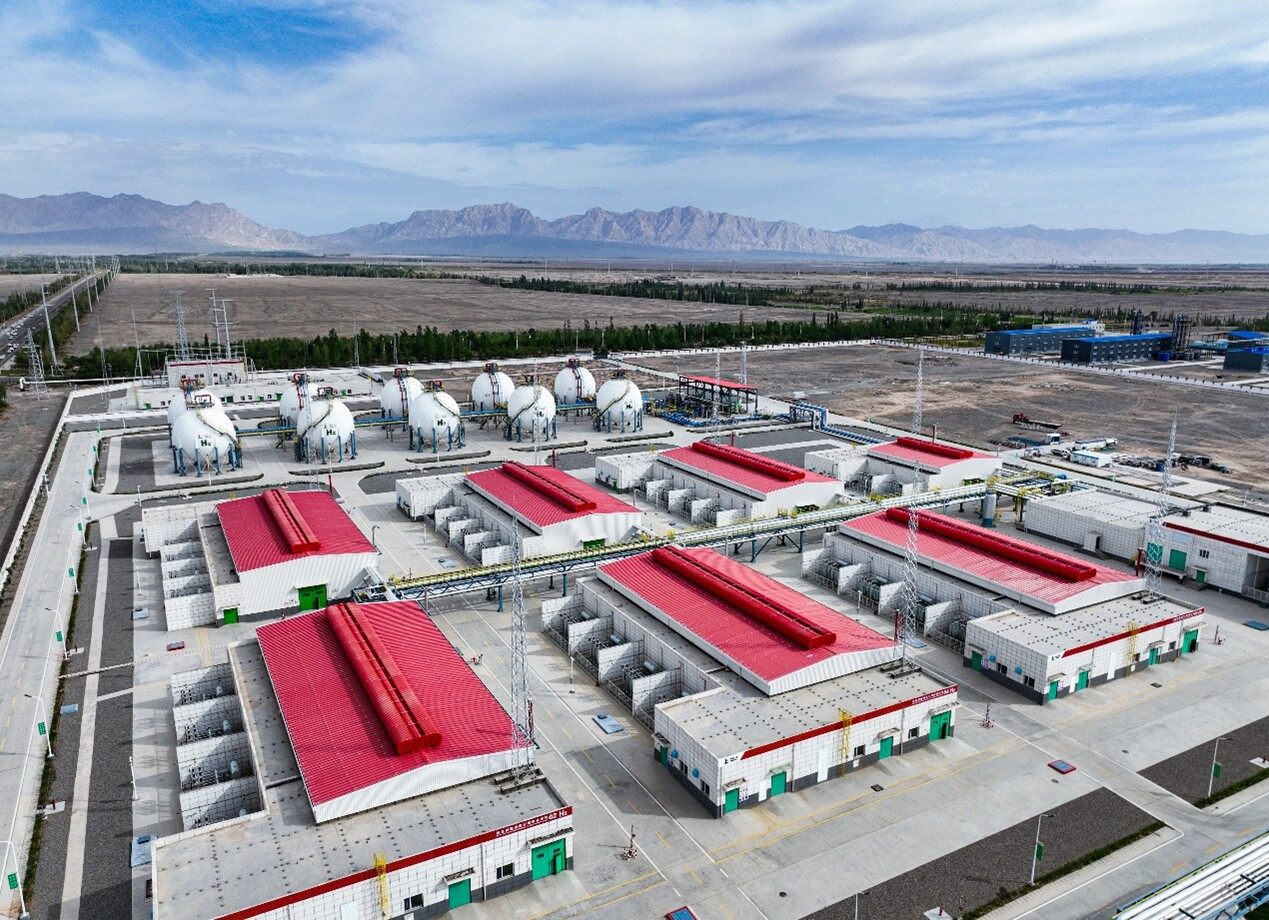
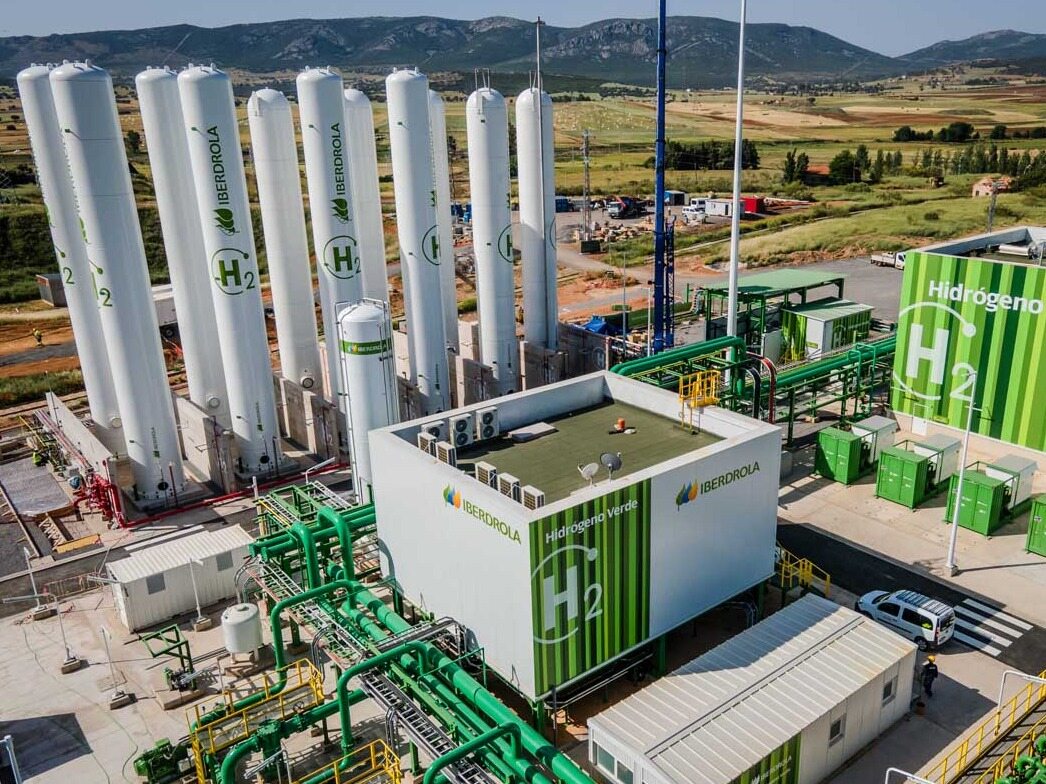
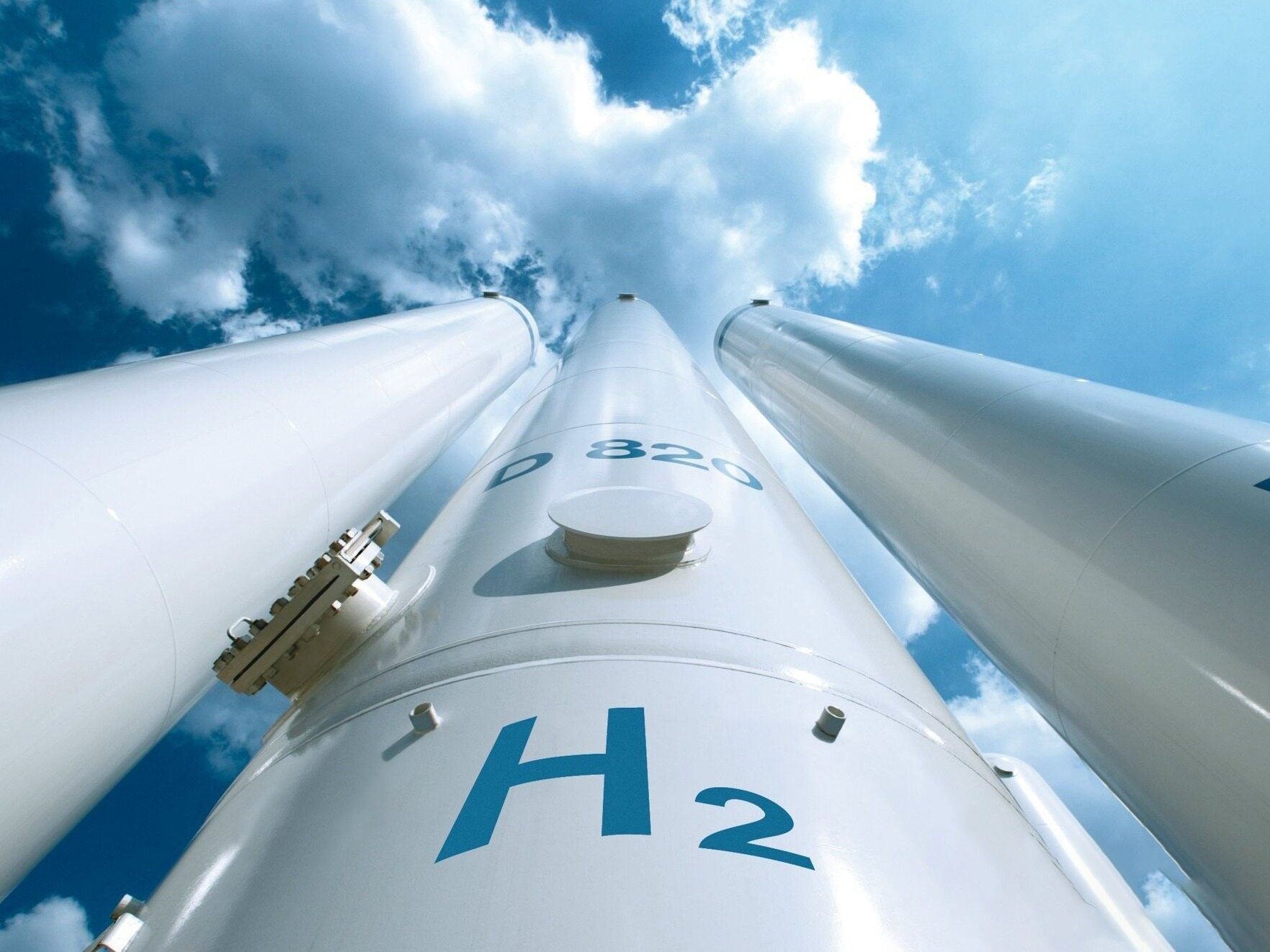
As a key project in Malaysia's 12th Five Year Plan for Energy Development, the Terengganu Paka Green Hydrogen Integration Project aims to produce clean energy and plans to build a modern green hydrogen plant. After the completion of the project, it is expected to produce nearly 30000 tons of green hydrogen annually. On the basis of meeting the local clean energy demand in Malaysia, the surplus production capacity will be supplied to the international hydrogen energy market. China Energy Engineering Jiangsu Institute and North China Institute lead the EPC construction of the project, while Jiangsu Guofu Hydrogen Energy and other enterprises collaborate to provide green hydrogen storage and transportation equipment and technical solutions, forming a full chain cooperation model from design, construction to operation.

Deeply cultivating localized cooperation, Chinese design institutes win trust through forward-looking layout
This winning bid is not accidental. In 2024, Jiangsu Institute, together with China Energy Engineering International Corporation, signed a project framework agreement with the Malaysian side to undertake preliminary consulting work and lay the foundation for future cooperation. Previously, Jiangsu Institute has implemented multiple new energy projects in Malaysia, including the Sakinkat 60 MW/82 MWh battery energy storage power station and the first large-scale floating photovoltaic power station in Sarawak. With its technical strength and contractual reputation in local projects, the Chinese design institute has gradually gained recognition in the local market, paving the way for the implementation of green hydrogen projects. Keywords: Hydrogen New Energy Network, Hydrogen Energy Network
From within the province to overseas, provincial design institutes rely on the advantages of the group to break through market boundaries
As a provincial-level design institute within the China Energy Engineering Corporation system, Jiangsu Institute has long been deeply involved in local energy infrastructure construction in Jiangsu, participating in about 70% of power generation project construction in the province, and has a market share of nearly 90% in the field of gas turbine survey and design. In recent years, relying on the global resource network of China Energy Engineering Group, Jiangsu Institute has accelerated the expansion of overseas markets, gradually upgrading from a "main force in the province" to a "pioneer in going global". The collaboration with North China Institute in winning the bid reflects that Chinese energy construction enterprises are continuously strengthening their competitiveness in the international green energy field by integrating resources and linking up with overseas markets.
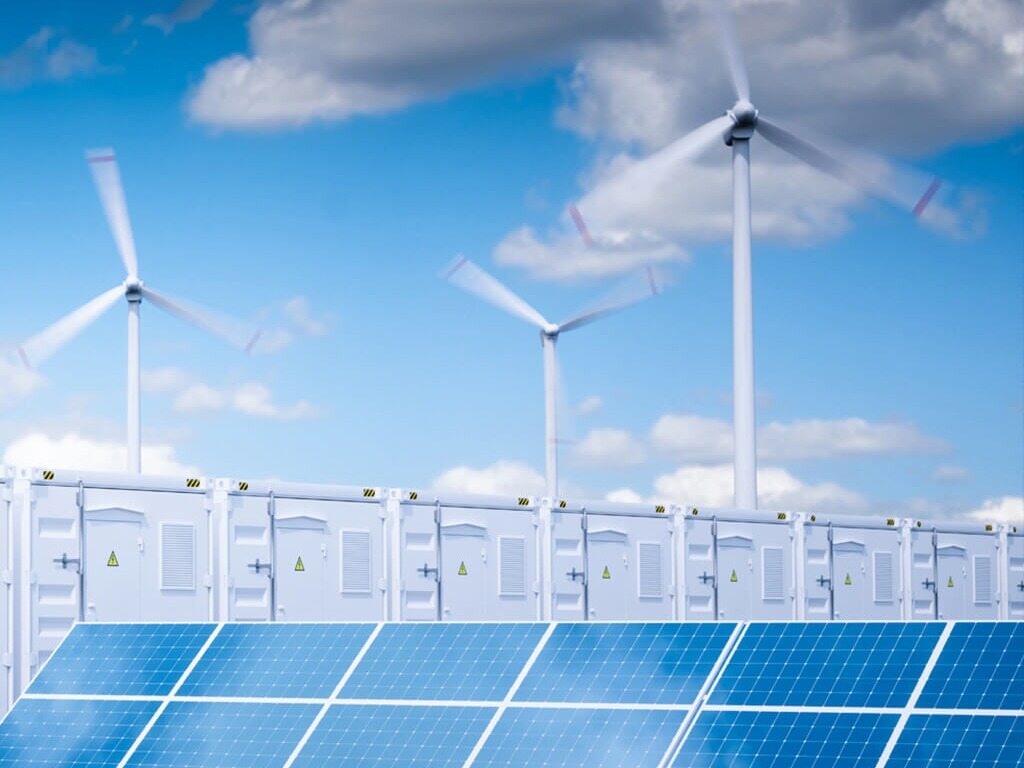
With the continuous acceleration of global low-carbon energy transformation, Chinese enterprises are continuously expanding their international market share in emerging fields such as photovoltaics, hydrogen energy, and energy storage, relying on their technological accumulation and project experience. The landing of Malaysia's green hydrogen project not only promotes the upgrading of the host country's energy structure, but also opens up an important path for China's hydrogen energy industry chain to go global. Editor/Yang Beihua
Comment

 Praise
 Collect
 Comment

 Share
Share


Write something~