 Search


- The Shawan Green Hydrogen and Green Ammonia Project in Xinjiang has landed, exploring new paths for energy transformation
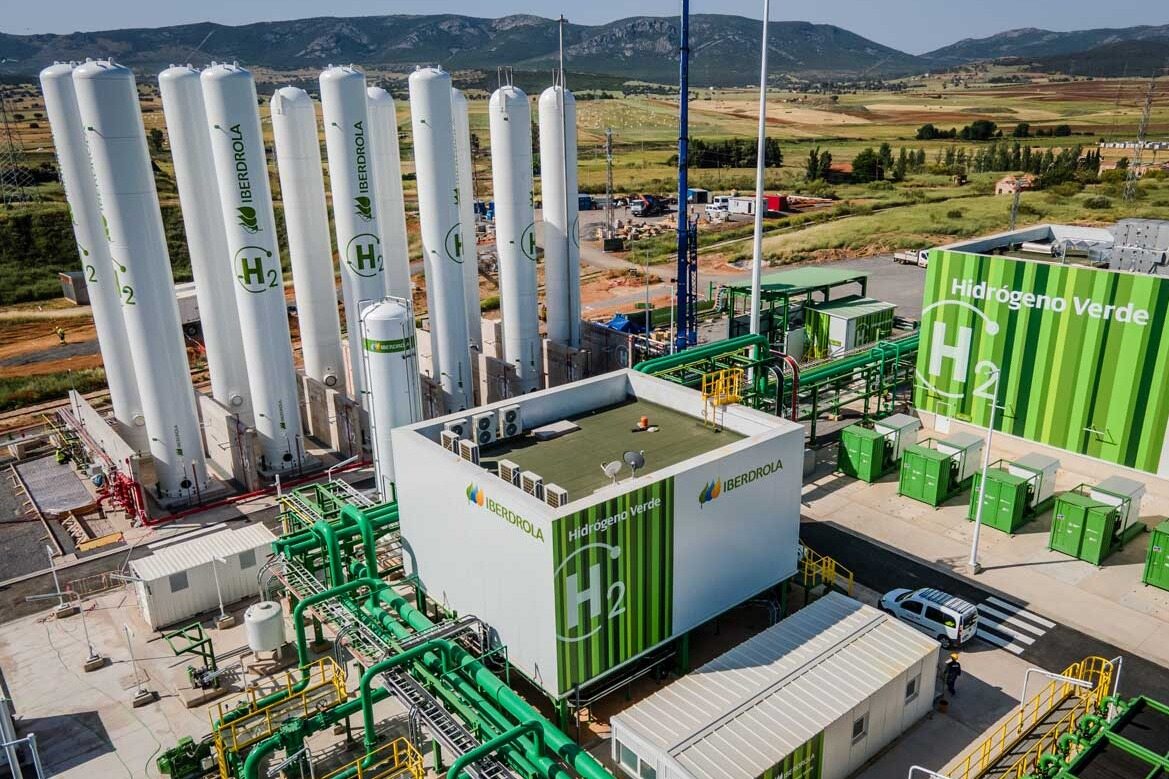
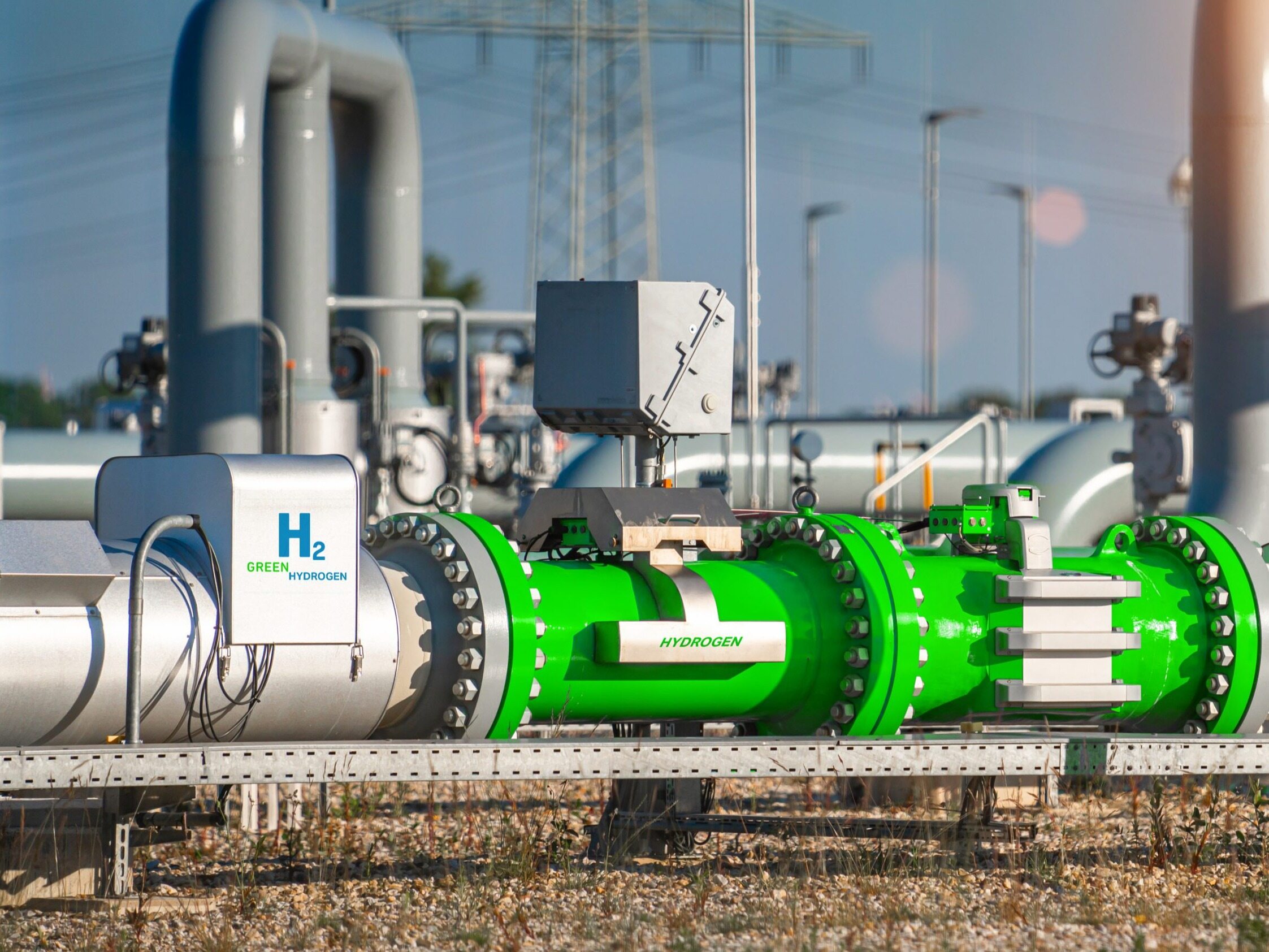
Shawan City in Tacheng, Xinjiang has taken a crucial step in the field of green hydrogen ammonia industry. Xinjiang Shengyue Investment Development Co., Ltd. has successfully acquired an industrial land area of over 330000 square meters in the Haragande Industrial Park. The company plans to invest 3.589 billion yuan to build a production line for producing 600000 tons of green ammonia from 100000 tons of green hydrogen annually, marking the official entry of this major new energy chemical project into the substantive promotion stage.
The Northern Xinjiang Green Hydrogen Ammonia Project fills the regional puzzle
The plot is located on the south side of Xiangjiang West Road and the west side of Huanghe Road in Haragande Park, Shawan City, with a supply area of 332500 square meters and a transaction price of 48.59 million yuan. The land use right holder is Xinjiang Shengyue Investment Development Co., Ltd. The agreed delivery date is April 15, 2026. The project is scheduled to commence on September 1, 2026 and is expected to be completed on October 31, 2028.
The implementation of this project was not achieved overnight. As early as August 2025, Xinjiang Hydrogen based Energy Technology Co., Ltd. had initiated environmental impact assessment work. On October 20, 2025, the project environmental impact assessment report and public participation explanation were publicly announced on the official website of the Xinjiang Uygur Autonomous Region Ecological Environment Protection Industry Association, and are currently in the stage of being submitted for approval.
80 electrolytic cells to build green hydrogen production capacity
From the perspective of the core construction content of the project, the project will focus on the production of green ammonia from green hydrogen, forming a complete production capacity of 100000 tons of green hydrogen and 600000 tons of green ammonia per year. This production capacity scale has a significant demonstration effect in the northern Xinjiang region and even throughout Xinjiang.
The specific construction content includes supporting facilities with a total construction area of 91114.8 square meters, including electrolytic water hydrogen production plants, various warehouses, business buildings, and management buildings. In terms of core equipment, the project plans to equip 80 sets of 2000 standard cubic meter electrolytic cells, supporting the construction of gas-liquid separation devices, purification devices, air separation nitrogen production devices, synthetic ammonia devices, etc., to form a complete green hydrogen and green ammonia production chain. The total investment of the project is as high as 3589427800 yuan, and the construction period is expected to be 12 months.
It is worth mentioning that the project signed a cooperation agreement with China Shipbuilding Industry Corporation (Handan) Perry Hydrogen Energy Technology Co., Ltd. as early as March 2025, planning to support 4.5GW of green electricity and create a global zero carbon technology benchmark.
Dual drive of green agriculture and carbon reduction
Against the backdrop of traditional fertilizer production mainly relying on natural gas or coal, the implementation of the green ammonia project signifies a fundamental change in the supply mode of agricultural production materials. Green ammonia produces hydrogen through wind solar electrolysis of water, and then synthesizes ammonia from hydrogen, achieving green and low-carbon throughout the entire process. Extending downstream, green ammonia can be further converted into green fertilizer, providing green fertilizer raw materials for the vast agriculture in northern Xinjiang and promoting the construction of a green agricultural industry chain.
On a deeper level, this project carries multiple strategic values. Firstly, the logic of carbon reduction. With the increasingly strict carbon tariffs in Europe, if export products can be labeled with green certification, their market value and competitiveness will be significantly enhanced. In China, the dual carbon target is forcing high energy consuming industries to transform and upgrade. In the future, industries such as steel and chemical will have to purchase green ammonia to achieve carbon reduction goals.
Next is the demand for new energy consumption. Xinjiang has abundant wind and solar power resources, but due to the capacity of external transmission channels, the problem of wind and solar power abandonment has long existed. Converting green electricity that cannot be connected to the internet into hydrogen and ammonia on site is equivalent to turning unstable electricity into storable and transportable green goods.
Dual proximity of resources and markets
The project is located in the Haragande Industrial and Mining Products Processing Park in Shawan City, reflecting a dual consideration of resources and market. On the one hand, Xinjiang has a leading national endowment of photovoltaic and wind power resources, providing cheap clean electricity guarantee for green hydrogen production; On the other hand, the northern Xinjiang region has developed agriculture and a high demand for fertilizers. The green ammonia project is closely related to the main agricultural production areas, and the application scenarios of downstream green agriculture are clearly visible.
From the overall layout of the hydrogen energy industry in Xinjiang, this project is not an isolated case. The Midong District of Urumqi City has laid out a 1.5 million kilowatt photovoltaic hydrogen production and synthesis ammonia fertilizer integrated project, Fuhai County has planned a photovoltaic hydrogen storage ammonia alcohol project, and the China Energy Engineering Corporation project in Kashgar has also been launched. The implementation of the 600000 ton per year green ammonia project in Shawan City has added an important piece of the puzzle to the hydrogen energy industry in northern Xinjiang. Keywords: green hydrogen, green ammonia, new energy
After the project is completed, it is expected to reduce carbon emissions by up to 2 million tons annually. This will not only inject strong impetus into the green transformation of Xinjiang's energy structure, but also explore replicable and promotable practical experience for the industrialization of green hydrogen and green ammonia in China.Editor/Gao Xue
Comment

 Praise
 Collect
 Comment

 Share
Share


Write something~