 Search


- Thailand is embarking on a new round of development journey with the courage of breaking through institutional barriers
- This investment release plan involving 480 billion Thai baht is essentially a modernization of the country's governance capacity
In order to accelerate the roar of the economic engine, the Thai government recently launched a strategic project called "Thai Express", aimed at quickly releasing the huge investment backlog in energy, electronics, industry and other fields by removing key obstacles in the investment process. This important measure is seen as a crucial step in Thailand's push for the implementation of the 'Quick Victory Policy', targeting 80 large-scale projects worth 480 billion Thai baht, covering strategic emerging industries such as data centers, clean energy, electric vehicles, and printed circuit boards. With the increasingly fierce investment competition in Southeast Asia, Thailand is striving to seize the initiative in the regional economic pattern through institutional innovation and process reengineering, injecting strong momentum into its economic development in 2025.
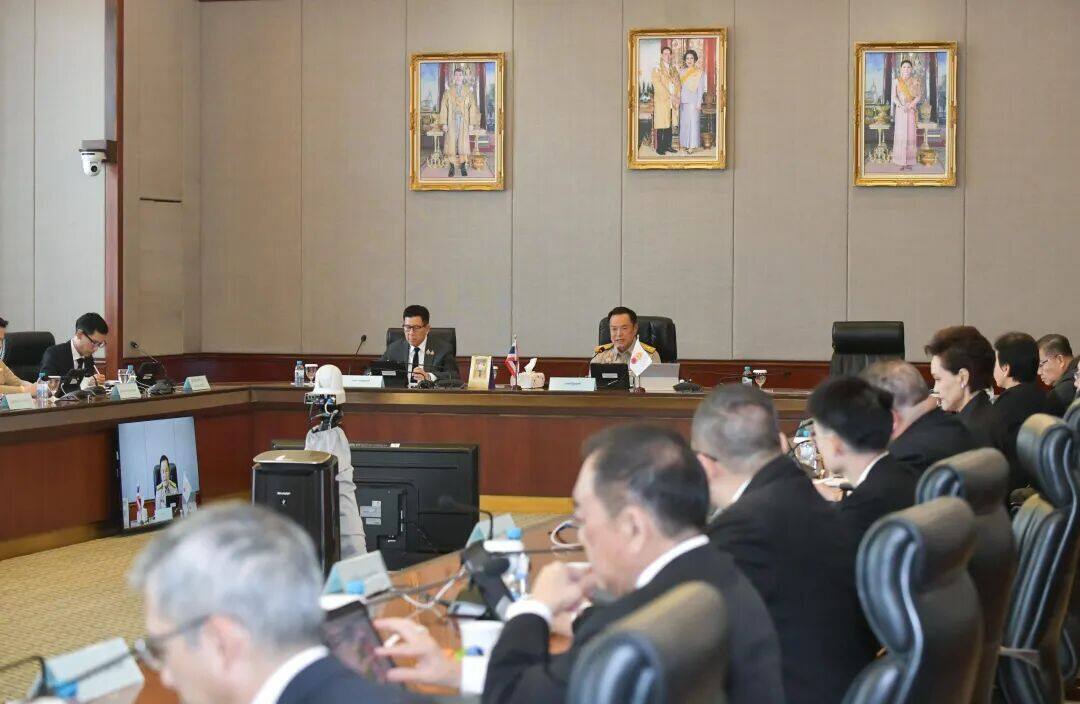
Quick Pass Mechanism: Dual track Reform of Law and Energy
Faced with long-standing cumbersome approvals and regulatory barriers, the core of the "Thailand Express" mechanism lies in implementing deep legal reforms and ensuring sufficient supply of clean energy. According to the new mechanism, the Thai Investment Promotion Commission has been granted greater coordination powers to convene relevant institutions to jointly address investment barriers. The committee will establish strict service level agreements, supervise the work progress of various executing departments, and require an overall acceleration of the project approval process by 20% to 50%. To ensure service readiness before December 2025, institutions such as the Energy Regulatory Commission and the Electricity Generating Authority of Thailand are required to accelerate the introduction of regulations on bond requirements for grid use, green electricity pricing standards for public utilities, and pilot programs for direct renewable energy purchase agreements, paving the way for major projects to be implemented at the institutional level.
Focus on three major bottlenecks: electricity, land, and talent
After detailed research, the obstacles to project progress have been clearly identified as three common issues: power supply, land acquisition, and professional talent. In terms of power supply, the authorities require quick issuance of power supply confirmation letters to projects such as data centers, while the power sector needs to immediately develop detailed grid expansion plans to support upcoming major investment projects. On land issues, the Ministry of Public Works and Urban Rural Planning will closely collaborate with institutions such as the Eastern Economic Corridor Office of Thailand to complete the review and update of the overall urban and community planning by March 2026, accurately delineating available areas for the development of emerging industries. In terms of talent security, the Ministry of Labor needs to comprehensively strengthen the electronic work permit system by January 2026, and provide seamless services for foreign high skilled talents through a one-stop visa and work permit service center. Keywords: Southeast Asia Latest News, Southeast Asia News Latest News
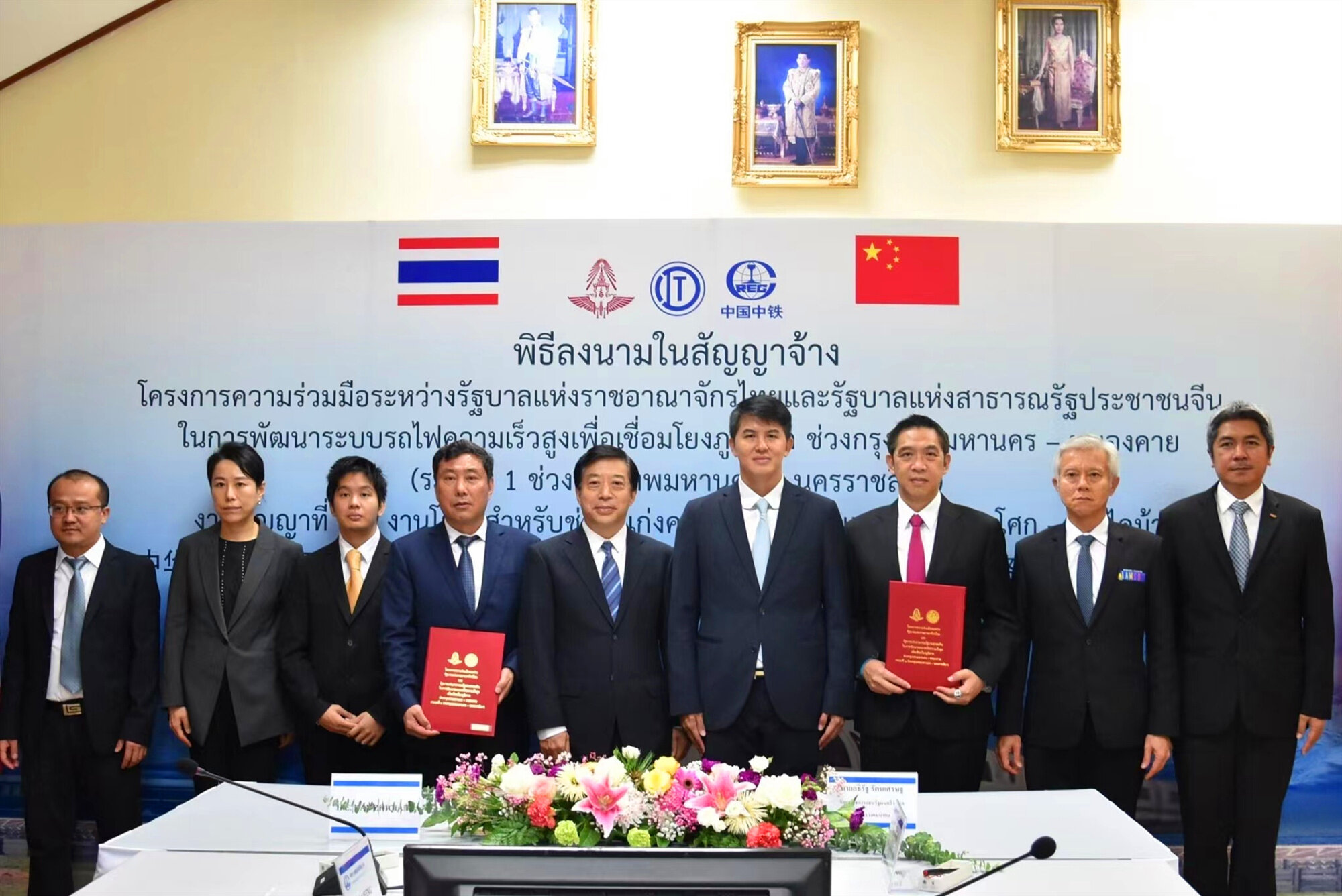
Enterprise empowerment: High subsidies drive industrial upgrading
In order to comprehensively enhance the competitiveness of Thai enterprises in the global market, the government has introduced strong subsidy policies. According to the new regulations, the government will provide subsidies of 30% to 50% for capital investment in enterprises with at least 51% Thai owned shares, specifically to support enterprises in developing new generation technologies, digital transformation, and upgrading to green industries. A single enterprise can receive a subsidy of up to 100 million Thai baht. At the same time, the government has set up a capacity enhancement fund with a total amount of 5 billion baht, planning to provide new skills retraining for 100000 professionals in the short term to ensure that the talent supply can meet the development needs of the new generation of industries. This series of measures will effectively stimulate the innovation vitality of local enterprises and help Thailand win an advantageous position in the new round of industrial competition. Editor/Yang Beihua
Comment







 Praise
 Collect
 Comment

 Share
Share


Write something~