 Search


- The core concept of "connectivity, mutual benefit and win-win" advocated by the "the Belt and Road" initiative is highly consistent
- The implementation of the Merowe Project in Sudan is in line with the core concept of the "the Belt and Road" initiative
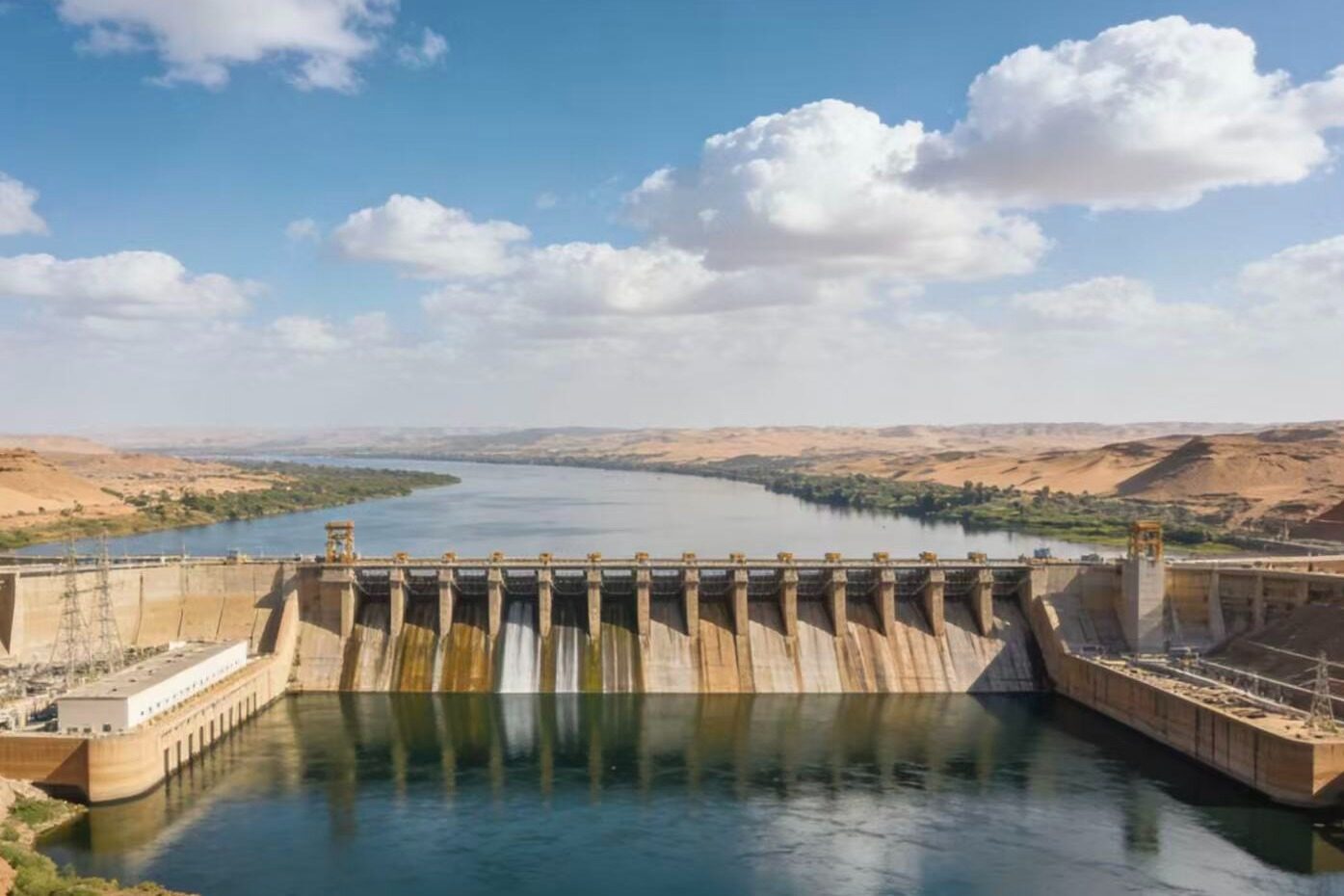
As a benchmark project for early production capacity cooperation between China and African countries, the Merowe Hydropower Project in Sudan, which was undertaken by a consortium led by China Water Resources and Power Corporation, is not only a super water conservancy hub on the Nile River, but also an important precursor practice sample of the "the Belt and Road" initiative, laying a solid foundation for China Arab cooperation to deepen the African continent in the new era, and writing a model chapter of transnational infrastructure cooperation.
Tracing back to the source of cooperation, the implementation of the Merowe Project in Sudan is in line with the core concept of the "the Belt and Road" initiative. In 2003, the Chinese joint venture stood out among 44 joint ventures composed of 55 companies worldwide and successfully won the bid for the project, becoming the largest single contract amount in the history of Chinese international engineering contracting at that time for water conservancy and hydropower projects. At that time, China and Sudan, based on the cooperation principle of "mutual consultation, joint construction and sharing", broke the barriers of geographical distance and development differences, and took infrastructure construction as the link to open the exploration of in-depth production capacity cooperation, which was highly consistent with the core concept of "connectivity, mutual benefit and win-win" advocated by the "the Belt and Road" initiative later, and became a vivid practice of early cooperation between China and countries along the Belt and Road.
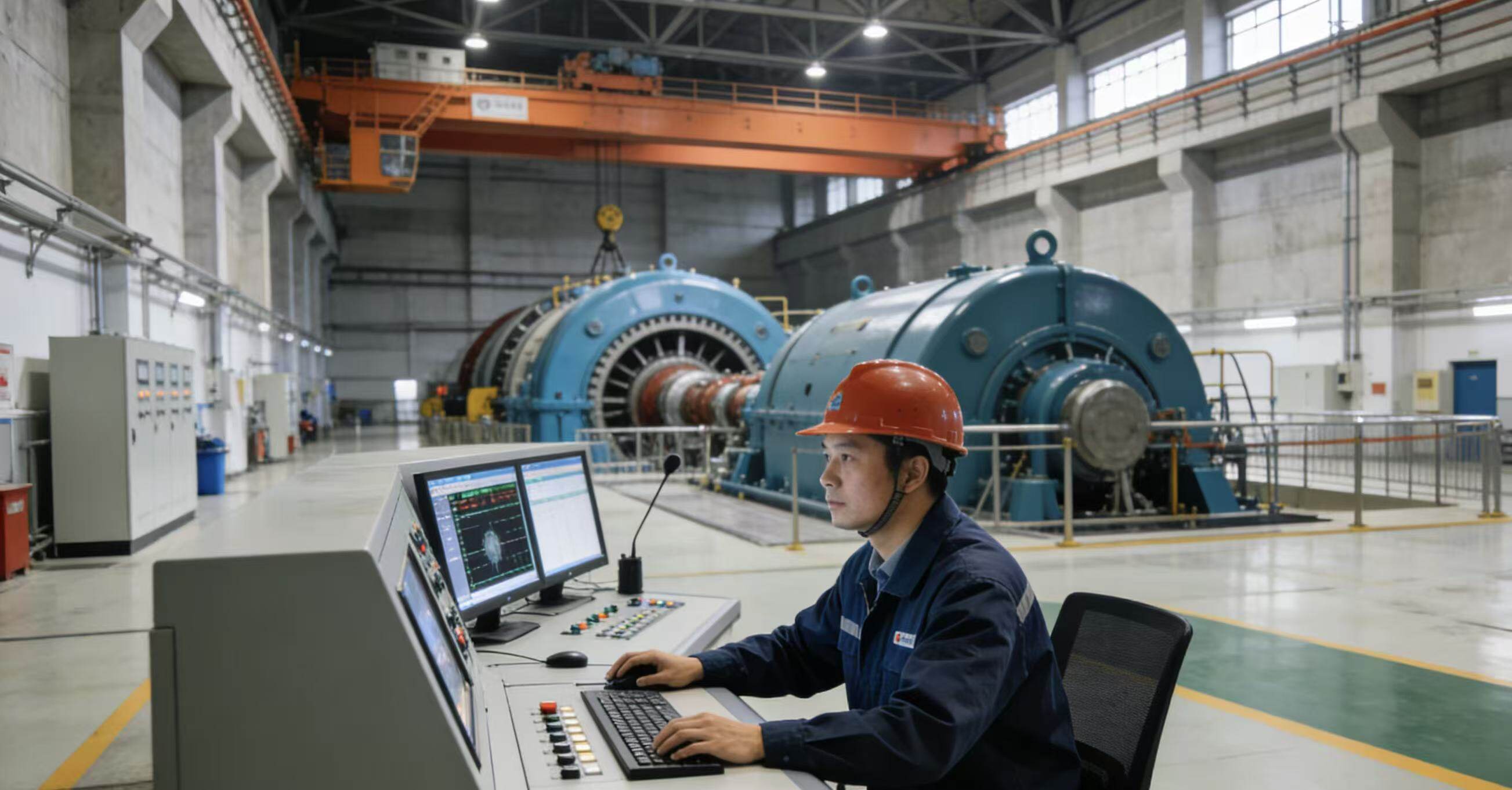
The project construction runs through the cooperation spirit of the "the Belt and Road". The Chinese team not only brought advanced hydropower technology and mature engineering management experience, but also adhered to the principle of "localized construction and local development". In the construction of the 9.7-kilometer long dam, tens of thousands of local job opportunities were created, and a large number of technical workers and management talents were trained, achieving the goal of "bringing capabilities wherever the project is built". During the construction, the Chinese side strictly followed the international environmental protection standards, learned from the successful experience of China's Three Gorges Project, and properly solved the resettlement problem in the reservoir area, which not only guaranteed the project progress, but also won the deep recognition of the local government and the people, vividly interpreting the cooperation connotation of "people first, mutual benefit and win-win" in the "the Belt and Road" initiative.
As a landmark project of the predecessor practice of the "the Belt and Road Initiative", the completion and operation of the Merowe Project has injected lasting impetus into Sino Soviet (Danish) cooperation. In 2010, all units of the power station with a total installed capacity of 1.25 million kilowatts were connected to the grid for power generation, doubling Sudan's national power generation and reducing electricity costs by 25% -30%. Over 1 million acres of fertile land downstream were irrigated, benefiting more than 4 million people directly. The project has not only solved the long-term power shortage and food production water problems faced by Sudan, but also built a cooperation bridge between China and the Soviet Union for technical exchange and capacity complementarity. Its successful model has provided valuable experience for the promotion of the follow-up "the Belt and Road" initiative in Africa - to achieve common development of both parties through infrastructure connectivity as a breakthrough, livelihood projects as a link, and technology output and capacity building as a support.

Today, the Merowe Hydropower Project has become an important historical footnote of the "the Belt and Road" initiative. Its successful practice has proven that China's cooperation with African countries has always been based on the principles of equality, mutual benefit, and mutual respect, without attaching any political conditions or seeking unilateral benefits. Instead, it focuses on the core needs of developing countries and activates local development potential through infrastructure cooperation. The project pattern was listed in Sudan's 100 Sudanese pound currency and won the Luban Prize for overseas projects in China, which not only recognized the project quality and cooperation value, but also demonstrated the profound influence of the predecessor practice of the "the Belt and Road".
From the dam on the Nile to the numerous cooperation projects along the "the Belt and Road" in the new era, the cooperation gene of Merowe Hydropower Project continues to be inherited. It not only witnessed the development process of China and African countries from early cooperation to deep binding, but also provided a replicable and promotable cooperation model for the "the Belt and Road" initiative to take root in Africa. In the future, the early cooperation model represented by the Melovi project will continue to inject inexhaustible impetus into China Arab cooperation to deepen the "the Belt and Road" and jointly build a community of shared future for mankind, strengthen the ties of connectivity, and let the fruits of mutual benefit benefit more countries and people.Editor/Bian Wenjun
Comment





 Praise
 Collect
 Comment

 Share
Share


Write something~