 Search


- Uzbekistan proposes to build a unified electronic document and trust system, reshaping the Eurasian transportation pattern
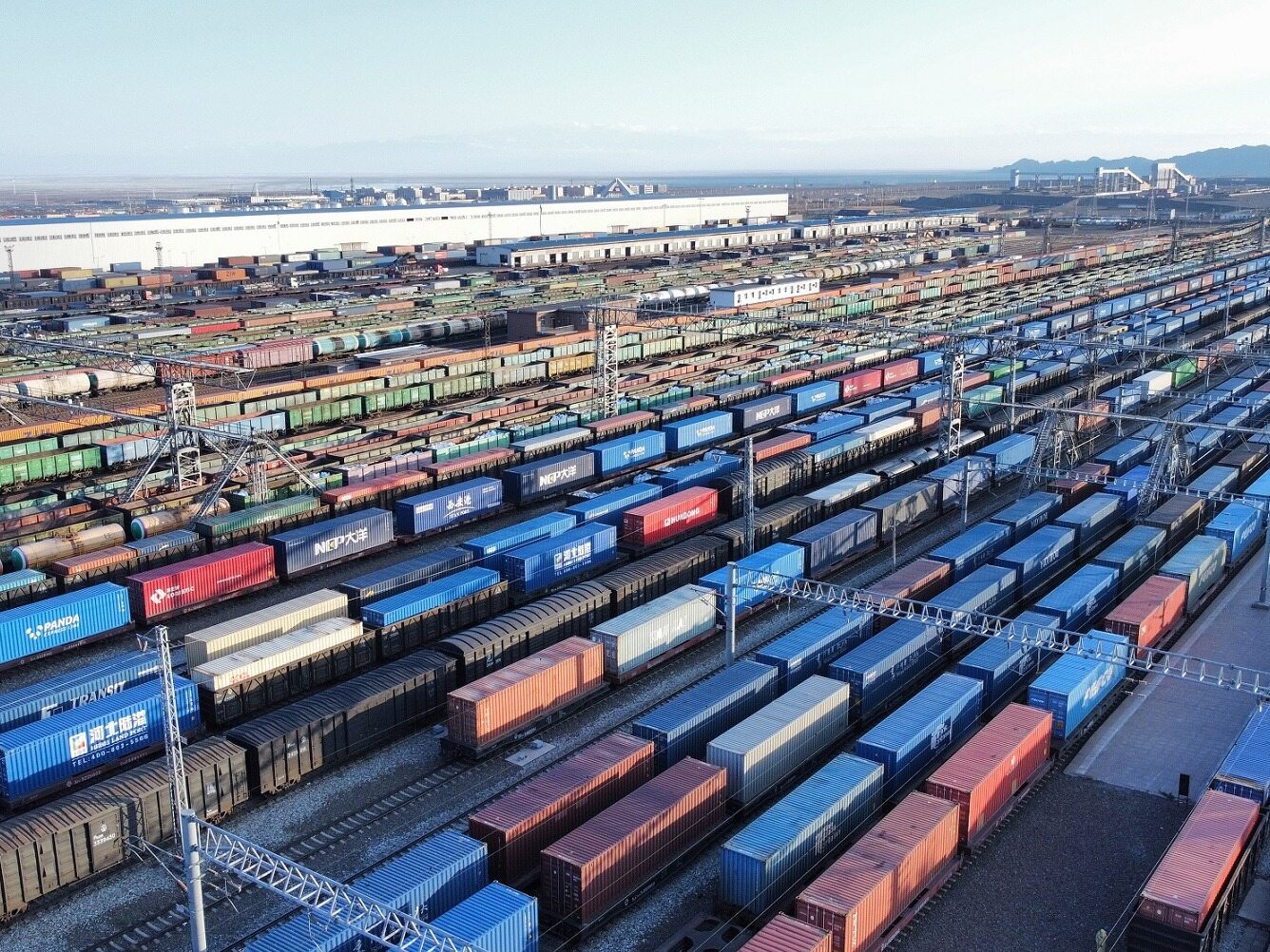
While the world's trade flows are still entangled with paper documents, border delays, and human errors, a revolution aimed at making data "run" ahead of goods is quietly emerging on the transportation corridors of the Eurasian continent. Recently, at the International Transport and Logistics Forum held in St. Petersburg, Russia, Uzbekistan's proposal outlined a crucial step towards this future vision.
This landlocked country in Central Asia is ambitiously declaring itself ready to become a reliable partner in shaping a new transportation architecture for the Eurasian continent. At the plenary session titled "International Transport Corridors: Integrated and Continuous Logistics Chains", Uzbekistan's Minister of Transport Ilhom Makkhamov elaborated on his core strategy for promoting regional logistics modernization - comprehensive digitization.

An 'electronic pass' to travel across Europe and Asia
The core idea proposed by Uzbekistan is to build an electronic document management system across multiple continents based on a unified electronic pass platform. This is not just a technological upgrade, but also aimed at breaking through the independent "data islands" of various countries and establishing a universal "digital trust" framework. Specifically, the country advocates for the comprehensive integration of the Electronic Customs Clearance Permit (E-Permit), Electronic Goods Transport Order (E-TIR), and Electronic Customs Goods Transport Order (e-CMR) systems throughout the Eurasian space. Its goal is to achieve the principle of "data before goods", automate and intelligentize customs processes, minimize human errors, and ensure the security and uninterrupted flow of documents.

The border is now a 'passage' rather than a 'checkpoint'
With the continuous growth of trade volume, traditional border checkpoints are increasingly becoming bottlenecks in the logistics chain. In response to this pain point, Uzbekistan further proposes to establish a mechanism for mutual recognition of transit declaration forms and other permits among customs of various countries. The key is to establish a "complete trust" mechanism between customs authorities in different countries. If this change can be implemented, it will significantly reduce the cross-border operation and time costs of enterprises, transforming the physical border from a "checkpoint" that requires stopping and inspection to a "high-tech channel" that ensures seamless and fast passage of goods.

Legal synergy is the 'railway' of the digital age
Minister Mahkamov emphasized in his speech that even with advanced digital technology, without unified legal standards and policy support, it is difficult to form a stable and reliable supply chain. Therefore, coordinating the legal standards and tariff policies of various countries within the framework of international organizations, achieving "interoperability" between law and technology, is equally important as building digital platforms. This is the cornerstone of ensuring that the Eurasian continent can establish a modern supply chain network that is reliable, secure, and truly achieves "door-to-door" services.
Analysts pointed out that Uzbekistan's initiative is highly consistent with the cooperation concept of "smart customs, smart borders, and smart sharing connectivity" that China has vigorously promoted in recent years under the the Belt and Road framework. Improving the efficiency of cross-border logistics through digital means is an important direction of high-quality development of the the Belt and Road. If this initiative can receive positive response and coordinated promotion from countries along the route, it will inject strong digital momentum into the connectivity of the Eurasian continent.Editor/Yang Meiling
Comment





 Praise
 Collect
 Comment

 Share
Share


Write something~