 Search


- This project with an investment of over 140 million US dollars is an important measure for Uzbekistan's energy transition
- This project demonstrates the determination of Central Asian countries to accelerate the transformation of their energy structure
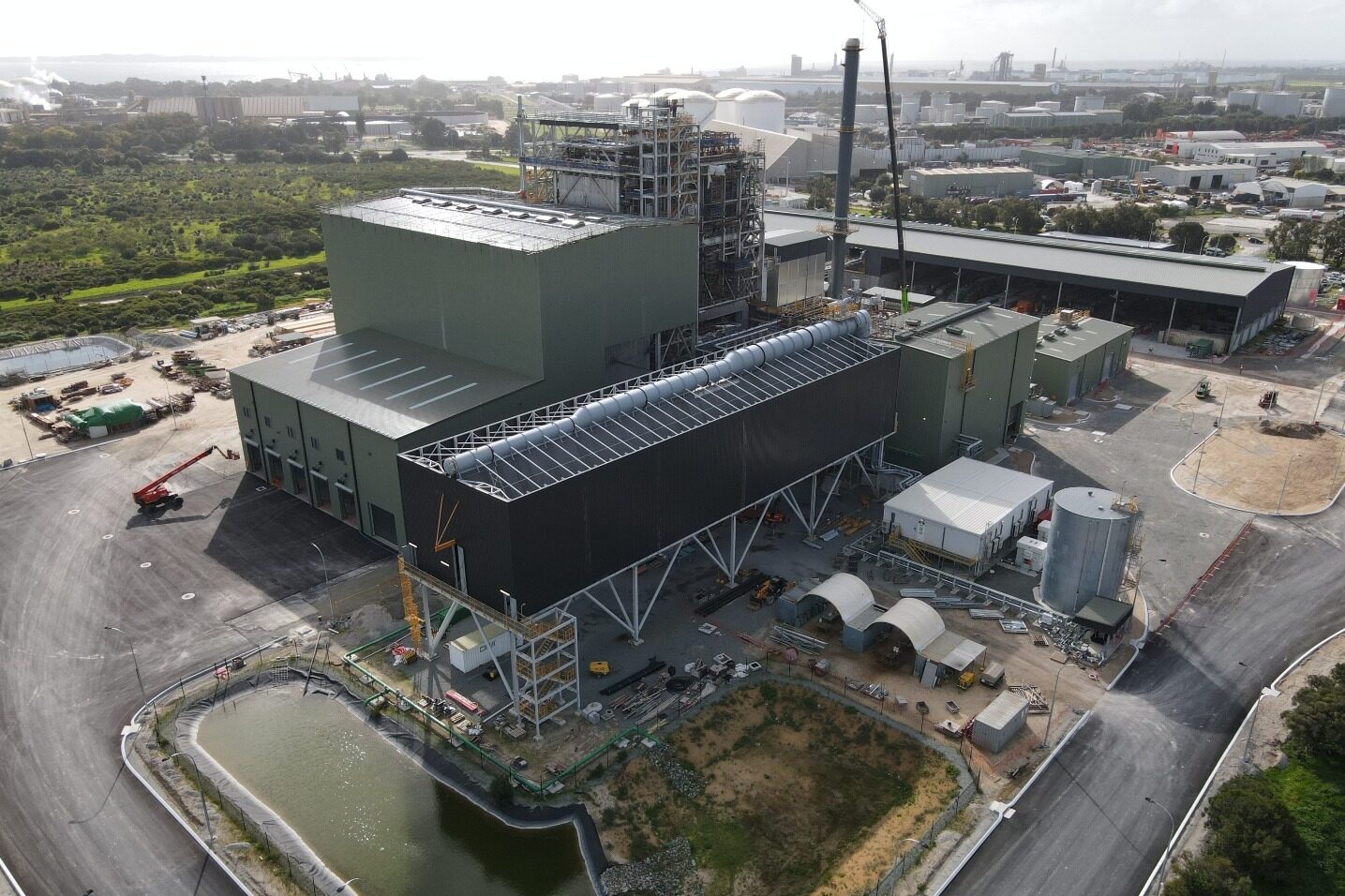
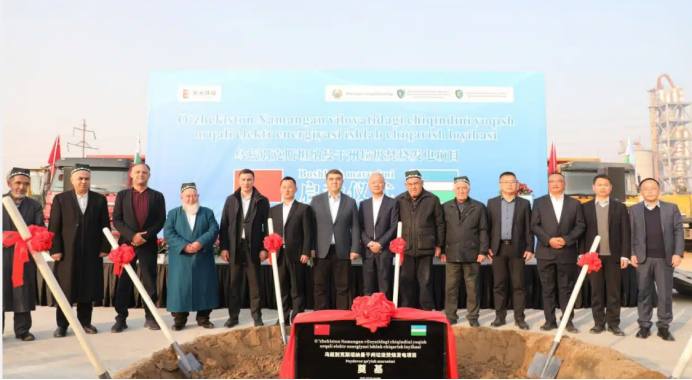
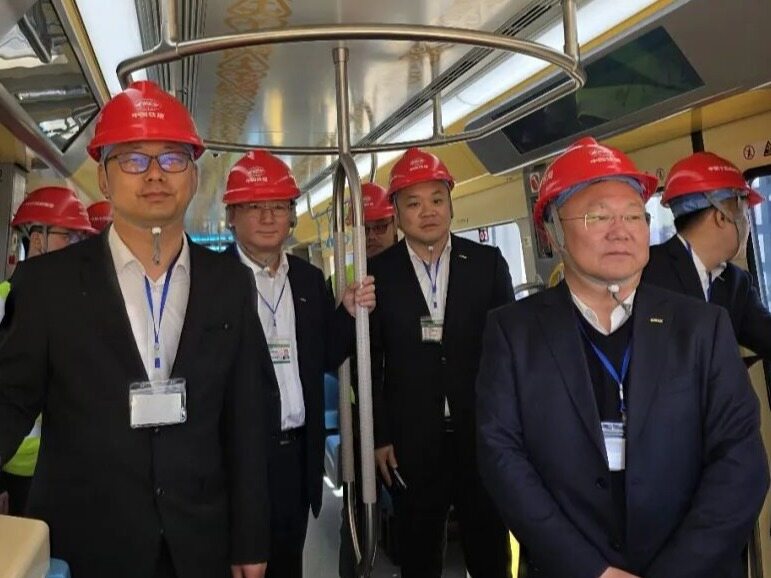
In the global energy transition wave, Central Asian countries are becoming emerging hotspots for green investment. The foundation of a landmark project in Chust District, Namangan Province, Uzbekistan, provides a vivid footnote to this trend. On November 29, 2025, the Namangan Waste to Energy Plant, invested, constructed, and operated by China Everbright International Limited, officially broke ground. This project, with a total investment of $141.5 million, is not only a key step for Uzbekistan to promote the upgrading of its environmental protection strategy, but also clearly demonstrates the deepening participation and technology output capacity of Chinese enterprises in the global green infrastructure field, especially in countries along the the Belt and Road.
Dual guarantee of scale and stability
The Namangan Waste to Energy Plant is designed to process 1500 tons of solid waste per day and is expected to provide up to 227.5 million kilowatt hours of clean electricity annually after completion, enough to meet the electricity needs of hundreds of thousands of households. In addition, the project will create 150 to 200 long-term employment opportunities, bringing significant socio-economic benefits. To ensure the commercial feasibility and investment return stability of the project, the Uzbekistan government has signed a 30-year power purchase agreement with the project party to guarantee the full purchase of the generated electricity at the agreed price. This long-term agreement model provides a key risk mitigation mechanism for attracting international capital into the country's renewable energy sector.
Uzbekistan's Green Ambition and Realistic Needs
The launch of this project is rooted in Uzbekistan's urgent environmental needs and clear energy transition plan. With the acceleration of urbanization, the amount of household waste generated has surged. Traditional landfill treatment not only occupies a large amount of land, but also brings environmental pollution and greenhouse gas emissions problems. To this end, the Ukrainian government has formulated a dual track strategy that combines waste resource utilization with energy supplementation, and plans to build similar waste to energy conversion complexes in nine regions across the country. The Namangan project is an important part of this national level plan. Previously, similar projects in Andijan, Samarkand, and Fergana began construction in 2025, marking the rapid and large-scale implementation of solid waste energy utilization in the country.
The deepening of China's role
As a leading environmental comprehensive management enterprise in China and even globally, Everbright International has mature technology, rich operational experience, and strong investment and financing capabilities in the field of waste to energy generation. The landing of the Namangan project is not only another case of Chinese capital participating in the construction of green infrastructure in Central Asia, but also represents China's upgrade from a single project contracting to a full chain solution output of investment, technology, construction, and operation. Through such projects, Chinese companies will bring advanced environmental protection technologies and business models validated in the Chinese market to Central Asia, helping the region address environmental challenges while locking in profits through long-term agreements and optimizing their overseas asset layout. This has strengthened its market presence and influence along the the Belt and Road, especially in Central Asia, and paved the way for more follow-up environmental protection and energy cooperation projects. Keywords: the Belt and Road project news, the Belt and Road news

The foundation of the Namangan Waste to Energy Plant is a microcosm of the deepening cooperation between China and Ukraine in the field of green and sustainable development. As Central Asian countries set carbon reduction targets and increase their efforts in renewable energy development, their demand for efficient and reliable green technologies and funding will continue to grow. Chinese enterprises are expected to play a more important role in the regional energy structure transformation by leveraging their full industry chain advantages in areas such as photovoltaics, wind power, and waste to energy generation. This cooperation not only helps the host country improve the environment, ensure energy security, and promote economic development, but also opens up new market space for Chinese enterprises and technology, jointly painting a new picture of the mutually beneficial and win-win Green Silk Road.Editor/Cheng Liting
Comment


 Praise
 Collect
 Comment

 Share
Share


Write something~