 Search


- The launch of this bidding platform marks the beginning of transparency and efficiency in Nigeria's upstream oil and gas regulation
- Nigeria has sent a strong signal to the international energy market through this tender to build a stable policy environment

Against the backdrop of accelerating global energy transition, Nigeria is reshaping its upstream oil and gas investment ecosystem through digital innovation. Recently, the Nigeria Upstream Petroleum Regulatory Commission officially launched a full process digital bidding platform and launched a new round of bidding involving 50 oil and gas blocks. This move not only marks the entry of the country's oil and gas regulatory system into a new stage of digitization, but also sends a clear signal to boost industrial investment by improving transparency and efficiency.
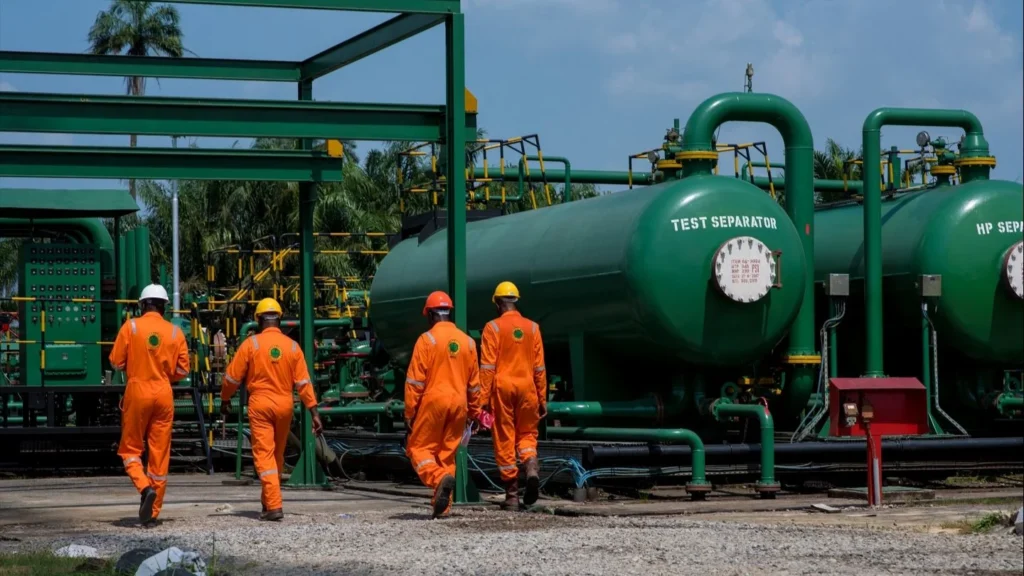
Nigeria, as the largest oil producing country in Africa, has long faced challenges such as aging infrastructure, investment volatility, and regulatory complexity. NUPRC CEO Kunraf emphasized at a press conference in Abuja that the new system launched this time aims to break through institutional bottlenecks, reduce participation costs, and enhance transparency. International investors can complete the entire bidding process online, avoiding delays that may be caused by traditional paper-based processes. This technological upgrade continues Nigeria's continuous efforts to improve bidding transparency in recent years - both rounds of bidding in 2022 and 2024 received positive evaluations from international transparency monitoring agencies, and no legal disputes occurred, laying the foundation for expanding the bidding scale.
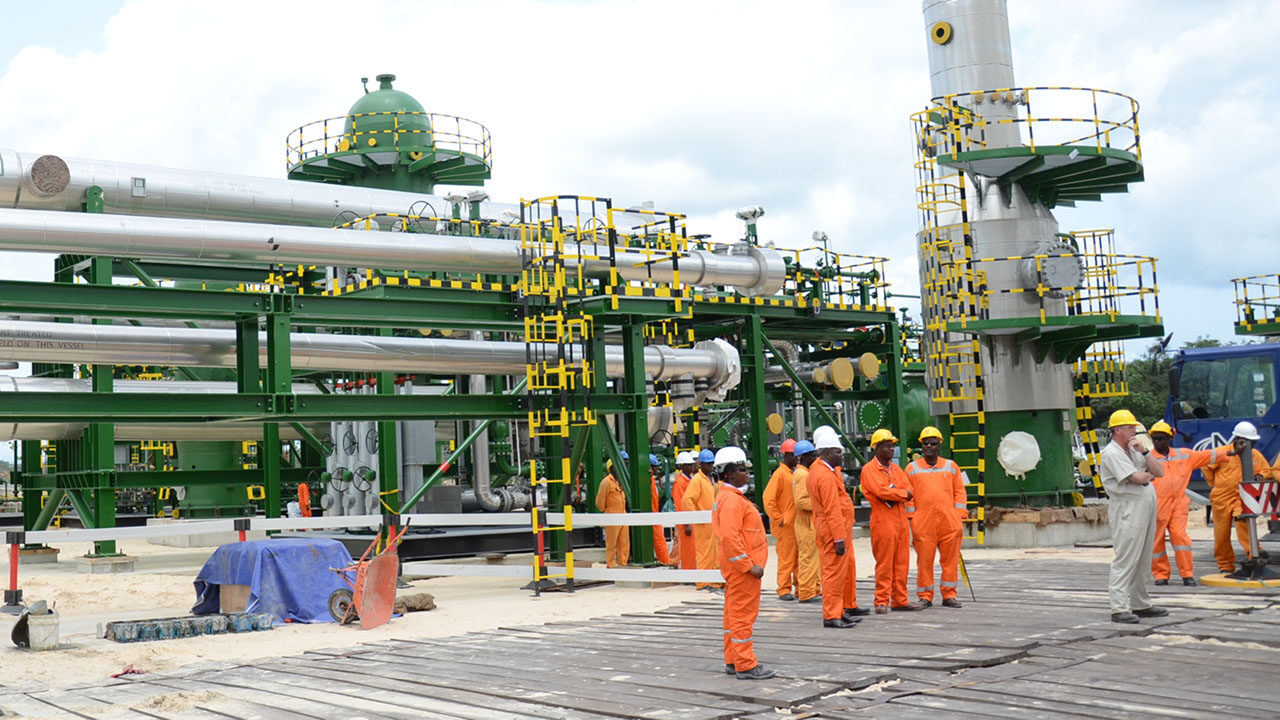
This round of bidding covers 50 blocks in four categories: onshore, shallow water, frontier basin, and deepwater, making it the largest oil and gas asset release plan in Nigeria in recent years. Kunraf pointed out that this move is in line with the country's strategic deployment to enhance oil and gas reserves, expand natural gas utilization, promote local participation, and create employment. It is worth noting that before the bidding started, President Tinubu had approved a reduction in the signing deposit standard to align the investment threshold with major international resource countries. In addition, NUPRC has significantly reduced block exploration risks and further alleviated investors' concerns about uncertainty in frontier areas through years of accumulated multi client exploration data and seismic data reprocessing technology.
From an international perspective, Nigeria's move comes at a time of deep adjustment in the global energy investment landscape. On the one hand, international oil and gas capital is becoming increasingly cautious in investment decisions under the pressure of energy transition, placing greater emphasis on the stability of the policy environment and the long-term returns of projects; On the other hand, African oil and gas resource rich countries are enhancing their competitiveness through institutional innovation and technological upgrading, striving to gain more capital favor in the limited investment window period. Nigeria has conveyed its determination to promote industry standardization and marketization to international investors through the construction of digital platforms and process optimization. NUPRC predicts that this round of bidding is expected to attract approximately $10 billion in investment over the next decade, contributing approximately 2 billion barrels of oil and gas equivalent reserves. If fully developed, it can achieve a daily production of approximately 400000 barrels. Keywords: international news, energy news
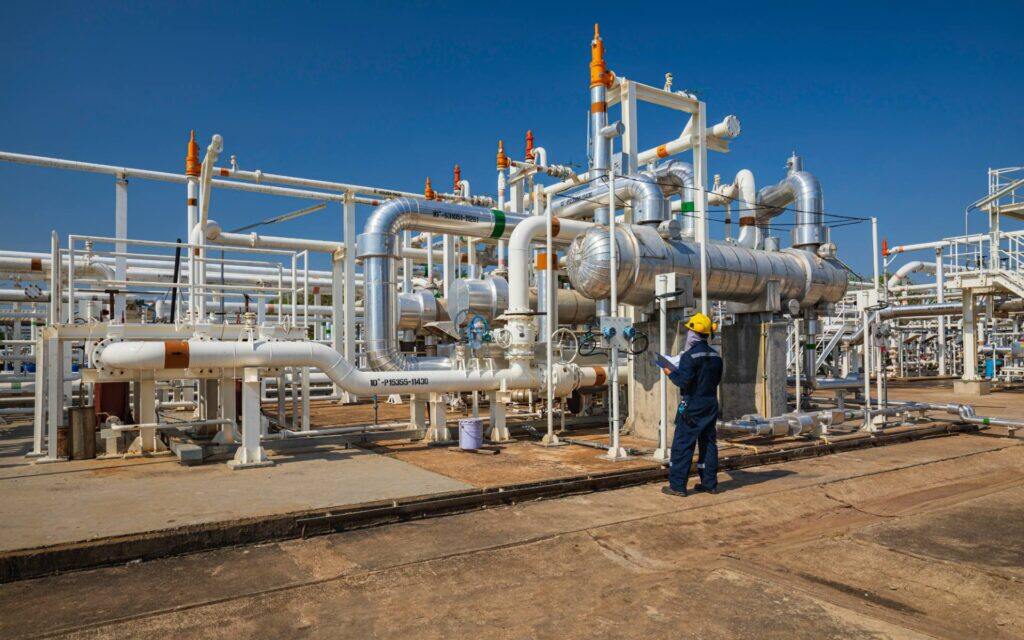
In the long run, Nigeria's bidding reform is not only related to the introduction of short-term capital, but also involves a deep adjustment of energy development strategy. Against the backdrop of natural gas being positioned as a transitional energy source, Nigeria plans to expand the scale of local natural gas utilization through this round of bidding and promote energy structure optimization. The establishment of digital platforms also provides infrastructure for future data management, compliance supervision, and dynamic regulation, which helps to build a more sustainable energy governance system. As the bidding process progresses, whether Nigeria can reshape investor confidence through transparent and efficient mechanisms will provide important references for policy innovation in African resource rich countries during the energy transition era.Editor/Cheng Liting
Comment






 Praise
 Collect
 Comment

 Share
Share


Write something~