 Search


- In Nigeria, power shortage is not only a statistical data gap, but also a painful obstacle to the operation of the country
- Nigeria's national power grid generates only 4000 megawatts of electricity, but faces a demand of over 20000 megawatts, leaving 40% of the population struggling in the dark
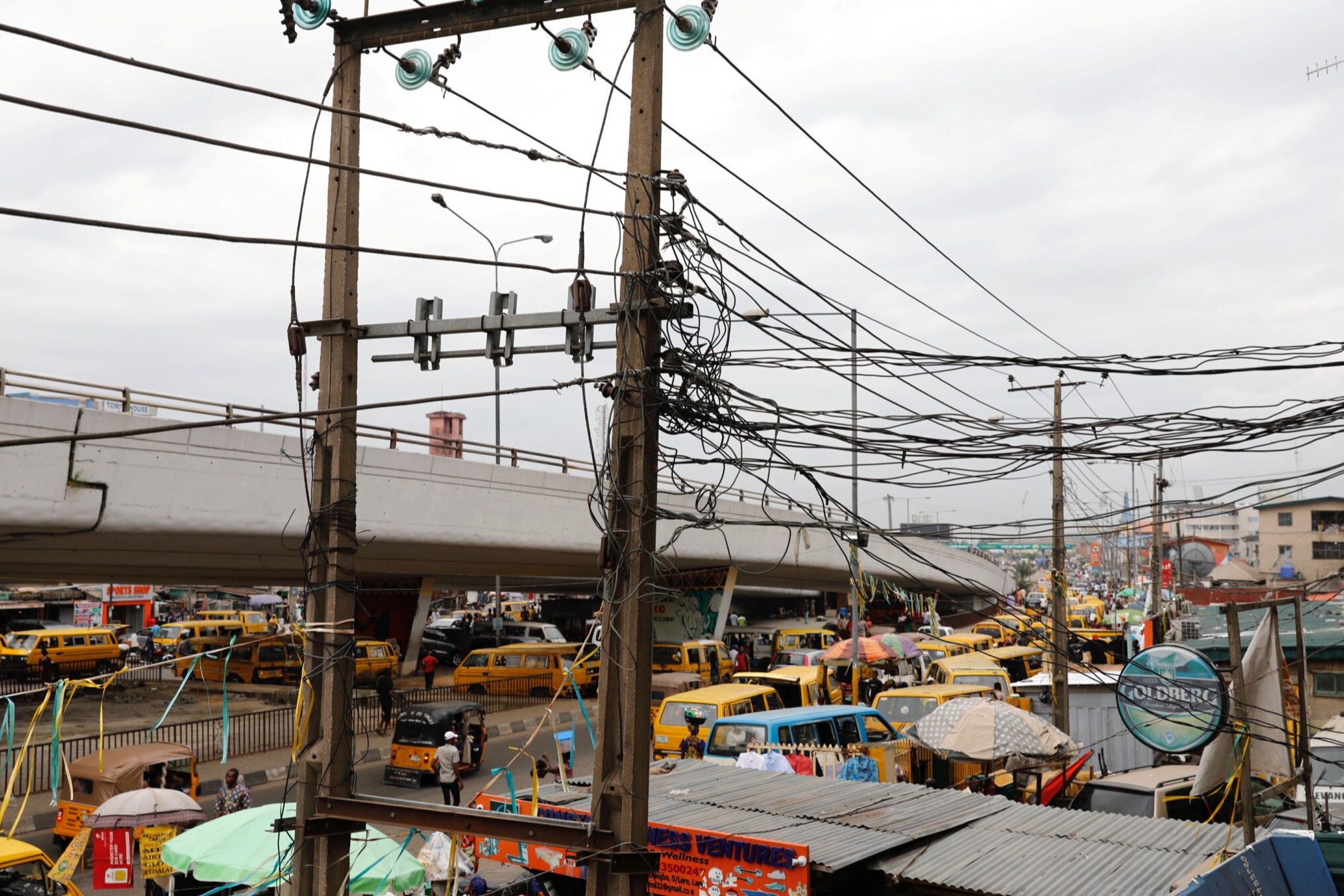
In Nigeria, power shortage is not only a statistical gap, but also a painful obstacle to the operation of the country. This West African giant, with a population of about 200 million, has long been trapped in the quagmire of electricity poverty - the national power grid generates only between 4000 and 5000 megawatts, while the actual demand exceeds 20000 megawatts. About 40% of the population cannot obtain stable electricity, and diesel generators have become the "lifeline" of factories, hospitals, and even households. However, high fuel costs and frequent equipment failures are constantly consuming the operational efficiency and economic vitality of society. For this land that yearns for industrialization, the traditional expansion of the power grid has become a distant and difficult task, and the outbreak of distributed energy has become the only hope to break through.

After suffering from long-term power shortages and high energy costs, Aba Aliyu, the Director of Nigeria's Rural Electrification Authority, recently confirmed that a grand plan called "Expanding Distributed Access through Renewable Energy" will be fully launched. This is not only a policy document, but also a battle map strongly endorsed by the World Bank with a total investment of up to 750 million US dollars.
Leveraging a $1.85 billion capital market
The value of this fund lies not only in its size, but also in its strong leverage effect. Official estimates show that $750 million in public funds is expected to act like a magnet, attracting and driving approximately $1.1 billion in private capital inflows. This means that Nigeria will have nearly $1.85 billion in dedicated funding in the coming years to roll out 1350 solar microgrid projects nationwide.
The core goal of the DARES project is extremely clear: to provide stable and reliable electricity supply to 175000 people. This is not only infrastructure construction, but also the release of productivity at the bottom of society.
250 interconnected microgrids
Among these 1350 projects, 250 are specifically labeled as Interconnected Mini grids. This is the most technically valuable aspect of the entire plan.

Unlike isolated off grid systems, these microgrids will be directly physically connected to Nigeria's national backbone network. Its strategic intention is very clear: to utilize the flexibility of distributed energy to balance the vulnerability of the aging infrastructure of the national power grid. When the backbone network fluctuates due to faults, these microgrids can act as stabilizers to prevent large-scale power outages; And during periods of low electricity consumption, they can also deliver clean electricity in reverse. This complementary model of large grid and microgrid has been proven in pilot projects in the Niger Delta to reduce the frequency of regional power outages by more than 60%.
Public institutions take the lead in decarbonization and petrochemicals
The government's determination is not limited to this. In order to provide market samples, the President of Nigeria has signed and approved a national public sector solar energy initiative worth up to 100 billion naira, approximately 1.3 billion US dollars.

This funding is specifically intended for government agencies, public hospitals, and schools. In Nigeria, diesel generators are standard equipment in many public institutions, and their fuel costs often consume over 30% of the operating budget. Taking LUTH, a teaching hospital at the University of Lagos, as an example, in the past, the annual expenditure on diesel alone reached hundreds of millions of naira. After the implementation of the new plan, these institutions will replace generators with rooftop photovoltaics and energy storage systems, which will not only eliminate dependence on expensive fossil fuels, but also directly benefit medical and educational services from the saved operating costs.
From supplementary energy to primary energy
The launch of the DARES project marks a qualitative change in Nigeria's energy structure. In the past, solar energy was considered an expensive supplementary energy source locally, only used by a few wealthy households or multinational corporations.
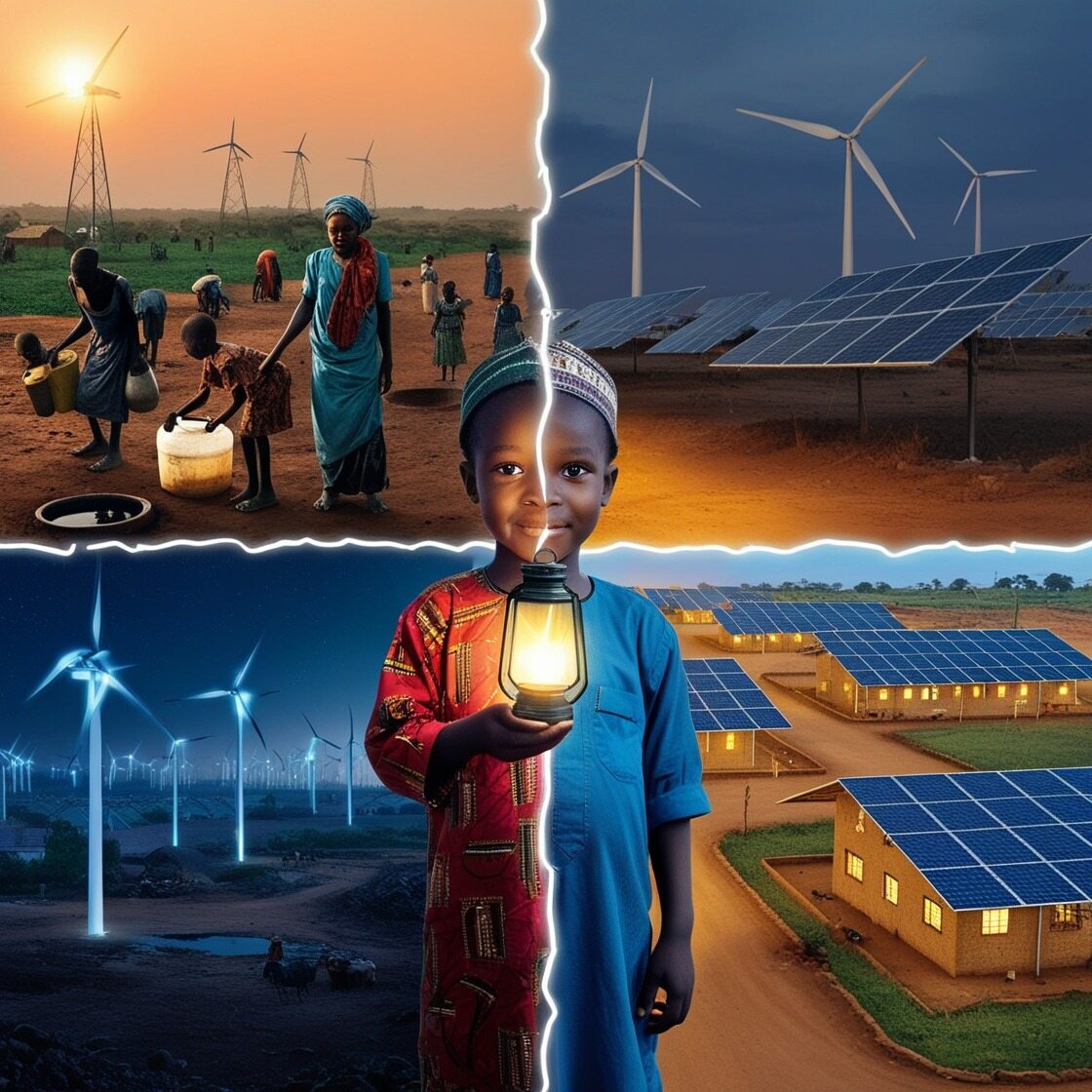
With the injection of World Bank funds and the release of government orders worth billions, economies of scale will rapidly lower the LCOE of electricity costs. According to industry institutions' predictions, the cost per kilowatt hour of industrial and commercial photovoltaics in Nigeria will be more than 40% lower than diesel power generation in the next three years. This will force more small and medium-sized enterprises, and even large industrial users, to actively switch tracks. Keywords: Nigeria, power development
For global new energy companies, Nigeria is no longer a concept market full of risks, but an essential battlefield with a population of 200 million, a huge power gap, and already secured funds. The energy revolution ignited by $750 million has just begun.Editor/Cheng Liting
Comment

 Praise
 Collect
 Comment

 Share
Share


Write something~