 Search


- This project will reshape the regional spatial and temporal pattern and activate the revitalization and development along the route
- This project will promote the integration of the revolutionary old areas along the Hunan Jiangxi border and the former central Soviet area in southern Jiangxi into the national unified market
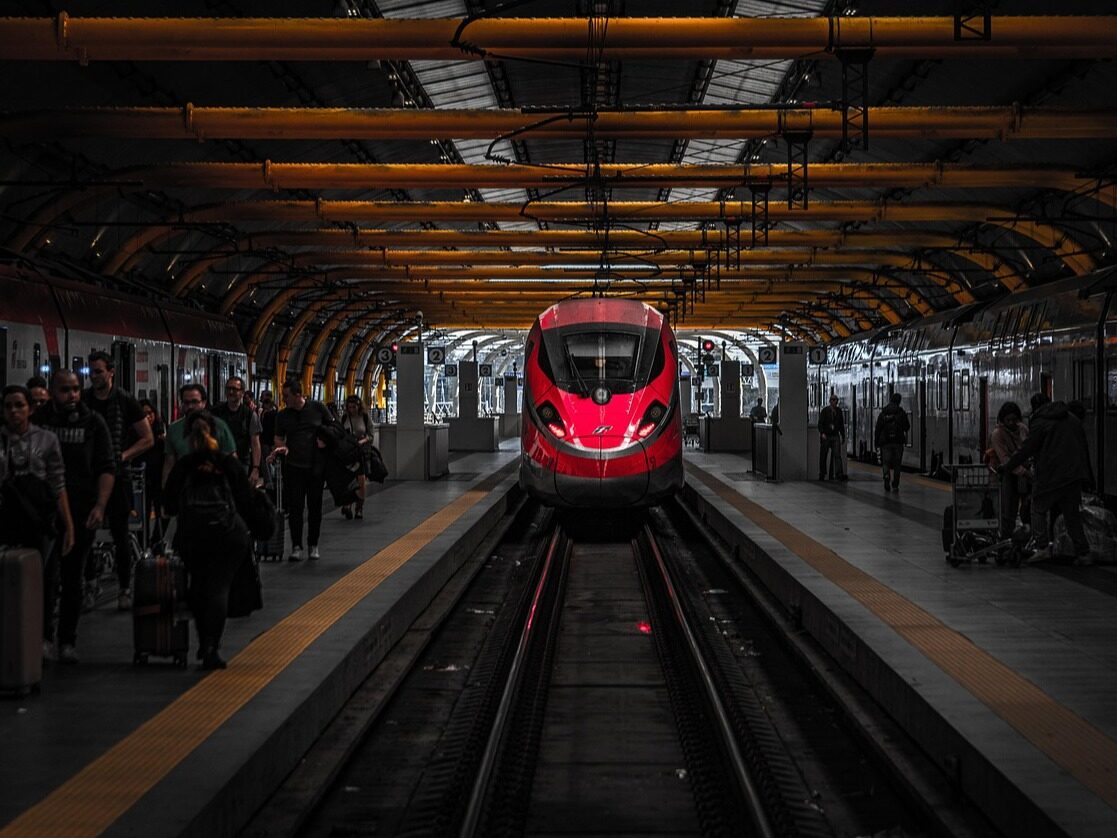
Under the national strategic guidance of deepening the layout of the Eight Verticals and Eight Horizontals high-speed railway network and promoting regional coordinated development, a steel artery that runs through Hunan and Jiangxi provinces and connects the central and southeastern regions has officially entered a new stage of full line construction. As the final and crucial link of the national high-speed railway's main channel, the Chongqing Xiamen Corridor, the Changsha Ganzhou high-speed railway is tackling the complex geology of the Luoxiao Mountains and the hills of southern Jiangxi with a bridge tunnel ratio of nearly 90% along the entire line.
On December 8, 2025, as the fully computerized three arm rock drilling rig entered the tunnel entrance located in Lianhua County, Pingxiang City, Jiangxi Province, the first tunnel of the Jiangxi section of the Changsha Ganzhou high-speed railway, the Lianhua Tunnel, officially began construction. The roar of the first drill not only marks the comprehensive construction stage of the main project of the Jiangxi section of the Changgan high-speed railway, but is also described as sounding the horn of speed revolution to rewrite the development destiny of the old areas.
A key passage to end the history of iron free
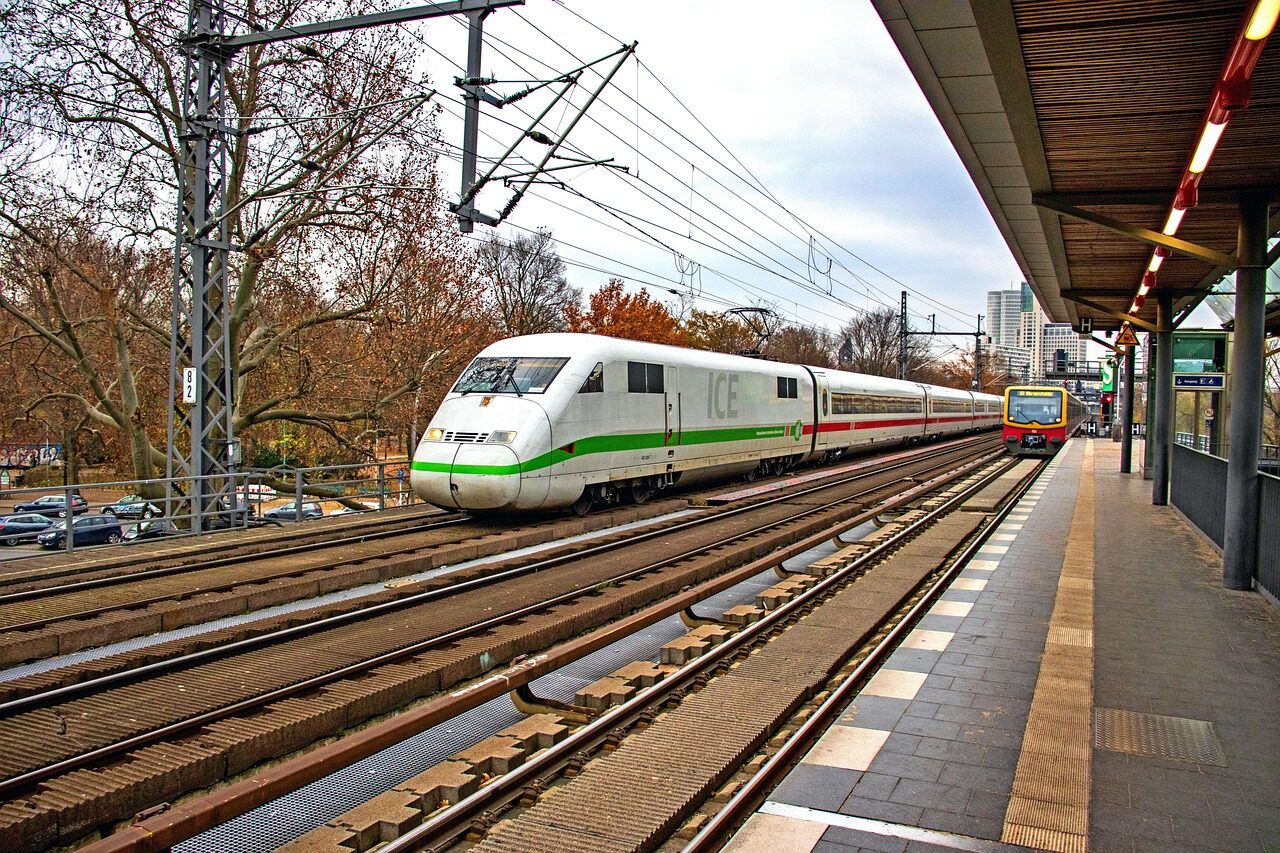
The Changgan High speed Railway starts from Changsha, Hunan in the west, passes through Pingxiang and Ji'an in Jiangxi, and ends in Ganzhou, with a total length of 429.5 kilometers and a designed speed of 350 kilometers per hour. Among them, the main line of Jiangxi section is 297.6 kilometers long, requiring the construction of 176 bridges and 83 tunnels, with a bridge tunnel ratio of 88.24%, indicating the difficulty of the project construction.
The most direct and universal significance of this high-speed railway is that it will completely end the history of multiple revolutionary old areas and counties along the route not being connected to high-speed railways. After the opening of the train, the running time from Changsha to Ganzhou will be reduced from the current about 4 hours to the fastest 1.5 hours, and the time from Pingxiang to Ganzhou will also be shortened from about 3 hours to about 1 hour. At that time, residents of Lianhua, Yongxin, Jinggangshan, Suichuan and other places will realize their dream of taking high-speed trains for the first time at their doorstep. For Pingxiang City, the establishment of stations on the Changgan High speed Railway will connect Luxi, Shangli, and Lianhua to the high-speed rail network, helping it become the first district level city in Jiangxi Province to achieve high-speed rail connectivity in every county.
Crossing geological mazes with the sword of technology
The construction of the Changgan high-speed railway is a difficult game against complex terrain. The Lianhua Tunnel, which started construction for the first time, is one of the seven high-risk tunnels in the Jiangxi section, with a total length of 4.9 kilometers. There are various adverse geological conditions along the route, such as rock faults, dense fracture zones, and karst caves, and it has been classified as a Level II high-risk tunnel project.
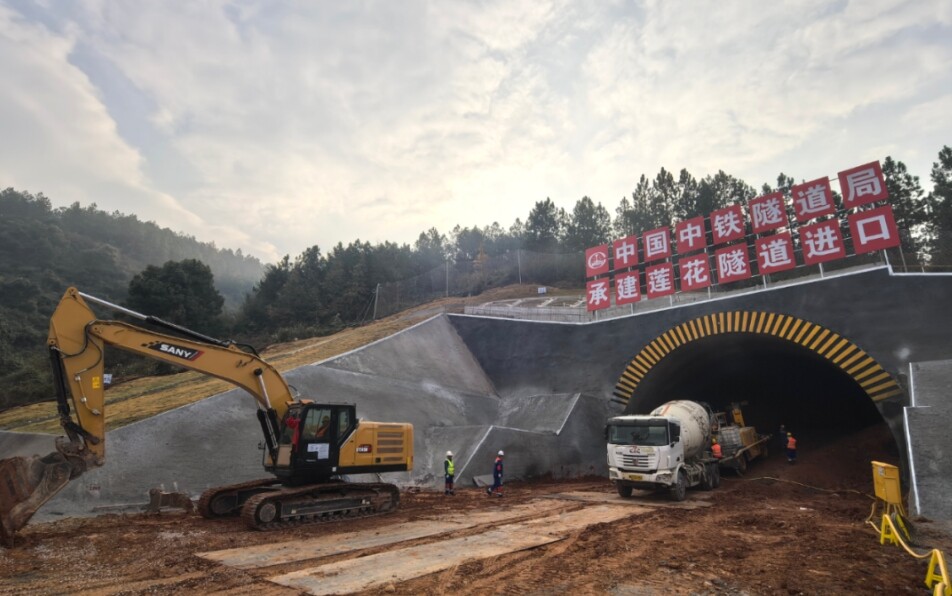
Faced with challenges, the project team did not act recklessly, but instead displayed a series of technological swords. Before construction, they use advanced prediction techniques such as geological sketching and geological radar, just like doing CT scans for tunnels, to identify geological hazards ahead in advance. During the excavation process, the project comprehensively promoted the full process mechanization operation, becoming the first high-speed railway in China to fully adopt this technology. The investment of heavy equipment such as three arm rock drilling rigs, arch installation rigs, and wet spraying robots not only greatly improves construction efficiency, but also ensures the safety of operators. At the same time, the 3D model and automated monitoring system constructed by BIM technology achieve visual control and real-time risk warning of the entire construction process. These technological means have jointly laid a solid foundation of safety and quality for the high-quality construction of this' red artery '.
The transition from the end of transportation to the forefront of openness
The significance of the Changgan high-speed railway goes far beyond transportation itself. It is a development artery that carries the hope of regional revitalization. Its opening will fundamentally change the location value and development logic of the areas along the route.
For industrial economy, the time-space compression effect brought by high-speed rail will directly translate into development dividends. For example, the commuting time between Pingxiang and Changsha will be shortened to about half an hour, creating unprecedented conditions for deepening industrial cooperation between the two cities. Experts point out that in the future, there may be a new cross regional industrial cooperation model with headquarters in Changsha, production in Pingxiang, research and development in Changsha, and transformation in Jiangxi. Ganzhou, located at the southwest gate of the Yangtze River, will also be backed by the Guangdong Hong Kong Macao Greater Bay Area and connected to the Changsha Zhuzhou Xiangtan urban agglomeration, highlighting its pivotal position as a hub connecting the four provinces.
For cultural tourism, high-speed rail will connect rich cultural and tourism resources such as the red holy land of Jinggangshan, fireworks in Liuyang, and terraced fields in Suichuan. It is expected to build a golden tourism route from Sichuan Chongqing, Central China to Jiangxi and Fujian, giving birth to new formats such as red research and ecological vacation, and fully activating the cultural and tourism industry in old areas. Keywords: engineering news, traffic news
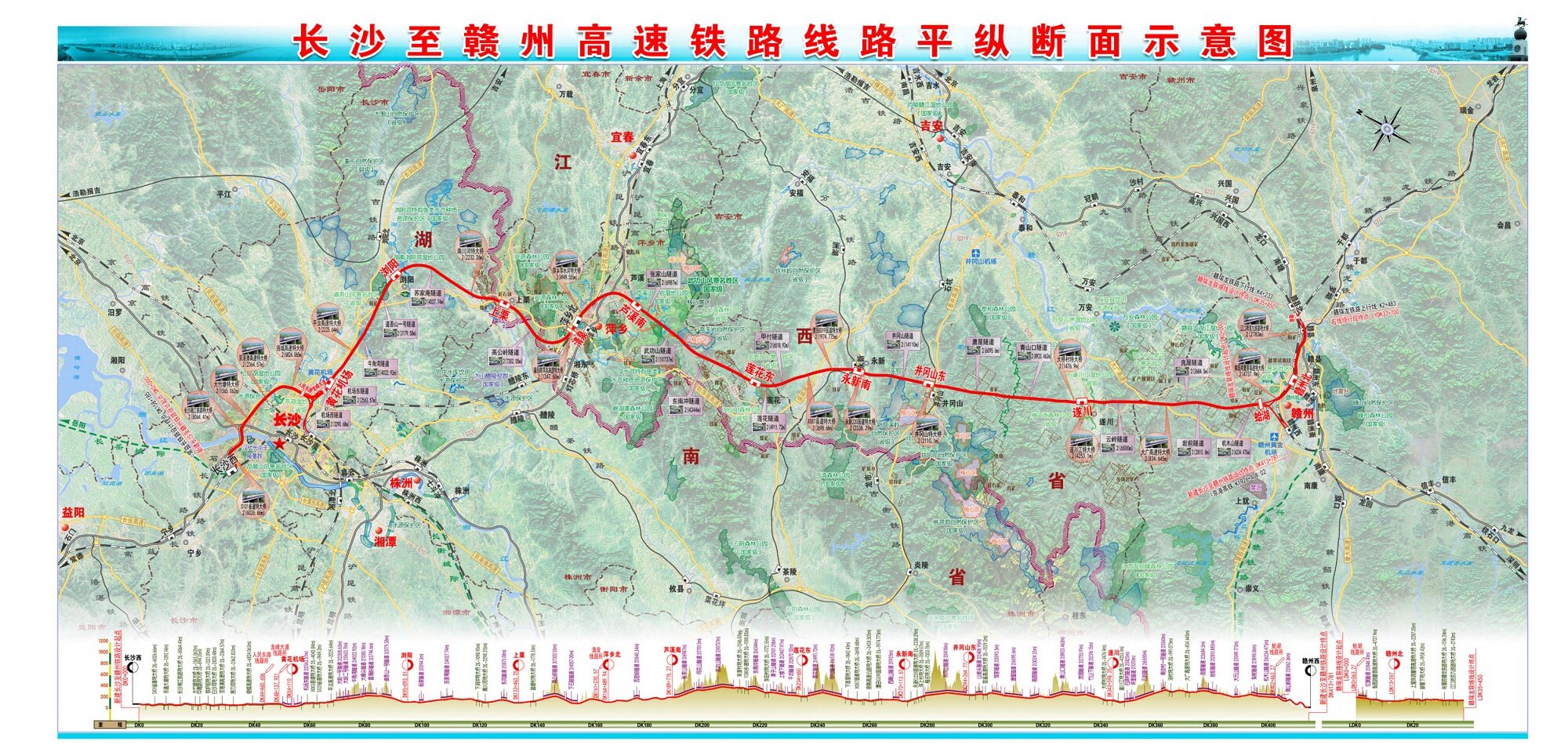
From a broader perspective, the Changgan High Speed Railway will connect with existing lines such as the Ganshen High Speed Railway, forming a more dense regional railway network. It not only fills the gap of oblique high-speed rail between Hunan and Jiangxi provinces, but also closely links the urban agglomeration in the middle reaches of the Yangtze River with the economic zone on the west coast of the Taiwan Strait. It has profound strategic significance for accelerating the rise of the central region, promoting the revitalization of revolutionary old areas, and promoting regional coordinated development.
According to the plan, the construction period of the Changgan high-speed railway is 5 years, and it is expected to be completed in August 2030. When the future train speeds through the towering mountains of the Luoxiao Mountains, it will not only carry passengers back and forth, but also the red hot soil's yearning for a better life and the surging momentum of development.Editor/Cheng Liting
Comment

 Praise
 Collect
 Comment

 Share
Share


Write something~