 Search


- Charging while driving will eliminate range anxiety and equip future electric vehicles with smaller batteries
- Trondheim, Norway is about to build a 40 kilometer electric road that will enable wireless charging of vehicles while in motion, making it the world's longest induction charging road project
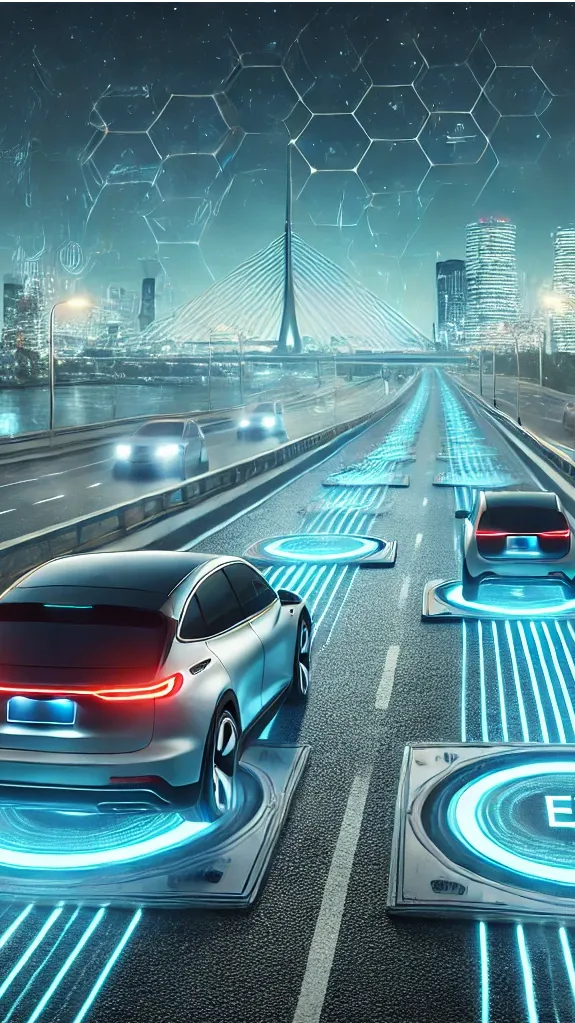
In Norway, which leads the world in the penetration rate of electric vehicles, an infrastructure project that completely changes the way energy is replenished is about to be launched. The city of Trondheim in northern Norway plans to build a 40 kilometer induction charging electric road, which is not only one of the first long-distance roads in the world to apply this technology, but also a milestone in the process of transportation electrification, spanning from laboratories and short distance pilots to continuous corridors supporting real commercial and public transportation operations.
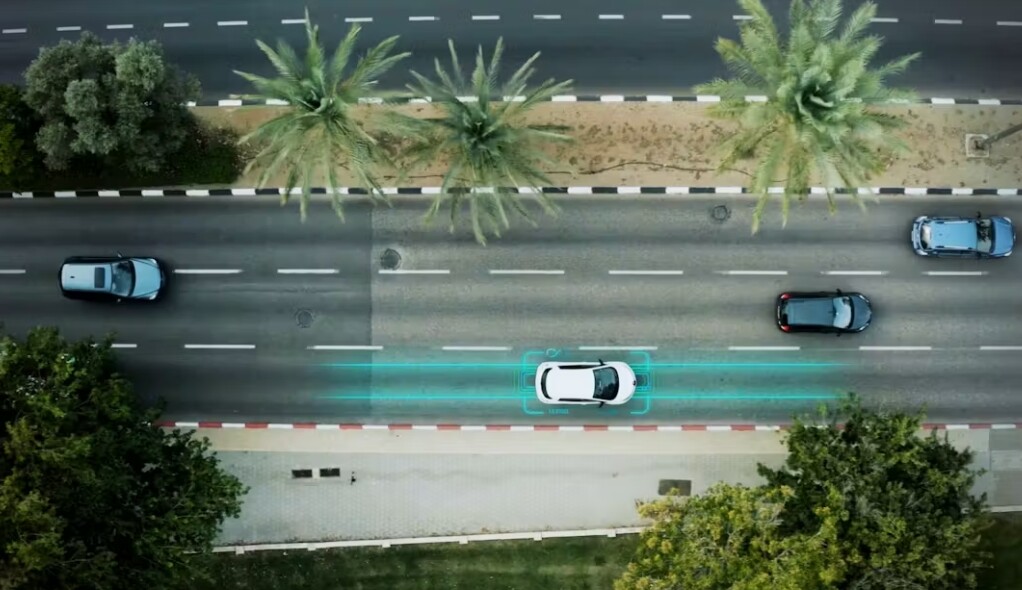
The core of this future highway is the wireless charging road system provided by Israeli company Electreon. Its working principle is to pre embed a copper coil array under the road surface, forming an invisible charging strip. When an electric vehicle equipped with a receiving device passes by, the system will wirelessly transmit power to the vehicle battery through electromagnetic induction, achieving charging while driving.
The key to achieving efficient and stable energy transmission lies in the customized silicon carbide power modules provided by German semiconductor giant Infineon. These modules can efficiently convert electrical energy from the grid, significantly increasing the charging power of the system. This system can provide powerful charging capacity with an average of 200 kilowatts and a peak of over 300 kilowatts. This means that even electric trucks or buses can have a fast charging experience that is sufficient to maintain their range while driving.
The implementation of this technology will bring disruptive changes to the transportation industry. The most direct benefit is to completely eliminate mileage anxiety. Dynamic charging means that the vehicle battery can be recharged at any time, greatly expanding the scope of operation and practicality.
Even more revolutionary is that the continuous charging mode allows vehicles to be equipped with smaller capacity batteries. Batteries are the most expensive and heavy component of electric vehicles. Reducing batteries not only significantly lowers the initial purchase cost of the vehicle, but also reduces its weight, freeing up more payload space for freight vehicles. This provides a key solution for electric heavy-duty trucks to challenge traditional fuel vehicles in terms of economy and practicality. Keywords: international news, transportation news
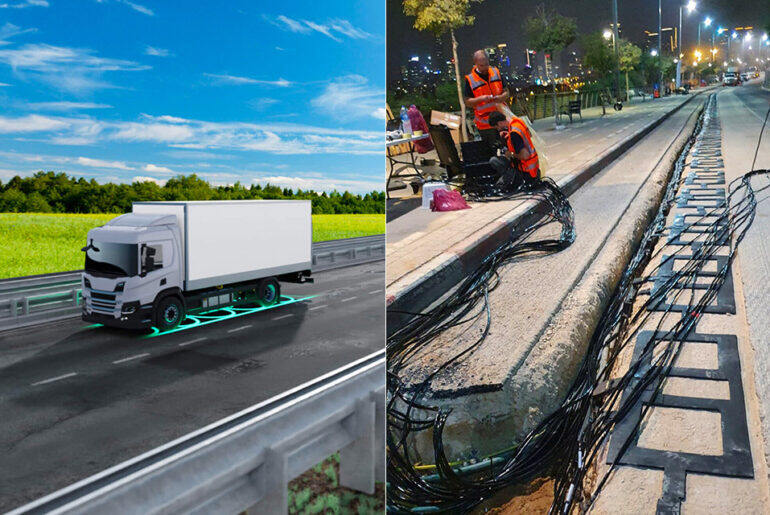
This 40 kilometer wireless charging corridor is not only a technology demonstration road, but also a solid step for Norway to achieve its ambitious zero emission transportation blueprint. It indicates that the future roads will not only be carriers of traffic, but also become flowing energy vessels, continuously injecting power into green travel.Editor/Cheng Liting
Comment






 Praise
 Collect
 Comment

 Share
Share


Write something~