 Search


- Kunlun snow locks the millennium road, frozen soil crosses thousands of passes
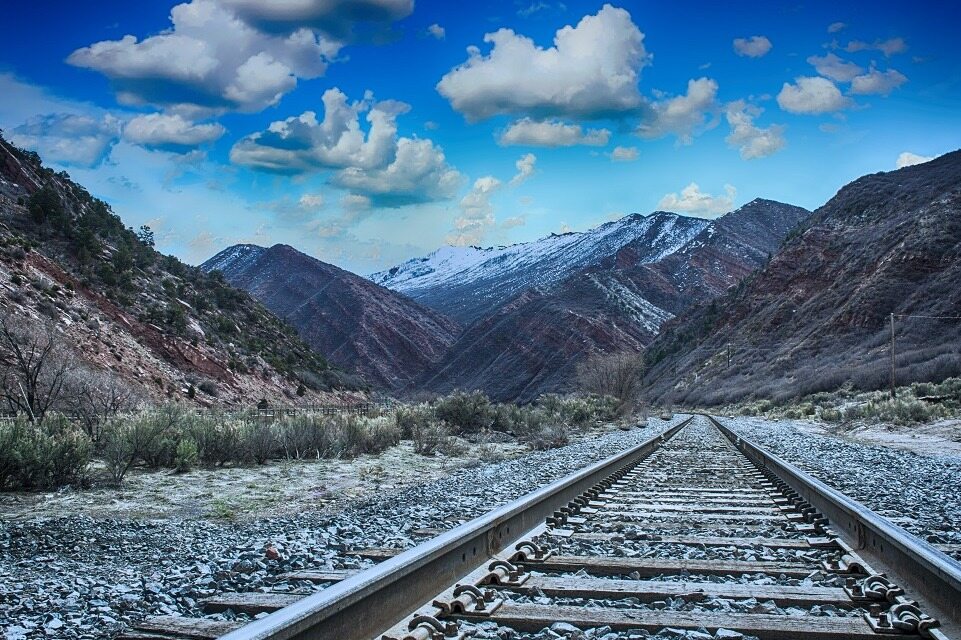
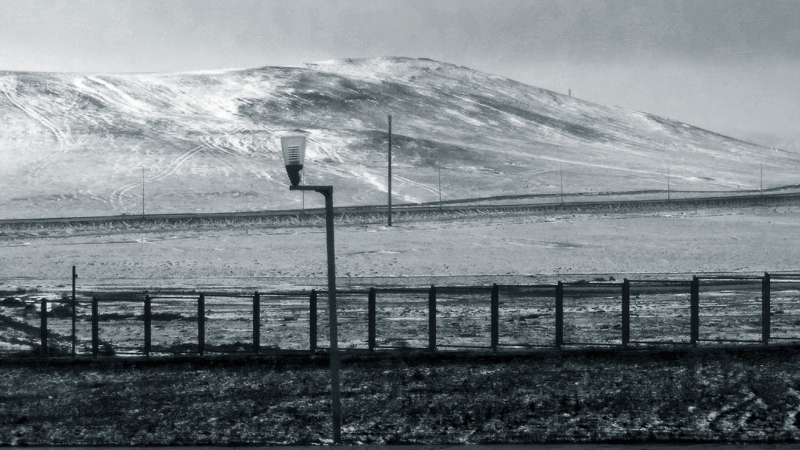
When the ice and snow of the Kunlun Mountains reflect thousands of golden lights in the morning light, a column of steel dragons is slowly digging along the mountainside at an altitude of 4500 meters; When the clouds and mist in the hinterland of Tianshan Mountains wrap around the tunnel entrance, groups of steel rails are extending southward and northward at an average speed of 3 kilometers per day. In Xinjiang, known as the "Three Mountains and Two Basins" region, the geographical barrier that has spanned between the north and south of Xinjiang and connected the continents of Asia and Europe for thousands of years is being completely rewritten by the two mega projects of the Xinjiang Tibet Railway (Xinjiang section) and the Yining Aksu Railway. This is not only a transportation artery made of steel and cement, but also a development link spanning mountains and seas, a strategic bridge connecting Asia and Europe. From the three dimensions of geography, economy, and strategy, it injects surging momentum into the core area of the Silk Road Economic Belt, allowing the blueprint of the "Silk Road Hub" to take root in the north and south of the Tianshan Mountains.

Natural Rift Turning into a Road: Engineering Miracle on Ice Peaks and Gobi Desert
The geographical pattern of Xinjiang determines that the birth of every railway is accompanied by challenges that ordinary people cannot imagine. The terrain of "three mountains sandwiching two basins" has long relied on rugged mountain roads for communication between the north and south of Xinjiang. The high altitude and strong geological disturbance of the Kunlun Mountains, as well as the glacier coverage and rock fragmentation of the Tianshan Mountains, are considered "forbidden zones within forbidden zones" by the infrastructure industry. The builders of the Xinzang Railway (Xinjiang section) and the Yining Aksu Railway, with the courage of "opening the way to mountains and crossing bridges to water", broke through the shackles of nature with hardcore technology and wrote a new legend of China's infrastructure in the ice capped Gobi Desert.
The construction of the Xinjiang section of the Xinjiang Tibet Railway is destined to be recorded in the history of China's railway development. This railway, with a total length of 462.6 kilometers and a total investment of 95 billion yuan, officially broke ground in 2025. The line starts from Yecheng, Xinjiang and runs southward through the hinterland of Kunlun Mountains, directly leading to the Ali region in northern Tibet. This is the first time in the history of human railway construction that a high-altitude strong geological area with an altitude of over 4500 meters has been challenged. The 61.53% bridge to tunnel ratio along the route means that more than half of our journey has to pass through mountains and river valleys. "Zhang Jianzhong, the chief engineer of the Xinjiang section of the Xinjiang Tibet Railway, spoke solemnly but firmly about the difficulty of the project." The high altitude not only brings about the high-altitude reaction of construction personnel, but also makes permafrost treatment and geological stability a global problem. The permafrost here belongs to the 'high-temperature unstable permafrost'. Melting in summer will cause roadbed settlement, and freezing in winter will cause road surface uplift, with a maximum deformation of up to 30 centimeters. This is fatal to the smoothness of railway tracks. Test
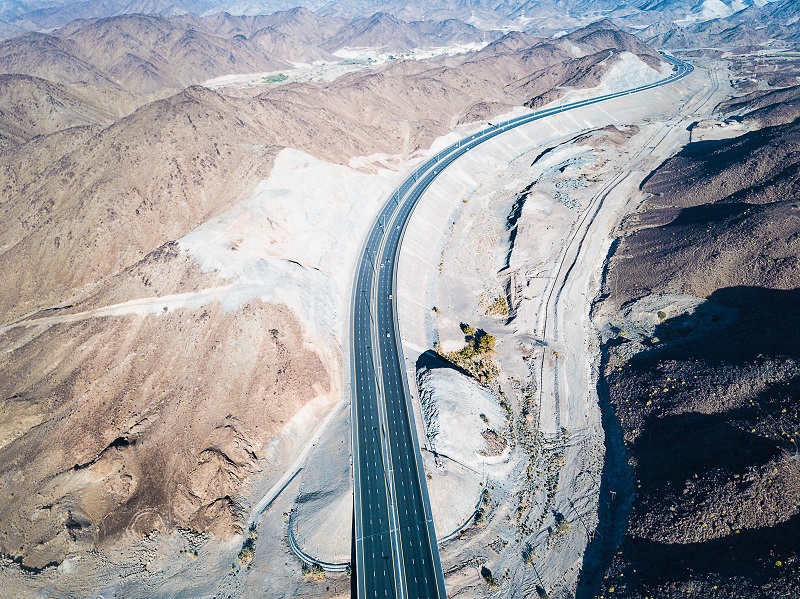
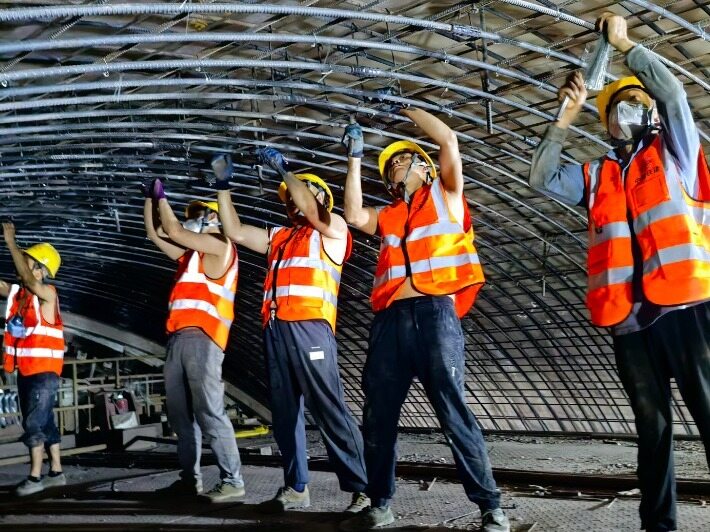
If the challenge of the Xinjiang Tibet Railway comes from high altitude and permafrost, then the key to tackling the Yining Aksu Railway is the "hard bone" of the Tianshan Mountains. This newly-built railway, with a length of 464.9 kilometers and an investment of 37.7 billion yuan, needs to directly pass through the core area of the Tianshan Mountains. The Nalati Mountain Tunnel Group, with a total length of over 80 kilometers, is the top priority of the entire project. The area traversed by the Nalati Mountain Tunnel Group is not only covered by glaciers, but also has a large amount of broken surrounding rock. Some sections of the surrounding rock have extremely poor stability, like 'tofu dregs', collapsing as soon as they are dug, "said Ren Junhui, deputy chief engineer of the Yia Railway project and an engineer who has been rooted in the front line for many years. When talking about tunnel construction, he still remembers vividly." There was a 3-kilometer-long tunnel where the proportion of broken surrounding rock reached 70%. We have encountered multiple small-scale collapses, with the longest one lasting 15 days
During the construction of the project, the red line of ecological protection has never been crossed. Bayinbuluke Wetland is the largest swan breeding ground in China and also an ecologically sensitive area that the Yia Railway must cross. In order to avoid damaging the ecological corridor of wetlands, we abandoned the traditional roadbed plan and adopted the method of 'replacing roads with bridges' to build a 22 kilometer wetland super large bridge, "said Wang Hao, the environmental protection manager of the Yia Railway." The average height of this bridge is 8 meters, and the maximum distance between the piers is 50 meters, which not only ensures that the migration channels of wild animals such as swans are not affected, but also avoids the damage of wetland soil and groundwater caused by roadbed construction. "The Xinjiang section of the Xinjiang Tibet Railway, on the other hand, avoids the core ecological area of Kunlun Mountains and the habitats of rare animals such as Tibetan antelopes and wild yaks through precise surveying, and sets up 15 wildlife migration channels along the line, truly achieving a" win-win situation for engineering construction and ecological protection ".
In building roads in Kunlun Mountains, we are careful at every step, "Zhang Jianzhong's words were full of awe." Once, in order to avoid a Tibetan antelope breeding ground, we forcibly shifted the route northward by 3 kilometers. Although we increased our investment by 230 million yuan and the construction period by 6 months, seeing the Tibetan antelope freely foraging next to the railway, we felt that everything was worth it. "This reverence for nature has made the two railways winding and extending between the icy peaks and Gobi Desert, and has also become a green corridor for protecting the ecology.
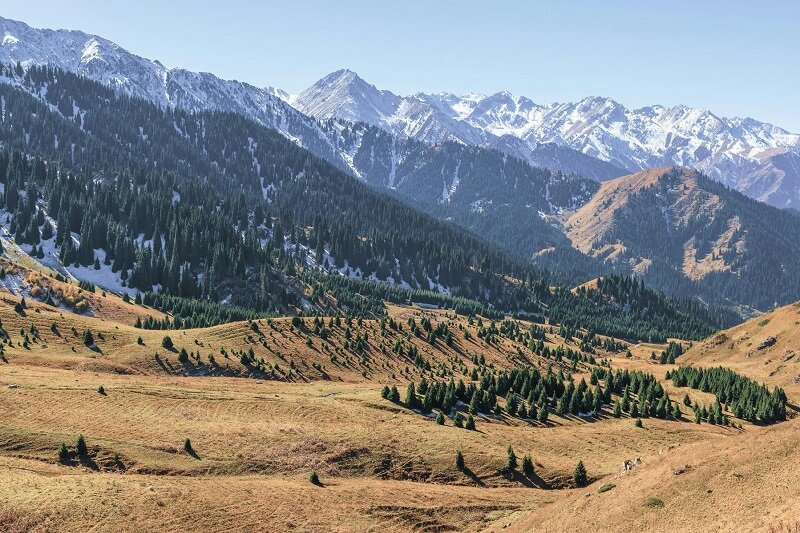
Activate Northern and Southern Xinjiang: Railway Network Supports New Regional Development Pattern
Transportation is the "vanguard" of regional development. The completion and opening of the two railways not only broke the time and space barrier between the north and south of Xinjiang, but also activated the resource endowment along the line, fully unleashing the development potential within Xinjiang and forming a new development pattern of "north-south connectivity and east-west linkage".
The railway transportation distance from Yining to Aksu has been shortened from 1616 kilometers in the past to 820 kilometers, and the running time has been reduced from 16 hours to 8 hours. The convenient transportation of "morning departure and evening arrival" has completely changed the way people live and travel along the line.
The convenience of transportation has also enabled a strong alliance between the tourism resources of the Ili River Valley in northern Xinjiang and the Aksu region in southern Xinjiang. The Yia Railway connects multiple 5A level scenic spots such as Nalati, Bayinbuluke, and Kuche Tianshan Mysterious Grand Canyon, creating a golden route of "railway+tourism". According to statistics from the Xinjiang Department of Culture and Tourism, in the first year after the opening of the Yia Railway, the total reception volume of the five core scenic spots along the line exceeded 12 million people, and the comprehensive tourism revenue reached 8.6 billion yuan, directly driving employment for more than 20000 people along the line.
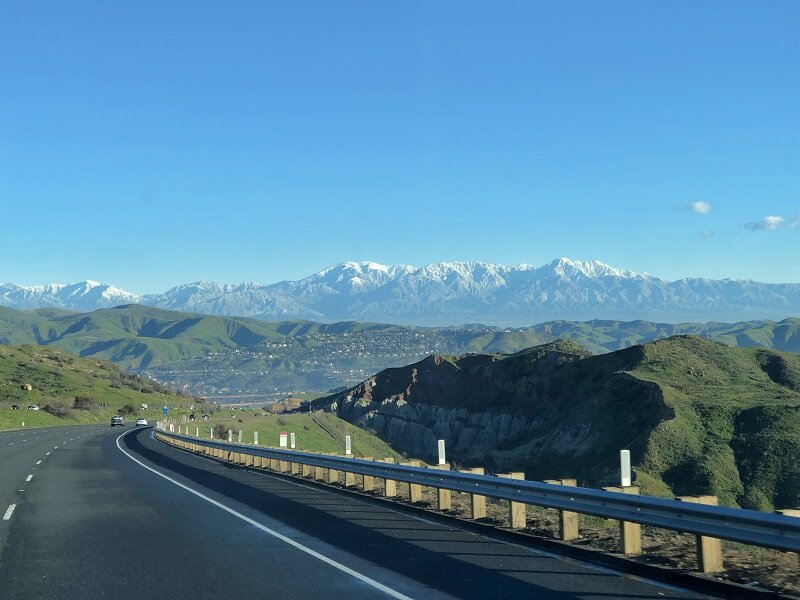
If the Yia Railway has activated the tourism economy, then the Xinjiang Tibet Railway (Xinjiang section) has opened up the "lifeline" for the development of mineral resources along the line. Yecheng, Hotan and other areas in southern Xinjiang are rich in mineral resources such as coal, iron ore, and jade, with proven reserves exceeding 25 million tons. However, due to inconvenient transportation, these resources have long been dormant underground.
The connection of railways not only allows resources to "go out", but also allows production factors such as talent, technology, and capital to "flow in". Relying on the advantages of mineral resources, the southern Xinjiang region has attracted a group of deep processing enterprises to settle down, forming a complete industrial chain of "mining processing sales"; The agricultural technology and industrial equipment in northern Xinjiang are transported to southern Xinjiang by railway, promoting the integrated development of industries in northern and southern Xinjiang.
More importantly, the two railways form a closed loop with the existing railway network in Xinjiang, constructing a railway backbone of "north-south connectivity and east-west linkage". The Southern Xinjiang Railway, Geku Railway, Chengge Railway and other lines are seamlessly connected through two major projects, making Xinjiang's railway network no longer an "isolated line segment", but an "interconnected network". Previously, railways in Xinjiang were mainly oriented in an east-west direction, with weak north-south channels, resulting in low efficiency of resource flow, "said a person in charge of the Xinjiang railway department.
Refactoring Asia Europe: Strategic Upgrade from Channels to Hubs.
From the perspective of national strategy, the significance of the Xinjiang Tibet Railway (Xinjiang section) and the Yining Aksu Railway goes far beyond the interconnection within Xinjiang. As the core area of the Silk Road Economic Belt, Xinjiang relies on these two major projects to further open up the "internal and external connectivity" channels, strengthen the position of the Asia Europe golden channel and the gateway to the west, promote the upgrading of the core area from a "channel" to a "hub", and reshape the north-south transportation pattern and economic and trade cooperation logic of the Asia Europe continent.
The completion of the Iran Afghanistan Railway has opened up a new convenient channel for trade between China and Central Asian countries. After Kuqa is connected to South Xinjiang Railway, this railway can directly connect with Geku Railway and Chengdu Gezhouba Railway, forming the most convenient land channel from Khorgos Port to Chengdu Chongqing area. The opening of this channel not only improves the trade efficiency between China and Central Asian countries, but also makes Xinjiang a key hub connecting Central Asia and Southwest China, promoting the organic connection between the "Western Land Sea New Channel" and the "Silk Road Economic Belt".
The long-term planning of the Xinjiang Tibet Railway has opened a new window for cooperation between China and South Asian countries. According to the plan, after the completion of the Xinjiang Tibet Railway, it will connect with the China Nepal Railway and form a new trade corridor leading to South Asia at ports such as Pulan and Jilong. The construction of this new trade corridor can not only bypass the constraints of traditional paths, but also promote the formation of a diversified cross-border channel pattern. According to estimates, after the new trade corridor is fully connected, the trade volume between China and South Asian countries is expected to increase by more than 15% annually, adding a new growth pole to the core area of the Silk Road Economic Belt.
The implementation of the two major projects has further solidified Xinjiang's position as a "golden channel between Asia and Europe and a gateway to opening up to the west". At present, Xinjiang has formed a comprehensive transportation system with railways as the backbone and coordinated development of highways, aviation, and pipelines. The "internal and external communication" channel network is constantly improving. From Khorgos, Alashankou and other northern border ports to Kashgar, Pulan and other southern border ports, Xinjiang has become China's "gateway" to the west, connecting many regions in East Asia, Central Asia, South Asia and West Asia.
From the depth of the tunnel in the Tianshan Mountains to the extension of the railway track under the Kunlun Mountains, from the busy customs clearance at Khorgos Port to the cargo distribution at Urumqi Inland Port, the two century railway is reshaping the transportation pattern and economic and trade logic of the Eurasian continent with a magnificent momentum. This is not only a demonstration of China's infrastructure strength, but also a vivid practice of China in promoting the high-quality development of the "the Belt and Road".
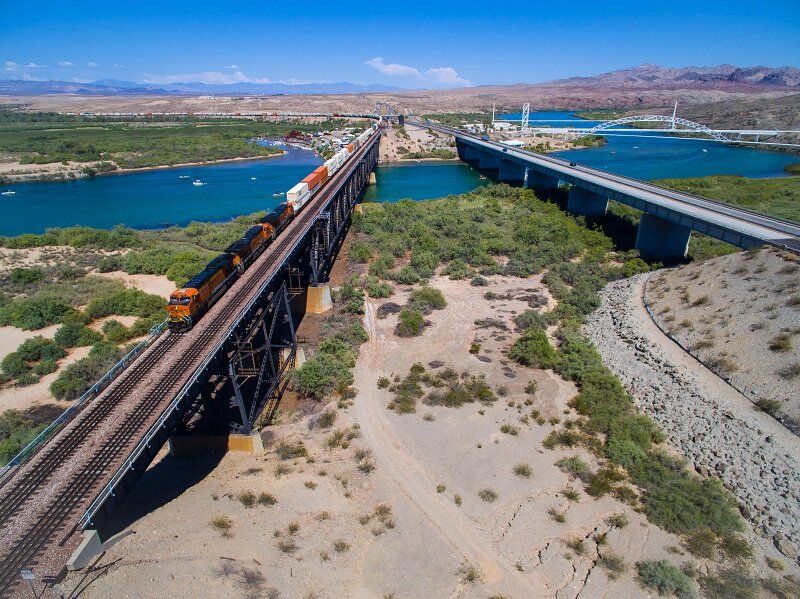
When the steel dragon crosses the Tianshan and Kunlun Mountains, and when the Silk Road hub rises on the Western Regions, Xinjiang is becoming a key node in promoting international and domestic dual circulation with a more open attitude, connecting east and west, and connecting north and south. On this railway line spanning mountains and seas, what we see is not only the shock of engineering miracles, but also the vitality of regional development and the hope of Asia Europe cooperation. With the continuous deepening of the construction of the core area of the Silk Road Economic Belt, these two steel arteries will surely carry more dreams and hopes, and write a brilliant chapter in Xinjiang for building a community with a shared future for mankind.Editor/Bian Wenjun
Comment



 Praise
 Collect
 Comment

 Share
Share


Write something~