 Search


- The arrival of the Hexiang Expressway will completely overturn this positioning. This highway is approximately 76 kilometers long
- The Hexiang Expressway is not an isolated road. It is an important part of the national high-speed network and a key component of Hubei Province's transportation blueprint
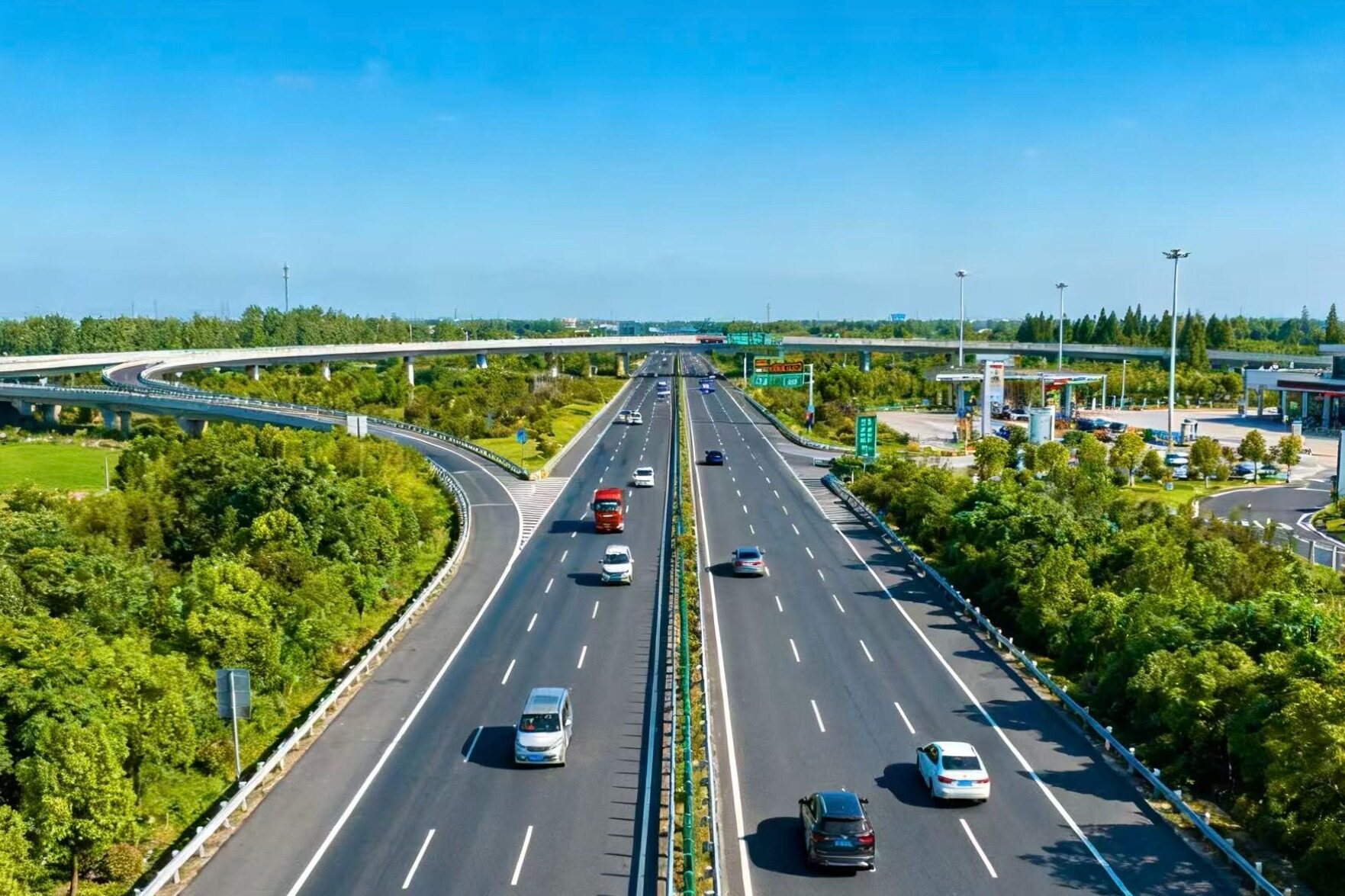
In the urban planning museum of Suizhou, a brand new red dashed line is solemnly drawn on the map. On one end, it is connected to the "roots" of Suizhou - the ancient chime bells and the hometown of Emperor Yan, while on the other end, it points to the "charm" of Xiangyang - the thick ancient city and the charm of the Han River. This is not a simple map update, but a future rehearsal worth 10 billion yuan. Recently, the Suizhou section of the Hexiang Expressway officially launched a bidding process. The landing of this billion dollar "red envelope" indicates that the Dabie Mountains are about to be "accelerated with one click". A city that has long been defined by its geographical pattern is preparing to rewrite its future with a new artery.
From the 'end of geography' to the 'entrance of traffic'
For Suizhou, the Dabie Mountains were both a natural ecological barrier and an intangible ceiling for development. It is like a natural dividing line, separating Suizhou from the broader market, making it often play a "terminus" rather than a "hub" role in the regional economic map.
The arrival of the Hexiang Expressway will completely overturn this positioning. This highway, with a total length of about 76 kilometers, is like a key that will open the "mountain gate" of the Dabie Mountains. It is no longer simply "passing by", but aims to transform Suizhou from the "end" of geographical space to a "traffic entrance" where people, logistics, and information flow converge. In the future, Suizhou will no longer just be the "northern gateway" of the Wuhan urban agglomeration, but will also become a "golden crossroads" connecting the Central Plains Economic Zone and the Han River Ecological Economic Belt. The transformation of this identity is the most imaginative value behind the billion dollar investment.
Trio of One Click Acceleration
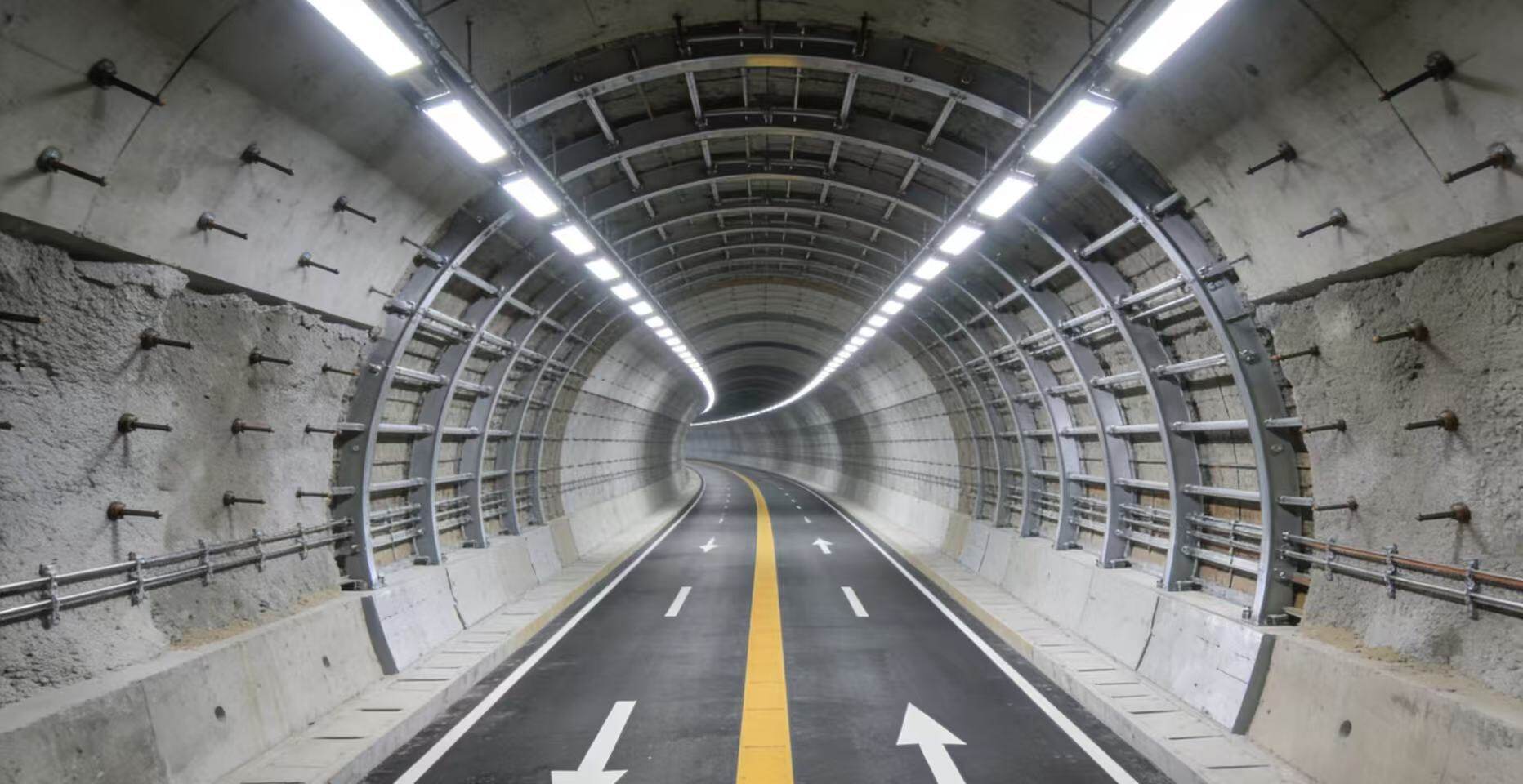
The magic of "one click acceleration" will be reflected in the three dimensions of Suizhou's development, playing a passionate "trio".
Time variation: 1 hour, reconstructing the "Suixiang" living circle. From just over 2 hours to less than 1 hour, this is not just a reduction in numbers, but also a change in lifestyle. When commuting time is compressed to one hour, the "fireworks atmosphere" of Suizhou and the "martial arts atmosphere" of Xiangyang will be able to blend together. The employment choices of young people are no longer limited, and the leisure radius on weekends can be expanded. Cultural exchange and collision will give birth to new urban vitality. A road that makes the "Twin Cities Chronicles" of two cities possible.
The symphony of industry: from "blood transfusion" to "hematopoiesis", activating dormant resources. Suizhou has advantageous industries such as shiitake mushrooms, fans, and specialized vehicles, but it has long faced bottlenecks such as high logistics costs and weak market radiation. The Hexiang Expressway will install "turbochargers" for these industries. The mushrooms in the mountains can be "fresh" and reach the whole country, and the manufactured fans can be "quickly" transported to the project site. More importantly, convenient transportation will attract more external investment, promote the industry to climb to the high end of the value chain, upgrade Suizhou from a resource exporting area to an industrial innovation highland, and achieve a fundamental transformation from "blood transfusion" to "blood making".
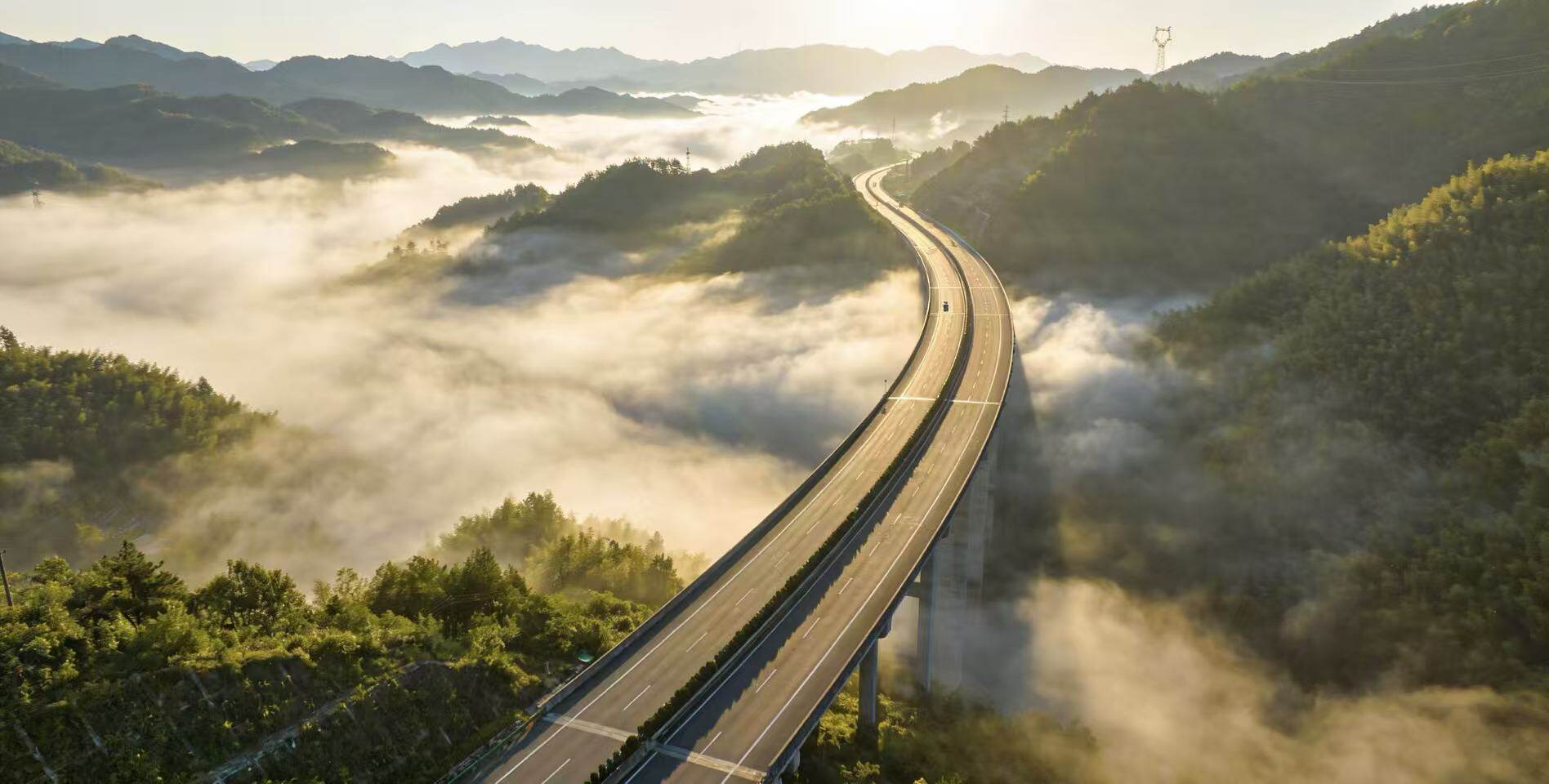
The billion dollar "red envelope" is already in place, and the "acceleration button" of the Dabie Mountains has been pressed. The bidding for the Xiangxiang Expressway is a solemn commitment from Suizhou to the future. It promises a future that is no longer defined by mountains, a future that is infinitely possible through connections. When this steel dragon finally winds through the hinterland of the Dabie Mountains, what we hear will not only be the roar of traffic, but also the firm footsteps of a city accelerating towards the future.Editor/Bian Wenjun
Comment

 Praise
 Collect
 Comment

 Share
Share


Write something~