 Search


- Angola launches global tender aimed at increasing annual capacity of strategic railways and their associated ports
- The Angolan government is seeking global operational partners for a resource corridor connecting the rich inland and the sea, with the aim of leveraging a new pattern of regional connectivity across southern Africa
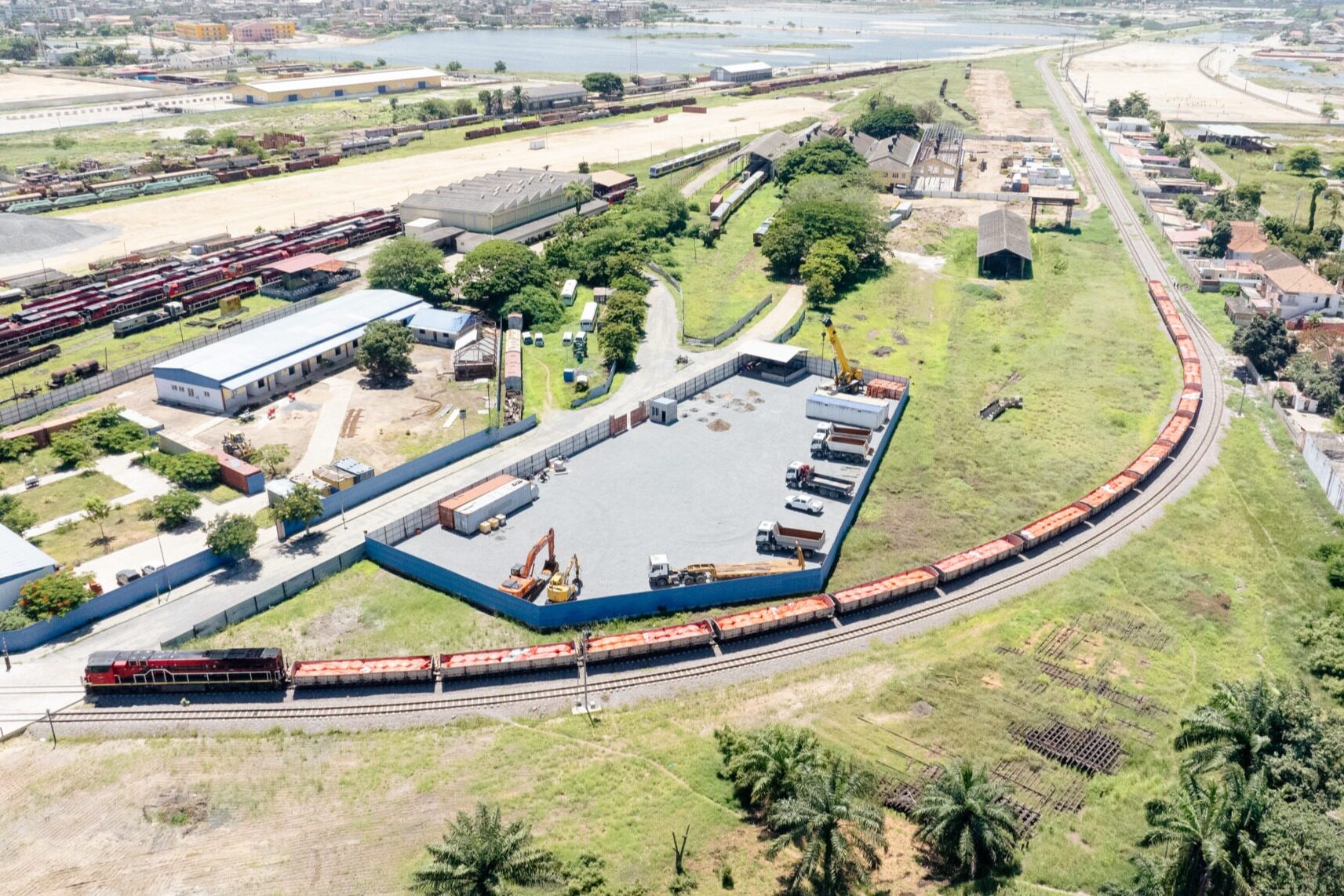
The Angolan Ministry of Transport officially launched a major 30-year franchise tender on December 5, 2025, aimed at attracting global private capital to fully operate and maintain the key Namibe Corridor. This transportation artery, centered around the 855-kilometer-long Mocamides Menonge railway, connects the Namibe port with the mineral rich inland areas of southern Angola. Its successful operation is expected to become another milestone in promoting Angola's economic diversification and regional connectivity.
Strategic Ambition of Resource Corridor
The potential of the Namibe Corridor is first rooted in the abundant mineral resources in southern Angola. The Mocamede Province and neighboring Hu í la Province, which the corridor passes through, contain a large amount of minerals such as copper, manganese, chromium, tin, iron ore, and diamonds. Taking the Kasinga iron ore project in Hu í la Province as an example, it has planned to transport iron ore concentrate to the Sakomar port in Namibe Port through this railway, and then export it to the Asian market, with an initial annual export volume of over one million tons. The vision of the Angolan government is extremely clear: by improving the transportation efficiency of this corridor, the annual freight volume of the railway will be increased from the current low level of about 200000 tons to about 5 million tons after about 10 years of franchise implementation.
From infrastructure to integrated operation
To achieve this goal, this bidding goes beyond a single railway operation and is a comprehensive plan covering ports, docks, branch lines, and even future expansion. The winning operator will be responsible for managing the Namibe Port, Sakomar Mineral Terminal, and Alimba Logistics Terminal, and may also construct branch lines to mineral areas such as Vila and Kubango. What is particularly noteworthy is that the franchise rights include the right to design and construct new railway sections, especially the cross-border section connecting Namibia and Zambia in the future. If the extension is successfully achieved, the franchise period can be extended for another 20 years, which provides a long-term blueprint for operators to participate in building a cross-border logistics network.
Benchmarking successful models and China's role
The Minister of Transport of Angola has expressed the hope to replicate the successful experience of another strategic corridor in the country - the Lobito Corridor. The corridor has been revitalized by the introduction of international operators and multiple financing sources, confirming the enormous role of market-oriented operations in activating the value of infrastructure. In the past history of the Namibe Corridor, Chinese companies have laid a solid foundation: China Haoyuan Group undertook a $1.31 billion overhaul project of the railway from 2007 to 2015. In recent years, Chinese equipment has also been continuously helping Angola's railway upgrade, such as advanced maintenance equipment delivered by Tianjin enterprises, which has increased its railway maintenance efficiency by more than three times. It can be foreseen that Chinese companies with advantages in funding, technology, and experience will be strong competitors in this global bidding process, which will end on May 4, 2026. Keywords: international news, transportation news
Economic catalyst beyond transportation
The reactivation of the Namibe Corridor has significance far beyond logistics itself. It directly serves Angola's national strategy of reducing dependence on oil, developing mining and agriculture. At the same time, it is highly aligned with the goal of promoting regional integration in the Southern African Development Community. Once successfully connected to the Namibian railway network, it will form a modern logistics channel that connects the southern part of the African continent, effectively promoting cross-border trade and economic development. The future of this corridor is not only related to Angola's resource exports, but also has the potential to reshape the regional economic landscape of southern Africa.Editor/Cheng Liting
Comment




 Praise
 Collect
 Comment

 Share
Share


Write something~